Wholesale used vehicle prices increased by 4% year over year in February, driven by warmer weather and larger-than-usual tax refunds, Cox Automotive reported Friday (March 6).
The company’s Manheim Used Vehicle Value Index (MUVVI) reflected this increase, rising by 0.8% month over month. That’s unusual, because February generally sees a decrease of 0.2%, Cox Automotive said in a Friday press release.
“The average tax refund is running 10% higher this year, as we hit some of the strongest weeks for consumer filing, and we are expecting to see that translate to more traffic at dealerships in March,” Cox Automotive Chief Economist Jeremy Robb said in the release.
The prices of all categories of vehicles were higher compared to February 2025, according to the release. The luxury segment led the way with a year-over-year price increase of 4.1%. Compact cars and pickups saw the smallest increases, at 0.6% and 0.8%, respectively.
The luxury segment has been strong over the past year, per the release.

We’d love to be your preferred source for news.
Please add us to your preferred sources list so our news, data and interviews show up in your feed. Thanks!
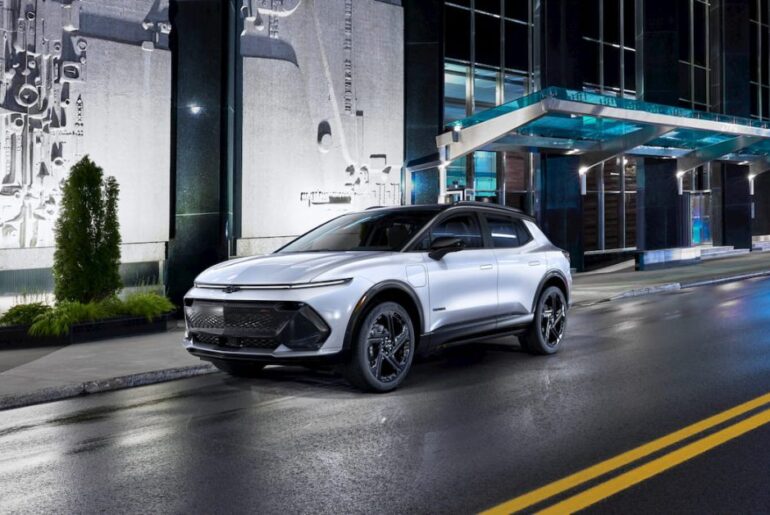
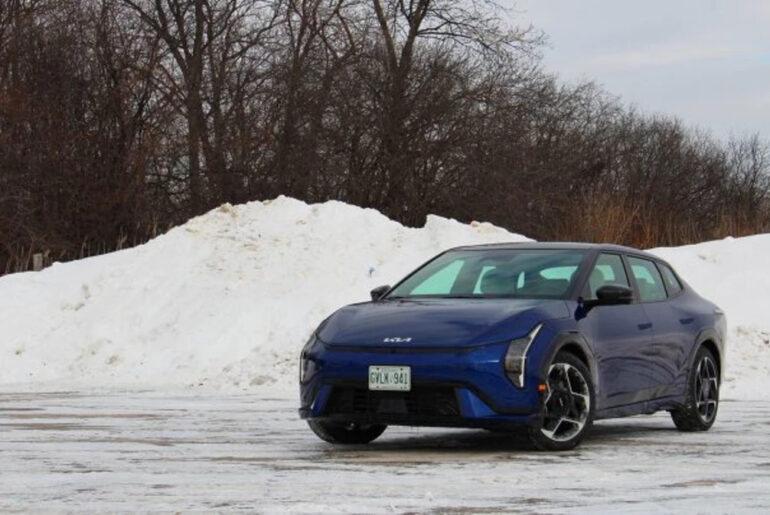
The price increase of non-electric vehicles outpaced that of EVs, according to the release. Non-electric vehicles rose 3.7% year over year, while EVs were up 1.8%, per the release.
Advertisement: Scroll to Continue
“With the expiration of government-backed EV incentives, prices moderated, but they remain notably higher than a year ago, when EV values saw much more depreciation in the first half of the year,” the release said.
Cox Automotive’s Kelley Blue Book reported Feb. 10 that new vehicle prices increased 1.9% year over year in January and reached a new January high.
The company attributed that increase to manufacturers increasing their asking price and reducing their sales incentives.
Cox Automotive Analyst Erin Keating said in a press release that “demand for high-priced models remains incredibly resilient.”
“Consumers are still finding plenty of options below the industry average, especially in core segments like best-selling compact SUVs, but the disappearance of true entry-level vehicles continues to lift the floor higher,” Keating said.
PYMNTS reported in February that three automotive retailers said their vehicle sales, both new and used, were down in the fourth quarter because consumers had raced to buy new vehicles earlier in the year ahead of the implementation of tariffs and the expiration of EV tax credits.