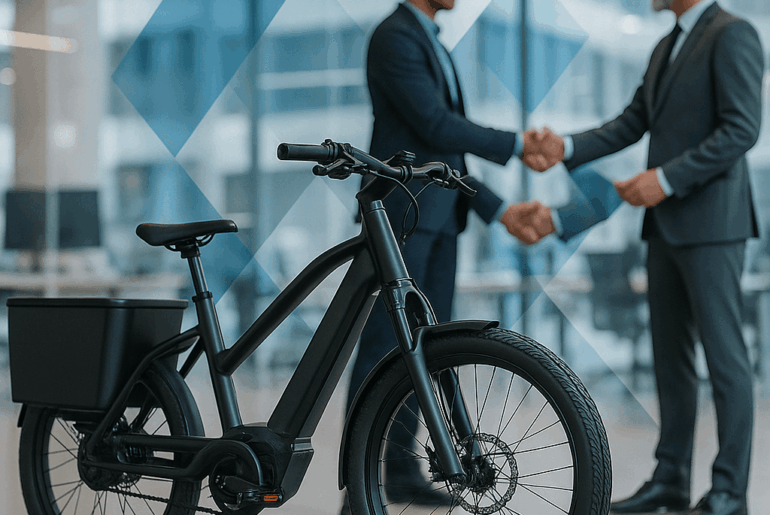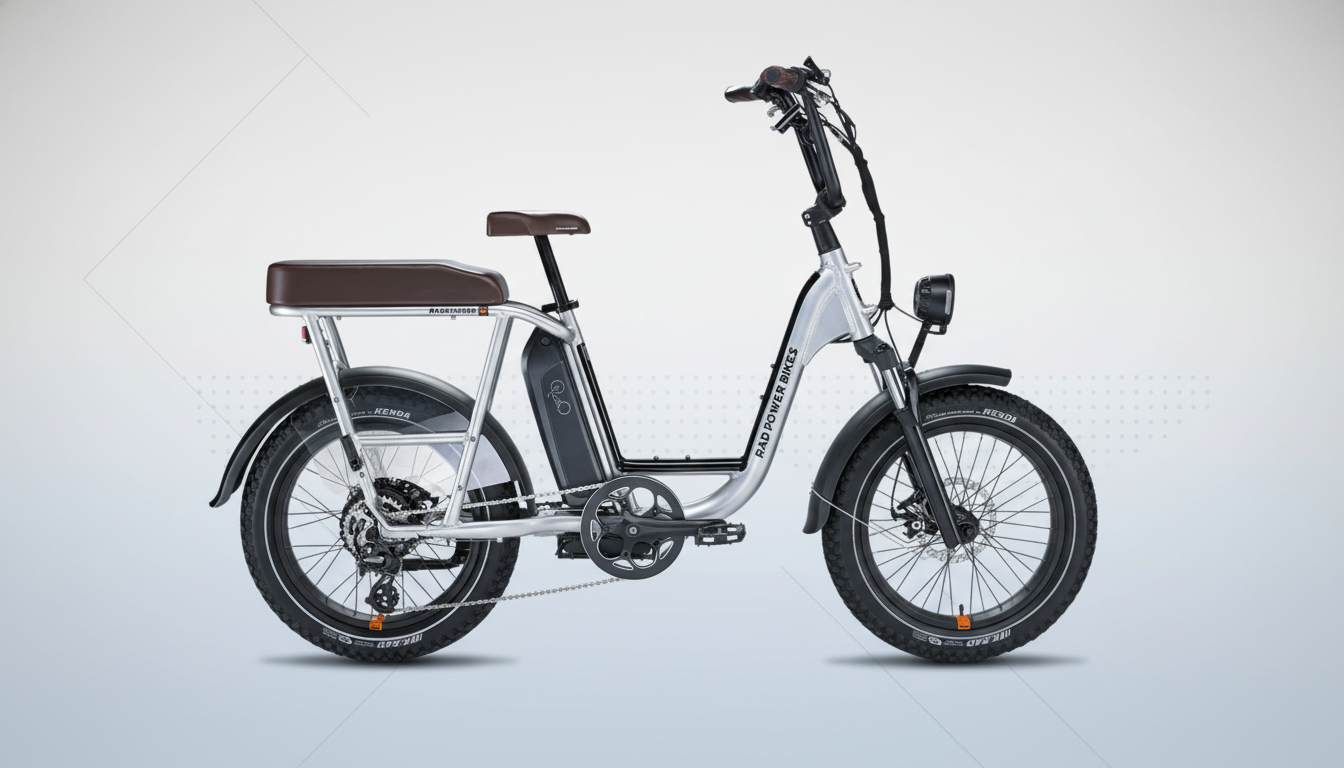
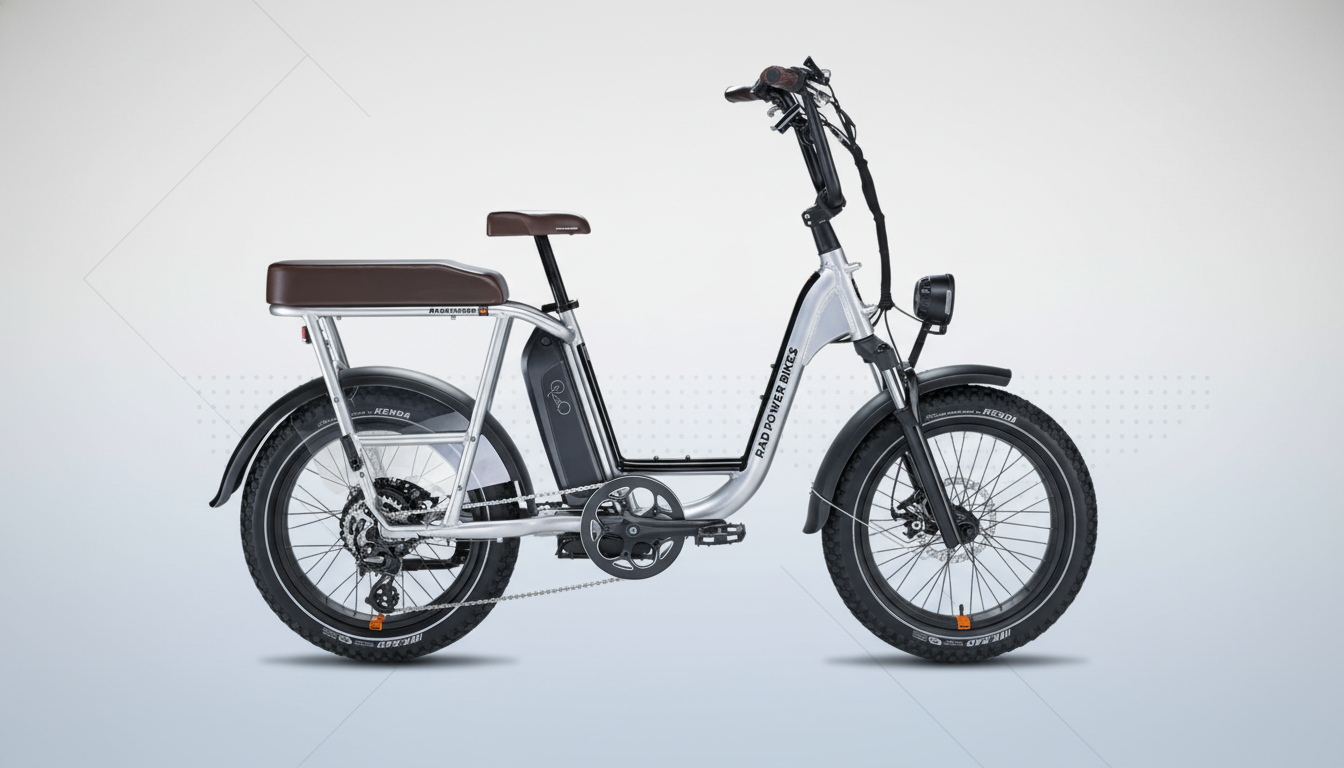
Life Electric Vehicles Holdings has completed the purchase of Rad Power Bikes, acquiring the brand’s intellectual property, inventory, and select operating assets for $13.2 million. The buyer says the Rad Power Bikes name will stay on storefronts and boxes, and that retail operations in the United States will continue with customer support intact.
The deal caps a turbulent stretch for Rad Power Bikes following a Chapter 11 process and months of financial strain. Life EV, based in Florida, is positioning the acquisition as a springboard for a broader North American push, pledging to honor warranties and even outstanding gift cards as it folds Rad into its portfolio.
What Life EV Bought and Why It Matters for Rad
By taking control of Rad’s core assets rather than assuming all liabilities, Life EV gains the crown jewels: patents, trademarks, designs, firmware, tooling, and a sizable parts cache. For $13.2 million—less than a typical Series A in this sector—the buyer now owns one of the most recognizable e-bike brands in North America, one that previously raised close to $330 million from venture backers.
The contrast between money raised and exit value underscores how unforgiving hardware economics can be when supply chains wobble, warranty costs climb, and growth cools. Yet brand equity, a large installed base, and a product lineup that popularized utility and cargo e-bikes still hold real commercial value. That is what Life EV is betting on.
A Turnaround Challenge With A Loyal Base
Rad Power Bikes built a devoted community by blending approachable pricing with big torque hub motors, modular accessories, and a direct-to-consumer model. Industry groups such as the Light Electric Vehicle Association have documented sustained U.S. e-bike import volumes in recent cycles, with utility and cargo formats among the fastest-growing segments—categories where Rad has outsized mindshare.
But operational headwinds mounted. Public recall notices from the U.S. Consumer Product Safety Commission led to retrofits and replacements on select models, elevating service costs and logistics complexity. Add shipping volatility, tariffs on China-made e-bikes and components, and a broader inventory correction across the bicycle channel, and the pressure on Rad’s balance sheet became acute.
Customer Impact: Warranties, Service, and Support
Life EV says existing Rad customers will continue to receive support, including warranty coverage and redemption of valid gift cards. Practically, that means restocking common wear parts, stabilizing battery and controller supplies, and keeping regional service centers and mobile repair partners engaged.
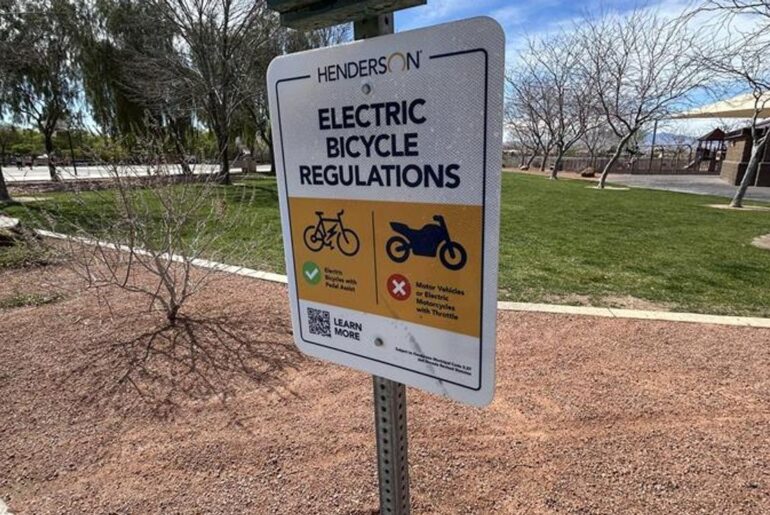
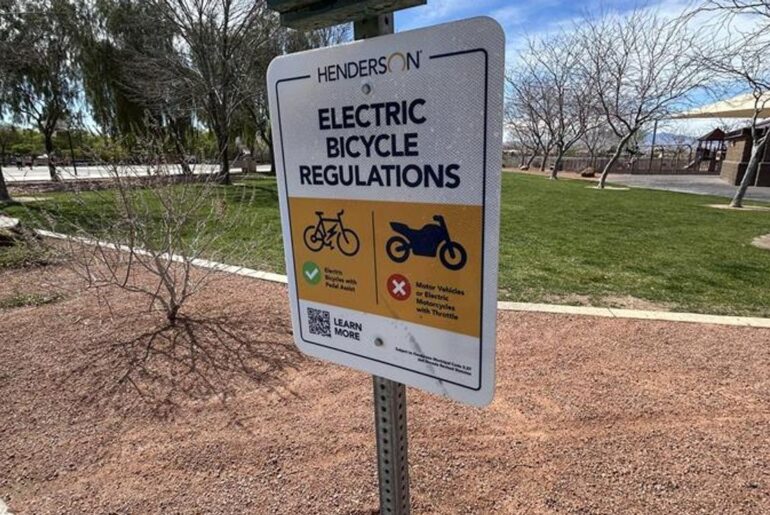
Safety and compliance will be non‑negotiable focal points. Major U.S. cities now require UL-certified e-bike systems and batteries for retail sale, storage, and delivery work. Keeping Rad’s portfolio aligned with UL 2849 and UL 2271 standards—and communicating that clearly to riders—will be essential to rebuilding confidence and unlocking municipal and fleet demand.
Life EV’s Roll-Up Strategy for Micromobility Growth
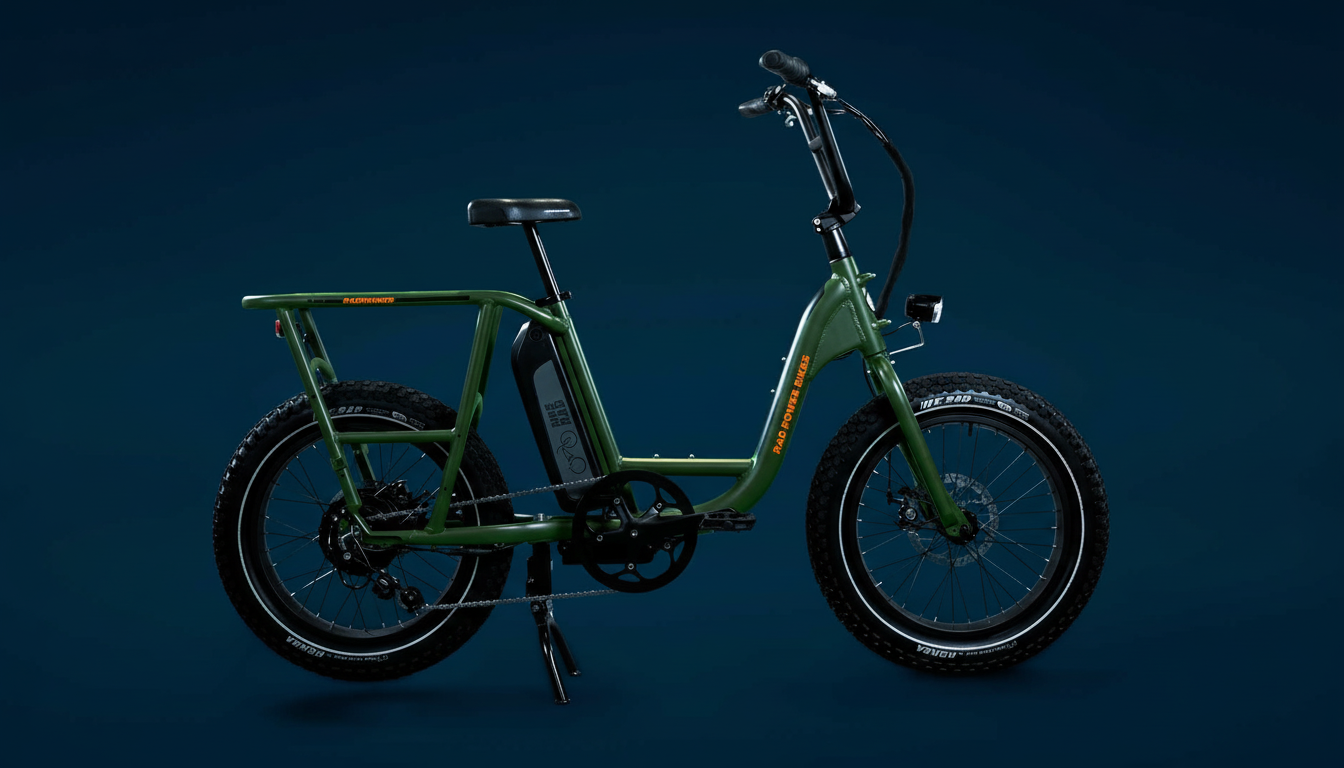
Life EV has been quietly assembling a micromobility stable, investing in brands and manufacturing capacity rather than betting on a single hero product. It holds an equity interest in LEV Manufacturing, which took over the Serial 1 premium e-bike label originally incubated within Harley‑Davidson. That footprint could give Rad faster access to vetted suppliers, UL-certified systems, and contract assembly.
The playbook echoes consolidation seen across the bicycle industry, where larger groups leverage shared sourcing, electronics platforms, and after‑sales networks to improve margins. In that context, Rad offers a powerful DTC channel and name recognition, while Life EV brings operational discipline and multi-brand scale.
Market Context and Numbers Shaping E-Bike Demand
Data from LEVA shows U.S. e-bike imports cycling between hundreds of thousands and more than one million units in recent periods, reflecting both rapid adoption and subsequent inventory normalization. Market researchers at Circana have consistently ranked e-bikes as the revenue engine of the bicycle category, even when unit volumes cooled, thanks to higher average selling prices and accessory attach rates.
Against that backdrop, value, reliability, and service coverage will determine who captures the next wave of demand—from families replacing a second car with cargo e-bikes to last‑mile couriers seeking compliant, durable machines. Rad is well placed in those use cases if parts availability, certification, and customer care stay tight.
What to Watch Next for Rad Power Bikes Under Life EV
Near term, look for clarity on Rad’s model roadmap, battery replacement programs, and how Life EV will balance direct sales with dealer partnerships. A streamlined lineup with shared electronics and accessories could cut costs while improving supportability.
Longer term, the key questions are executional: Can Life EV convert Rad’s brand equity into sustainable margins, navigate tariff exposure, and reengage commercial and fleet buyers who demand UL‑listed systems and rapid service? If those boxes get checked, the $13.2 million price may prove to be one of the savvier bets in micromobility’s ongoing consolidation.