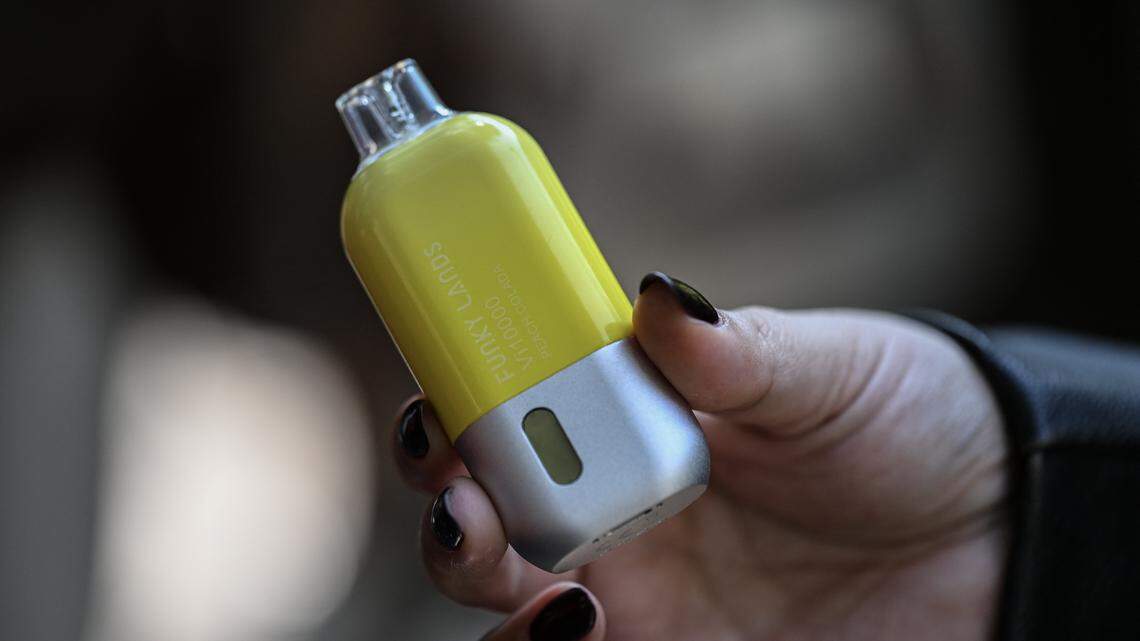
A 26-year-old electronics engineer drove a road-legal electric vehicle powered entirely by batteries salvaged from disposable vapes, reaching 35 mph and logging 18 miles before the car powered off.
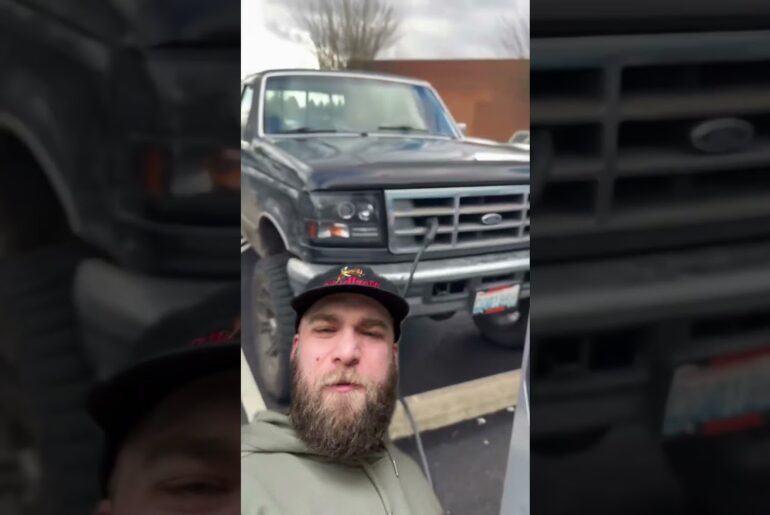
Chris Doel, a YouTube creator with 162,000 subscribers, shared the project in a video on Feb. 28.
The footage shows him driving the battery-powered car through city streets on a rainy day, headlights on, using nothing but energy stored in batteries most people throw in the trash.
The project is the latest and most ambitious in a series of builds Doel has undertaken to highlight e-waste from disposable vapes.
He previously turned discarded vape batteries into a fast-charge power bank, then powered an e-bike, and then powered his entire home.
Why Disposable Vape Batteries?
Doel’s core argument is simple: disposable vapes contain fully rechargeable lithium-ion cells that almost always get thrown away after a single use.
“Unfortunately, we seem to live in some crazy dystopia when buying these single-use devices and then chucking them away is completely normalized, despite them having fully-rechargable lithium ion cells inside of them,” he said in the video.
The scale of the problem is significant. Doel references a 2024 article published by The Guardian suggesting that more than one million vapes are thrown away per day.
A 2025 report by the Alaska Environment Research & Policy Center estimated that another 500,000 are thrown out each day in the U.S..
“So, to raise awareness of this ridiculous source of e-waste, I’ve been building increasingly larger things using these extracted cells,” he said.
The idea for the car came from one of his subscribers. Doel said he crunched the numbers and determined he could power a road-legal electric vehicle from disposable vape cells.
Why He Chose ‘One of the World’s Worst Cars’
Doel wasn’t aiming for a Tesla. He chose the Reva G-Wiz, one of the world’s first modern, mass-produced electric cars — a vehicle he and many others have dubbed “one of the world’s worst cars.”
For this experiment, the G-Wiz’s limitations were actually strengths. It has a 17 horsepower motor, weighs about 880 pounds without batteries, and tops out at 50 mph.
Most Teslas, by contrast, produce between 450 hp and 670 hp and weigh approximately 3,500 lbs to over 6,800 lbs.
Doel attributed his choice of the G-Wiz over a Tesla to “money” and his “sanity.”
The math made it clear why.
A standard Tesla has a battery capacity of 60 kWh. Doel’s vape-powered battery system, which contains 500 vape batteries and took six months to build, has a capacity of just 2.5 kWh — a fraction of what a Tesla would require.
Doel calculated he would need around 12,000 vape batteries and 12 years to build a pack big enough for a Tesla. But for the G-Wiz, his existing 500-battery system would work.
“Back in the early-2000s, the batteries were crap and electric vehicles were unbelievably simple,” he said, adding that the G-Wiz ran off a 48V battery pack.
Building the Vape Battery Pack
The battery system at the center of the project is what Doel calls his “battery pack” — a 500-vape battery unit he previously used to power his house and workshop. He built it by combining healthy vape batteries into a 50V massive battery pack.
Safety was a major concern. Doel had to protect the pack from three main risks: physical punctures, overvoltage and overheating.
He built an aluminum enclosure to prevent physical damage to the cells. The powerwall already had a battery management system to monitor voltages. He installed fuses on each cell to protect against overheating and added temperature probes for real-time monitoring.
Lithium-ion batteries can pose fire risks if damaged or improperly managed, making Doel’s engineering precautions a critical part of the build.
Getting the Reva G-Wiz Road-Ready
The G-Wiz already had most of the electrical components it needed. Doel only had to install a DC-DC converter to output 12 volts for headlights, wipers, horn and other standard accessories.
For charging, Doel used another one of his inventions — a system that allows him to charge e-bikes and e-scooters using a standard USB-C fast charger. He hooked a standard MacBook charger up to the battery pack, and it worked.
That detail made the project doubly notable: it was not only the first disposable vape-powered car but also the first USB-C charged car.
After connecting the powerwall, Doel tested the horn and hazard lights. They worked. He put the car in gear and moved forward a few feet. That worked too.
Then he took it to the street. Doel drove up to 35 mph through the city in the rain with headlights on, getting around 18 miles of range before the car powered off.
For a vehicle running on batteries pulled from items most people toss in the garbage, the result was striking.
“I think we all need a big think as to what we actually classify as waste because, sadly, planned obsolescence is becoming more and more common,” he said at the end of the video.
Doel’s projects have escalated from power banks to e-bikes to a house and now to a road-legal car — each designed to show how much usable energy is being wasted. His YouTube subscribers will be watching to see what comes next.
You can watch the video in full here.
BOTTOM LINE: A tiny car powered by trash-bound vape batteries traveled 18 real miles on real roads — a vivid demonstration that what we classify as waste may have far more life left in it than we assume.
Production of this article included the use of AI. It was reviewed and edited by a team of content specialists.

Miami Herald
Ryan Brennan is a content specialist working with McClatchy Media’s Trend Hunter and national content specialists team.