March 5, 2026
By Nehal Malik
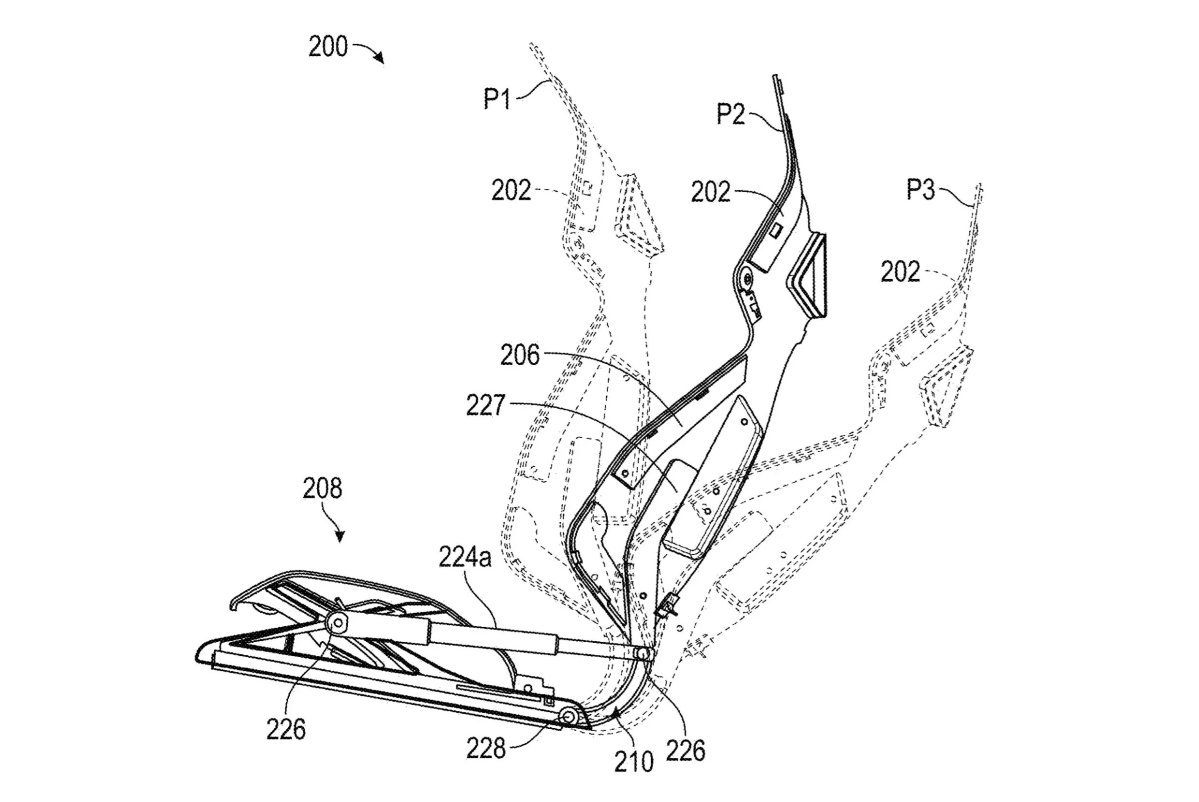
Tesla is taking its “megacasting” philosophy from the car’s frame into the cabin. A new patent (No. US20260061898A1) published today and spotted by @seti_park reveals a radical one-piece composite seat frame that replaces the dozens of metal parts found in traditional car seats. The timing is notable, as it arrives just weeks before the expected public reveal for the company’s most extreme performance vehicle yet.
The Monolithic Composite Seat
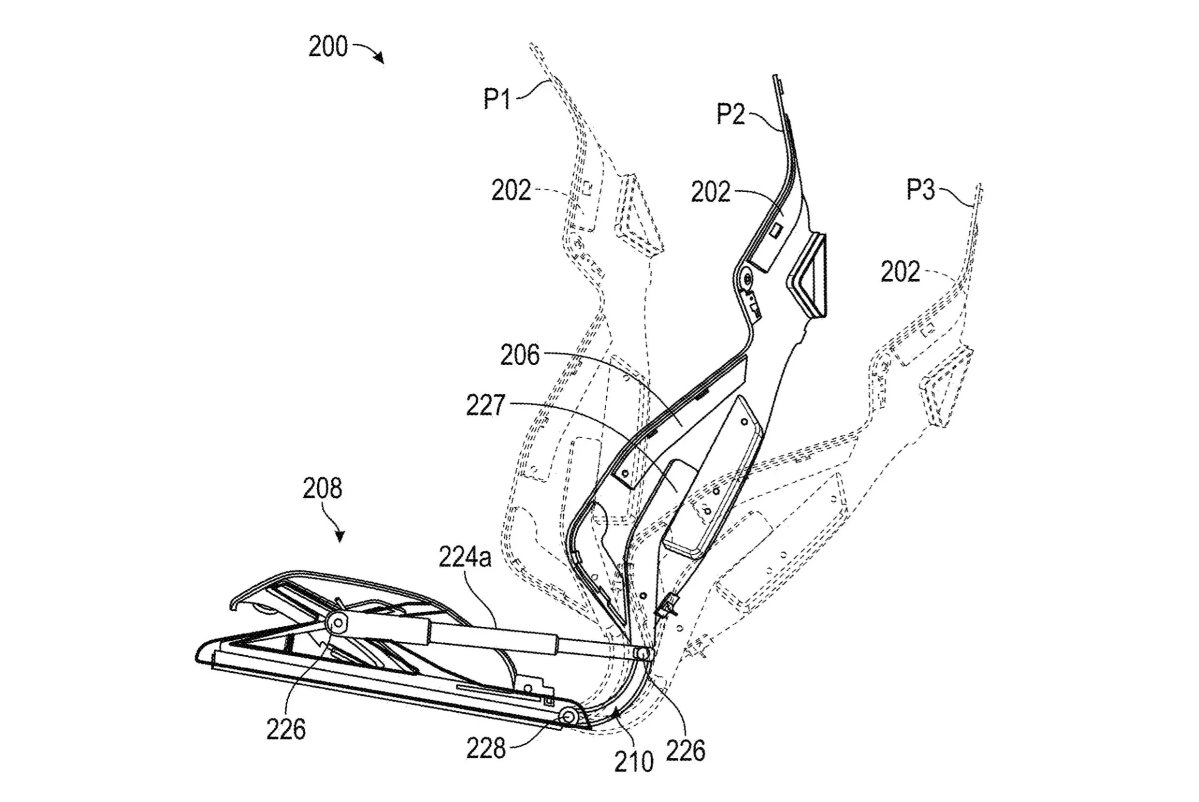
Traditional car seats are mechanical nightmares, often involving over 13 major part groups like metal brackets, separate recliner mechanisms, and rivets. Each connection point is a potential source of noise or failure. Tesla’s new patent describes a “vehicle seat system” built around a single continuous composite frame.
The seat portion, backrest, headrest, and bolsters are all thermoformed as one monolithic structure. By using materials like Kevlar-nylon or carbon-nylon, Tesla can create a seat that is incredibly thin and light but stiff enough to handle hypercar-level forces. The “hinge” isn’t a mechanical gear but a “living hinge” defined by varying the composite thickness to match a human’s natural skeletal pivot point.
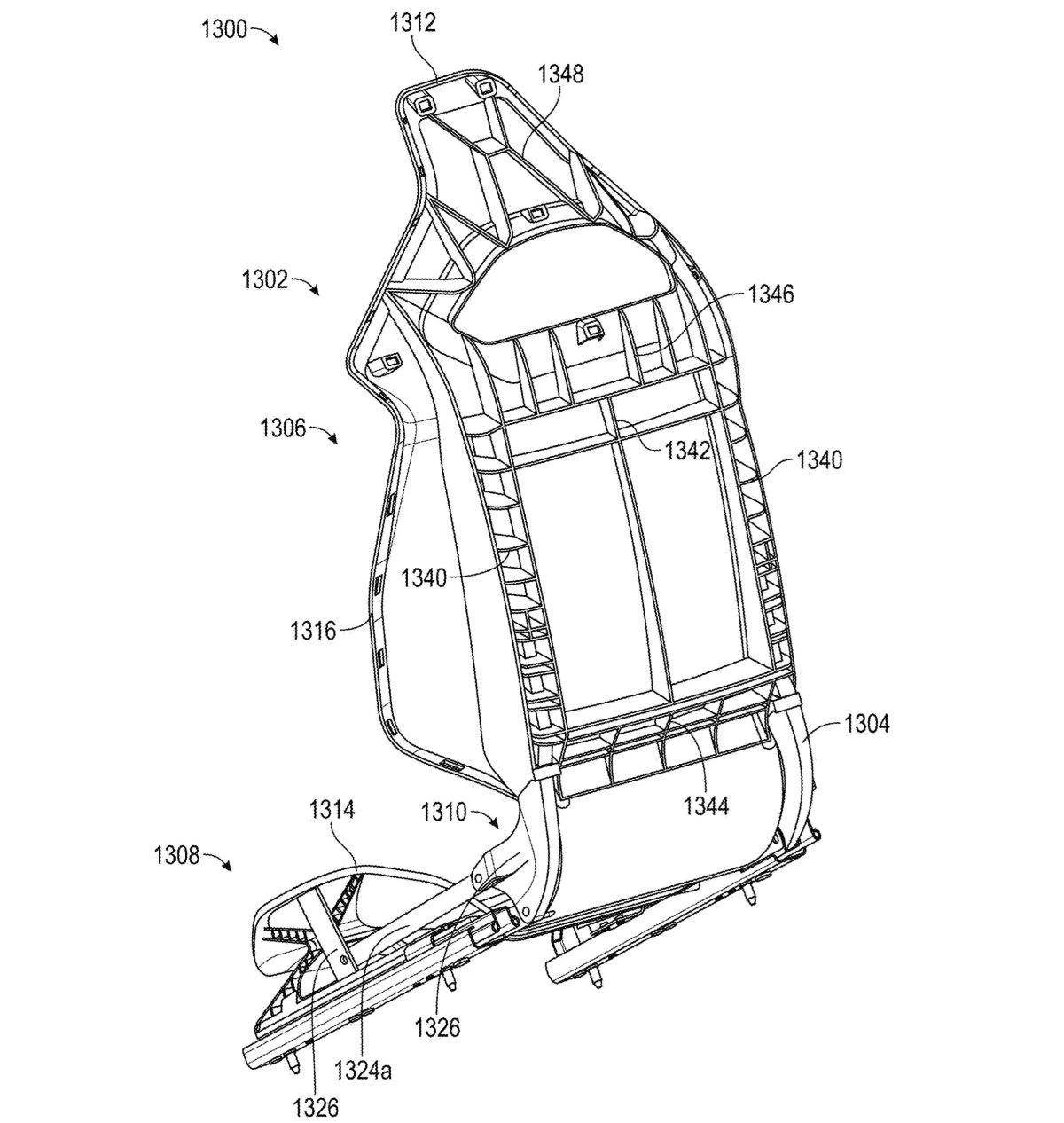
Perhaps the most futuristic part is the “six-degree-of-freedom” control. Instead of separate motors for height and tilt, the seat uses four pairs of linear actuators that work together to move the seat in any direction via software. While this is perfect for the tight packaging of a supercar, it is also designed to scale. The patent mentions cheaper fiberglass-nylon options, suggesting this tech could eventually appear in the Cybercab or a mass-market sedan to simplify manufacturing and increase interior room.
The Next-Gen Roadster: What We Know
This patent is the strongest evidence yet that the next-generation Roadster is finally ready for the spotlight. Elon Musk confirmed during recent earnings calls that Tesla is targeting April 1, 2026 — April Fool’s Day — for the reveal of the updated supercar. This seat patent follows two new trademarks Tesla filed for the Roadster last month, signaling that the “unforgettable” demo Musk promised is right around the corner.
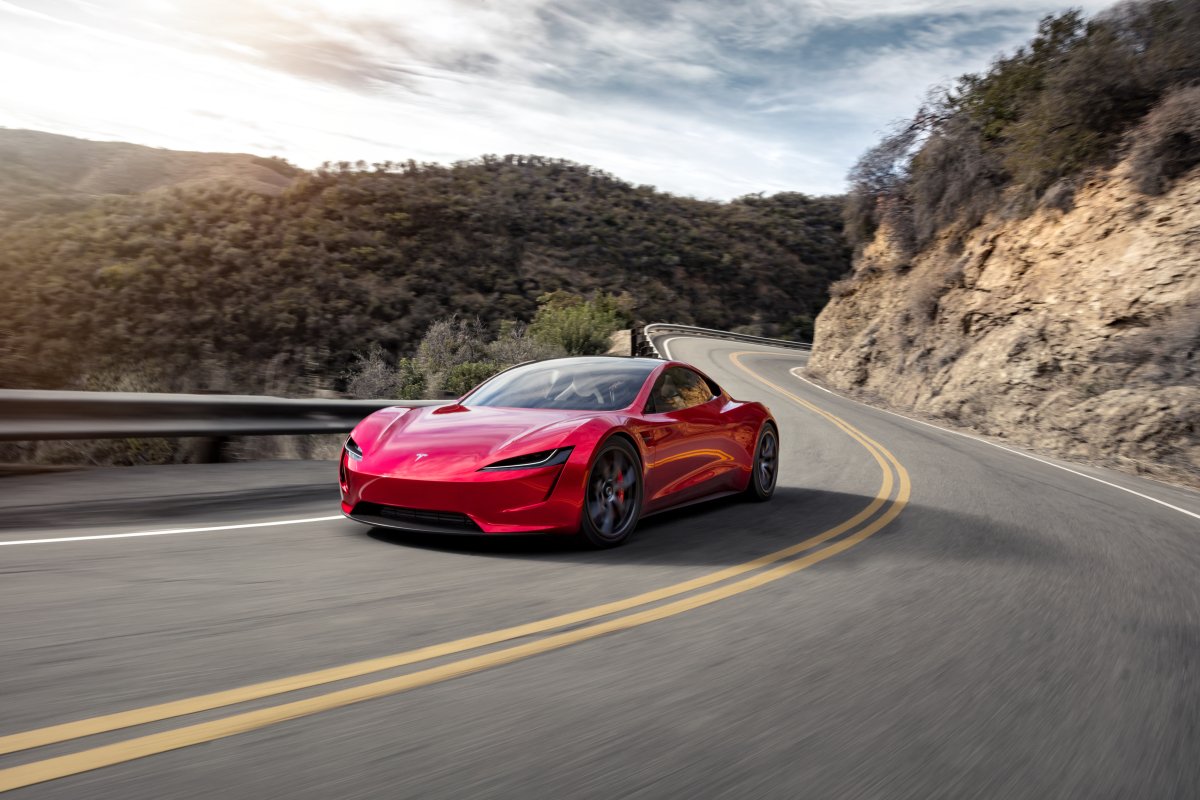
The Roadster aims to be a “halo” car for the entire EV industry. Tesla has promised a sub-2-second 0-60 mph time, a feat that could potentially be aided by advanced aerodynamic tech Tesla previously patented — a system based on “ground effect” principles so effective they were famously banned from Formula 1. With a price tag expected to be around $200,000, the Roadster isn’t just a car; it’s a showcase for Tesla’s most experimental engineering, including these monolithic seats.
Tesla is once again looking to disrupt how we think about car components. By verticalizing seat production and using aerospace-grade composites, they are cutting weight and complexity in one of the most overlooked parts of the vehicle. If the April reveal holds true, we’re about to see if the Roadster can live up to nearly a decade of hype.
Subscribe to our newsletter to stay up to date on the latest Tesla news, upcoming features and software updates.
March 5, 2026
By Nehal Malik
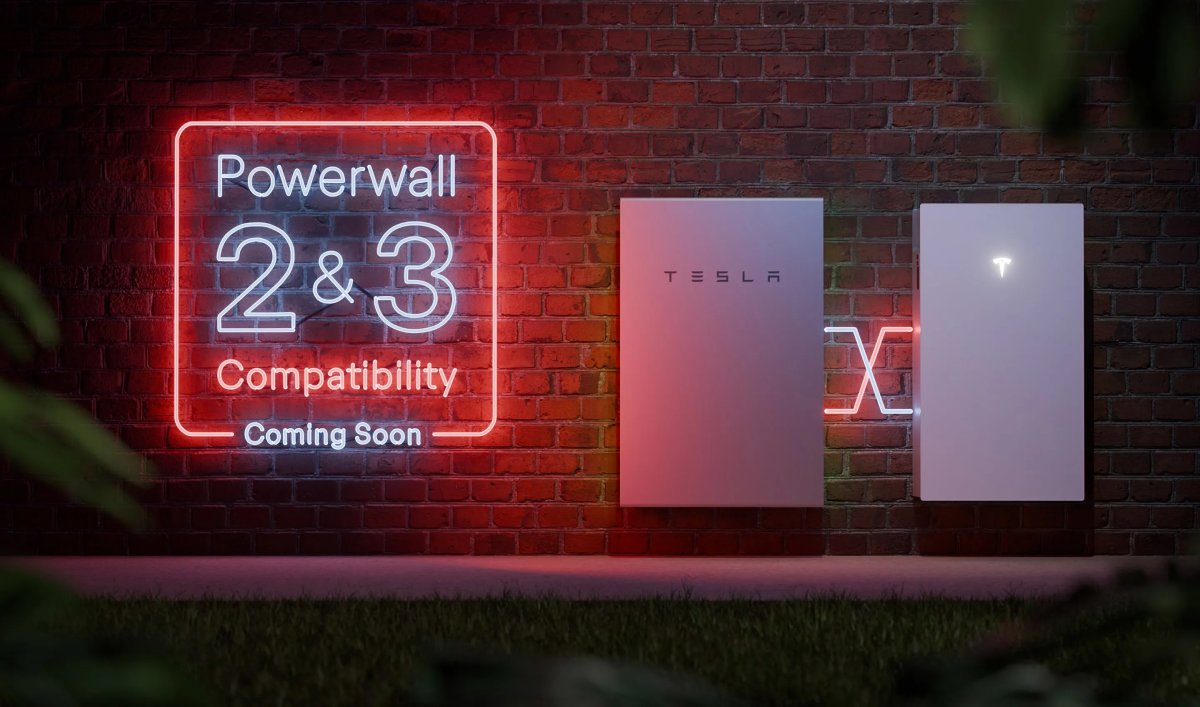
Tesla is rewarding its most loyal energy customers with a major upgrade that doesn’t require any new wiring or hardware swaps. In a new update to its official support pages, the company has announced that “Backwards Compatibility” is coming to the Powerwall 3, allowing it to work in tandem with the older Powerwall 2.
While Tesla Energy has been a global bright spot for the company lately, this specific feature is currently only rolling out in Australia. Given that Australia is one of Tesla’s largest energy markets alongside North America, it is likely the company is trialing the software here before a wider global release.
Expanding Your Home Ecosystem
For years, the biggest drawback of upgrading to Tesla’s latest home battery was that it couldn’t talk to the previous generation. Powerwall 3 is Tesla’s newest residential storage solution, featuring a jump to 11.5 kW of continuous power and an integrated solar inverter that handles up to six solar inputs.
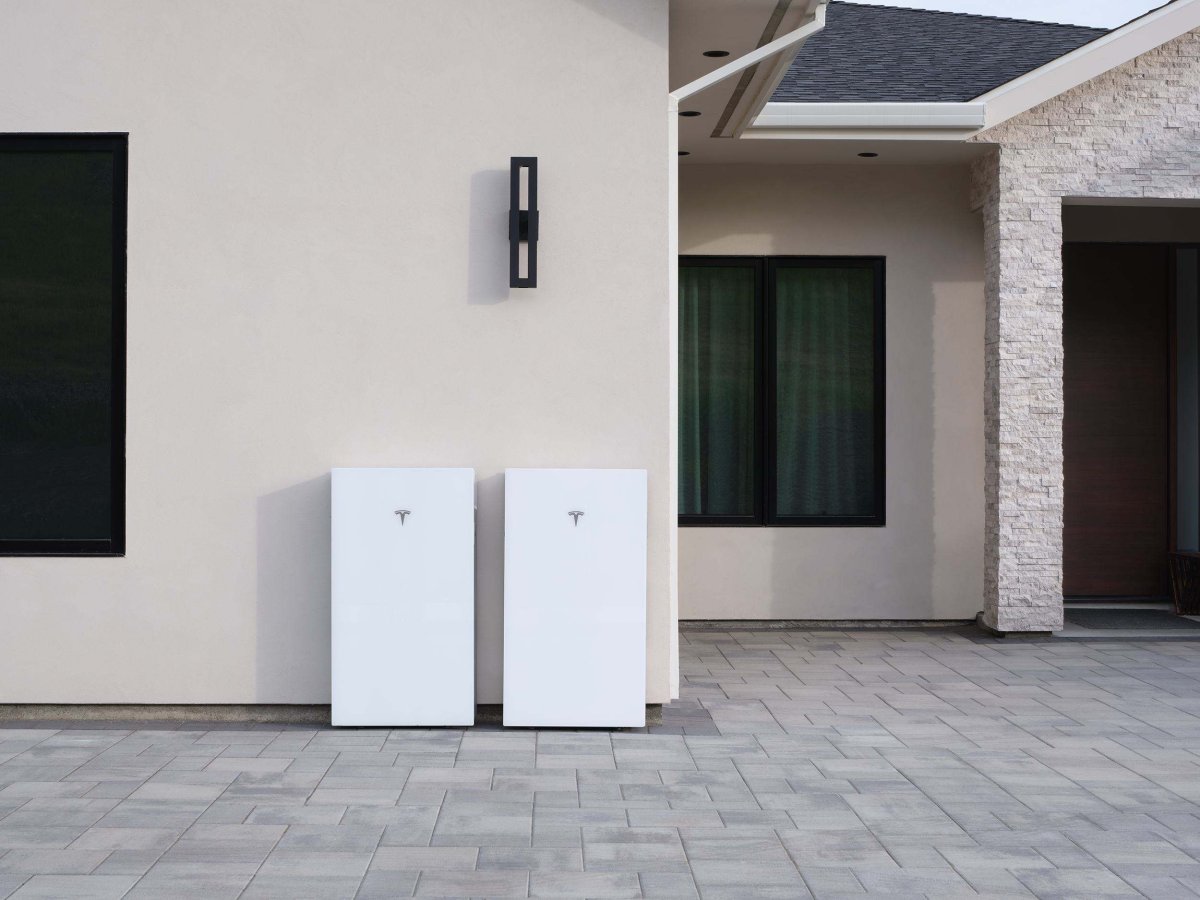
According to Tesla, “A software update is coming soon that will include a new feature in which Powerwall 3 will be compatible with Powerwall 2.” This means owners who already have a Powerwall 2 don’t have to start from scratch if they want more storage. They can simply add a Powerwall 3 to their existing setup to increase their energy independence and savings.
At launch, Tesla says supported configurations will include up to four Powerwall 2 units, one Powerwall 3 unit, and up to three Powerwall 3 Expansion units. This creates a massive amount of potential storage for large homes or small businesses. However, there is a small catch for those on a three-phase grid connection, as the Powerwall 3 output will be limited to 5 kW in those specific setups.
Why Australia First?
The timing of this announcement follows a major Powerwall distribution deal Tesla recently secured in Australia to ramp up its energy footprint. The region has become a massive hub for Tesla Energy, frequently posting record sales growth.
Tesla’s ability to add “Backwards Compatibility” long after these units have been installed is a testament to its over-the-air (OTA) update infrastructure. By treating home batteries like smartphones or EVs, Tesla can roll out complex features that completely change how a home handles power without a technician ever needing to step on the property for a “software install.”
While European customers recently saw the launch of the three-phase Powerwall 3P, there is no official word yet on when that specific hardware — or this new backwards compatibility feature — will land in other regions.
A Win for Energy Independence
For consumers, this is a huge deal because it protects the value of their original investment. Powerwall 2 units will retain their original warranty when paired with the new hardware, while the new Powerwall 3 units come with their own 10-year warranty.
Tesla is even sweetening the deal for Australians with a Virtual Visa Reward Card offer of up to $1,500 AUD for those who order by March 31, 2026. It’s a smart move that ensures that, as technology evolves, existing customers aren’t left in the dark.
March 5, 2026
By Nehal Malik
Tesla is continuing to prove that its mission goes far beyond just building fast cars. The automaker has officially secured the top spot in the 2026 Lead the Charge automotive supply chain leaderboard, marking its second consecutive year as the industry leader in sustainability.
The report evaluates 18 of the world’s leading automakers on their efforts to eliminate emissions, environmental harms, and human rights violations from their supply chains. Ford came in second place, trailing behind Tesla. According to the study, “Tesla increased its overall score by 6 percentage points and Ford only managed 2 percentage points. The gap between the two companies has widened: Tesla is now almost 5 percentage points ahead of Ford.”
Reclaiming the Lead in Battery Sustainability
A major factor in Tesla’s victory this year was its massive improvement in battery supply chain transparency. Tesla reclaimed the top position in the battery section with a 20 percentage point score increase, becoming the first company to score over 50% in this specific category.
Tesla is also the first automaker to fully meet the battery emissions disclosure indicator. This was achieved by disclosing the individual contributions of cell production and key materials — including lithium, nickel, cobalt, and graphite — to its overall battery supply chain emissions. This level of detail is crucial because EVs are inherently more environmentally friendly than gas cars, especially when using LFP batteries, which are better for the planet and more durable for long-term use.
A Commitment to Recycled Materials
Tesla’s sustainability efforts aren’t just about batteries; the company is also making huge strides in greening its use of metals. The report highlighted a new offtake agreement for low-carbon aluminum in North America with an emission intensity below 2kg of CO2e per kg of aluminum. This impressive figure is achieved commercially through the usage of post-consumer recycled scrap aluminum.
This penchant for recycling actually extends beyond the assembly line. Tesla recently confirmed that its first Tesla Diner in Hollywood was constructed using recycled stainless steel from Cybertruck production. By finding ways to reuse materials like aluminum and steel, Tesla is moving closer to a “circular” manufacturing model where very little goes to waste.
Leading the Charge for an Equitable Future
The Lead the Charge Leaderboard assesses companies against over 80 indicators, splitting the score between environmentally sustainable supply chains and human rights. While Tesla leads with an overall score of 49%, the report shows there is still room for the entire industry to grow toward the 100% mark.
Tesla’s ability to outpace traditional giants like Ford and Volvo suggests that a focus on vertical integration — where a company controls more of its own supply chain and production — is a massive competitive advantage in the modern era. As consumers become more aware of how their products are made, having a transparent and clean supply chain is becoming just as important as the car’s 0-60 mph time.