If you ask any gearhead what they really want in a performance car, they’ll likely tell you the same thing: visceral acceleration. The kind that delivers a gut-punching surge that pins you back in your seat — enough for a sub-three-second sprint from 0-60 mph and a small prayer for your breakfast. For decades, that kind of performance and theater was reserved for six-figure cars — requiring a small fortune not just to own, but to service.
However, with their motors delivering instant torque, electric cars have been quietly closing in on them. They’ve become the new generation of performance cars with supercar pace, but sometimes for a fraction of the cost, and with the added space for your dog and elderly mother.
Why Sub‑3-Second Cars Are Rare… Until Now
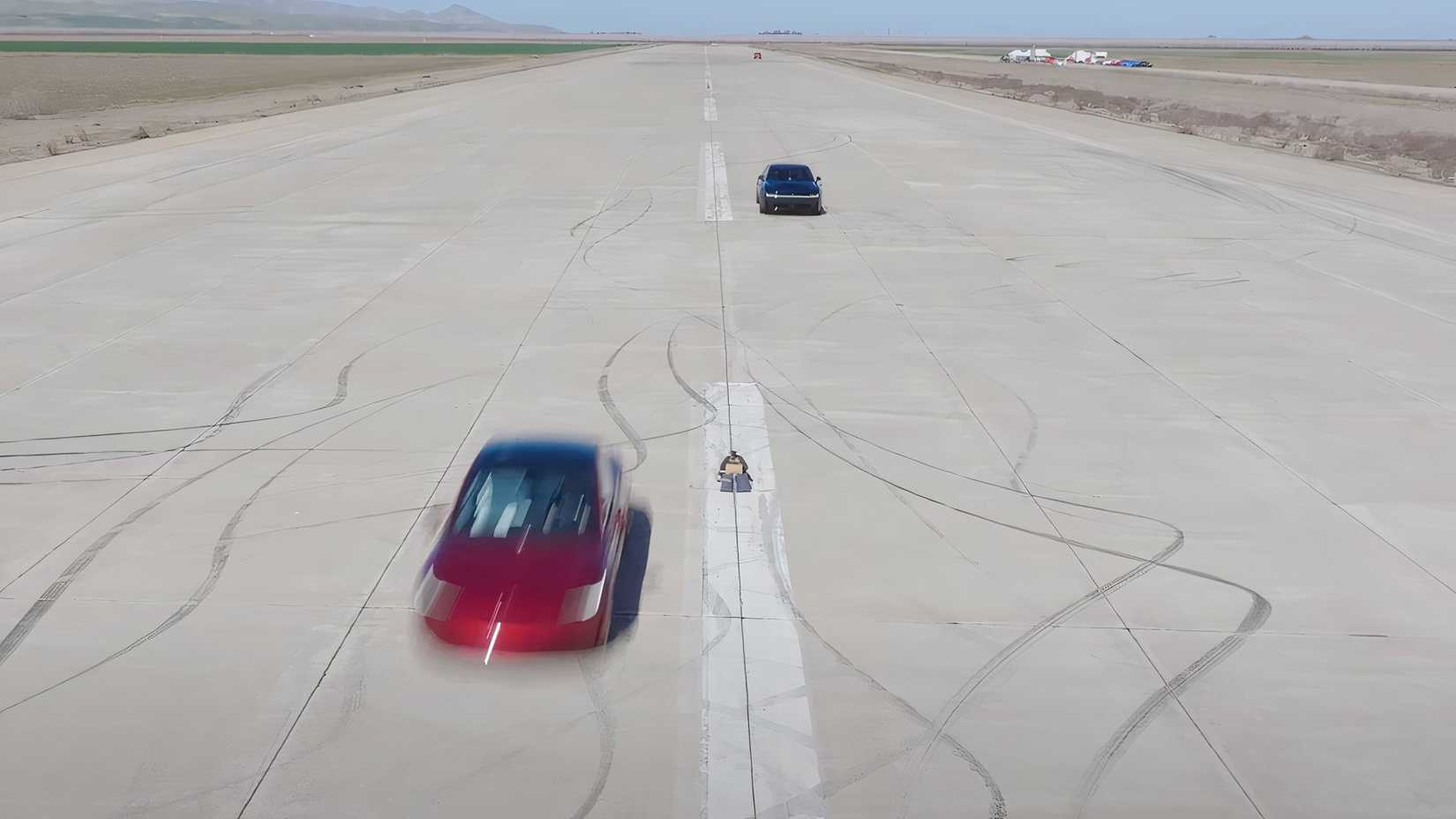
Dodge Charger EV Drag Races Tesla Model 3 PerformanceEdmunds Cars
At first glance, 0-60 in under 3 seconds may seem gimmicky, but car enthusiasts will tell you it’s a legitimate benchmark. In the past, achieving 0-60 in under 3 seconds required a lot of horsepower and a dual-clutch transmission, without carrying too much weight around the hips, so to speak. And as for the driver, deep pockets.
But then electric motors showed up, able to produce maximum torque from a standstill and giving them a significant advantage over old-school performance cars in acceleration tests. The real question for enthusiasts then is simple: which car can you actually buy today that delivers this kind of performance without costing a fortune?
Tesla Model 3 Performance — The Everyday Supercar
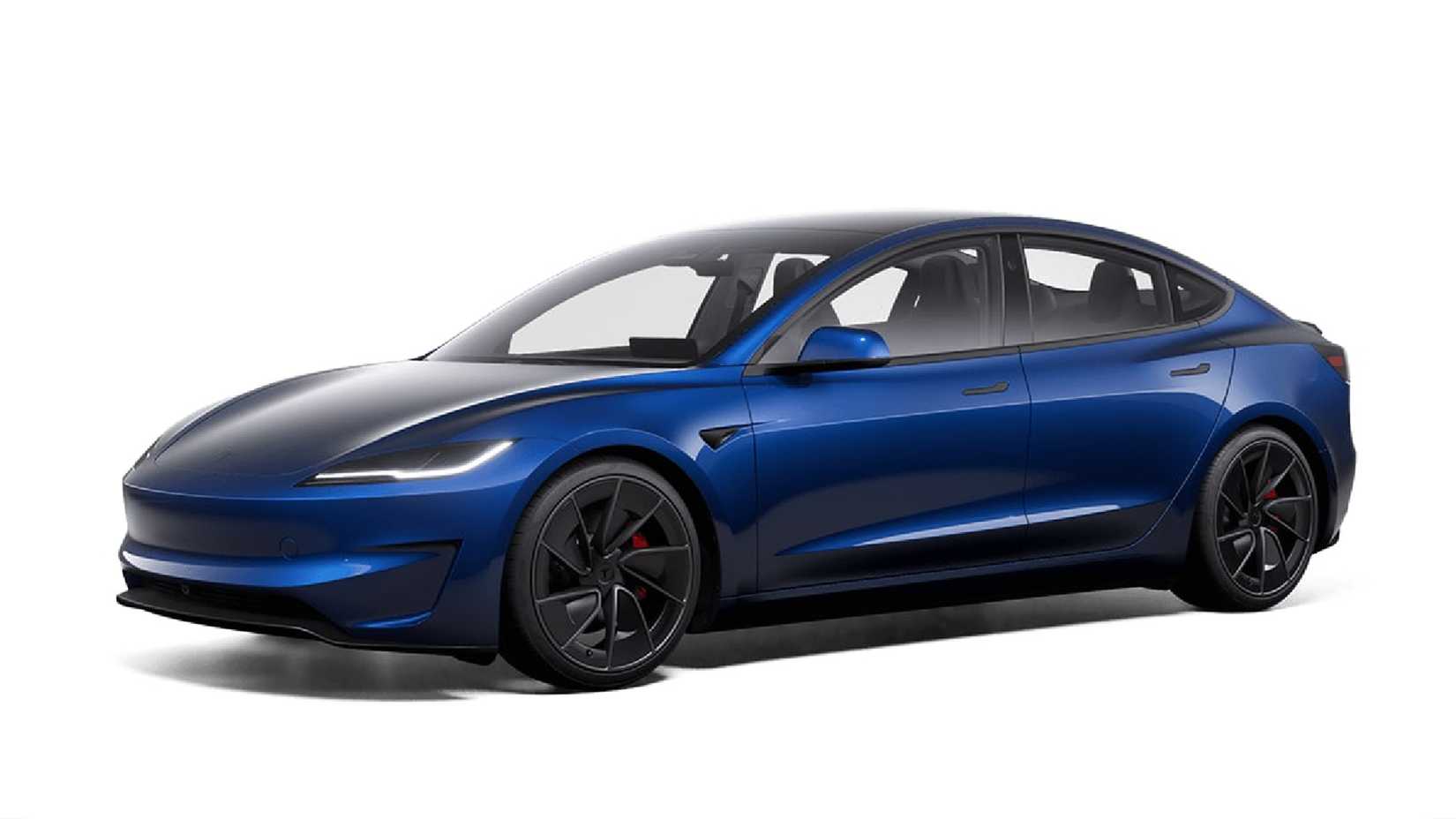
2025 Tesla Model 3 Performance Front Three QuarterVia: Tesla
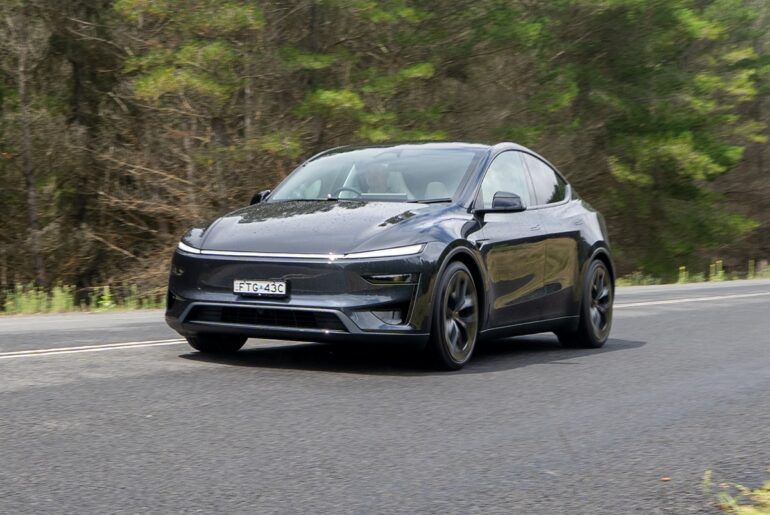
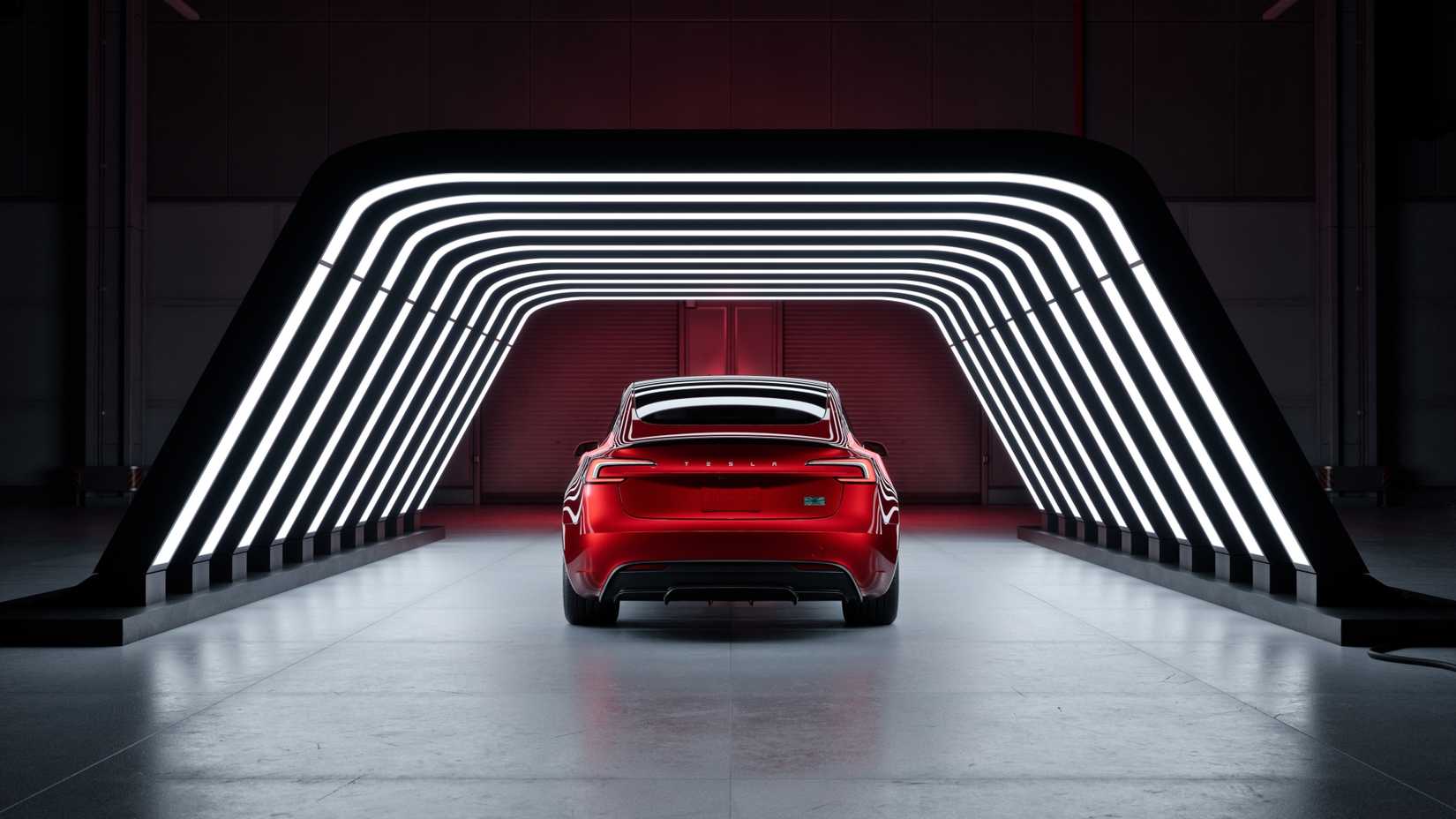
The days of having to fork out six-figure sums for almost hypercar-level performance have long gone, with Tesla changing the rulebook. The Model 3 Performance is not just another electric car — it’s arguably the most affordable car you can own that can actually achieve sub-3-second 0-60 mph times.
The Performance model, as its name suggests, ups the ante from the standard version thanks to a dual motor setup that makes about 460 horsepower. While this may not seem much on paper, that power is delivered instantly and evenly to all four wheels. Unlike traditional and more modern engines, which have to build revs, shift through gears and overcome turbo lag, the Tesla Model 3 Performance produces maximum torque from zero rpm, meaning there’s no delay between input and delivery. As a result, a Model 3 Performance is able to sprint to 60 mph in 2.9 seconds, before reaching its top speed of 163 mph.
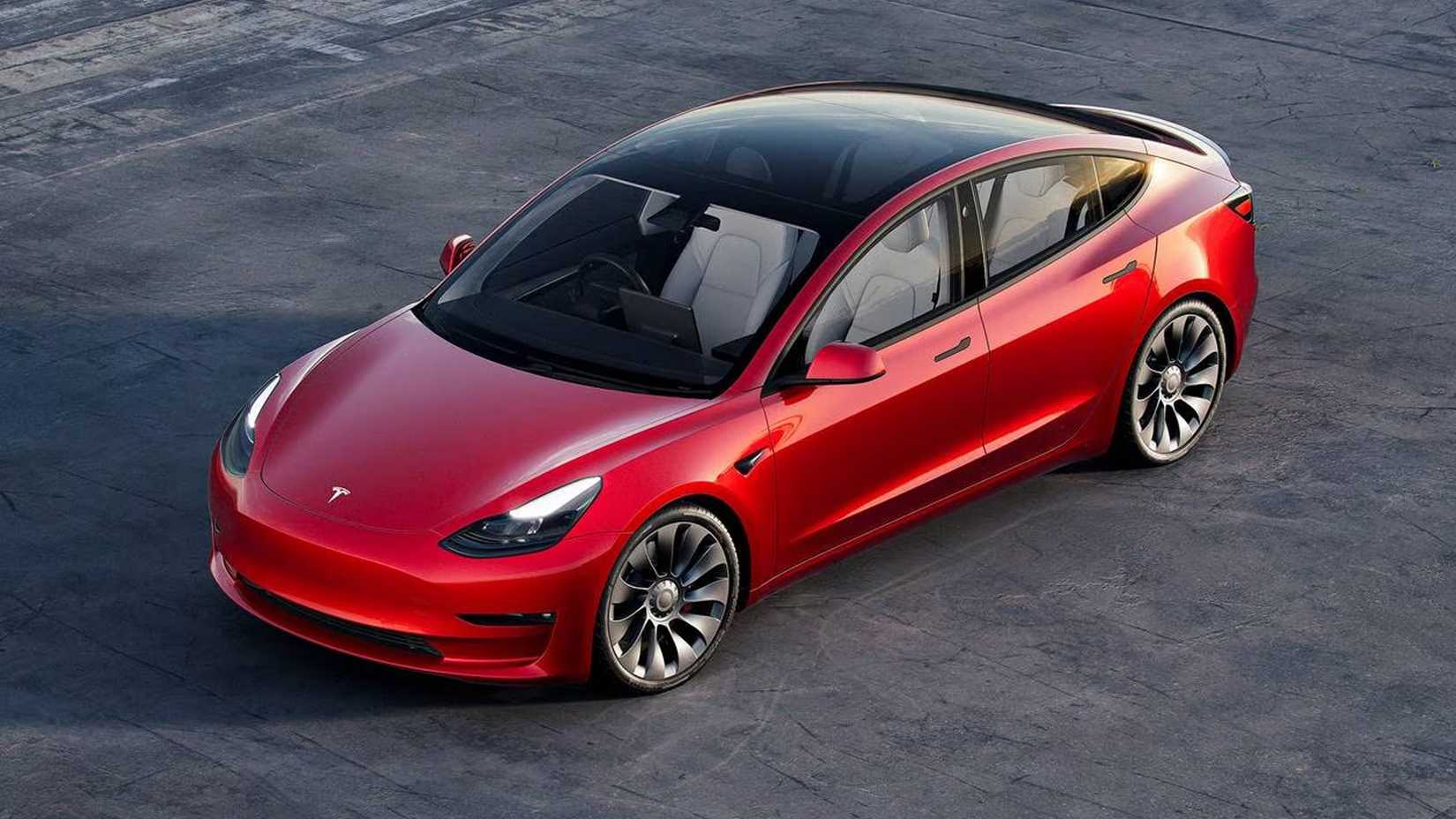
front quarter shot of a red 2023 Tesla Model 3 Performance parkedTesla
In other words, you don’t need insane 1,000+ hp performance to feel supercar or even hypercar acceleration. Instead, the electric drivetrain does the heavy lifting, turning modest horsepower into a jaw-dropping sub‑3-second dash. And since it’s a sedan, one won’t have to sacrifice practicality and everyday usability, either.
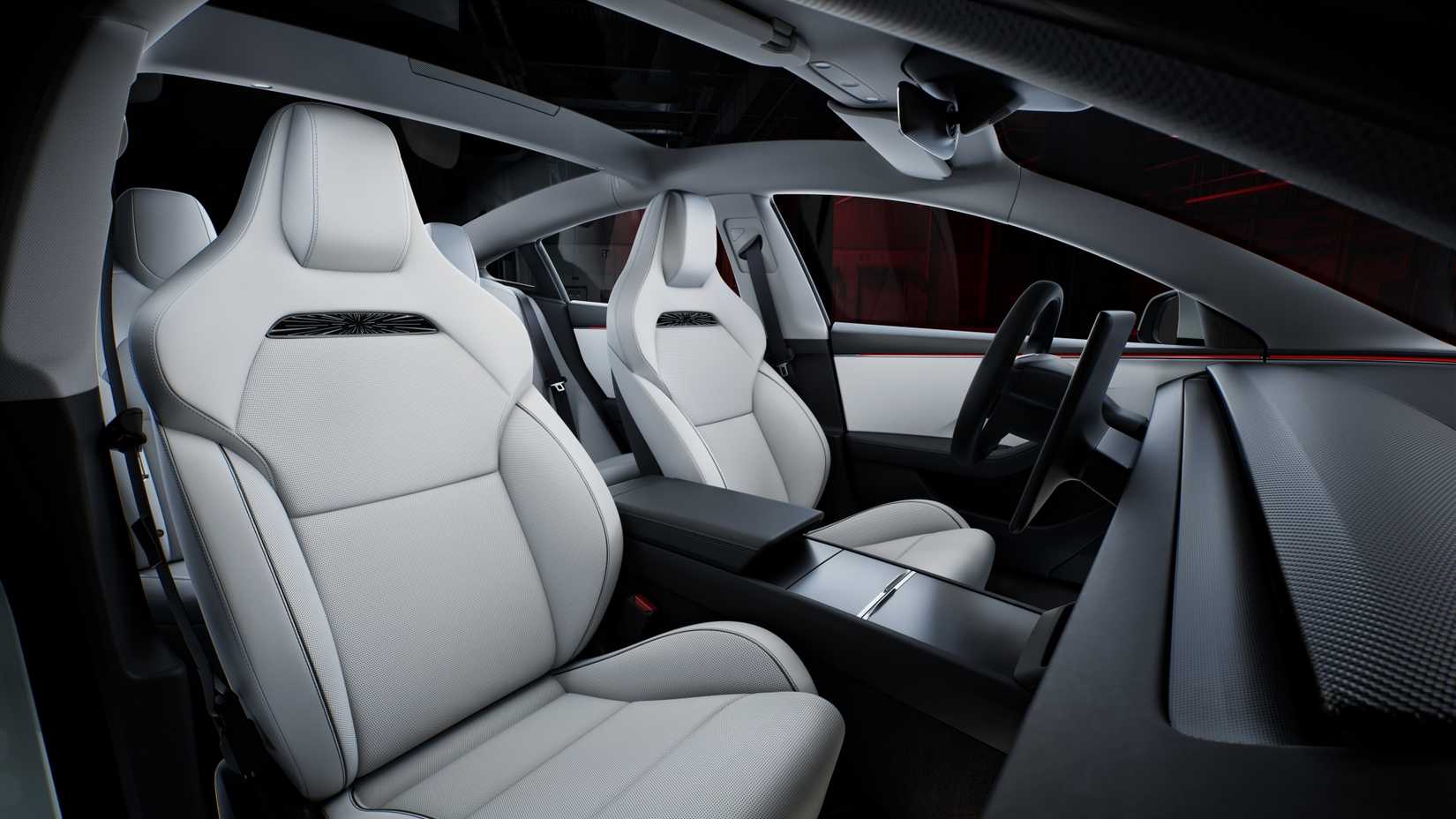
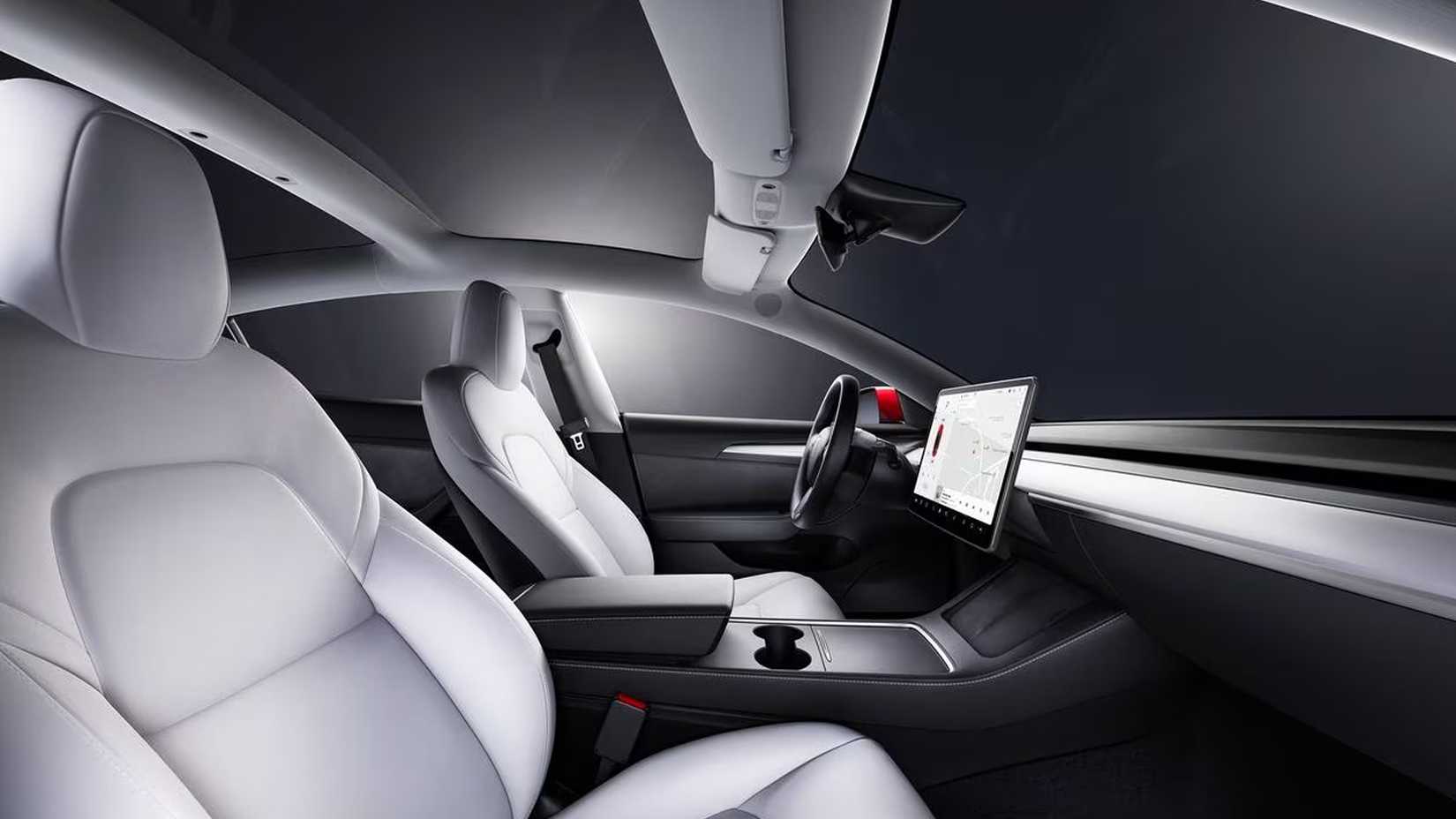
In addition to the performance on tap, the Model 3 also boasts an ultra-minimalist cabin with all the car’s features operated via a spacious infotainment screen mounted on the dash, as well as an array of advanced semi-autonomous driving aids that have since become synonymous with the brand.
Tesla Model 3 Trim Comparison
Trim
0‑60 mph Time
Typical Price (U.S.)
Range (EPA est.)
Notes
Model 3 RWD (Standard/Base)
5.8s
$35,000–$45,000 (used)
270–300 mi
Entry‑level trim with rear‑wheel drive; best value but much slower acceleration
Model 3 Long Range AWD
4.2s
$35,000–$40,000+ (used)
330–350 mi
Dual‑motor AWD with better range; faster than base but not close to Performance
Model 3 Performance
2.9s
$30,000–$50,000+ (used)
300–315 mi
Dual‑motor with upgraded hardware, brakes, suspension, and track‑focused setup
Charging Your 3 Second Car
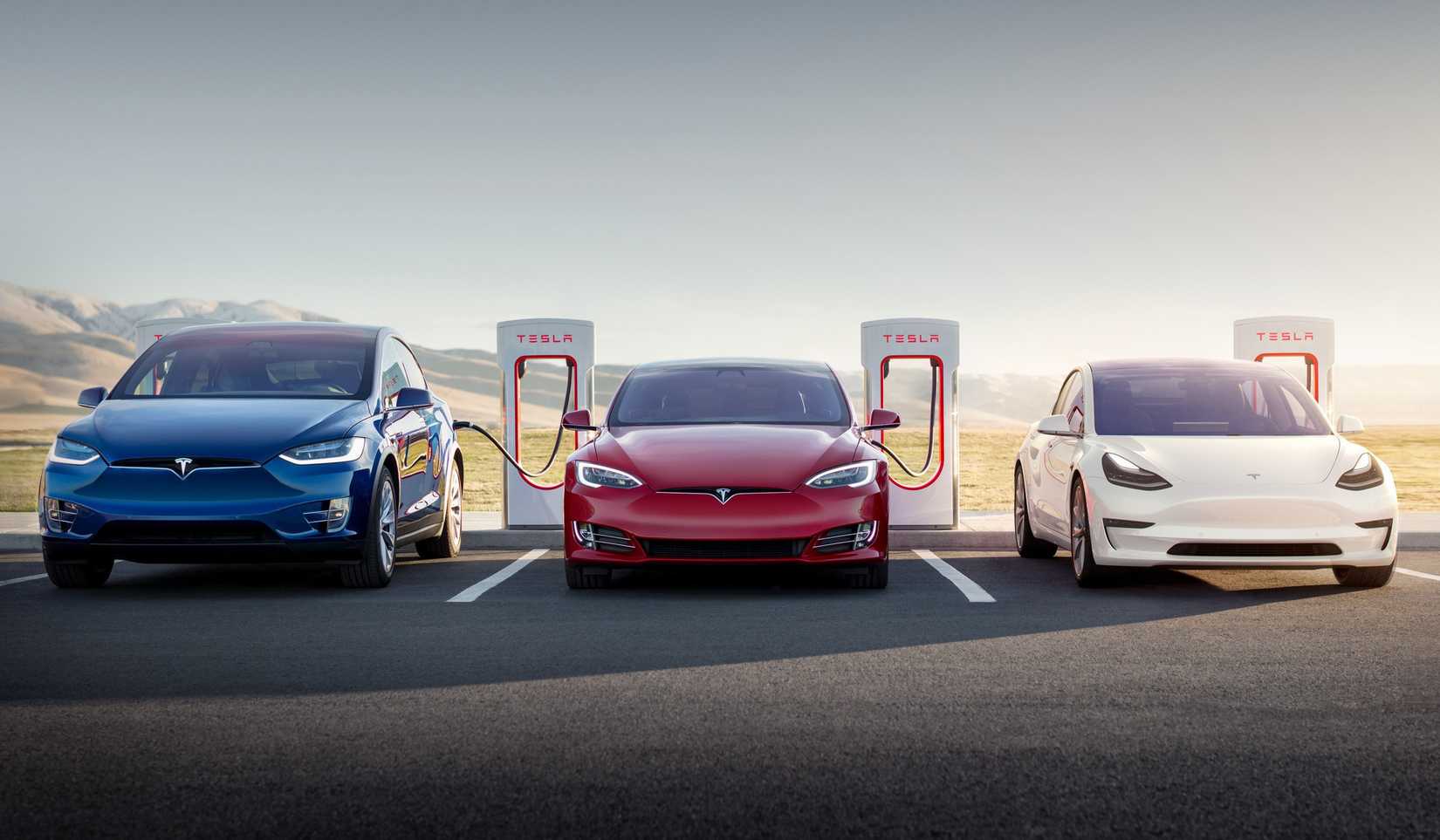
A front-angle shot of the Tesla Model S, Model X, and Model 3 parked outdoors and charging.Tesla
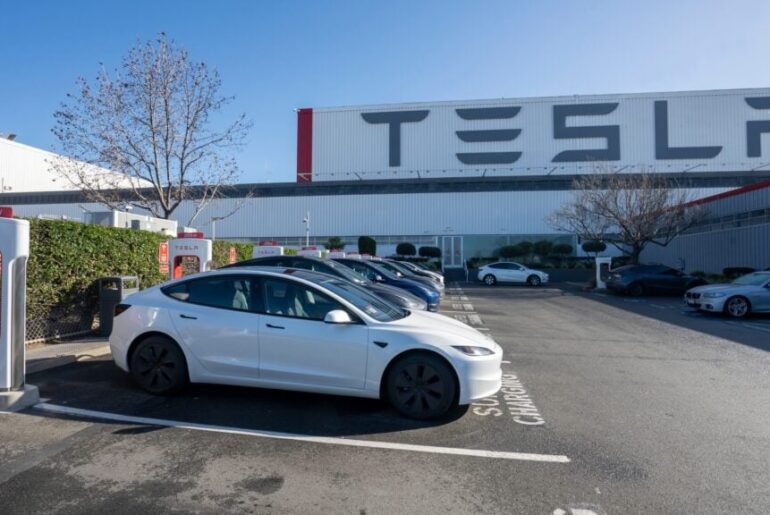
Range is impressive too. With an approximate 82 kWh lithium-ion battery, the car has an EPA range of 300 miles when fully charged depending on driving conditions, and can support fast-charging speeds of up to 250 kW. As a result, a Model 3 Performance can gain up to 175 miles in 15 minutes via a rapid public charger.
As of 2025, this is supported by Tesla’s Supercharger stations across the United States, which make up a significant portion of the country’s fast‑charging infrastructure — roughly 61 % of all DC fast chargers nationwide. Among Tesla’s charger network, reliability is a standout feature too, with Superchargers ranking highly in reports such as Vecharged’s “Public EV Charger Reliability Report,” where they scored a 91 out of 100 — significantly higher than most other charging stations.
Supercar Speed, Attainable Used-Car Money
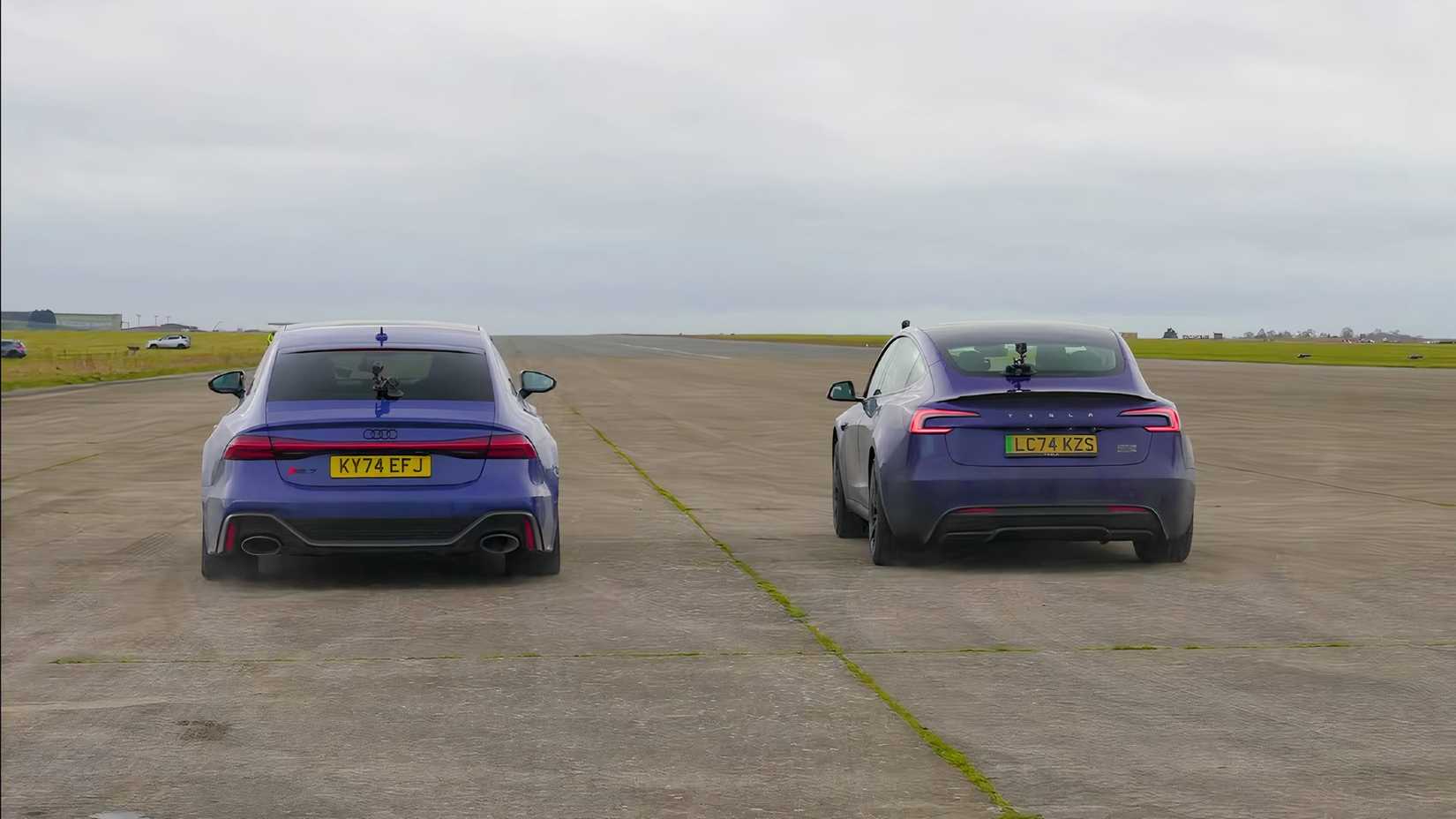
Audi RS7 Performance vs Tesla Model 3via carwow YouTube
Driving a sub-3-second car has meant, in the past, either buying a brand-new model and suffering the almost inevitable depreciation which follows, or going for an older car that is less reliable. But with the Model 3 Performance, a used model won’t require having to accept any of these drawbacks and compromises.
According to the latest available figures from J.D. Power’s used pricing data, the average amount people are shelling out for a used 2023 Tesla Model 3 Performance is around $31,870. This is based on dozens of real dealer sales and is down significantly from the original base MSRP range, which was $54,990 to $56,380 (excluding destination and fees).
Of course, if you look online, you can find used prices varying wildly depending on the model year, mileage, and, in the case of an electric vehicle, battery health. At the time of writing, some used Model 3 Performances can be had for anywhere from $14,000 for high-mileage early models, to $54,000 for near-new vehicles. And it seems recent models can be had for less than sticker price, too. For example, this used 2024 Model 3 Performance was sold at auction in late 2024 for around $46,763.
The reasons behind these pricing dynamics are twofold. First off, there are an awful lot of used Model 3 Teslas floating around, seeing as they’ve been on sale since 2018. And when there’s more supply outpacing demand, there tends to be a drop in prices. And, sure enough, the used inventory of Teslas is way up — a 48% increase year over year. Secondly, Tesla’s been cutting prices on new cars too, and the shifting with the federal EV tax credits have also affected new and used prices.
Price Comparison: What Else Does Sub‑3 Seconds Cost?
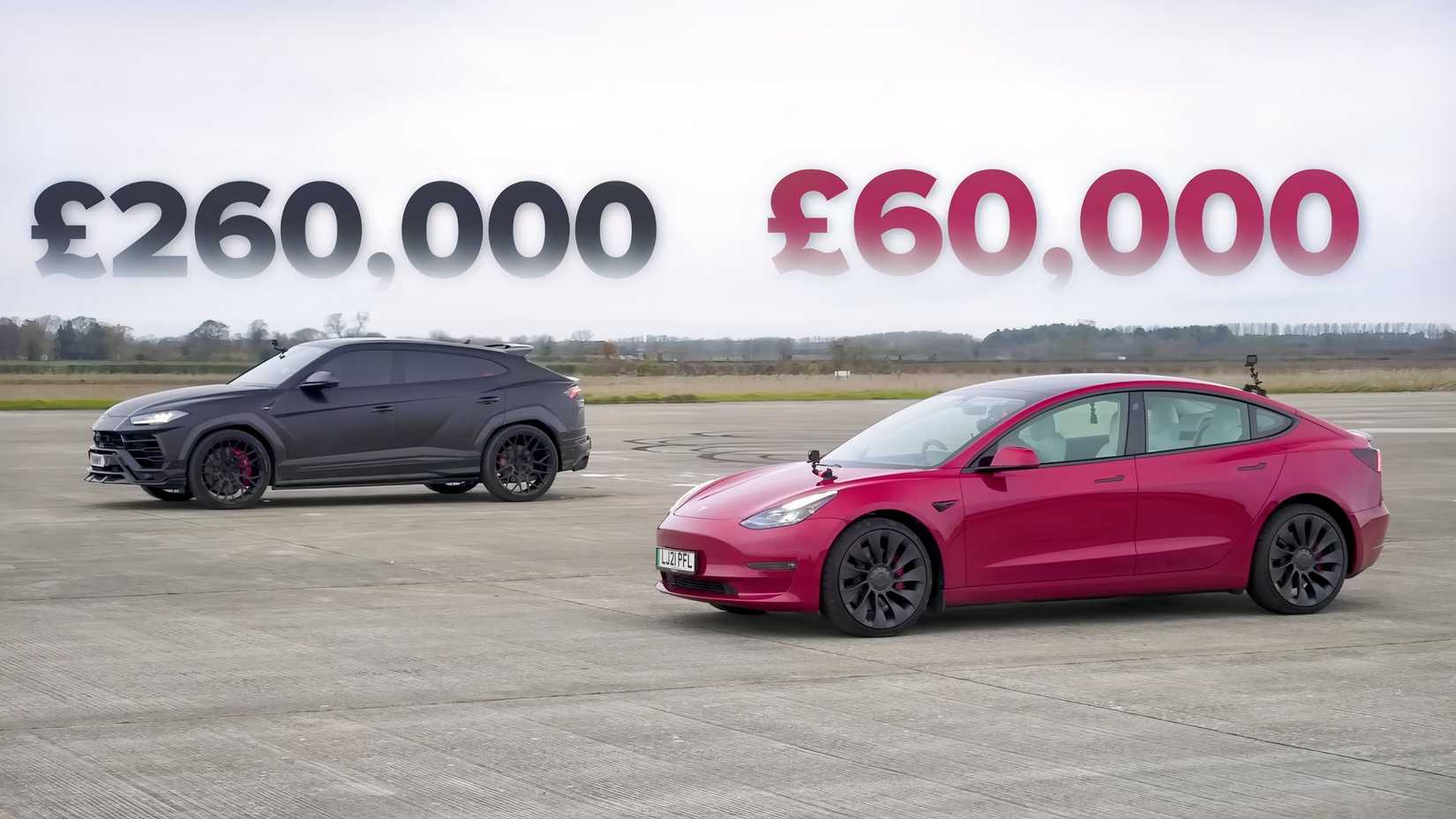
Drag race of Tesla Model 3 Performance and Lamborghini Urus SUVCarwow (YouTube)
The lightly used Model 3 Performance isn’t just quick; it’s remarkably affordable once you look at other cars that can hit 0-60 in under three seconds. Most of these cars are six-figure rides, many of which require a significant maintenance budget and a deep wallet.
From Germany, there is the Porsche 911 Turbo S 992. These make 640 horsepower, feature all-wheel drive, and a sprint from 0-60 in 2.6 seconds. With the extra power and a rapid dual-clutch auto, its old-school setup is one of a few which can still throw a decent punch against the Tesla’s dual motors. However, the average U.S. retail price for a 2023 example is around $266,551, with 2021 and 2019 models still averaging roughly $238,730 and $184,922, respectively.
Tesla
From Japan is of course, the formidable Nissan GT-R Nismo (R35, 2020-2021). Like the Tesla, it punches above its weight, achieving 0-60 mph in 2.9 seconds. But, current used listings show examples often well above $175,000, while others approach or exceed $290,000, depending on mileage and year, in addition to a significant maintenance budget.
There are also many American cars that can reach 60 in under 3 seconds, such as the Chevrolet Corvette Z06 (C8, 2023). It does 0-60 in 2.6 to 2.7 seconds, and is more closely priced on the used market, most still rarely go for less than 95,000 dollars.
In each of these examples, a used version is still significantly more expensive than the average used price of the Tesla Model 3 Performance, and yet the acceleration is very similar, or the same.
Performance Table
Model
Approx 0-60 mph
Typical U.S. Used Price
Notes
Tesla Model 3 Performance (2023)
2.9 s
$31,870 average
Genuine sub‑3 s without supercar price
Porsche 911 Turbo S (992)
2.6–2.7 s
$266,551 average
Premium sports car – much pricier
Nissan GT‑R (R35)
2.7‑2.9 s
$116,931 average
Godzilla performance but high used pricing
Corvette Z06 (current)
2.6 s
$100,000–$120,000
Competitive pace, still far out of Model 3 price range
Related
10 Expensive Supercars That Were Slower Than A Tesla Model 3
The $47,000 Model 3 Performance accelerates form 0-60 in 2.8 seconds, and these expensive supercars can’t match its pace.
Ownership Considerations & Why It’s A Smart Performance Buy
Tesla
Having a Tesla Model 3 Performance isn’t just about the numbers. It’s about the overall experience of living with it, and as with any car, petrol or electric, there are a few things to be mindful of ahead of any money exchanging hands.
Battery & Warranty
One of the positives of the Tesla Model 3 Performance is the warranty offered by the manufacturer. For the battery and drivetrain, the warranty lasts around eight years or 120,000 miles.
Since the battery is the most expensive part of an EV, Tesla’s warranty is not just a bonus feature but also can potentially save thousands of dollars in the real world. Replacing the full high-voltage battery pack of a Tesla Model 3 is not cheap. Parts alone are currently estimated to be between $7,000 and $12,400. Adding labor costs, the total cost of replacing the battery pack of a Tesla Model 3 out of warranty can be between $15,000 to $22,000, though battery replacements for modern Tesla models are rare.
Still, enthusiast reports suggest that batteries often retain the bulk of their capacity long term, but range can fall noticeably over several years depending on usage and charging habits — something buyers should factor in when considering higher‑mileage examples.
side view of a black and white 2023 Tesla Model 3 Performance InteriorTesla
Maintenance & Running Costs
A significant portion of the fun in owning an EV is the fact that there are simply fewer components to worry about replacing than there are in a conventional gas-powered supercar, and exclusive features can help extend long-term durability. The Model’s 3 advanced regenerative braking system, for example, can extend the life of brake pads and rotors.
Of course, in terms of performance tires and wheel alignment, there can be additional expense, particularly in terms of torque-heavy launches, as compared to a conventional sedan.
Insurance
While insuring a Performance-spec Model 3 can be more expensive than a standard Model 3, it is much less expensive than insuring conventional sub-3-second sports cars like a Porsche 911 Turbo S or a Nissan GT-R Nismo. Not only is the base price of the Model 3 lower than that of the other two sports cars, but it has also consistently earned top marks in independent crash tests. The IIHS has repeatedly named it a “Top Safety Pick+”, recognizing excellent performance in frontal, side, and rollover impacts as well as advanced crash‑avoidance systems.
Instant Torque, Real-World Value
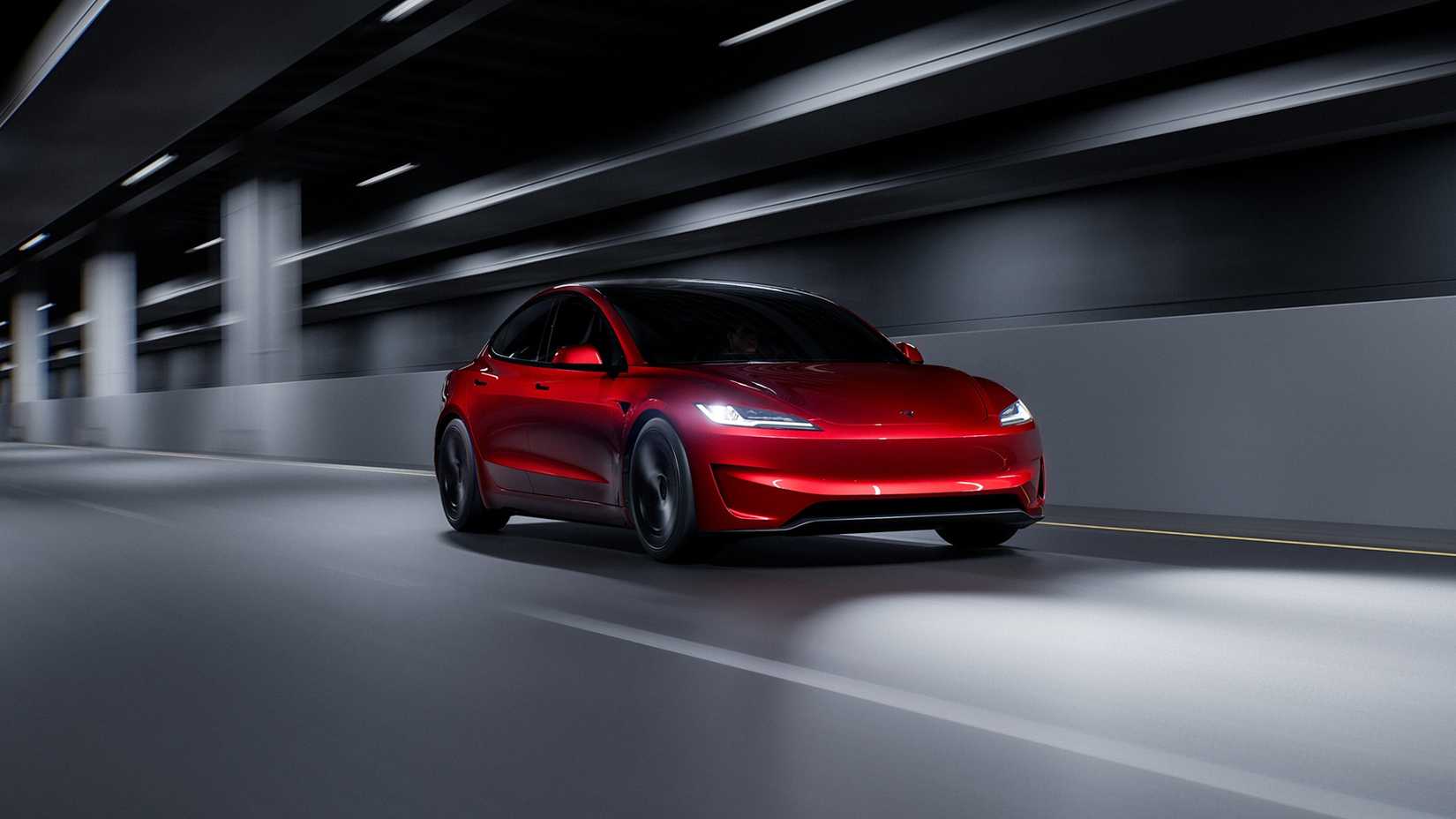
2025 Tesla Model 3 Performance Red Front Angle DrivingTesla
So, for those who want the thrill of a supercar but without the sky-high price tag, the Tesla Model 3 Performance offers a unique combination of speed, practicality, real-world usability, and affordable maintenance. It accelerates quicker than most cars on the road, and enjoys a broad Supercharger infrastructure, to boot. Consider the affordable used car market, and it appears an attainable proposition for a sub-three second sprint to 60 – provided you can look past its rather understated look. It may not shout about its performance, but when the lights go green, it absolutely delivers.
Sources: Tesla, KellyBlueBook, J.D Power, recurrentauto, iihs.org, Vecharged