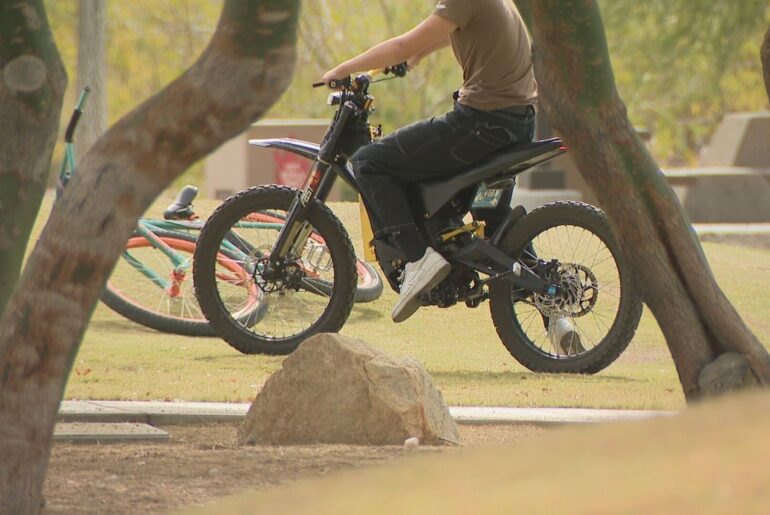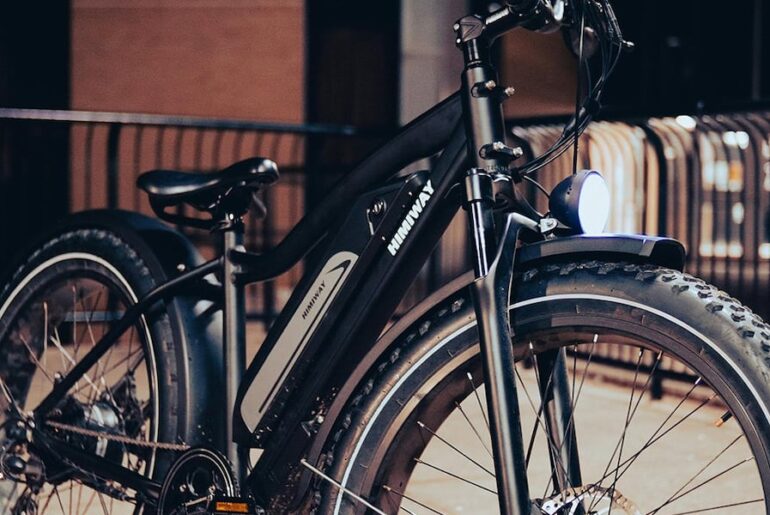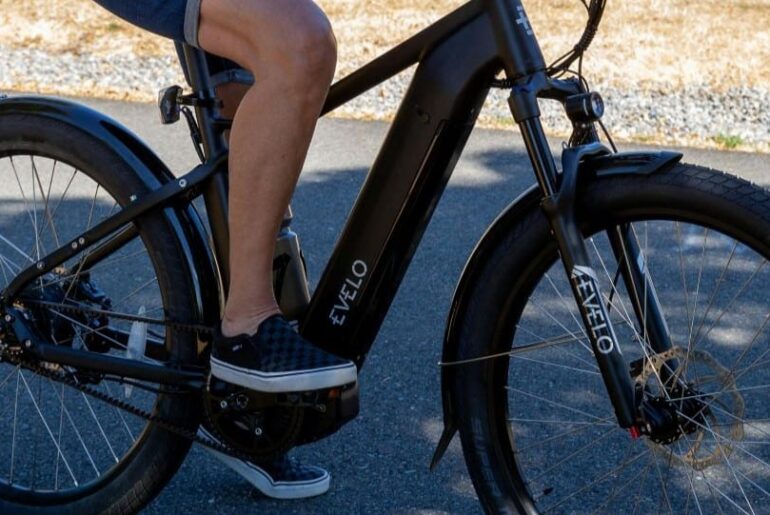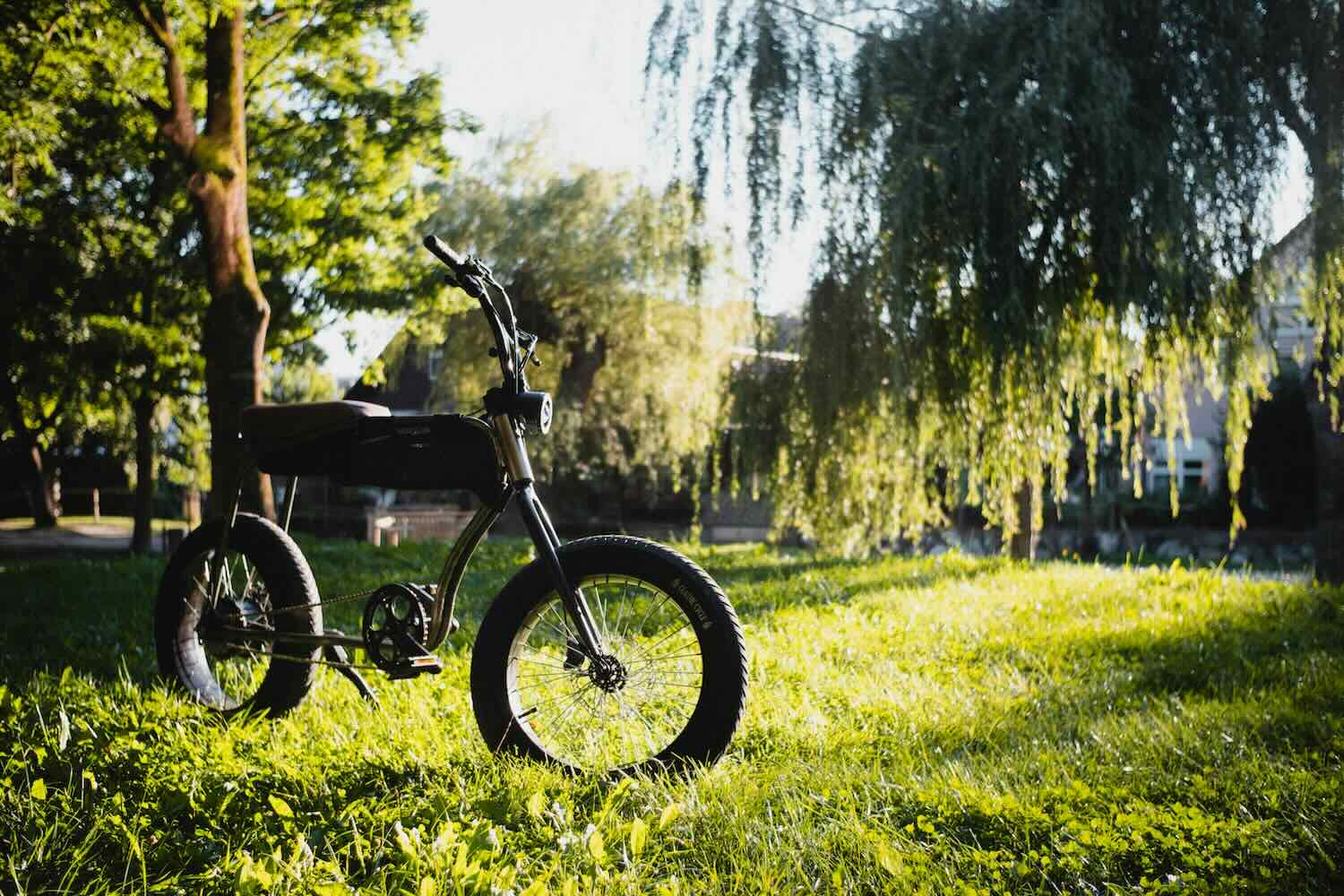
Queenslanders are going to have to stock their pantries or get used to leftovers for dinner. In a move that could have been dreamt up for a joke in the Betoota Advocate, The Guardian reports that the Queensland parliamentary inquiry into bike safety will report early and recommend that children under 16 be banned from riding e-bikes, and that adults will need a driving licence to ride one.
Leaving aside the fact that closing an inquiry early stifles the rights of Queenslanders to participate in what should be an open democratic process—a process where the representatives of the people enquire into an issue, solicit a broad range of factual evidence and opinions to develop a view of how to develop fair and sensible policy.
Let us consider the consequences. I’ve already written about how restricting the availability of safe personal mobility devices will deny kids the opportunity to form good active travel habits. But let’s imagine a future where licensing is a requirement to ride a legal e-bike. E-bikes are an essential form of transport for many Australians, including my family.
While we both have driving licences, very little of what we were trained in has anything to do with the safe operation of a two-wheeled vehicle, let alone a bicycle. Both of our licences were obtained in different jurisdictions with different road rules. It was also an expensive process to obtain those licences – we had to have access to a car for starters.
The rumoured proposal is that bicycle riders be asked to obtain a car learner’s licence and pass the road rules test. I have not taken the Queensland road rules test, and my memory of the Victorian one I had to take when I converted my licence to an Australian one is hazy, but I do not recall there being much about the safe handling of a bicycle, making clear hand signals, and how to ride safely and defensively around car drivers who ignore bike boxes, cycle lanes, are distractedly waving their mobile phones in one hand, drinking a coffee with the other, and steering with their knees.
I think that the Queensland parliament does not fully understand the consequences. Licensing will be a barrier to people accessing e-bikes and a barrier to taking up the gig-economy jobs we all have come to rely on. Our food orders arrive by bicycle, our last-minute groceries arrive by bicycle.
Adding barriers to people, often immigrants and students, from accessing these jobs and the tools of the trade to do these jobs will restrict supply of delivery workers and push up prices for consumers. Delivery services will rely more on cars and vans, increasing congestion and air pollution.
Back in the UK, cycling proficiency training was often a part of the school curriculum, and still is in many parts of the country. Encouraging active transport and liberating people from a lifetime burden of car ownership should start in schools. Every child in Australia needs to be offered the chance to walk, cycle, or scoot safely to school. The benefits will be immediate: lower congestion at the school gates, better air quality around schools, fitter, happier, healthier, and more engaged students.
Australia has a bizarre attitude towards cycling and active transport. Instead of embracing the massive benefits to public health, air quality, congestion, and urban life, Australia sees cycling as a minority sport practised by middle-aged men in lycra, or a public menace to be policed.
I will leave you with this: the Bureau of Infrastructure and Transport Research Economics (BITRE) Australian Road Deaths database records 58,284 deaths since data was first collected in 1989. 9,637 of these tragic fatalities were pedestrians and 1,548 were pedal cyclists. Not a single fatality in the Australian Road Deaths Database involves a collision between a pedestrian and a cyclist alone.
This is not because such incidents never occur, but because collisions between vulnerable road users are rarely captured unless a motor vehicle is involved. As with everything involving active transport in Australia, there is no empirical evidence on which to make sound policy decisions. If the Queensland parliamentary inquiry was in any way inquisitive, it might want to inquire into why that is.
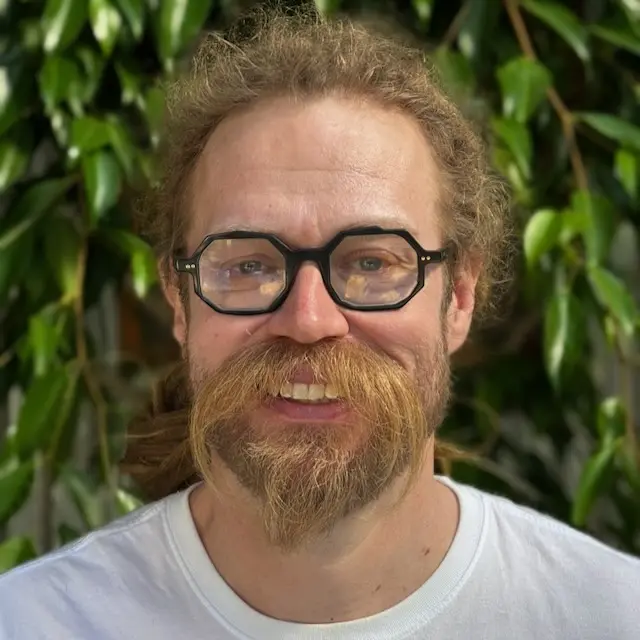
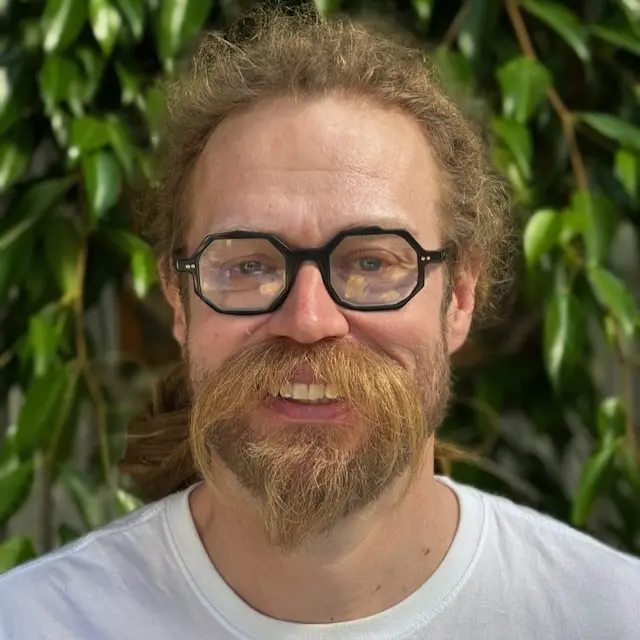
Ed Lynch-Bell is Principal at Second Mouse, dedicated to building more sustainable energy tech and mobility products, services and businesses. Ed is also a co-host of EV Meetup, bringing the e-mobility industry together across Australi. The next EV Meetup is Thursday March 5th in Sydney.