### The Seamless Link
This strategic repricing by Ola Electric aims to redefine the entry-level motorcycle segment, positioning electric variants as the “smart default” rather than a premium niche. By bringing electric motorcycles to parity with popular petrol-powered options, the company seeks to dismantle perceived cost barriers and rapidly expand its market share.
### The Core Catalyst
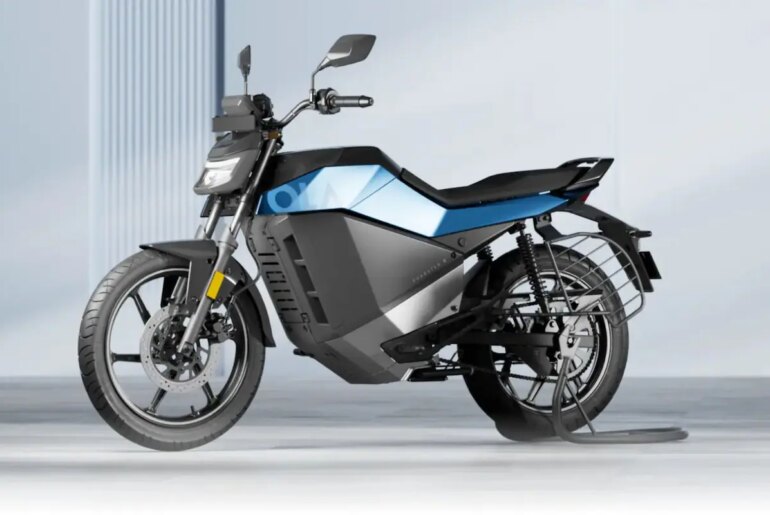
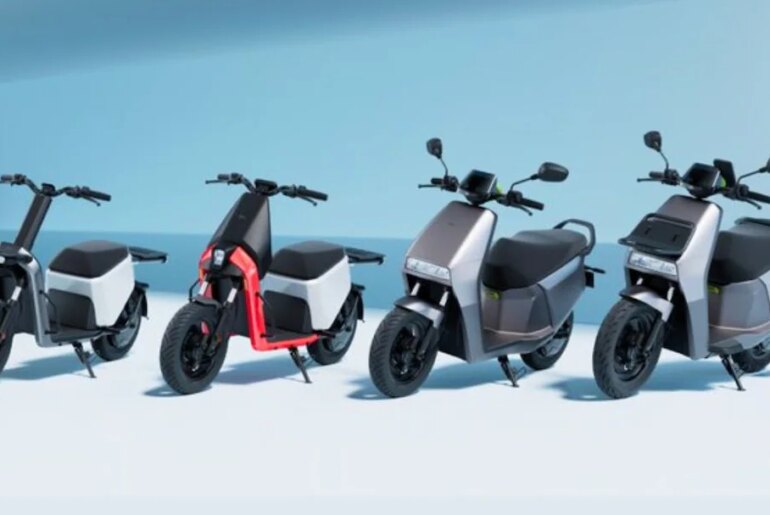
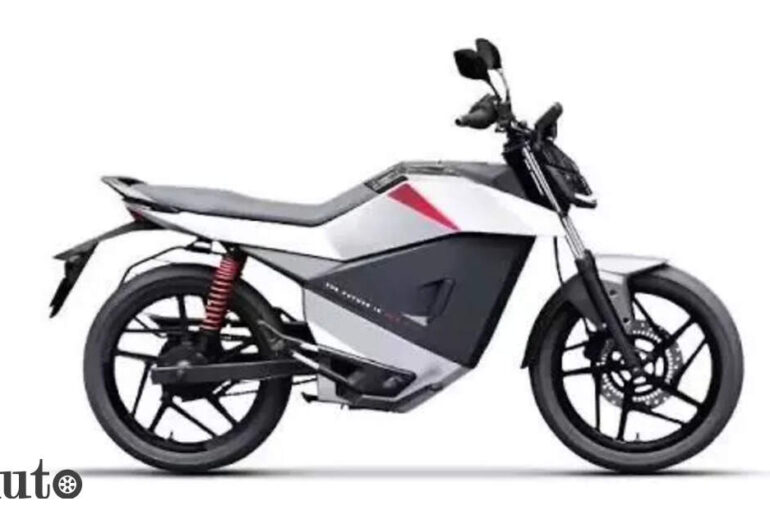
Ola Electric’s ‘Holi Mahotsav’ campaign features aggressive price reductions across its Roadster lineup. The Roadster X models are now priced at ₹79,999 (2.5 kWh), ₹92,999 (3.5 kWh), and ₹99,999 (4.5 kWh). The Roadster X+ variants are available for ₹1,09,999 (4.5 kWh) and ₹1,89,000 (9.1 kWh). [cite: provided] This pricing directly targets the entry-level ICE motorcycle segment, which typically ranges from ₹60,000 to ₹90,000, offering competitive performance and features at a comparable cost. For instance, the Ather 450X and Simple Energy One Gen 2 scooters, comparable electric alternatives, are priced significantly higher, with the Ather 450X ranging from approximately ₹1.49 Lakh to ₹1.79 Lakh, and the Simple Energy One Gen 2 between ₹1.39 Lakh and ₹1.69 Lakh. Ola Electric’s previous market dominance in 2022-2024, driven by aggressive pricing of its S1 Pro, saw its sales plummet by approximately 51% in 2025, dropping to fifth place in sales volume by November. While December 2025 showed a modest 7.4% year-on-year increase for Ola Electric, this aggressive new pricing will be a crucial test of its ability to regain lost ground against competitors like TVS Motor Company, which emerged as the market leader in 2025.
### The Analytical Deep Dive
The Indian two-wheeler market is undergoing a significant shift, with electric two-wheelers (e2Ws) accounting for approximately 6.3% of total sales in 2025, a slight increase from the previous year, reaching about 1.28 million units. This growth has been heavily supported by government subsidies, such as the PM E-Drive scheme, which provides purchase incentives. However, these subsidies are scheduled to end on March 31, 2026. The impending withdrawal poses a substantial risk, potentially increasing the effective on-road price of EVs by ₹6,000-₹12,000 and moderating near-term demand, as manufacturers have limited room to absorb the cost impact. Beyond pricing, broader challenges like inadequate charging infrastructure and range anxiety persist, although the market has moved beyond early adoption phases.
### The Forensic Bear Case
Ola Electric’s financial health raises serious concerns. Despite generating revenue of ₹4,930 Crore as of March 31, 2025, the company has consistently reported substantial losses, with a net income of negative ₹1,584 Crore for FY24 and negative operating and net margins of -80% and -85% respectively. While gross margins remain healthy at 26%, the deep operating losses suggest that current pricing models are unsustainable. This aggressive pricing strategy, especially for the Roadster models, appears to prioritize market share acquisition through volume over profitability. This is particularly risky as the company prepares for a potential IPO, a move that will necessitate demonstrating a clear path to profitability. Furthermore, the company’s sales experienced a significant downturn in 2025, highlighting a vulnerability to market shifts and competitive pressures. The reliance on price cuts, rather than technological differentiation or superior operational efficiency, could lead to a margin-eroding price war with both ICE manufacturers and other EV players. The phased withdrawal of government subsidies adds another layer of risk, potentially impacting affordability for price-sensitive buyers and further pressuring Ola Electric’s ability to achieve profitability.
### The Future Outlook
Ola Electric has signaled ambitions for an Initial Public Offering (IPO), having raised significant funding rounds previously. However, the current pricing strategy and persistent financial losses present a challenging narrative for potential investors. The company faces the dual task of capturing market share through aggressive pricing while simultaneously navigating the complex path toward profitability. Without a demonstrated ability to generate sustainable margins, the long-term viability of this pricing strategy remains in question, especially as the market matures and faces the removal of crucial government support. Manufacturers like TVS Motor and Bajaj Auto are also strengthening their EV portfolios, adding to the competitive intensity.
Disclaimer:This content is for educational and informational purposes only and does not constitute investment, financial, or trading advice, nor a recommendation to buy or sell any securities. Readers should consult a SEBI-registered advisor before making investment decisions, as markets involve risk and past performance does not guarantee future results. The publisher and authors accept no liability for any losses. Some content may be AI-generated and may contain errors; accuracy and completeness are not guaranteed. Views expressed do not reflect the publication’s editorial stance.