The cost of gas in the U.S. consistently dropped throughout 2025, but remains relatively high on the West Coast and in some East Coast states. Regardless, many consumers are taking a second look at going electric. After all, electric vehicles (EVs) cost more up front, but they pay you back over time with lower ownership costs and exactly zero trips to the gas station — right?
EVs certainly can make financial sense for some drivers, but there are a lot of hidden costs that industry marketing glosses over.
“There is a push for every driver to switch to electric, while almost every automaker has invested billions of dollars into expanding their electric vehicle lineups with hopes that you will make the switch,” said automotive expert Lauren Fix of Car Coach Reports. “Do the math and see what works best for you and your budget, and don’t be pressured into what may or may not work for you. A close inspection of the cost of an EV versus a standard car — the tax breaks, the maintenance, the fuel — may surprise you as to which is actually the better buy.”
Here are some of the hidden costs of EVs.
Find Out: How Do Car Title Loans Work? Pros, Cons, and Smarter Alternatives
Also See: 5 Signs You’re Losing Money Every Month — and How To Find the Leaks
EVs Still Cost Much More To Buy
The EV-ICE (internal combustion engine) price gap gets narrower every year, and experts predict that EVs will soon be cheaper to buy than comparable gas cars — but for now, electric cars still have higher MSRPs.
“Most EVs still have higher-than-average starting prices, discouraging plenty of cost-conscious buyers,” Fix said. “There are some lower-cost EVs like the Nissan Leaf, KIA Soul, Hyundai Kona and Chevy Bolt EV. But keep in mind that the average EV is much more expensive … Tax credits and gas savings can save you money. However, it’s going to take a few years to make up a potential difference.”
Most Drivers Will Change Cars Before an EV Pays Off
“A few years” might be an understatement.
A U.S. Department of Energy report found that, when factoring in the long-term ownership expenses, a small electric SUV costs $0.4508 per mile compared to $0.4727 per mile for a comparable gas car. That’s a difference of just $0.0219 per mile. The report concludes that it would take 15 years for the average EV to make up for its higher purchase price.
How many people do you know who keep their cars for a decade and a half? According to The Zebra, car owners keep their cars for about eight years on average.
Electricity Is Cheaper Than Gas, but It’s Hardly Free
The most compelling incentive to switch, of course, is fuel. Gas is much cheaper now than it was this summer, but it’s still more expensive than electricity. Still, it’s a mistake to consider switching without factoring in the considerable cost of charging.
“As the price of gasoline rises, so does the cost of electricity,” Fix said.
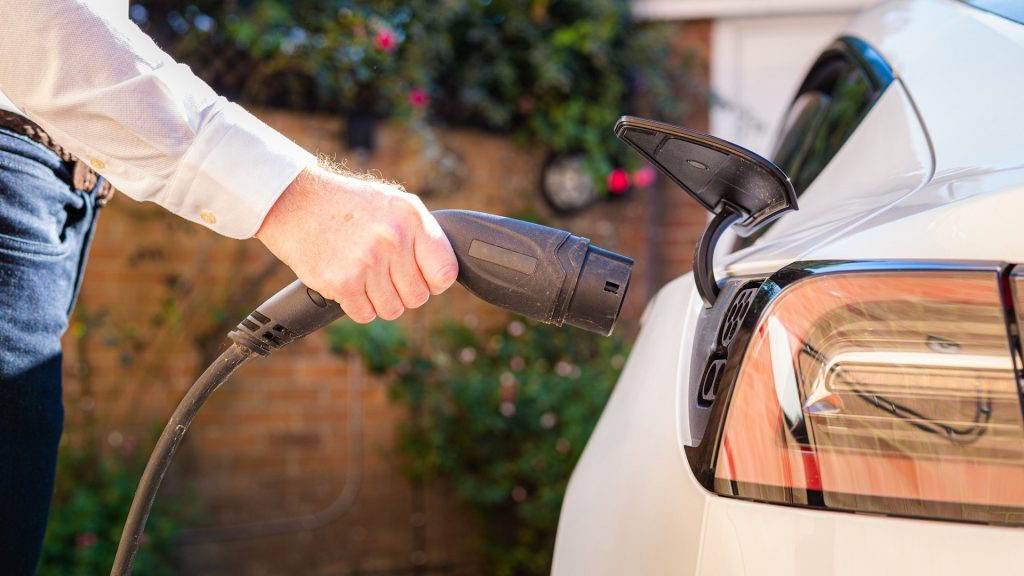
The average cost of gas per year for a gas-powered vehicle is around $1,716 per year, according to Kelley Blue Book. Electric vehicles do cost much less on average. Drivers spend about $674 a year on charging their vehicles. However, they have to figure in the cost of a home charging station, which can range anywhere from $400 to $2,000.
The Myth of a Maintenance-Free Vehicle
When you switch to electric, you leave behind the incredibly complex internal combustion engine and the many problem-prone parts that make it run — no tune-ups, no oil changes, no coolant flushes. But that truth has fostered a popular myth that says electric cars don’t require any professional upkeep.
“You’ll hear some people say there is no maintenance needed for an EV, but that is not true,” Fix said.
According to Kelley Blue Book, EVs have higher repair costs on average than gas-powered cars. Repairs for EVs cost $1,712 on average, while gas vehicles will cost $1,695. On the flip side, maintaining an EV is cheaper: on average, it’ll cost you $4,246 over five years of ownership. For gas-powered cars, maintenance comes in at $4,583 on average over five years.
EVs Are More Expensive To Insure
“Insurance is a big factor to consider,” Fix said.
On average, you’re looking at $337 to insure an EV. That figure can reach more than $500 per month depending on the vehicle. Gas-powered cars cost $304 at the higher end, and only about $223 per month on average.
The reason for this cost difference is because, as discussed above, EV repairs are more expensive. This is due mainly to the parts being harder to find and certain electric features not being common in all vehicles.
This article was provided by MoneyLion.com for informational purposes only and should not be construed as financial, legal or tax advice.
More From MoneyLion: