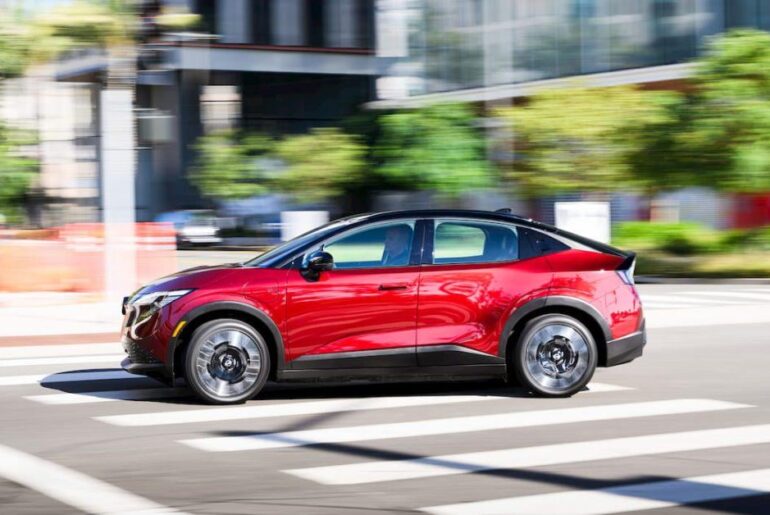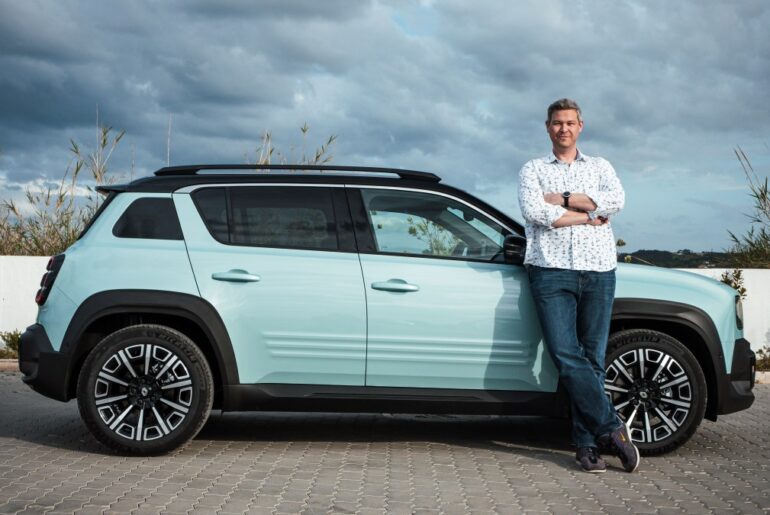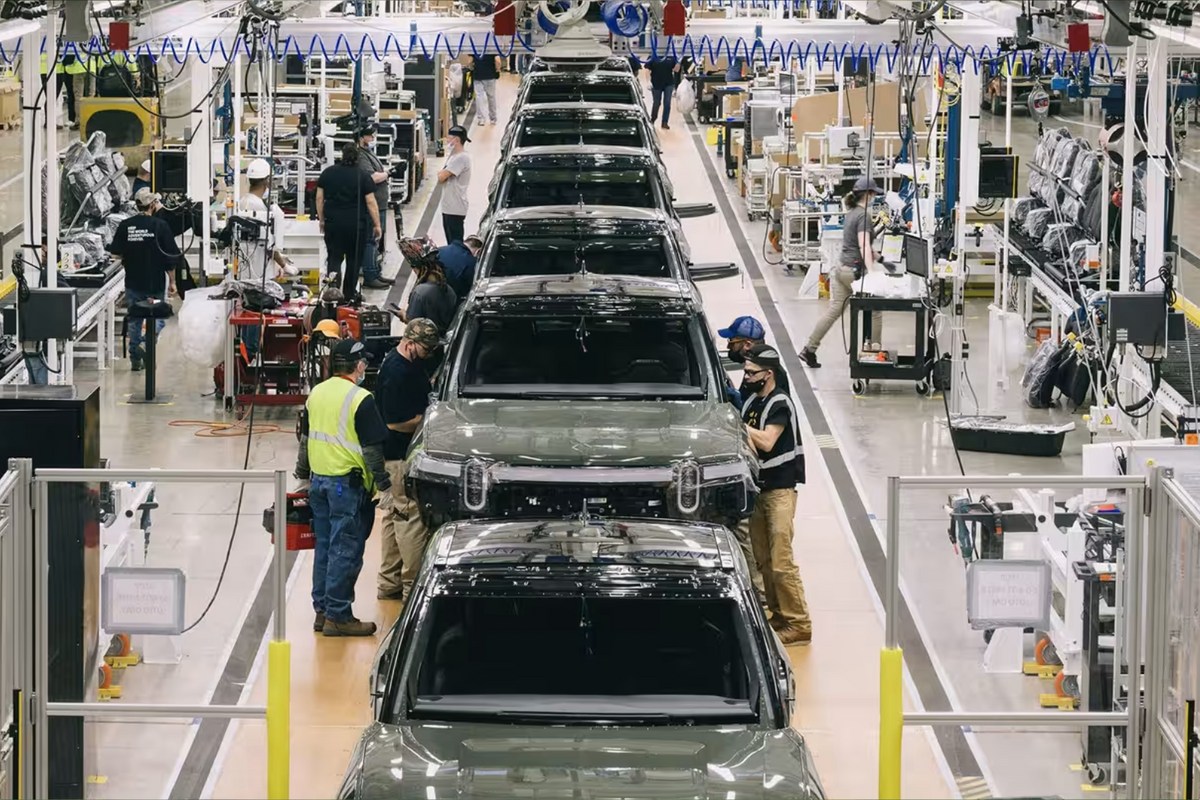
Legislation that would allow electric vehicle makers Rivian and Lucid to sell directly to customers in Washington is moving quickly through the state Senate, the result of a negotiated compromise with auto dealers who long opposed the change.
What Senate Bill 6354 would change
Senate Bill 6354, introduced Feb. 19, was voted out of the Senate Transportation Committee on Friday. If approved by the Legislature and signed into law, the measure would put Rivian and Lucid on similar footing with Tesla, which has been allowed to sell directly to consumers in Washington since 2014.
Backers say the bill could also head off a costly ballot fight this fall.
Why Rivian is willing to spend millions
Rivian in January contributed $4.5 million and pledged up to $20 million more to a political committee it formed — the Washington Coalition for Consumer Choice and Innovation — to pursue a 2026 initiative if necessary. Some at a public hearing this week said they had heard the company was prepared to spend as much as $50 million to secure direct sales through the ballot.
“Obviously, our group is watching the legislative process closely,” a coalition spokesman said in a statement. “If necessary, we are ready to pursue a November 2026 ballot measure to make these choices available to Washington consumers.”
The legislation is the product of private talks between Rivian, Lucid Motors and the Washington State Auto Dealers Association, which has historically opposed direct-to-consumer sales.
“I think on balance it’s a good compromise,” said Sen. Marko Liias, D-Edmonds, chair of the transportation committee.
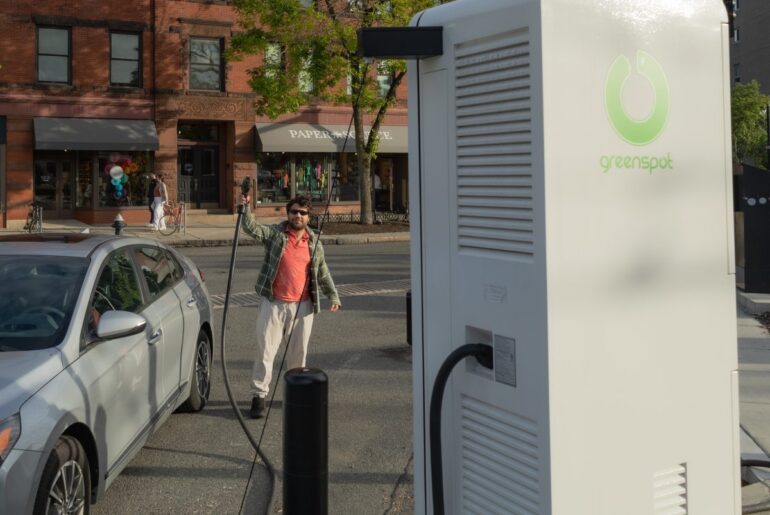
Under current state law, consumers must purchase vehicles through franchised dealerships. Tesla is the only exception, granted a carveout more than a decade ago. While Rivian and Lucid operate showrooms in Washington, they cannot complete sales at those locations.

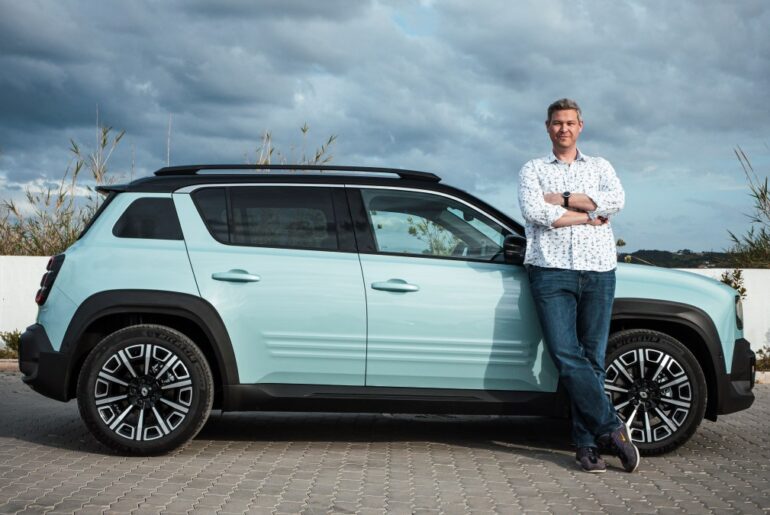
Photo Credit | Lucid Motors
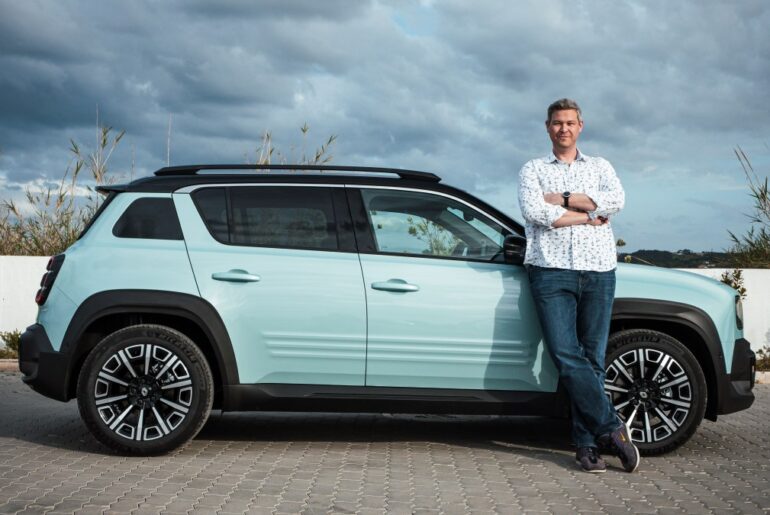
Photo Credit | Lucid MotorsWhy only Rivian and Lucid qualify
The bill sets narrow eligibility standards. To qualify, a manufacturer must be a United States company that exclusively produces battery electric vehicles, must have at least 300 vehicles registered in Washington as of Jan. 1, must operate at least one service facility in the state, and must never have held a franchise agreement with a motor vehicle dealer.
It also bars legacy automakers from creating subsidiaries to bypass the dealership model, preventing companies such as Ford or Toyota from cutting out franchised dealers.
Supporters say the criteria effectively limit eligibility to Rivian and Lucid and would exclude inexpensive Chinese-made EVs if they become widely available in the U.S.
“The legislation honors the role of franchise dealerships while expanding access to electric vehicles for Washingtonians,” said Abigail Ramsden, Rivian’s western states policy manager.
Daniel Witt, Lucid’s director of state public policy, called the bill “a testament to what is possible when EV manufacturers and dealers can come together … to support a framework that benefits Washington businesses and consumers alike.”
Vicki Giles Fabre, executive vice president of the dealers association, described the proposal as the result of “joint good faith deliberations.” She said qualifying manufacturers would be required to obtain dealer licenses and follow the same consumer protection laws as existing dealerships.
Opposition from traditional automakers
At the same time, automakers outside the agreement oppose the measure.
“We fundamentally believe all automakers should operate under the same set of rules,” said Curt Augustine of the Alliance for Automotive Innovation, which represents major manufacturers. The group opposed Tesla’s exemption in 2014, anticipating others would seek similar treatment.
“To be clear, this special treatment didn’t end with Tesla, and it won’t end with Rivian and Lucid either,” Augustine told lawmakers, warning that large, government-backed Chinese EV makers could eventually seek entry into the U.S. market.
Rep. Amy Walen, D-Kirkland, chair of the House Consumer Protection and Business Committee, said she was unaware of the bill until it was introduced and is not a fan of the legislation as written. Walen and her husband own car dealerships in Seattle, though she has said that did not factor into prior legislative decisions.
She argued the measure needs stronger consumer protections and more robust requirements for manufacturers to establish a physical presence in Washington, such as additional showrooms and repair facilities.
“We shouldn’t pick winners and losers and we’re doing it again,” she said.
What happens next in the Legislature
If the bill clears the Senate, Walen said she expects it would be referred directly to the House Transportation Committee, potentially speeding its path through the Legislature and determining whether Washington avoids a multimillion-dollar campaign over the future of direct EV sales.