From July, drivers of battery-electric vehicles will be required to purchase a permit to access Rome’s ZTL (Zona a Traffico Limitato). The annual fee will amount to €1,000, approximately half the €2,016 charged to owners of internal combustion engine (ICE) vehicles. In certain cases, a reduced rate of €500 will apply.
Eugenio Patanè, Rome’s mobility commissioner, explained the decision to introduce a fee for EV drivers—albeit at half the rate of petrol or diesel car owners: “Although these vehicles are zero-emission, their growth is still significantly contributing to traffic congestion and the reduction in available parking spaces, particularly in the historic centres. The measure therefore represents a measure to regulate urban mobility, in line with decisions already made by many major European capitals, which have updated concessions for electric vehicles in central areas, protecting historic centres and ensuring a balance between environmental sustainability and traffic flow management.”
Unlike cities such as Milan, Rome generally issues ZTL permits on an annual basis rather than offering daily or hourly access. The policy forms part of the municipality’s broader objective to significantly reduce private vehicle traffic in the historic centre. City officials argue that this approach is necessary given Rome’s status as a UNESCO World Heritage Site, which it aims to safeguard.
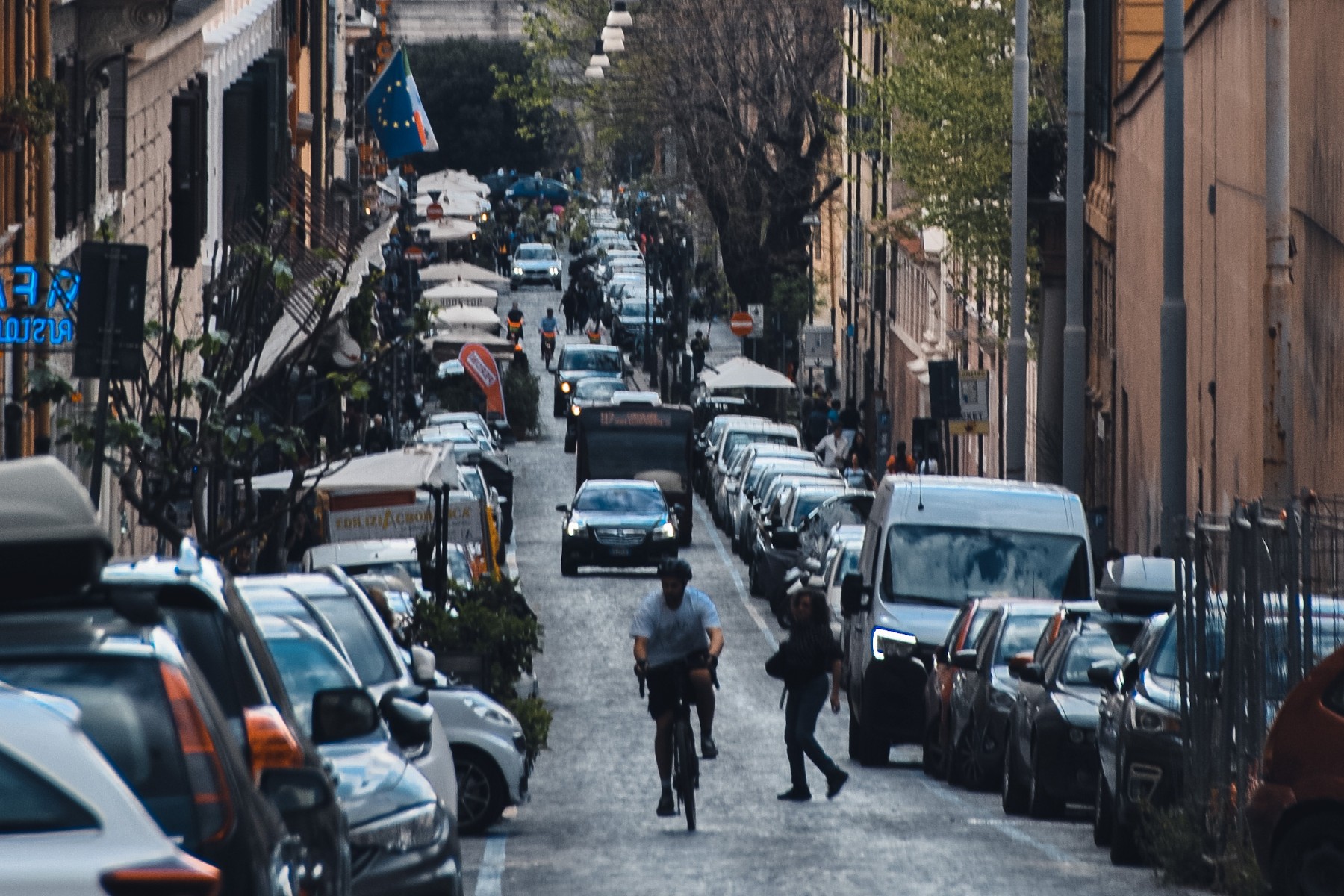
Despite these measures, around 50,000 vehicles reportedly enter the ZTL each day, although the city estimates that the area can accommodate only 20,000 vehicles daily. The new charges for EV drivers represent one element of a wider strategy to lower traffic volumes. Authorities have also taken action against the misuse of disabled access permits, which grant ZTL entry. Approximately 20,000 permits were revoked after the city found they had been issued to deceased individuals but were still being used.
The introduction of fees for battery-electric vehicles is therefore not primarily aimed at the drivetrain itself but at limiting overall traffic in the historic centre. Previously, free access for EVs led to a rebound effect, with rising numbers of drivers making use of the exemption. Under the revised framework, ZTL access for BEVs will no longer be standard but subject to stricter conditions.