Tesla continues to make grandiose claims regarding its robotaxi ambitions, only to pivot when deadlines pass or it is faced with contrary data. By Stewart Burnett
Tesla logged zero miles of autonomous test driving on California roads in 2025, according to state Department of Motor Vehicles records, marking the sixth consecutive year it has reported precisely zero driverless miles in the Golden State. According to Reuters reporting, the automaker has documented no more than 562 miles of autonomous testing in California in total since 2016, and has not applied for any permits beyond the entry-level authorisation that requires a human safety monitor in the driver’s seat at all times.
California’s regulatory pathway to a commercial robotaxi service requires companies to progress through a series of permits, each contingent on demonstrated in-state testing. Tesla would need to log at least 50,000 autonomous miles under a supervised permit before it could even apply for driverless testing—a threshold it has not moved toward. The DMV confirmed Tesla has made no application for additional permits. A spokesperson for the regulator said it is ready to assess applications.
Musk has repeatedly attributed the delay to California’s approval process, saying in October 2024 that he would “be shocked” if Tesla did not gain approval the following year. In written comments to the DMV, Tesla questioned the necessity of minimum mileage requirements and state-road testing, and objected to what it called “overly burdensome” crash and failure reporting obligations.
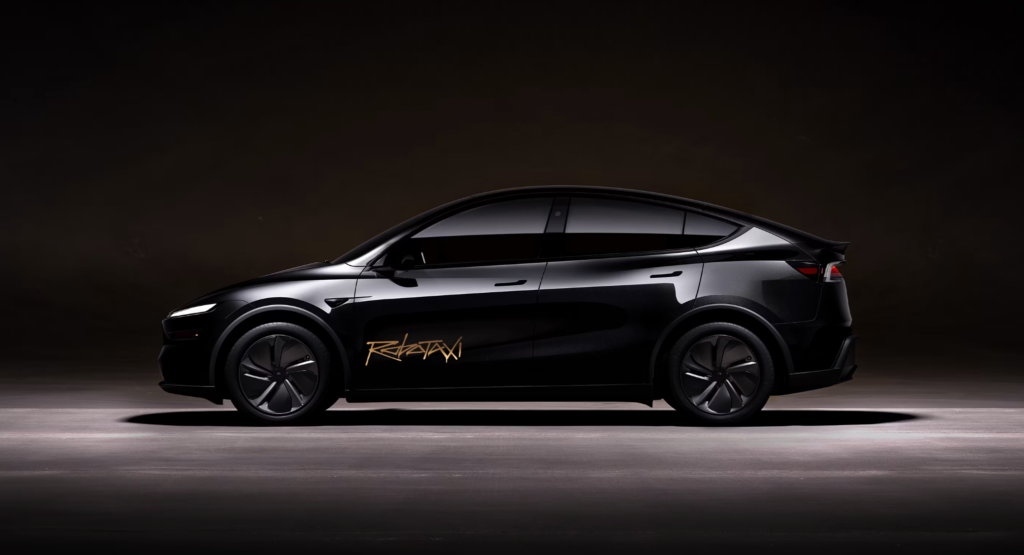
Bryant Walker Smith, an autonomous-driving law professor at the University of South Carolina who has consulted for the California DMV, told Reuters that the evidence points the other way: “Regulators are ready, and they are not.” The gap between Tesla’s California position and its public narrative is vast. What the company launched in the San Francisco Bay Area in July 2025 and subsequently touted as a ‘robotaxi’ service was, by the state regulator’s own classification and Tesla’s customer disclosures, a human-driven chauffeur service — employees behind the wheel operating vehicles equipped with Full Self-Driving driver assistance software.
The service runs under a Transportation Charter-Party permit, the same category used by limousine operators, which legally requires a human driver. It does not require disengagement reporting or autonomous vehicle safety disclosures. Tesla appears willing to muddy the waters somewhat about this classification: in the Apple Store, the automaker acknowledges that the California service offers “non-autonomous rides with a safety driver present in the driver’s seat and using FSD”, it is also doing this in the fine print of an app literally called “Robotaxi”.
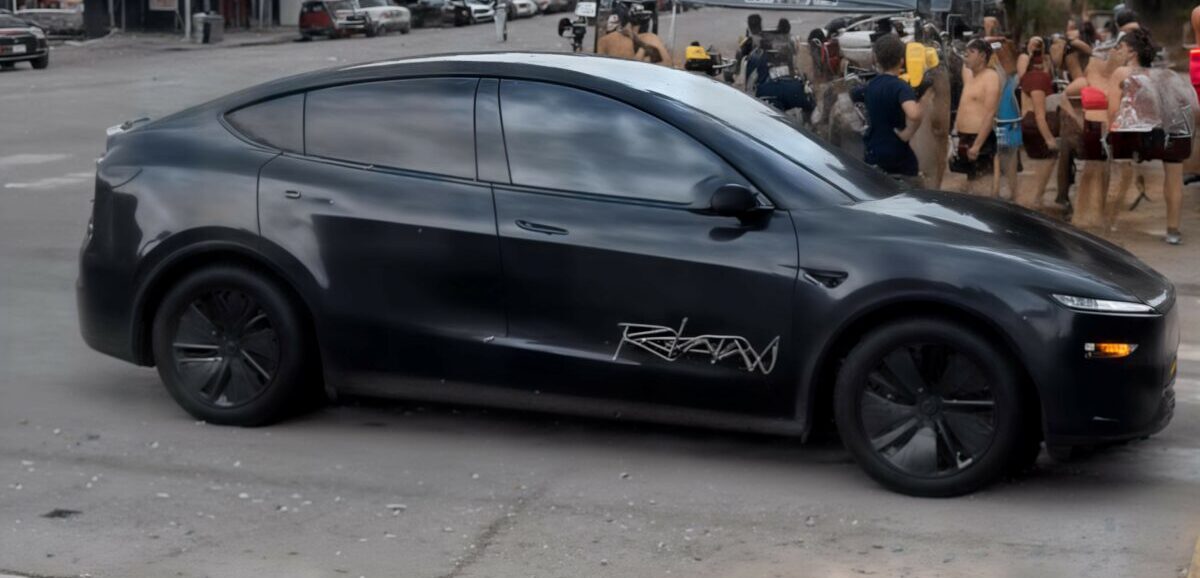 Tesla cannot operate without a driver in California until it earns the proper permits
The contrast with competitors who have actually navigated California’s framework is stark. Waymo logged more than 13 million testing miles and obtained seven regulatory approvals between 2014 and 2023 before receiving permission to charge for driverless rides. Alongside Zoox and the recently-revived Cruise, it is one of three companies with full California deployment permits.
Across the state DMV’s authorised list, 30 companies currently hold drivered testing permits and six hold driverless testing permits. Among them are well-resourced Chinese operators like Pony.ai, which secured and subsequently lost its permits due to safety driver conduct violations. Before that happened, however, it racked up more than 750,000 driverless miles. This requires a level of regulatory engagement that itself requires an active, disclosed testing programme, and Tesla categorically has not reached that stage.
Chief Executive Elon Musk, for his part, has established a track record of making grandiose and highly implausible claims about Tesla’s autonomous driving ambitions, only to moderate himself later on. Perhaps the most transparent instance of this was his claim that roughly half of the US would have robotaxi coverage by end-2025; as of March 2026 only the limited Austin pilot and the California ‘chauffeur’ service are available.
Despite a highly questionable safety record, the automaker also announced it was moving to fully-driverless rides in Austin during January 2026. AI Lead Ashok Elluswamy later acknowledged that only a small handful of the city’s fleet of 40-or-so vehicles ever operated in this state. Analysis by Electrek further reveled that the driverless service only ever operate within a small confined segment of the geofenced area. The driverless service was quietly dropped in its entirely roughly a week later.
Musk also claimed in January that approximately ten billion miles of training data are needed for safe unsupervised autonomy—revised upwards from the six billion miles he had cited previously. As of February, Tesla’s FSD fleet has accumulated approximately 8.2 billion miles, and is adding roughly one billion miles every 50 days. Given his track record, it is highly likely this number will be raised again in the near future, or that another hurdle will be placed between Tesla and its longstanding promise of full autonomy.