Tesla(NASDAQ: TSLA) is expected to deliver critical crash data on potential full-self driving (FSD) traffic violations to the National Highway Traffic Safety Administration (NHTSA) on or before March 9.
The data is certainly meaningful, as it’s part of an NHTSA investigation. Moreover, given that Tesla has reported 14 incidents involving its robotaxis (using unsupervised FSD) since their inception in June 2025, the company and its robotaxi rollout appear under significant pressure. But just how bad is it for Tesla?
Will AI create the world’s first trillionaire? Our team just released a report on the one little-known company, called an “Indispensable Monopoly” providing the critical technology Nvidia and Intel both need. Continue »
Taking an even view
The NHTSA hasn’t published anything on the extended March 9 deadline yet, so investors are relying on others’ reports on the matter. It’s important not to downplay the data because nobody, and above all, Tesla, wants traffic violations from FSD. It’s also important not to overplay the data.
Image source: Getty Images.
First, there were reportedly more than 8,300 records left that Tesla needed to review. That is not crashes. In fact, the NHTSA identified only 58 incidents when it opened the investigation. It’s clear Tesla is struggling to deliver the data quickly. But I don’t think this means Tesla is delaying delivery.
Second, it’s important to note that this data is different from the robotaxi incident data, which is reported and handled separately. More on that in a moment.
Third, the data spans the early days of FSD to more recent days and is likely to mainly cover older versions of FSD. That might prove to be a blessing as well as a curse. For example, it won’t be good news if the updated versions of FSD still have the same issues, or if fixing one issue creates another. However, it will be positive if the data demonstrates a linear improvement.
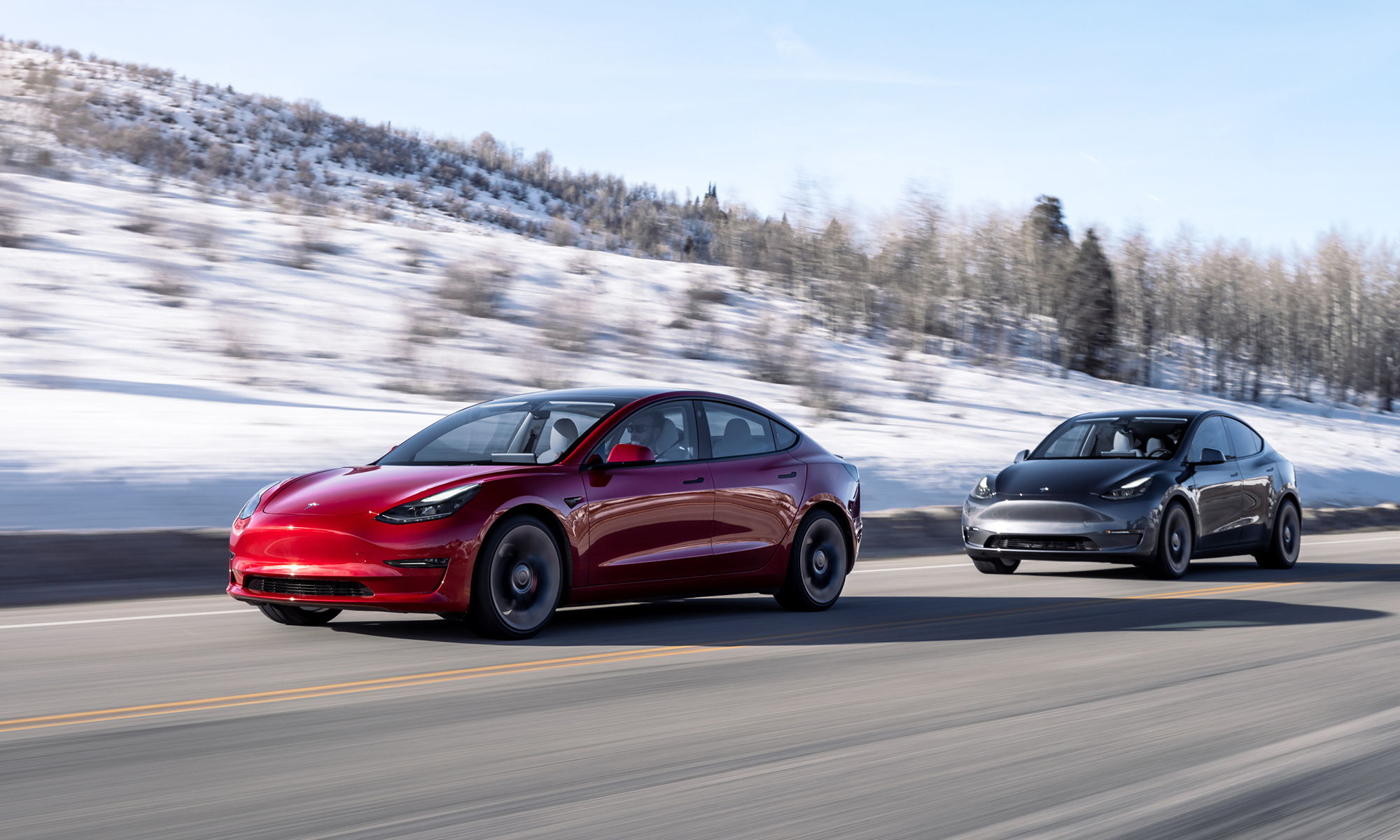
Image source: Tesla.
Robotaxi incident updates
Context is also required when analyzing the robotaxi crash reports. They are reported under the NHTSA’s Standing General Order on Crash Reporting, which also includes data from Waymo and others.
Tesla bears will argue that the robotaxi collision rate of about one in every 57,000 miles is much worse than Tesla’s own estimate that the U.S. average driver has a major collision every 660,000 miles and a minor collision every 222,000 miles.
However, this is an apples-to-oranges comparison.
First, robotaxis aren’t clocking up miles on interstate highways; they are driving in a relatively restricted urban area. So the 660,000 and 222,000 miles figures above are not much use for comparison, because they include highway miles.
Second, it can pay to look at trips rather than miles. Alphabet’s Waymo assumes an average trip length of just 4.3 miles. That number is significant because, by Tesla CEO Elon Musk’s admission, on an earnings call, “all it takes is like 1 in 10,000 trips to go wrong and you’ve got an issue.” Using the 4.3-mile-per-trip estimate and an estimate of 800,000 robotaxi miles, some simple maths gets you to one collision in 13,289 trips if you consider that Tesla has reported 14 accidents with its Austin robotaxi service.
Third, I covered this issue previously, when Tesla had seven collisions over about 250,000 miles, so it appears it took 550,000 miles to reach the subsequent seven collisions, implying that robotaxi is improving safety.
Fourth, Tesla publishes safety data on its website, and it clearly shows that a major crash involving supervised FSD occurs every 5.3 million miles, compared to the average U.S. driver’s 660,000 miles. While this doesn’t validate robotaxis in itself, it does demonstrate the safety benefit of FSD.
Tesla robotaxi incident data
Data on the 14 robotaxi collisions are publicly available from the NHTSA, and it is summarized below. Understanding that Tesla is obliged to report minor collisions that regular drivers are unlikely to report (for example, hitting a tree at less than 1 mile per hour), Tesla’s robotaxi collision data is actually quite impressive.
Incident Date
Crash With
Highest Injury Severity Alleged
Subject Vehicle Pre-Crash Speed (MPH)
Subject Vehicle Pre-Crash Movement
December 2025
Other fixed object
Property damage. No injured reported
17
Proceeding straight
January 2026
Bus
Property damage. No injured reported
0
Stopped
January 2026
Other fixed object
Property damage. No injured reported
2
Backing
January 2026
Pole / Tree
Property damage. No injured reported
1
Backing
January 2026
Heavy Truck
Property damage. No injured reported
4
Proceeding straight
October 2025
Other
Property damage. No injured reported
18
Proceeding straight
July 2025
SUV
Minor with Hospitalization
2
Making a right turn
November 2025
Other
No injured reported
0
Stopped
September 2025
Animal
No injured reported
27
Stopped
September 2025
Cyclist
Property Damage. No Injured Reported
0
Stopped
September 2025
Passenger Car
Property damage. No injured reported
6
Proceeding straight
September 2025
Other Fixed Object
Property damage. No injured reported
6
Making a left turn
July 2025
SUV
Property damage. No injured reported
0
Stopped
July 2025
Other Fixed Object
Minor without hospitalization
8
Other
Data source: National Highway Traffic Safety Administration.
In addition, many collisions occurred at very low or zero speed, or the robotaxi reportedly came to a stop before the collision. As a reminder, the reports do not attribute fault.
What it means for Tesla investors
The robotaxi data isn’t perfect, and it’s hard to know what might come out by March 9, the next deadline. Still, the current data is a lot better than some headlines might have you believe.
Don’t miss this second chance at a potentially lucrative opportunity
Ever feel like you missed the boat in buying the most successful stocks? Then you’ll want to hear this.
On rare occasions, our expert team of analysts issues a “Double Down” stock recommendation for companies that they think are about to pop. If you’re worried you’ve already missed your chance to invest, now is the best time to buy before it’s too late. And the numbers speak for themselves:
Nvidia:if you invested $1,000 when we doubled down in 2009,you’d have $459,582!*Apple: if you invested $1,000 when we doubled down in 2008, you’d have $50,305!*Netflix: if you invested $1,000 when we doubled down in 2004, you’d have $519,015!*
Right now, we’re issuing “Double Down” alerts for three incredible companies, available when you joinStock Advisor, and there may not be another chance like this anytime soon.
*Stock Advisor returns as of March 1, 2026.
Lee Samaha has no position in any of the stocks mentioned. The Motley Fool has positions in and recommends Alphabet and Tesla. The Motley Fool has a disclosure policy.