March 1, 2026
By Karan Singh
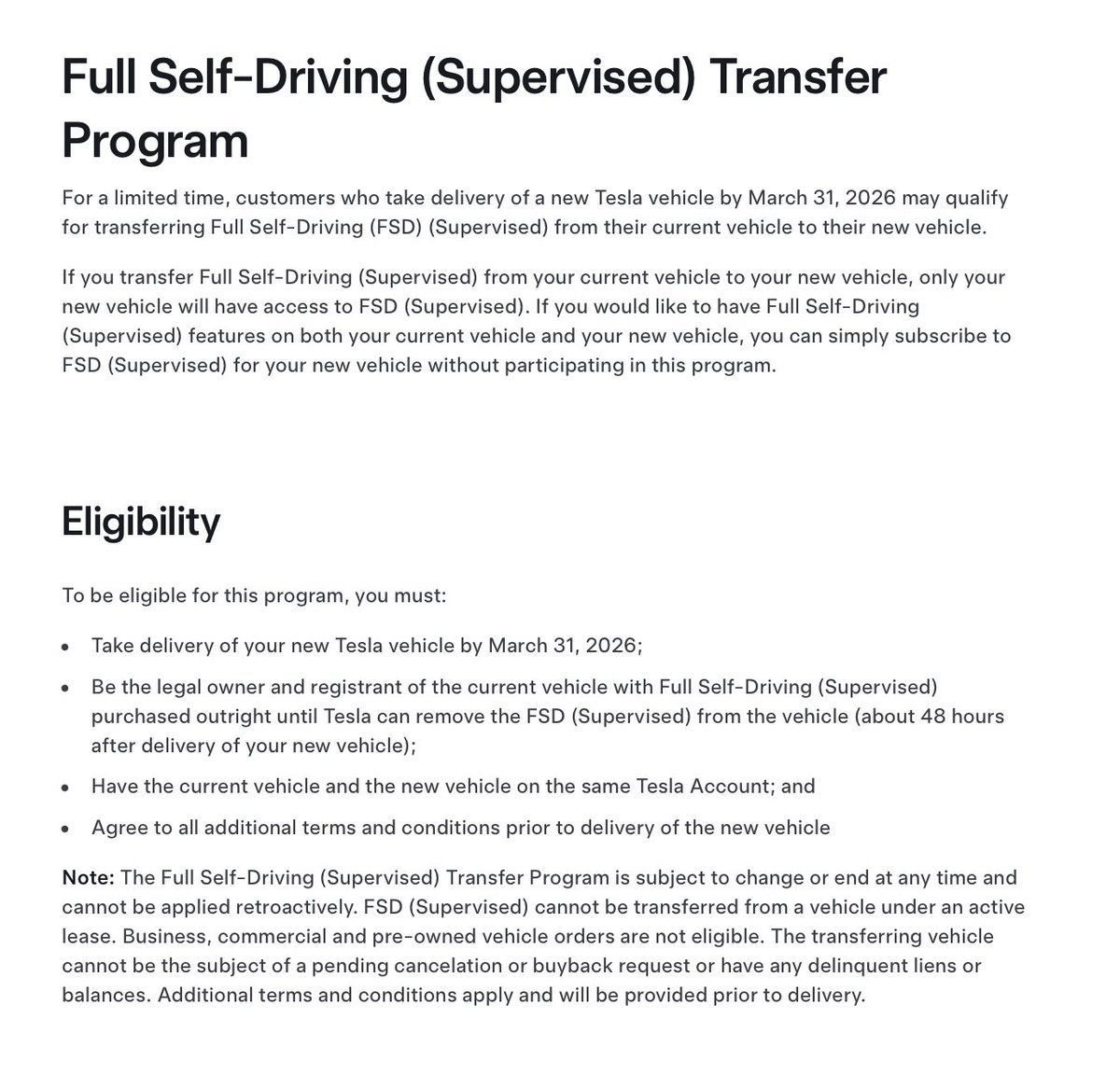
Tesla’s highly popular FSD (Supervised) transfer program has suddenly hit a major snag. In a quiet update to the FSD transfer program page on its website, Tesla has changed the eligibility language for the current FSD transfer window again, sparking a wave of confusion for current owners hoping to transfer FSD one last time.
While the changes are currently live on Tesla’s support pages, the granular details regarding how existing orders will be handled are being pieced together by reliable community insiders. However, it is extremely important to note that while this breakdown appears accurate based on customer communications, Tesla has not publicly stated what will happen to orders placed before the wording change at this time. In addition, Tesla Sales has not yet begun reaching out to customers proactively, but we expect this to change in the short term.
Goalpost Shift
The core of the community’s frustration stems from a single shift in terminology.
On January 20th, 2026, Tesla changed the FSD Transfer program terms from requiring a delivery by 31 March to requiring an order placed by 31 March. This gave lots of customers flexibility and time, and opened up the window to get into the final few custom builds ahead of the Model S and Model X ending production.
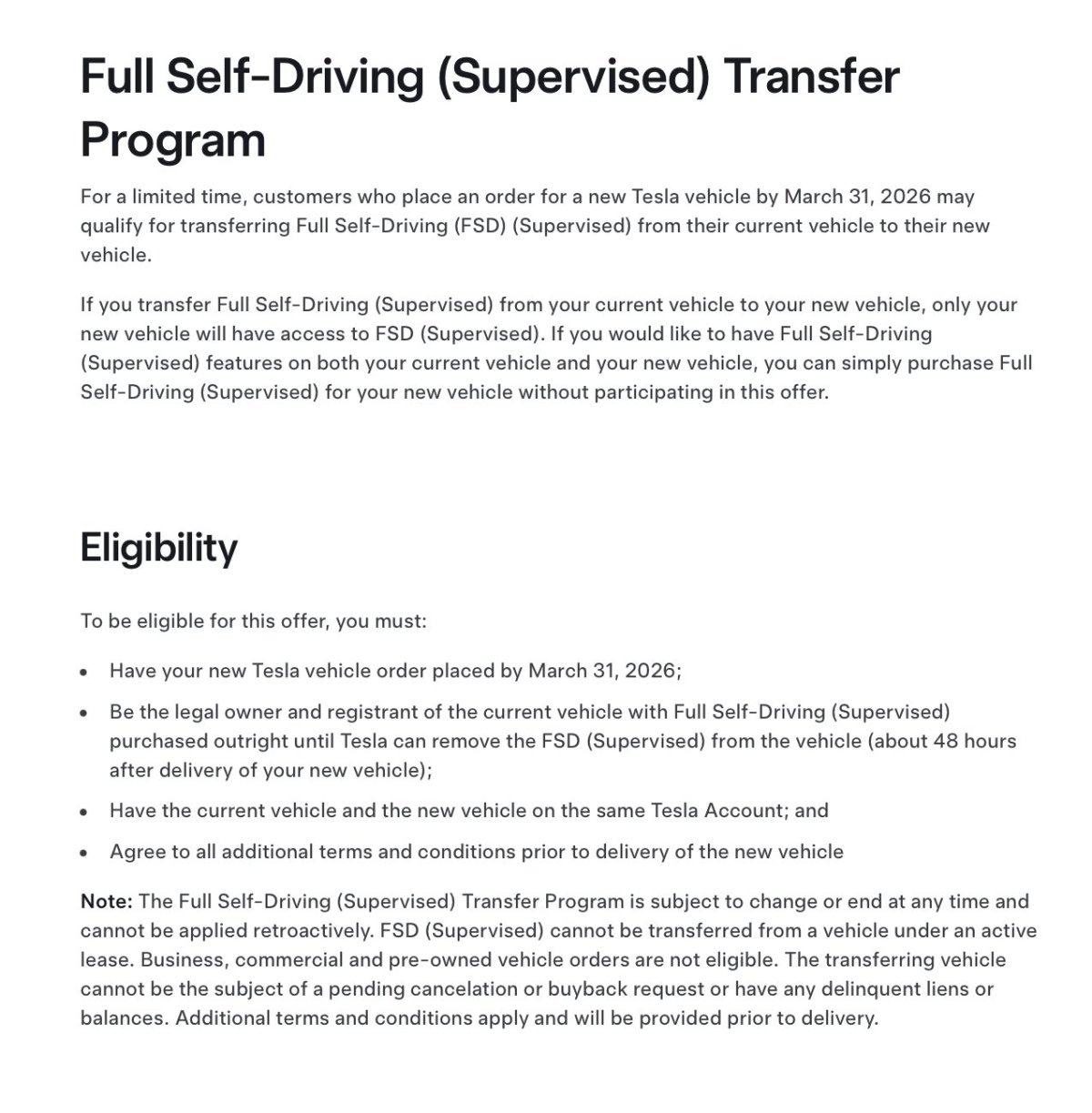
Now that language has been changed back to its original form, customers must actually take physical delivery of their vehicle by March 31st to be eligible for FSD transfer.
 The Nuances and Refund
According to Sawyer Merritt’s breakdown of the new policy, Tesla is drawing a hard line in the sand based on your initial delivery window. If you placed an order before this policy change and your delivery window was scheduled on or before March 31, 2026, Tesla will still honor the FSD transfer.
However, if you placed your order and the initial estimated delivery window was already stretching past March 31st, Tesla will not honor the FSD transfer.
For customers who ended up losing out on the transfer because their order window fell too late, or because they simply cannot take delivery by the end of March, Tesla is offering two immediate remedies.
You can either pivot and apply your transfer to an inventory vehicle, or you can cancel your order and receive a full refund of the $250 order deposit.
The Cybertruck Casualty
While being offered a transfer to an inventory vehicle or a $250 refund is a nice gesture, it completely ignores the biggest casualty (and likely cause) of this policy shift: buyers of the new Cybertruck AWD trim.
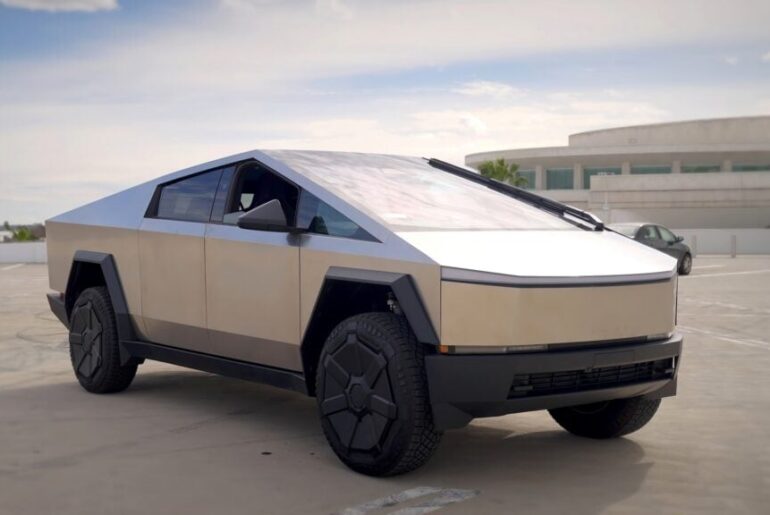
Many Tesla owners, especially those on HW3, jumped at the chance to order the newly available Cybertruck Dual-Motor AWD variant, fully expecting to transfer their existing FSD software over to a new vehicle under the rules publicly listed on Tesla’s website. The trim was well priced at an introductory $59,990 USD, which just jumped up to $69,990 today.
Because deliveries for this specific trim aren’t expected to begin until this Summer, every single one of those buyers is now locked out of FSD transfer. Further, because there just aren’t any Dual-Motor AWD (non-Premium) Cybertrucks sitting in available inventory to transfer to instead, these buyers are simply out of luck.
Unless Tesla issues a specific exemption for this trim, or rolls out another FSD transfer program in the future, many of these early order holders will have to decide if upgrading their hardware is worth leaving their $8,000+ software package behind.
Subscribe to our newsletter to stay up to date on the latest Tesla news, upcoming features and software updates.
March 1, 2026
By Nehal Malik
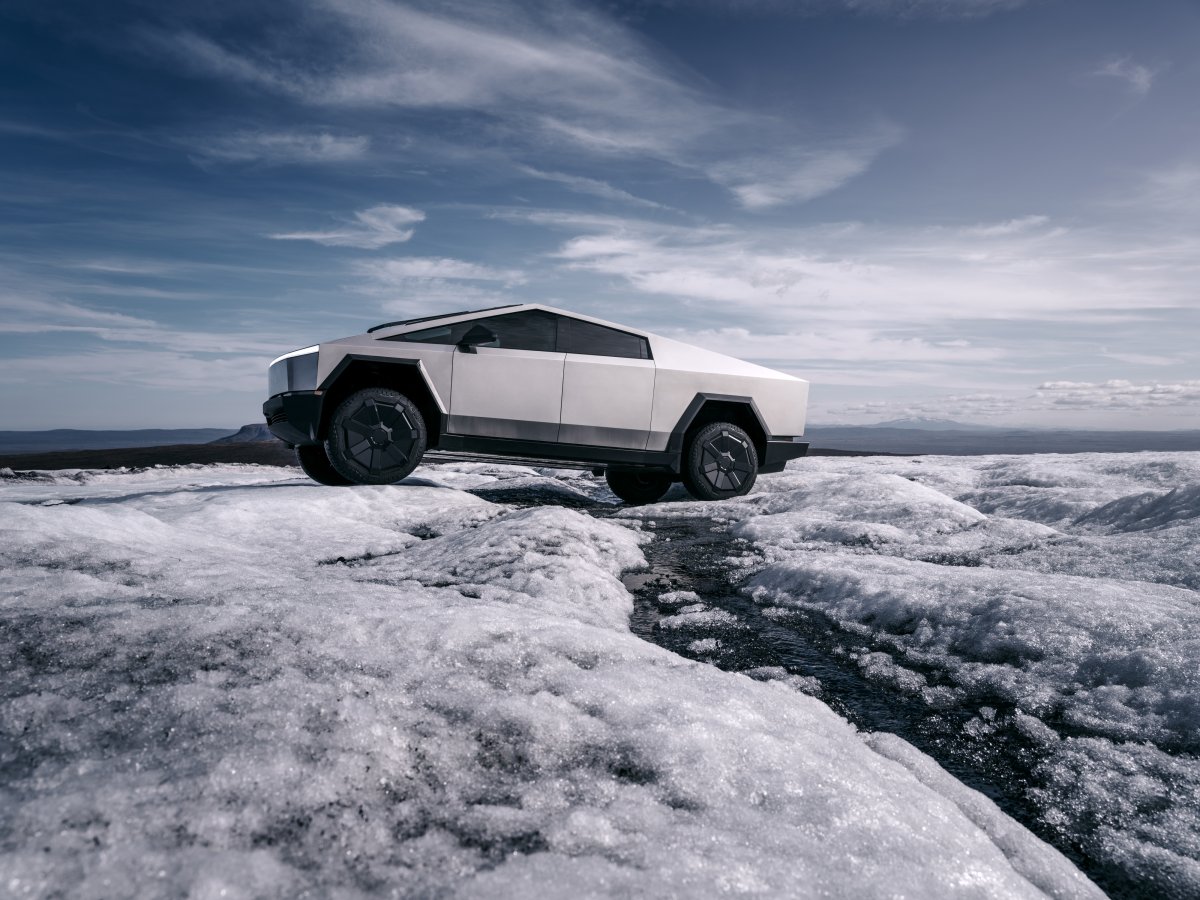
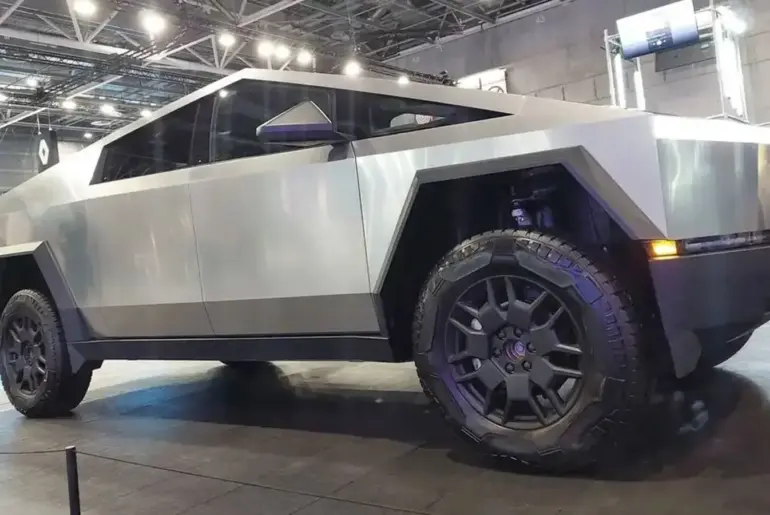
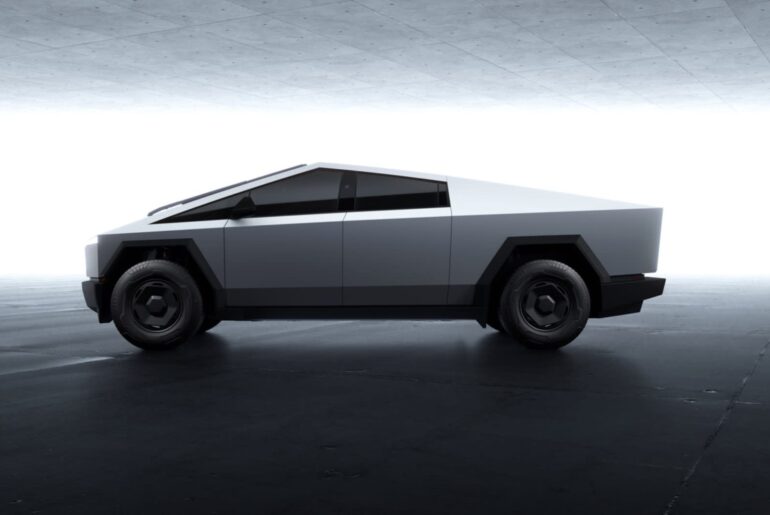
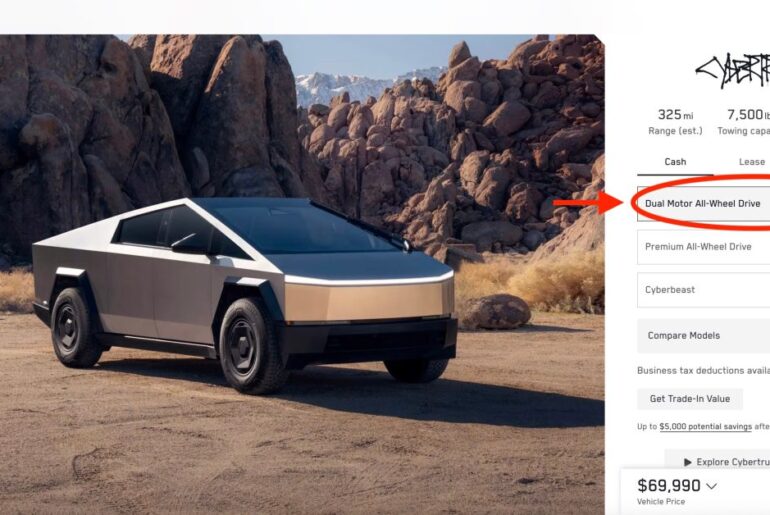
Tesla’s limited-time offer on its most affordable pickup has officially come to an end. After less than 10 days on the market at its introductory price, Tesla has raised the cost of the Cybertruck Dual Motor All-Wheel Drive (AWD) from $59,990 to $69,990.
The change was spotted on Tesla’s online configurator, confirming what CEO Elon Musk had previously teased — that the sub-$60k launch price was a temporary incentive. While the new $69,990 sticker price exactly matches that of the short-lived Rear-Wheel Drive (RWD) Cybertruck launched and discontinued last year, this Dual Motor version remains a significantly more capable machine for the money.
The “Ultimate Contractor” Pickup
Even with the $10,000 price hike, this AWD trim is a massive upgrade over the poorly received RWD model it replaced. By focusing on utility over luxury, Tesla created a vehicle that is tough as nails and actually ready for a job site. It maintains the powertrain specs that matter, utilizing the same mechanical front and rear locking differentials found in the $79,990 Premium AWD trim.
Owners still get a brisk 4.1-second 0–60 mph time and an EPA-estimated 325 miles of range. The core utility features remain intact, including the powered tonneau cover, the powered frunk, and the massive 6’ x 4’ composite bed. Most importantly, it retains full Powershare capability with 120V and 240V outlets in the bed to run heavy-duty power tools.
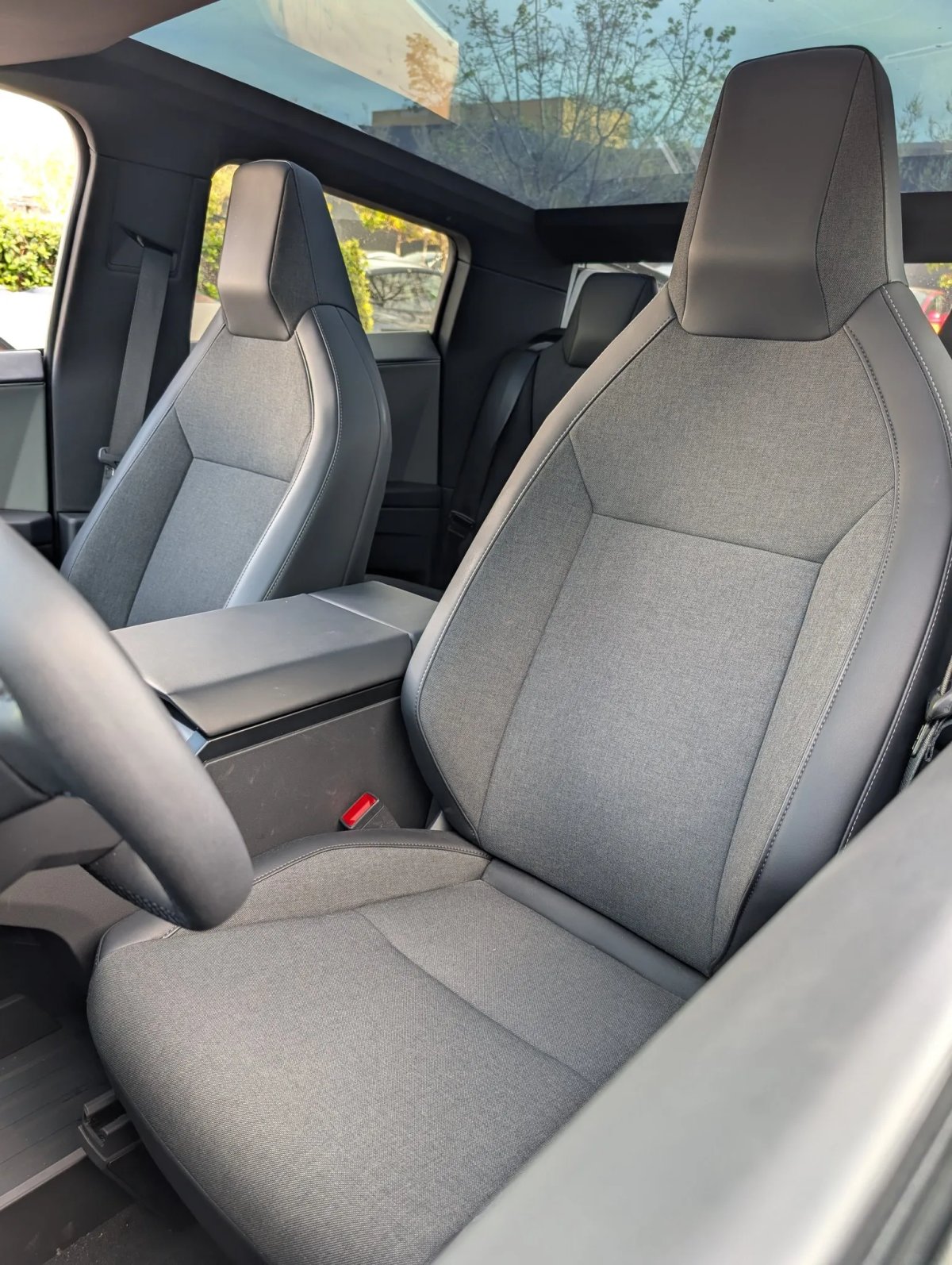
To hit a lower price point, Tesla did make some hardware cuts. The expensive adaptive air suspension was replaced by coil springs with adaptive damping, meaning users lose adjustable ride height. Inside, the cabin features an easy-to-clean “tactical grey” textile interior rather than vegan leather. Other missing luxury touches include ventilated front seats, heated rear seats, the 9.4-inch rear entertainment display, and the 15-speaker premium audio system, which has been downgraded to 7 speakers.
Estimated Deliveries Slip Into 2027
The demand for a more affordable Cybertruck appears to have been overwhelming. When the $59,990 price was first introduced, estimated delivery dates were sitting in May–June 2026. However, the configurator now shows that new orders have slipped deep into 2027.
Thousands of buyers likely rushed to place their $250 non-refundable orders last week to lock in the lower price before the February 28 deadline. This massive surge in reservations effectively puts to rest any speculation that Tesla might discontinue the entry-level trim due to a lack of interest.
Future Pricing and Potential RWD Trims
With the base AWD model now starting at $69,990 and the Premium AWD at $79,990, Tesla’s truck lineup is becoming more standardized. However, the move back to $70,000 leaves a gap at the bottom of the market, and one that buyers have already gotten a taste of at that. It is possible that Tesla plans to eventually launch an even cheaper, cut-down RWD variant at the sub-$60k price point once production at Giga Texas fully ramps up and the current backlog is cleared.
Whether you managed to snag the “early bird” special or are just now looking at the $70k entry point, the Dual Motor AWD is the variant reinvigorating Tesla’s Cybertruck order book right now.
February 28, 2026
By Nehal Malik
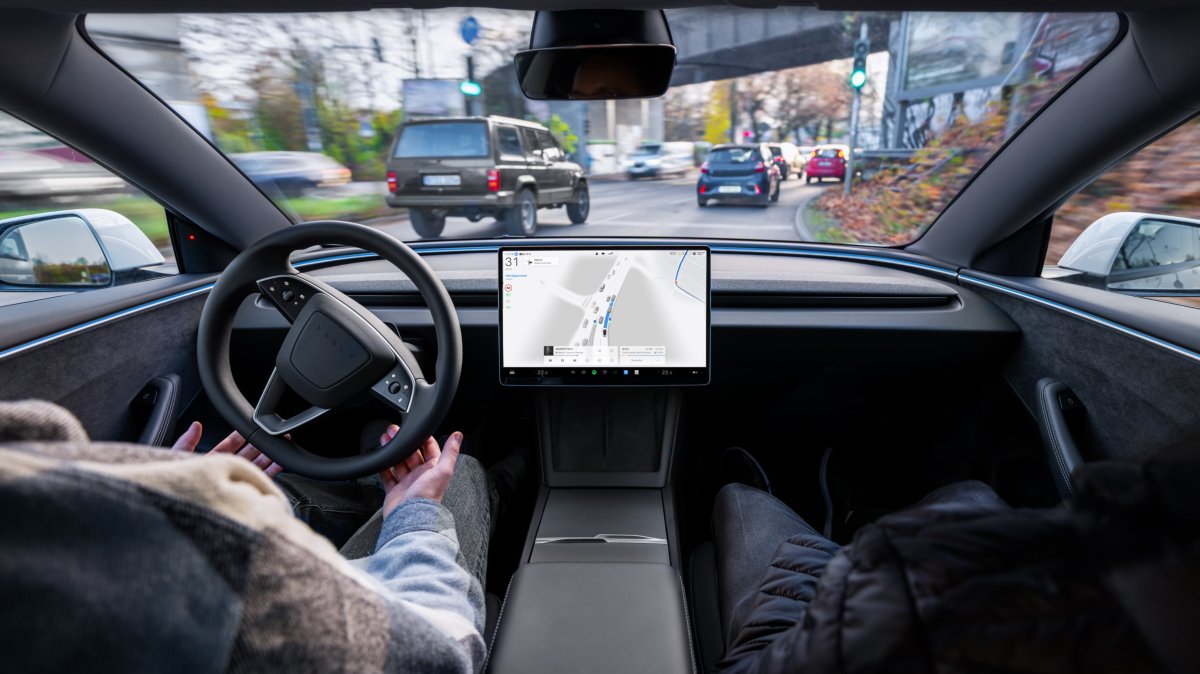
Tesla is officially distancing itself from one of its most famous (and controversial) brand names. With the release of software update 2026.2.9 earlier today, the company has begun renaming several core features of its driver-assistance suite.
Update 2026.2.9
FSD Supervised 14.2.2.5
Installed on 0.2% of fleet
Last updated: Mar 1, 12:20 pm UTC
According to the official release notes, the “Autopilot Naming Update” is primarily a text change. Tesla clarified that “This change only updates the name of certain features and text in your vehicle, and does not change the way your features behave”. Specifically, the long-standing “Navigate on Autopilot” feature has been renamed to “Navigate on Autosteer,” and the hardware itself, formerly known as the “FSD Computer,” is now officially called the “AI Computer”.
Tesla is also refining the on-screen experience with several minor UI adjustments to reinforce a new “Self-Driving” identity for Autopilot. One of the most prominent changes is the message that appears when a driver takes over manual control; the prompt now reads, “Self-Driving Disengaged. What Happened?” This comes with a broader reorganization of the vehicle’s settings, where the primary menu section previously labeled “Autopilot” has been officially renamed to “Self-Driving”.
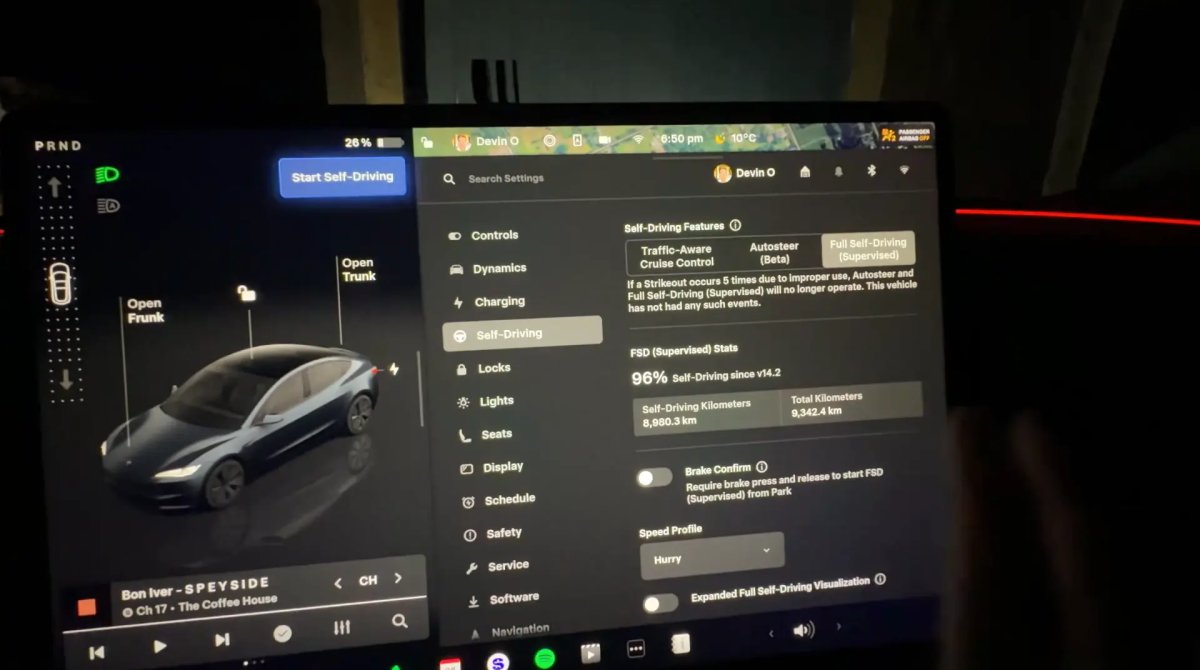
However, the rollout of this new branding appears to be somewhat inconsistent across the interface, leading to what could be a confusing experience for some drivers. While much of the UI now uses the simplified “Self-Driving” label, the term “Full Self-Driving” continues to be used in the Speed Profile menu, and the “FSD (Supervised) Stats” section continues to use the older acronym. For the rebranding to be truly effective and less confusing for owners, these changes will likely need to be applied universally across every sub-menu and status indicator.
A History of Regulatory Hot Water
This branding pivot isn’t happening in a vacuum. Tesla has a storied history of clashing with regulators who argue that names like “Autopilot” and “Full Self-Driving” are misleading to consumers. The most recent pressure came from the California DMV, which accused Tesla of false advertising. To avoid a potential 60-day sales ban in its home state, Tesla capitulated by removing Autopilot from new vehicle sales and shifting its marketing toward “Full Self-Driving (Supervised)”.
Tesla is currently suing the California DMV to reverse that false advertising label, but the changes in the car’s software show the company is playing it safe for now. This isn’t just a U.S. issue, either; Tesla faced a similar legal battle in Germany back in 2023, and that’s just one of many examples. Last month, the company even discontinued Autopilot for new orders in the U.S. and Canada altogether, with new cars now shipping only with Traffic Aware Cruise Control (TACC).
Undocumented FSD Changes
Beyond the name changes, there are a couple changes for FSD users. Most notably, users currently on FSD v14 are now receiving the 2026.2 software branch for the first time.
It appears that FSD v14 is now becoming the “standard” version of the software that everyone receives when they subscribe to the service. This move helps unify the fleet, ensuring that more drivers are on the same version of the neural network as Tesla works toward a version of the software that won’t require driver supervision. The branding shift also follows the retirement of the iconic Autopilot symbol from the UI last fall.
The Path to Autonomy
While the “Autopilot” name is slowly fading away, Tesla’s ultimate goal of an unsupervised system hasn’t changed. By renaming the hardware to the “AI Computer,” the company is emphasizing that the vehicle is essentially a robot on wheels, powered by artificial intelligence rather than a simple set of programmed rules.
As Tesla shifts its focus away from being a car company and toward a future centered on AI and robotics, these “semantic” changes are likely just the beginning of a larger image rebrand.