February 28, 2026
By Nehal Malik

Tesla is finally bringing some of its most anticipated interior upgrades to the Great White North. According to Drive Tesla Canada, the automaker has officially updated its Canadian configurator, confirming that new Model Y orders will now feature a darker headliner and a significantly improved central display.
The update brings Canadian builds in line with recent changes seen in other global markets. Whether these features would make it to Canada had been a major question mark for buyers, especially with new shipments arriving from Gigafactory Berlin to help skirt heavy tariffs on Chinese and U.S. imports.
Luxury Interior Upgrades
Tesla first introduced these specific Model Y upgrades in China last month as an effort to unify the interior experience across the entire fleet. By trickling these features down to cheaper variants, Tesla effectively reinforces a premium feel regardless of which trim you pick.
The most noticeable visual change is the replacement of the old light grey headliner with a black Alcantara-style fabric. For years, owners cited the grey fabric as a feature that made the cabin feel less premium. While the new Model Y Standard — Tesla’s cheapest Model Y to date — continues to list the grey headliner for now, the black finish is now standard on Premium and Performance trims in Canada.
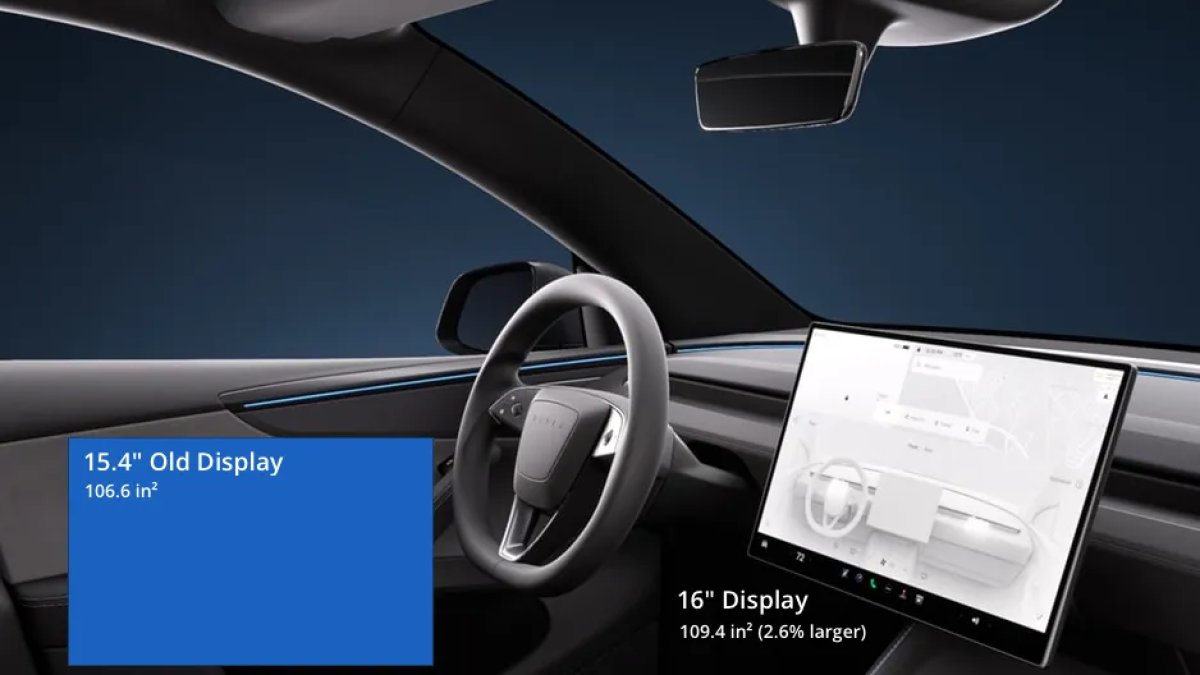
The center display is also getting a massive boost. All Canadian Model Y trims, including the entry-level Standard variant, now come with a larger 16-inch QHD display, replacing the previous 15.4-inch unit. While an extra 0.6 inches sounds minor, the upgrade adds 3 square inches of screen real estate and also features thinner bezels, higher contrast, and a much higher resolution of 2560×1440. This hardware shift isn’t just for the Model Y, either; recently discovered references in Tesla’s website code suggest these same upgrades are headed to the 2026 Model 3 lineup soon.
What This Means for New Orders
If you place an order today, Tesla’s configurator confirms you can expect these updated interior features. However, there is a catch for those with pending deliveries. Early batches of Model Y vehicles exported to Canada from Giga Berlin may not include the new screen or headliner because they were built before the production changeover.
This news follows another consumer-friendly move where Tesla recently enabled lease buyouts for all models in Canada, giving drivers more flexibility at the end of their terms.
A More Refined Future
Tesla’s relentless focus on supply chain efficiency means that once a newer part becomes the standard in one factory, it eventually rolls out everywhere to maximize volume pricing. With Giga Berlin now pumping out these updated interiors for the Canadian market, the Model Y feels more modern than ever.
As Tesla continues to blur the lines between its “economy” and “premium” tiers, the Model Y remains the benchmark for what a modern electric SUV should look and feel like.
Subscribe to our newsletter to stay up to date on the latest Tesla news, upcoming features and software updates.
February 28, 2026
By Karan Singh
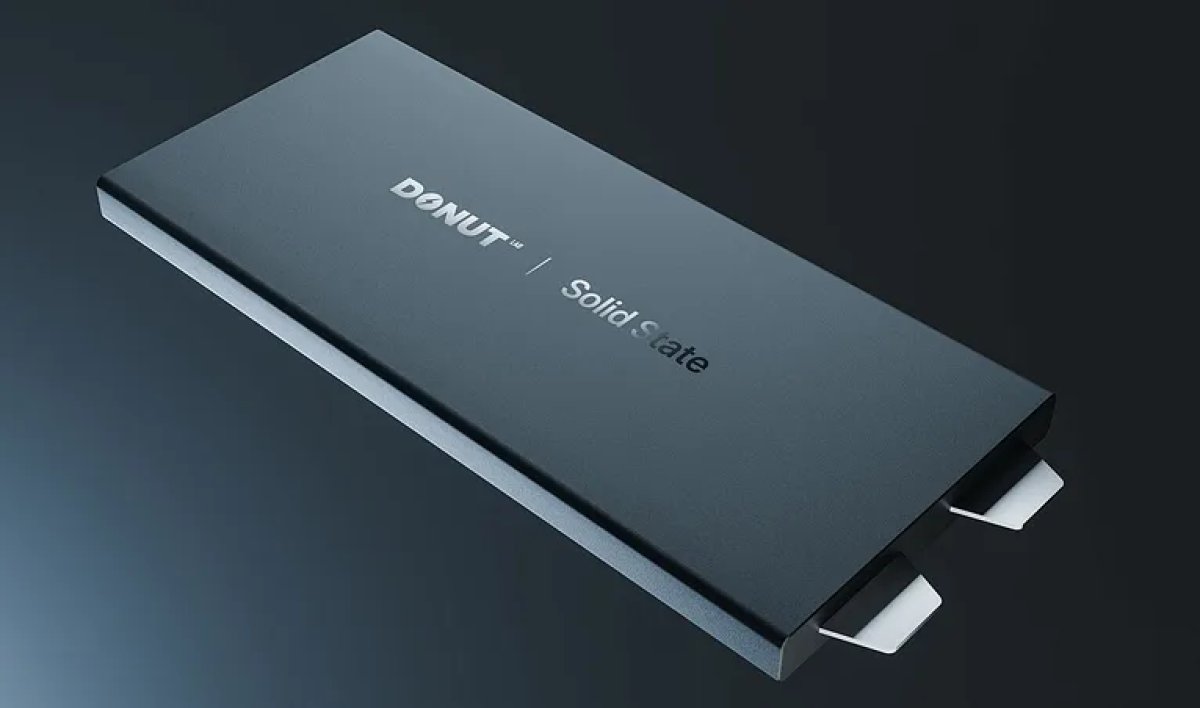
At CES 2026, a relatively unknown startup called Donut Lab made a claim that sent shockwaves and skepticism through the EV industry. The company unveiled what it claimed to be the world’s first production-ready solid-state battery, boasting specifications that read like a sci-fi wish list: 400Wh/kg of energy density, a lifespan of 100,000 cycles, and the ability to charge from 0-80% in under five minutes.
When industry experts cried foul, Donut Lab responded by launching their “I Donut Believe” campaign, alongside the publication of independent test results from the highly respected VTT Technical Research Centre of Finland to prove their breakthrough was the real deal.
But a deeper dive into the actual VTT report reveals that while Donut Lab has undoubtedly built something capable of absorbing massive electrical current, the holy grail of solid-state batteries may still be a long way off.
The VTT Report: What Was Actually Tested?
It is important to understand how third-party testing labs operate. VTT is a state-owned, world-class research institution. If they publish a number, that number is accurate. However, they are a testing facility – not an auditing firm. They only run specific, isolated tests that the client (Donut Lab) pays them to execute.
Here is how Donut Lab’s marketing claims stack up after reviewing the actual VTT test data provided in the report.
The first claim, for fast charging, is verified by the VTT report, which confirms that a 26 Ah Donut cell successfully charged from 0% to 80% in just 4.5 minutes at an extreme 11C charge rate.
The second claim, for weight density, is unverified. Perhaps the single biggest selling point of this battery is the 400 Wh/kg claim, which is roughly double the energy density of standard lithium-ion. Yet, the VTT report completely omits the cell’s weight and physical dimensions. Without knowing the physical information, verifying its energy density is impossible.
Finally, the last of Donut’s claims is the 100,000-cycle lifespan, which was also not tested by VTT. The report covers only a handful of fast-charge cycles, well before any degradation would set in.
Thermal Red Flag
While the fast-charging data is real and genuinely impressive, the testing methodology raises some questions about real-world automotive viability.
During the 11C fast-charging test, the battery cell was placed between massive aluminum heat sinks to passively manage temperatures. Even with this sizeable thermal mass, the cell’s surface temperature spiked to 63°C. In a separate test using only a single heat sink, the cell hit 90°C, and the test had to be temporarily aborted to let the battery cool down.
Industry observers have calculated that scaling the specific ratio of passive thermal mass to a full-size EV pack would require thousands of pounds of heat sinks – or equivalent heat dumping from an active management system. Donut Lab markets the battery as needing no active cooling, but the test data clearly show that pushing the battery to its marketed charging speeds generates immense, potentially unmanageable heat.
Manufacturability At Scale
Building a single, high-performing pouch cell in a controlled lab is entirely different from manufacturing millions of them consistently and cheaply.
Currently, Donut Lab’s primary real-world application is through a partnership with Verge Motorcycles, a premium EV bike manufacturer. Integrating a few cells into a high-end, low-volume motorcycle is a fantastic proof of concept, but it is leaps and bounds away from revolutionizing the EV world.
Despite promises of Q1 2026 deliveries for new bikes, Verge’s CEO and website have confirmed that volume customer deliveries will likely stretch late into the year or even into 2027 as they navigate supply chains and regulatory approvals.
If this cell is actually what it appears to be, we’re on the verge of a massive revolution in the EV and handheld device markets. Ultimately, until independent auditors are allowed to weigh and test a production-intent cell from Donut Lab, we’ll continue taking their “I Donut Believe” campaign quite literally.
February 27, 2026
By Nehal Malik
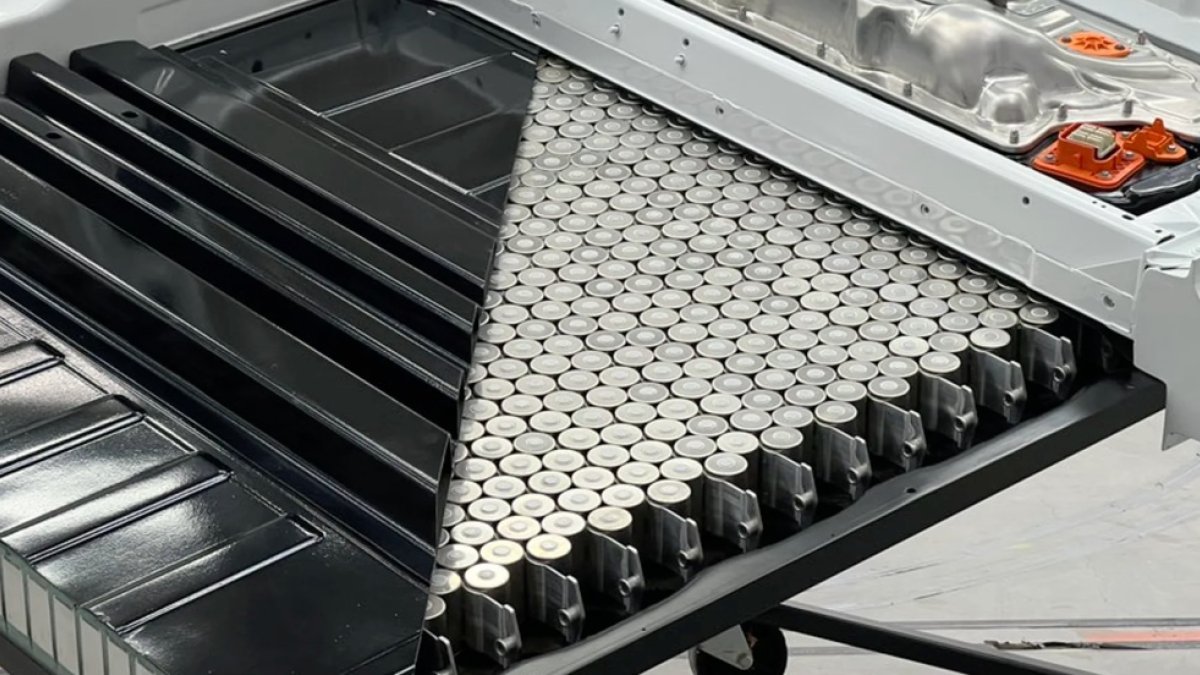
Tesla’s most crucial component is undoubtedly its high-voltage battery, and the company is now being more explicit than ever about how owners should treat it. In a recent update to the Model Y Owner’s Manual, Tesla has officially shared a suite of tips to maintain long-term battery health, providing a clear roadmap for maximizing range and performance.
While much of the advice aligns with long-standing community wisdom, Tesla has included a notably direct recommendation: avoid using Superchargers as your primary way to juice up. The manual now explicitly suggests that owners “save Supercharging for road trips or long drives” and instead prioritize Level 1 or Level 2 charging, such as wall outlets or Tesla Wall Connectors, for daily use.
The Battery Health Reality
Like any rechargeable device, the batteries in Tesla’s electric vehicles naturally degrade over time due to the chemical reactions inherent in charging and discharging cycles. Tesla defines battery health by how much of the original energy capacity remains. For example, a battery at 85% health means it has lost roughly 15% of its capacity, resulting in 85% of the driving range it provided when new.
To help owners manage this natural decline, Tesla utilizes sophisticated hardware and software systems to protect the battery. The vehicle automatically enters a low-power consumption mode when the charge level drops to approximately 0% to prevent a complete discharge that could damage internal components. For those who want extra peace of mind, Tesla even launched an extended warranty service for the high-voltage battery late last year.
Top Tips for a Healthy Battery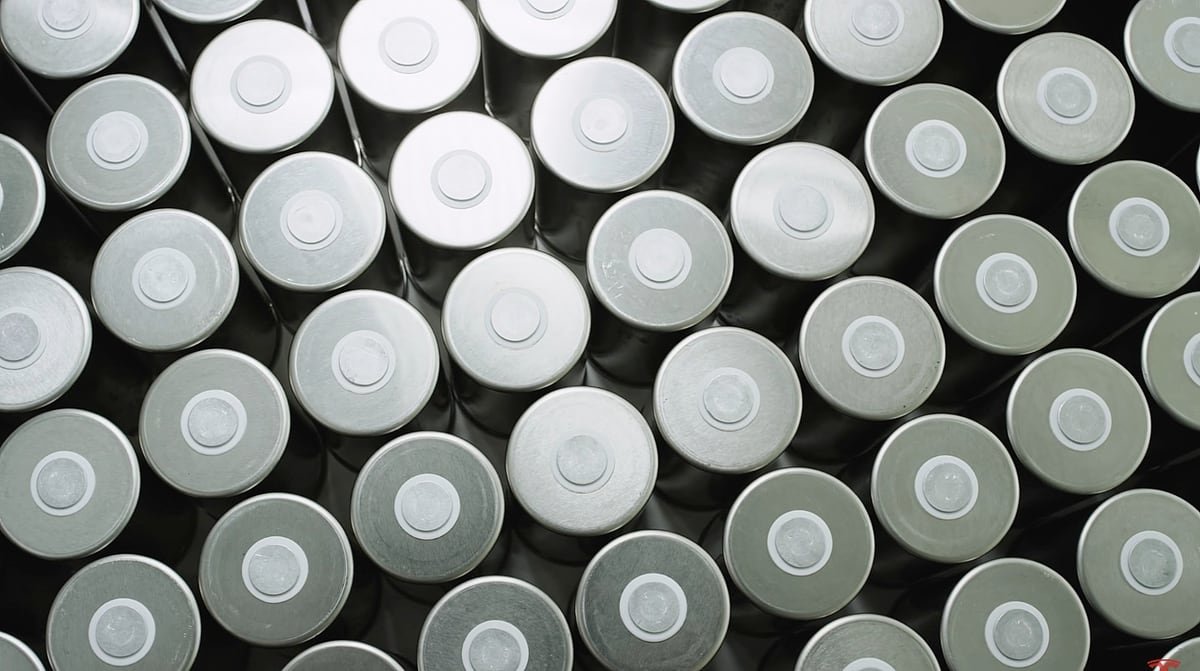
Tesla’s updated guidance emphasizes that the number of charge cycles and how long the battery stays at low or high states of charge play one of the biggest roles in its longevity. Here are the primary strategies Tesla recommends for maximizing battery health:
Stick to the 80% Rule: Unless you have a specific long drive ahead, Tesla recommends keeping your daily charge limit at about 80% to protect the battery.
Charge Frequently: Waiting until the battery is very low can strain the system over time. Tesla suggests charging more frequently to avoid deep discharge cycles.
Mind the Extremes: Avoid leaving the battery at or near 0% or 100% for long periods. If you are storing the car for a while, leave it at around 50% and, if possible, keep it plugged in (with the settings configured to maintain a 50% charge limit).
Limit Parasitic Drain: While the car is idle, features like Sentry Mode, Dog Mode, and even leaving devices plugged into USB ports will slowly discharge the battery. Tesla notes the battery can discharge at a rate of approximately 1% per day just to power onboard electronics.
By following these manufacturer-approved tips, owners can significantly slow the natural aging process of their EVs. As Tesla continues to refine its battery chemistry and charging algorithms, these small daily habits remain the best way to ensure your vehicle stays on the road for the long haul.