Hundreds of riders in Kenya filled the streets of Nairobi and Mombasa in November to protest a battery system that cut into their pay and stranded them. Weeks of criticism from podcaster Francis Kibe Njeri, reported by The Associated Press, had preceded the protests.
The riders said that some companies lock batteries into their own swap networks and remotely disable bikes after periods of inactivity. For workers who rely on daily trips and deliveries, this risk is immediate.
“It is not fair that we purchase the bikes, but the battery remains the property of the manufacturer, and we can only use their stations and not charge them at home,” Njeri said, per the AP.
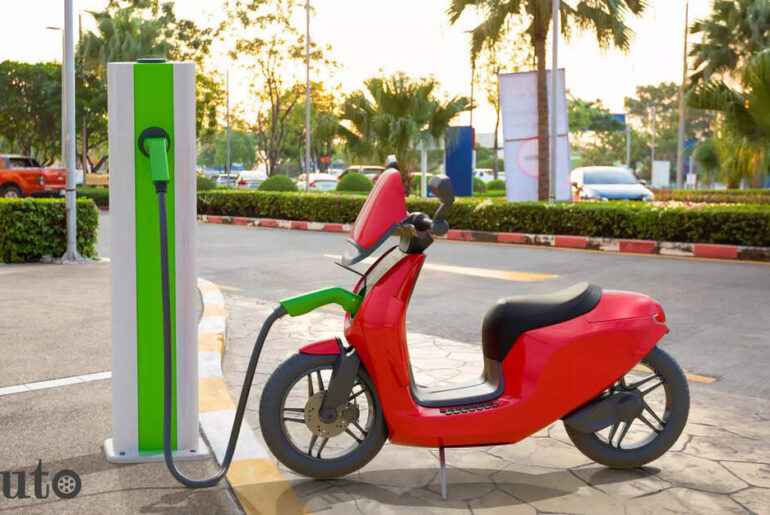
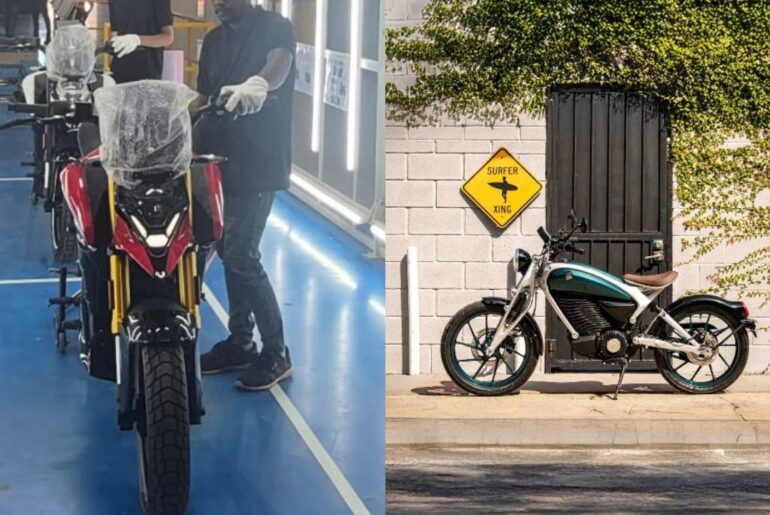
Electric motorcycles have spread across East Africa. Spiro operates over 1,200 charging and swap stations, deploying about 60,000 e-bikes. Regional industry data shows that East Africa leads the continent in the number of active e-mobility companies.
Most riders switched for the savings. Operators said e-bikes can reduce daily costs by up to 40% compared to gas models. Charging is cheaper than filling a tank, and there’s less to repair.
Riding an e-bike can also provide daily physical activity, which can help improve cardiovascular health. They also don’t produce tailpipe exhaust, according to the U.S. Environmental Protection Agency. With transportation responsible for about 16.2% of global carbon pollution, as shared by Our World in Data, this shift carries weight.
Still, access remains uneven. Riders said that swap stations cluster along major corridors and thin out further from city centers. Similar friction appears elsewhere when cars block bike lanes, despite research showing that protected bike lanes nearly doubled ridership.
Companies said interoperability is complex and expensive. Spiro CEO Kaushik Burman told the AP that he supports integration but won’t allow untested batteries into swap stations. Ampersand recently announced plans to open its network to compatible bikes from other manufacturers.
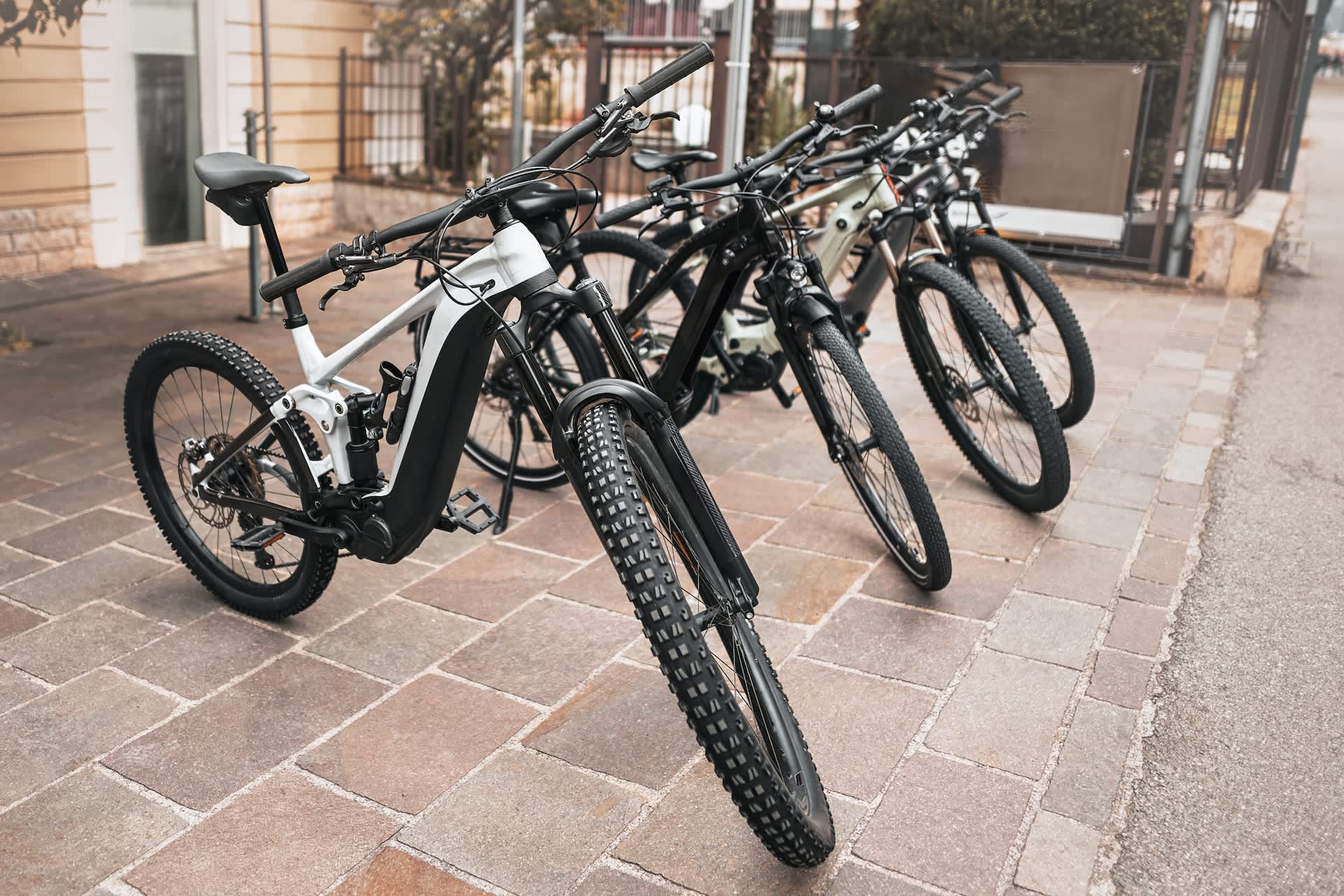
For commuters elsewhere, riding bikes instead of driving can reduce fuel spending and routine maintenance costs. Marketplaces like Upway list affordable refurbished e-bikes and a range of models, with many units priced up to 60% below retail. Riders can use the same platform to sell their used e-bikes.
Charging costs can drop even further when households add home solar. TCD’s Solar Explorer offers homeowners concierge-level service, helping them save up to $10,000 by comparing competitive bids from vetted installers and offering $0-down subscription options.
But savings mean little if riders can’t stay on the road. “We went electric to earn more, not stand by the roadside,” rider Kevin Macharia told the AP.
Get TCD’s free newsletters for easy tips to save more, waste less, and make smarter choices — and earn up to $5,000 toward clean upgrades in TCD’s exclusive Rewards Club.