As an automotive journalist with a quarter-century of experience, I’m on record as both a fan and a skeptic of electric vehicles (EVs). My message to friends has long been the same: You should eventually plan to make the switch. But wait as long as you can.
In part, I say this because I always encourage people not to buy a new car too soon. The best car for you is often the one you’ve already paid off.
But, in part, I say it because we are early in the EV era, and the earliest EVs are likely not the best EVs. Just as gas-powered cars improved quickly, EVs are getting better fast. Waiting could mean ending up with a better car.
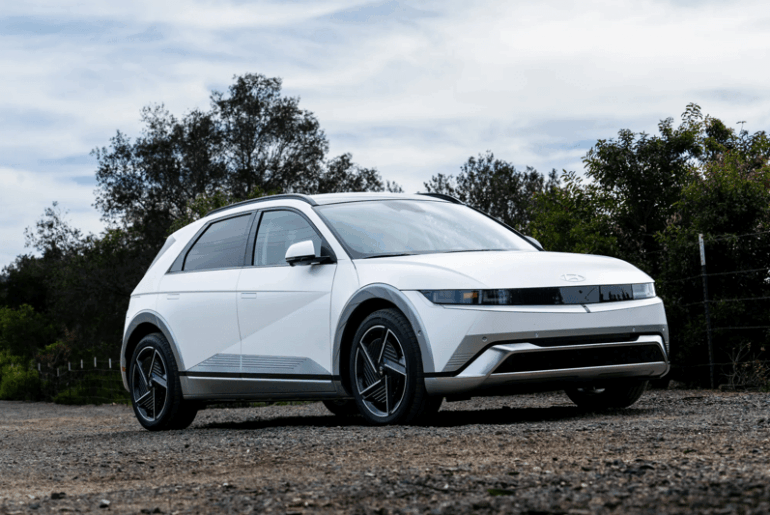
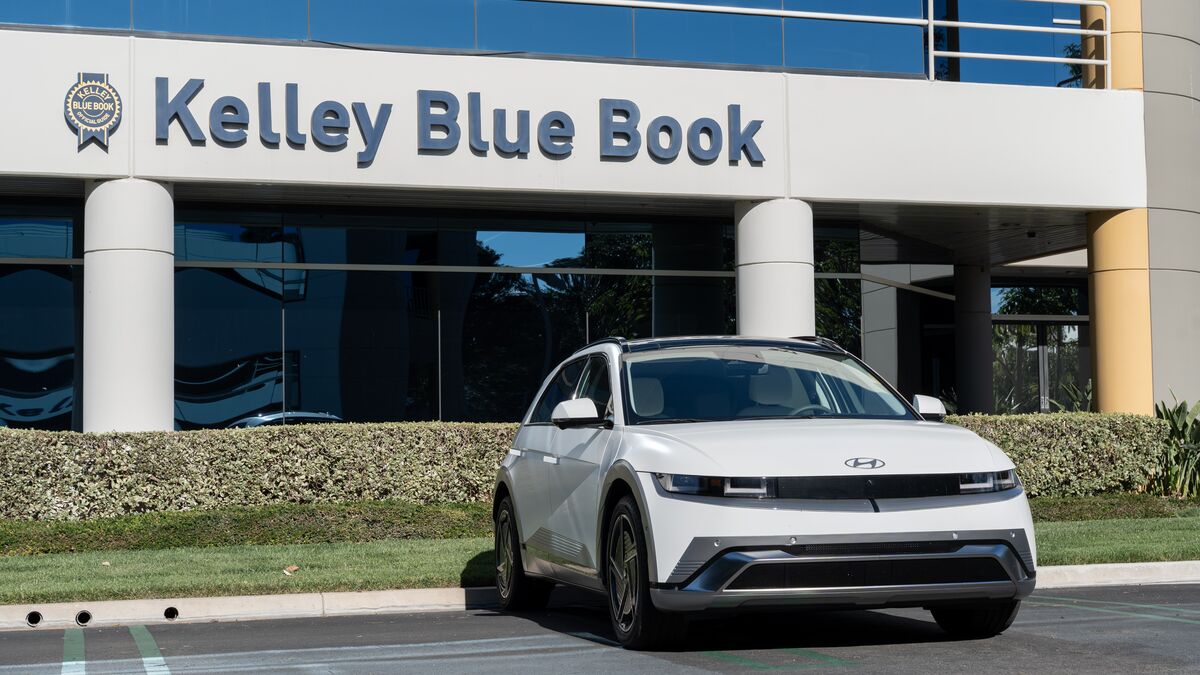
But it may be time. I’ll illustrate my case with our Best Buy Award Winner among EVs, the 2026 Hyundai Ioniq 5.
A 2024 study by Kelley Blue Book parent company Cox Automotive found that the major factors holding back EV skeptics are price, a lack of charging infrastructure, range anxiety, and the inability to charge at home.
All four factors are getting better. Using the Ioniq 5 as a sample, let’s explore them:
Prices Are Now Pretty Reasonable
The 2026 Ioniq 5 starts at $36,600, including a mandatory $1,600 delivery fee. Even a high-end, dirt-road-ready XRT model costs $47,875.
The average new car buyer in January paid $49,191.
Our Best Buy Award winner among EVs now costs less than the average new car. Yes, the value proposition was better last year before the end of the federal government’s $7,500 EV tax incentive. But many states offer their own incentives to further cut prices, and Hyundai often has its own incentives to drive down prices as well.
This month, they include a $6,000 cash discount on many in-stock models, or 0% financing for some buyers.
Charging Infrastructure Is Improving
A recent study found that the number of publicly available fast chargers grew by nearly a third last year. That happened even with much federal funding for chargers on hold.
But perhaps the biggest news in charging is that most automakers have standardized on a single plug shape. The 2026 Ioniq 5 now uses a Tesla-style North American Charging System (NACS) plug. That lets owners use Tesla Superchargers – the most common type of fast charger – without an adapter. An included adapter lets them use less-common Combined Charging System (CCS) plugs, too. Now that most rivals are following suit, most chargers built in the future will be NACS chargers. You’ll likely be able to use every charger you see without an adapter before long.
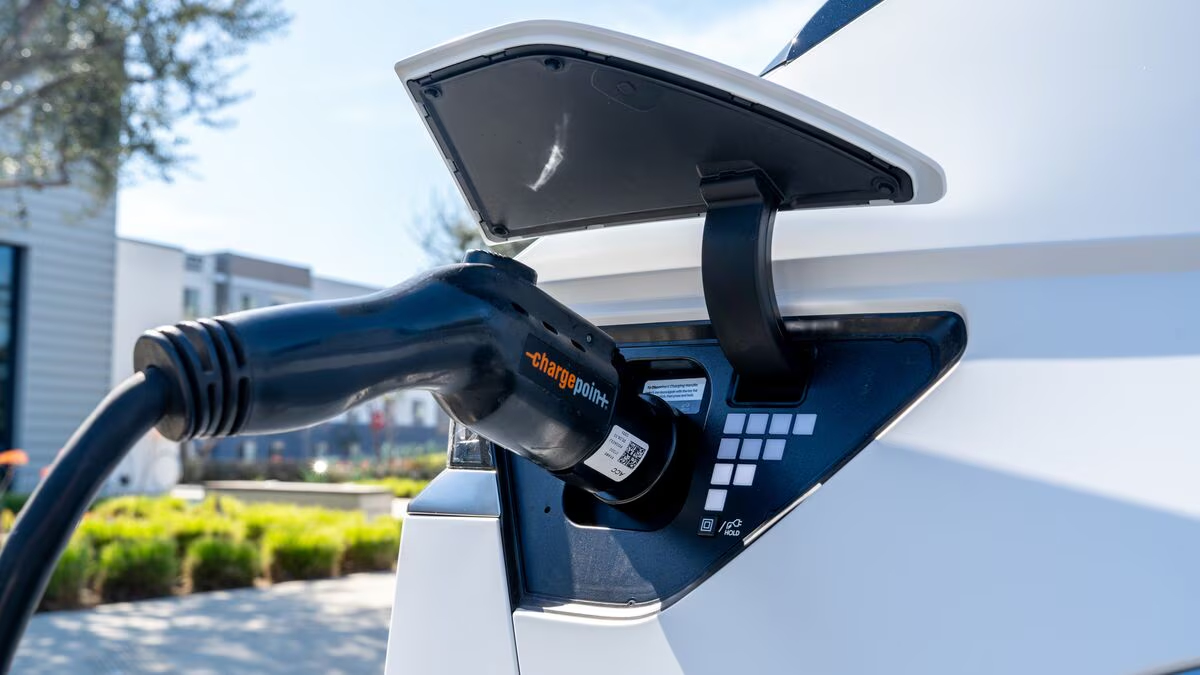 Photo: Alan Davis
Range Anxiety Is Not Much of an Issue Anymore
Charging is also less of a hurdle than you might think. Owning an EV means making a mental shift – you no longer stop mid-trip to fill up often. Instead, you fill up for less money at home. It’s like waking up to a full tank of gas every morning and rarely thinking about it.
Ioniq 5 buyers and lessees can choose between a Level 2 charger or a $400 credit for public charging. You’ll have to pay installation costs if you opt for the charger, but the cost of the home charger itself is included with the lease or purchase of the car.
On those rare road trips when charging is a must, the Ioniq 5’s 800-volt architecture is a gift. Range anxiety is really time anxiety. The Ioniq 5 is built to accept energy faster than the 400-volt system of Tesla’s Model 3 and Model Y, meaning charging stops don’t take as long.
The Driving Experience Is Just Better
If you haven’t driven an EV, you may have some misconceptions about what it’s like.
Before you try it, it can sound clinical and removed. It’s actually thrilling. Gasoline engines spool their power up gradually over a few seconds. Electric motors make 100% of their power available instantly.
You can buy a 2026 Ioniq 5 with 168, 225, 320, or 601 horsepower. But 225 electric hp feels quicker than 225 gas-powered horsepower.
The Ioniq 5 also has communicative steering and some of the most useful drive modes I’ve experienced in a car. Sport feels much more alive than Normal. Eco really does increase your available range. At the touch of a button, you can have a sedate commuter car for traffic or a sports car for a winding road.
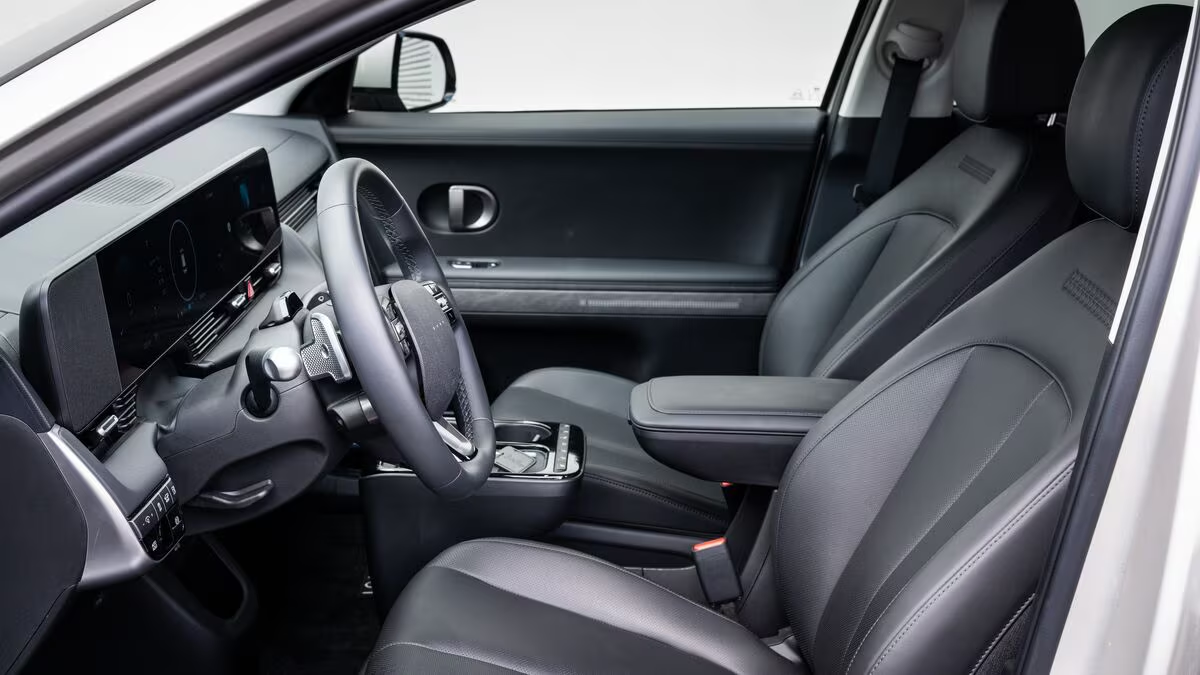 Photo: Alan Davis
This Thing Has Character
Lastly, the Ioniq 5 simply has style.
Its exterior blends straight lines and curves in a playful way. Add in the pixelated lights, and it has the effect of an 8-bit video game car come to life because of a wish.
Inside, one of the unique features of EVs is the lack of a transmission hump down the center of the car. Hyundai designers have used that space well, creating a cabin that feels uniquely spacious.