February 27, 2026
By Nehal Malik
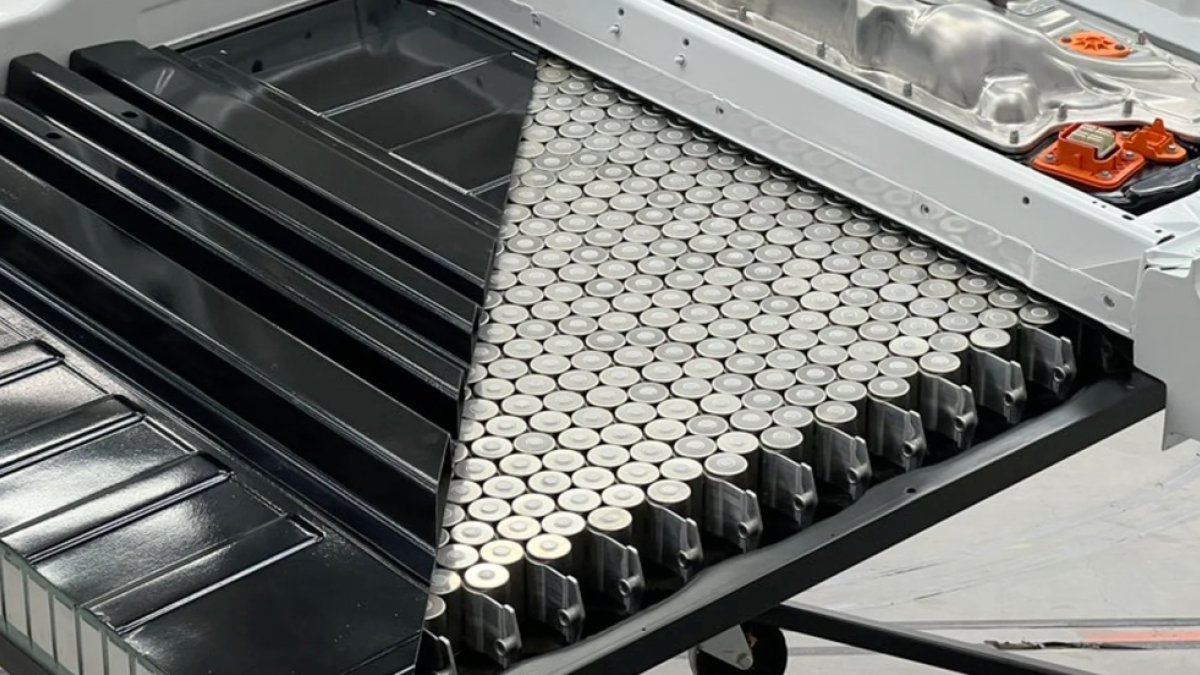
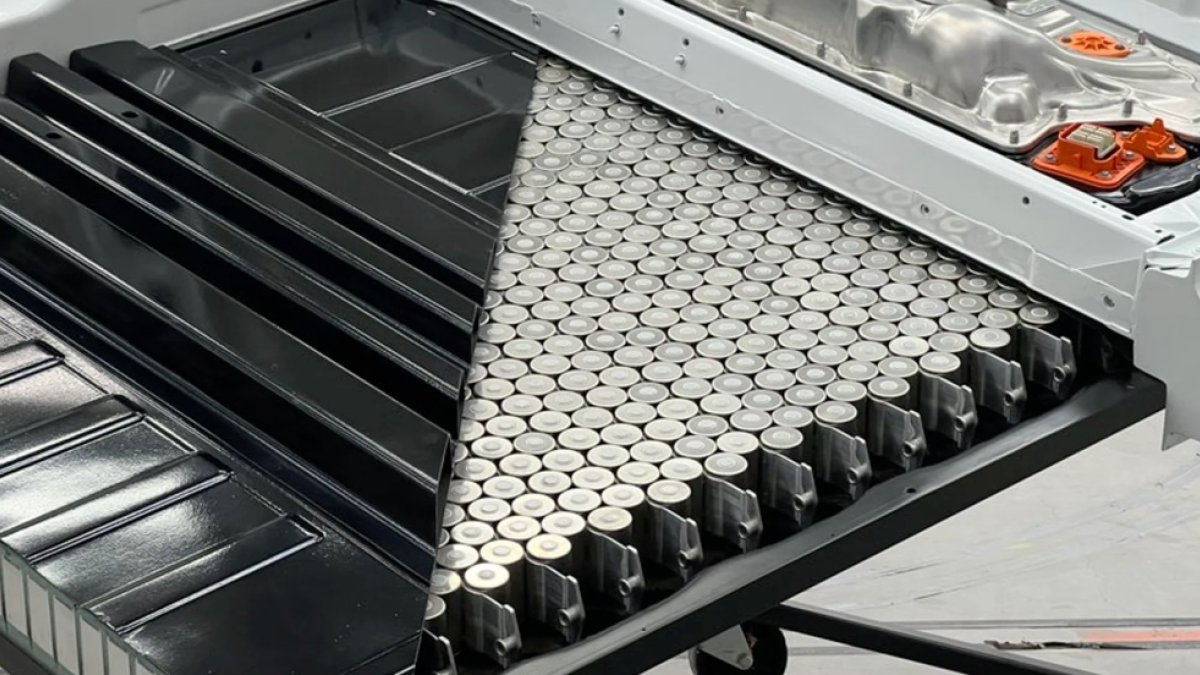
Tesla’s most crucial component is undoubtedly its high-voltage battery, and the company is now being more explicit than ever about how owners should treat it. In a recent update to the Model Y Owner’s Manual, Tesla has officially shared a suite of tips to maintain long-term battery health, providing a clear roadmap for maximizing range and performance.
While much of the advice aligns with long-standing community wisdom, Tesla has included a notably direct recommendation: avoid using Superchargers as your primary way to juice up. The manual now explicitly suggests that owners “save Supercharging for road trips or long drives” and instead prioritize Level 1 or Level 2 charging, such as wall outlets or Tesla Wall Connectors, for daily use.
The Battery Health Reality
Like any rechargeable device, the batteries in Tesla’s electric vehicles naturally degrade over time due to the chemical reactions inherent in charging and discharging cycles. Tesla defines battery health by how much of the original energy capacity remains. For example, a battery at 85% health means it has lost roughly 15% of its capacity, resulting in 85% of the driving range it provided when new.
To help owners manage this natural decline, Tesla utilizes sophisticated hardware and software systems to protect the battery. The vehicle automatically enters a low-power consumption mode when the charge level drops to approximately 0% to prevent a complete discharge that could damage internal components. For those who want extra peace of mind, Tesla even launched an extended warranty service for the high-voltage battery late last year.
Top Tips for a Healthy Battery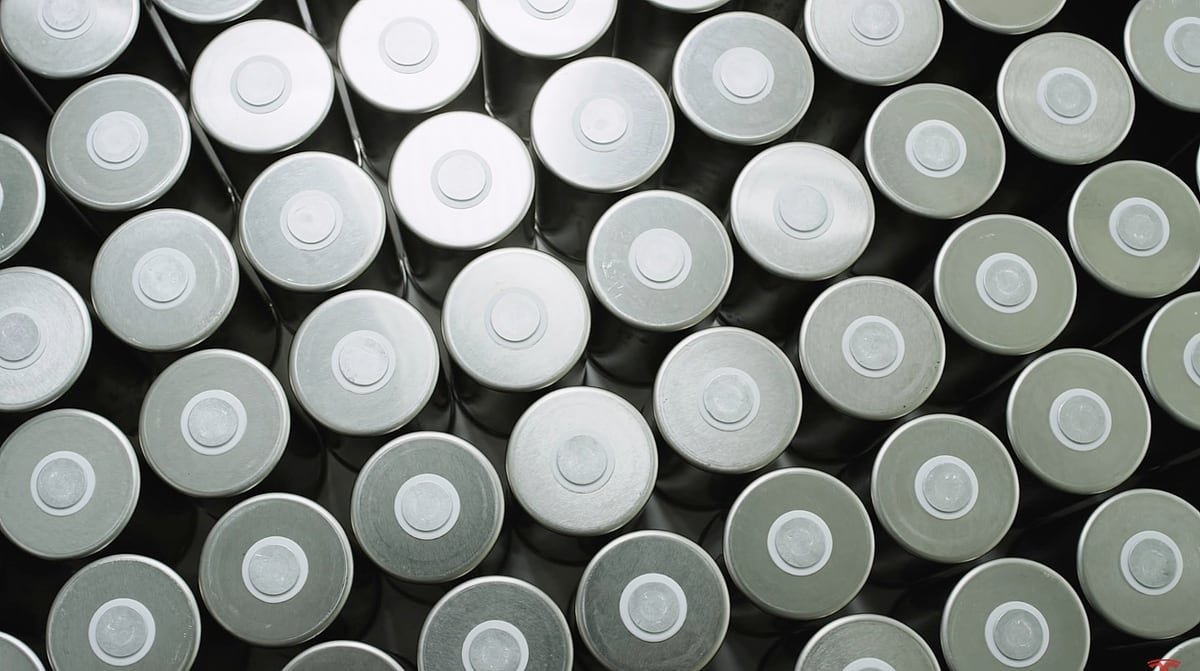
Tesla’s updated guidance emphasizes that the number of charge cycles and how long the battery stays at low or high states of charge play one of the biggest roles in its longevity. Here are the primary strategies Tesla recommends for maximizing battery health:
Stick to the 80% Rule: Unless you have a specific long drive ahead, Tesla recommends keeping your daily charge limit at about 80% to protect the battery.
Charge Frequently: Waiting until the battery is very low can strain the system over time. Tesla suggests charging more frequently to avoid deep discharge cycles.
Mind the Extremes: Avoid leaving the battery at or near 0% or 100% for long periods. If you are storing the car for a while, leave it at around 50% and, if possible, keep it plugged in (with the settings configured to maintain a 50% charge limit).
Limit Parasitic Drain: While the car is idle, features like Sentry Mode, Dog Mode, and even leaving devices plugged into USB ports will slowly discharge the battery. Tesla notes the battery can discharge at a rate of approximately 1% per day just to power onboard electronics.
By following these manufacturer-approved tips, owners can significantly slow the natural aging process of their EVs. As Tesla continues to refine its battery chemistry and charging algorithms, these small daily habits remain the best way to ensure your vehicle stays on the road for the long haul.
Ordering a New Tesla?
Use our referral code and get 3 months free of FSD or $1,000 off your new Tesla.
February 27, 2026
By Karan Singh
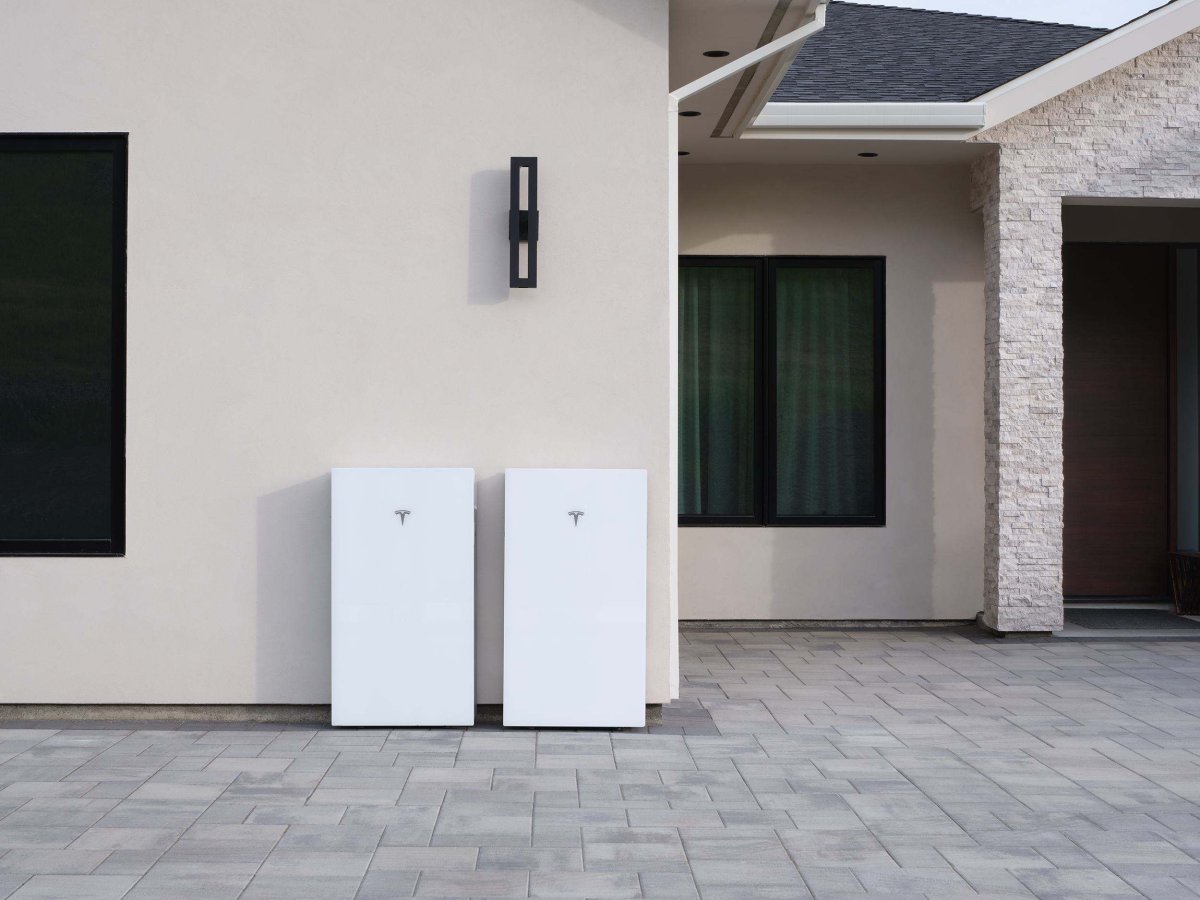
Tesla’s energy storage business is actually its fastest-growing business, and is shipping Megapacks and Powerwalls at an unprecedented rate. To help keep up with demand, Tesla is working to secure even more domestic battery supply.
According to recent reports from South Korea, LG Energy Solution has struck a deal to manufacture LFP (Lithium Iron Phosphate) batteries specifically for Tesla’s Energy Storage Systems (ESS). Best of all for Tesla’s North American operations, these cells will be built in the United States.
The Lansing Facility
The new LFP cells will be manufactured at LG’s massive facility in Lansing, Michigan. With a total production capacity of 50 GWh per year, the Lansing site will be one of LG Energy Solution’s largest battery plants in all of North America.
To accommodate Tesla’s massive energy storage needs, LG is actively converting a significant portion of the Lansing factory’s production lines to focus exclusively on LFP for Tesla. According to the report from South Korea, LG has already placed orders for all the new LFP equipment required for the new production lines.
If the retooling goes according to plan, mass production of Tesla-bound LFP cells is expected to begin in the second half of 2027.
Adding to Tesla’s Capacity
This isn’t the only capacity for LFP that Tesla is working on securing – its own LFP plant is now operational and beginning to ramp its production as per the Q4 2025 Earnings Call. Tesla has been pushing to vertically integrate LFP production in North America over the last several years, rather than relying on imported sources.
Why LFP?
For stationary storage, LFP is the undisputed king of today’s battery chemistries. Unlike the energy-dense nickel-based batteries used in most Tesla vehicles today, stationary storage doesn’t need to be ultra-lightweight.
Instead, it needs to be durable, safe, and cost-effective to produce. LFP cells perfectly fit the bill, as they degrade much more slowly over thousands of daily charge and discharge cycles, carry practically zero risk of thermal runaway, and eliminate the need for costly minerals like cobalt and nickel.
IRA Tax Advantage
Perhaps the most crucial aspect of this deal is the location. Currently, the global LFP market is overwhelmingly dominated by Chinese suppliers like CATL and BYD. While Tesla maintains strong partnerships with these companies – and has their cells in Megapacks and Powerwalls built in Mega Shanghai – relying heavily on imported Chinese cells exposes Tesla to geopolitical supply chain risks and import tariffs.
By having LG manufacture these LFP cells in Michigan, Tesla guarantees a stable, North American supply chain for its Megafactories in California and Texas. Plus, sourcing cells domestically allows Tesla’s commercial and residential energy customers to take full advantage of the lucrative tax credits baked into the US Inflation Reduction Act (IRA), a massive competitive advantage that makes Tesla’s energy products even more financially appealing.
With Tesla Energy recently posting record-breaking deployment numbers, this LG partnership ensures the battery supply will be there to meet the soaring demand.
February 27, 2026
By Nehal Malik
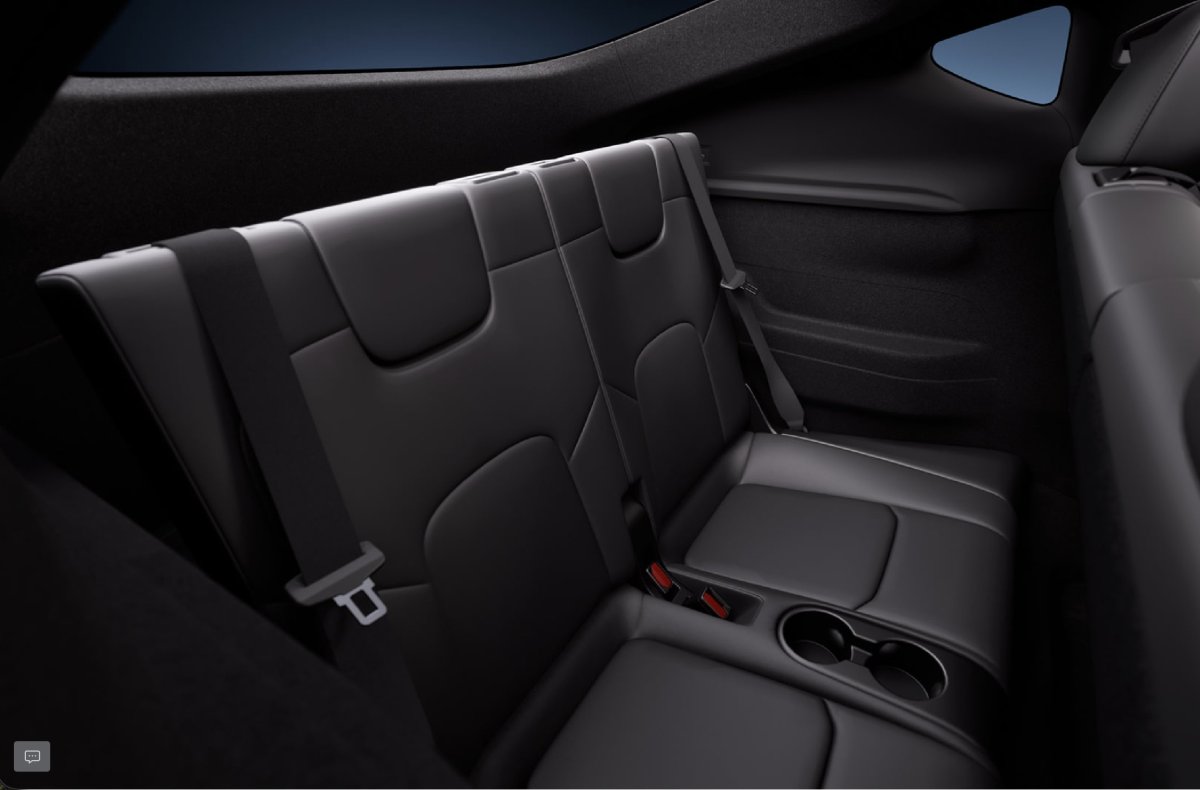
Tesla is making a major play for large families across the Atlantic by bringing back a highly requested interior layout. After a brief absence following last year’s “Juniper” refresh, the seven-seat configuration for the Model Y has officially returned to the European market.
The news was confirmed by Tesla Europe, noting that the seven-seat configuration is now available with the Model Y Premium Long Range All-Wheel Drive in the region. While the option is a welcome return for those needing extra room, it currently comes with a few caveats.
Seven Seats for the Premium AWD
The third-row option isn’t available for every version of the Model Y. Instead, it is offered exclusively on the Premium Long Range All-Wheel Drive (AWD) variant. Adding these two forward-facing individual seats in European countries like Germany and the Netherlands costs an additional €2,500.
This update follows the U.S. launch of the seven-seat Juniper refresh earlier this month. Just like the North American version, European buyers can choose between black or white interior colors. The refresh also brings a more premium cabin experience with a switch to a black headliner, an upgraded 16-inch central touchscreen, and the option for new 20-inch Helix wheels. For families on the go, the second row even includes an eight-inch display for climate and entertainment control.
Model Y L: Still a China Exclusive
While seven seats are great, many European families have been eyeing the Model Y L — a longer version of the SUV that features a wheelbase extended by 150mm. This “L” variant offers a true 2-2-2 seating layout, providing much more legroom for those in the back.
Despite receiving type approval in the EU late last year, the Model Y L remains unavailable in Europe. It was recently approved for sale in Australia, which may become its first market outside of China. The decision to reintroduce the seven-seat option on the standard wheelbase model may be a play to hold interest from larger families in the region, indicating that it might still be a while before the stretched “L” version actually hits European showrooms.
Performance and Practicality
Even with seven people on board, the Model Y remains a powerhouse. The Premium AWD configuration offers a WLTP range of up to 600 kilometers and can sprint from 0 to 100 km/h in just 4.8 seconds. In terms of storage, there are 381 liters of space behind the third row — enough for two standard carry-on suitcases. Folding the back seats down opens that up to 894 liters, making it one of the most spacious mid-size SUVs in its class.
Deliveries for the new seven-seat variant from Gigafactory Berlin are currently estimated for April to May 2026. It’s a strategic move to widen Tesla’s footprint in a segment where other manufacturers are still lagging behind.