► Can long-distance electric car charging be better?
► Testing Porsche’s charging hub
► Is this how to make charging easier?
Despite what the brochures try to sell you, travel is not glamorous. Airports are awful, train stations are miserable and petrol stations are dystopian, wee-infused horror scenes.
Electric cars have, so far, not offered much hope of change. For every swanky new charging hub, there are countless forgotten corners of gym club car parks with 50kW chargers asthmatically topping up a series of EVs, the faces of the bored owners lit with the pale light of their phones as they doom-scroll cat videos.
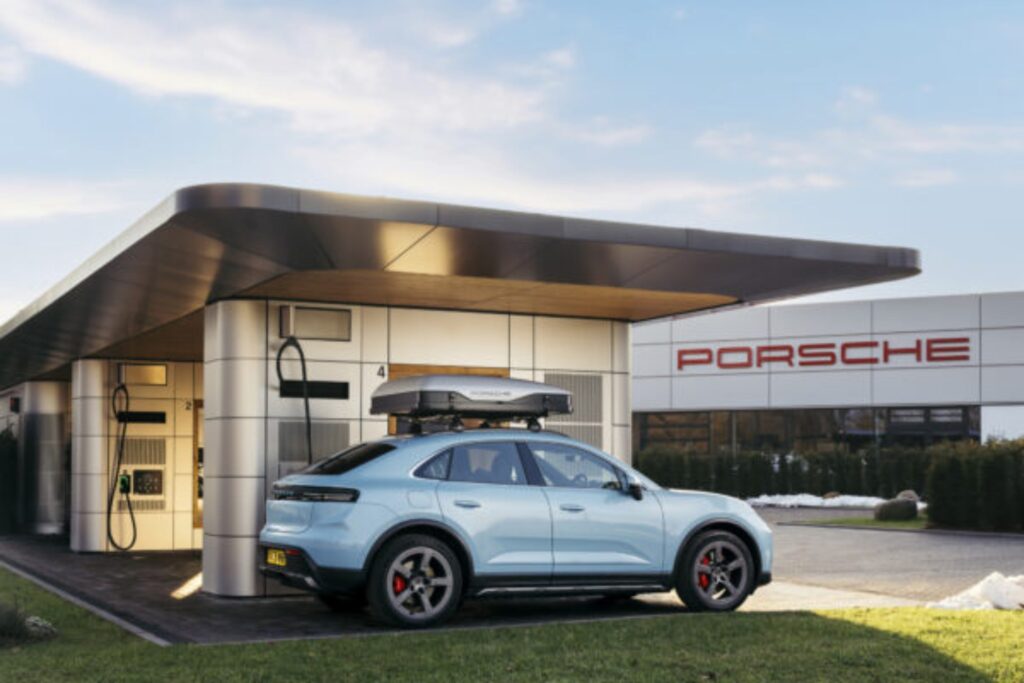
Change is afoot, though. Porsche offers hope of a brighter future as it’s rolled out a series of ‘Charging Lounges’ across Europe, with a further one rumoured for the UK this year. We tried the lounge outside Hamburg and it was a welcome relief from fighting the masses in hidden corners of car parks.
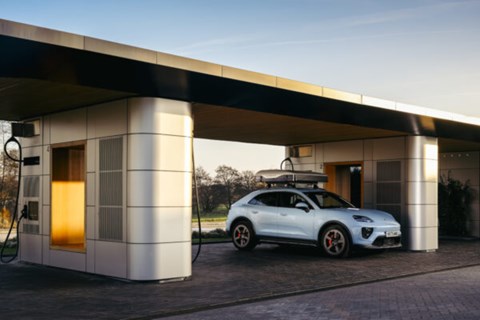
The process is easy. All of the lounges are behind barriers so you swipe your key fob to get in and then simply park up in one of the bays that each offer 400kW charging. Hamburg has four of them.
Soft music plays and the design is very much in keeping with all the Porsche dealers. In other words, any owner will feel a sense of familiarity and reassurance.
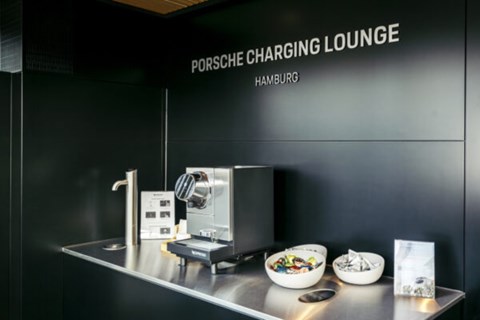
The Hamburg one isn’t manned but is under 24/7 CCTV security. Crucially, there’s a pod attached to it with a vending machine for snacks and soft drinks, along with a small seating area (stocked with Porsche books and magazines, naturally) and a toilet.
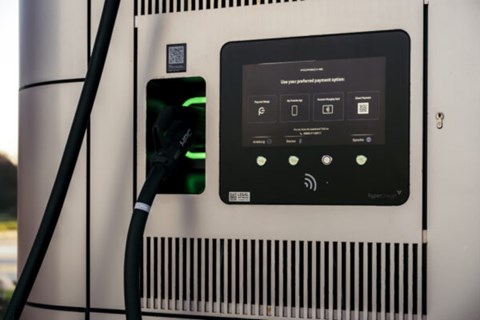
This is what charging should feel like, both from an amenity point of view and a security aspect: I’ve lost count of the number of places I’ve charged at where I would feel vulnerable if I was a lone woman.
Porsche is not alone in sensing an opening. Audi and Mercedes have both got their own hubs and offer a similar experience. It’s an interesting take on what Tesla has offered all these years – more luxe but also fewer in number. You can’t see these cropping up in as many places as Elon has managed.
But it is a growing trend and not just for manufacturers. Thomas Hurst, Fastned’s UK director, knows that offering more facilities like this will be key for the likes of Fastned going forward. He explains: ‘Our flagship offering [outside Ghent] is being rolled out across the rest of Europe and [in due course] in the UK.’ Gridserve offers similar at a few sites in the UK and Ionity is also in on the act.
Hurst points out that so far this hasn’t been a priority. In much the same way as in the early days petrol stations weren’t the emporium of shops and fast food outlets that the service station became, so the charge companies have, up until now, largely been concentrating on just getting cars charged. As Hurst acknowledges, ‘We sell kilowatt hours, just as a petrol operator sells fuel. For us, we want to sell high volumes that need higher charging speeds.’

But better facilities and better security is where the differentiation will come. Customers have already worked out which chargers are the most reliable, especially with all the open-source data available now, and the same will apply to which offers the best facilities.
Whoever would have thought that toilets and snacks would be the new battleground for the hearts and minds of EV drivers?