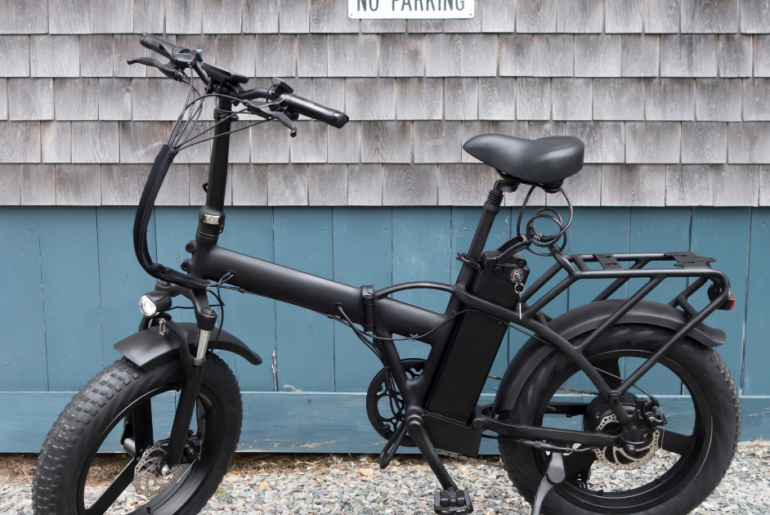
China is tightening oversight of its massive electric bicycle industry with a new reform that will require mandatory product traceability markings on electric bikes and several of their major related components.
According to an announcement from the China Automobile Certification Center (CCAP), electric bicycles, lithium-ion batteries for e-bikes, chargers, and even helmets will now need to display the CCC mark alongside a traceable QR code. The move is part of a pilot reform under China’s CCC (China Compulsory Certification) framework. The CCC is the main regulatory compliance body in China, something akin to CE in Europe or UL in the US.
The new guidelines mark a fairly significant shift in how China plans to regulate and enforce compliance in the e-bike sector.
Under the new rules, each certified product must carry a unique QR code that corresponds one-to-one with its certification record. That means regulators can scan the code and trace the product back to its specific certification documentation, manufacturer, and potentially even production batch. Newly certified products must comply starting March 1, 2026, while products already certified under the current system must implement the traceable marking by March 1, 2027.
Advertisement – scroll for more content
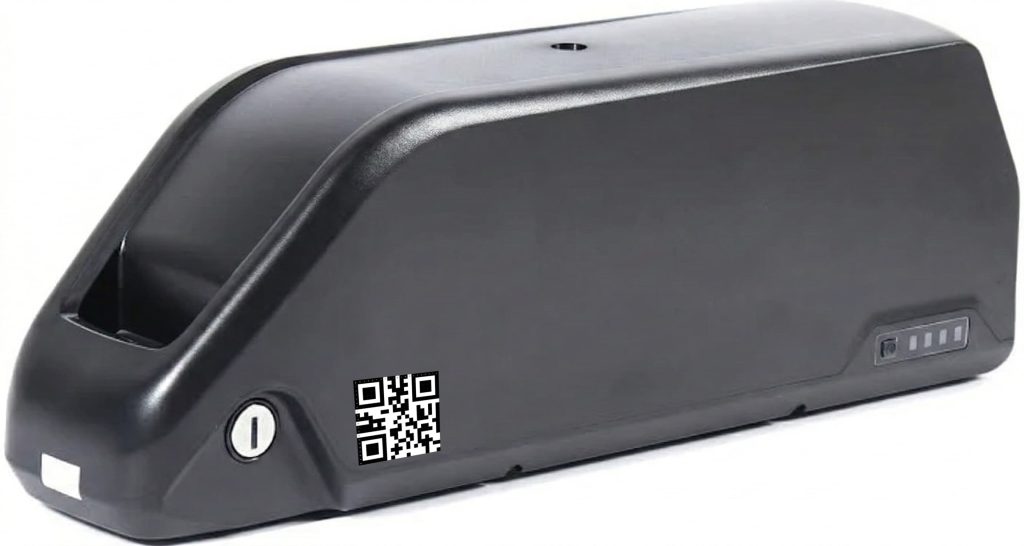
The goal is to strengthen enforcement, reduce counterfeiting of CCC marks, and improve accountability in an industry that has faced recurring scrutiny – particularly around lithium-ion battery safety. Battery fires in electric two-wheelers have been a persistent issue in China and other parts of Asia, and regulators have steadily tightened manufacturing and certification requirements over the past several years.
By linking each product’s certification mark to a scannable digital record, authorities gain a far more precise enforcement tool. Non-compliant products become easier to identify, recalls can be more targeted, and counterfeit certification labels become harder to pass off as legitimate. There have already been several cases of fraudulent UL certifications on e-bikes in the US, and a regulation like this will prevent such cases from occurring in Chinese e-bikes or batteries.
For manufacturers, however, the change adds new layers of compliance complexity. Certified organizations must establish systems to manage QR code issuance, maintain records, and ensure proper use of the marks. Administrative overhead will increase, particularly for smaller players.
In the broader context, the reform signals that China is continuing to professionalize and standardize its e-bike industry. As the world’s largest producer and consumer of electric bicycles, regulatory moves in China often ripple outward through global supply chains.


FTC: We use income earning auto affiliate links. More.