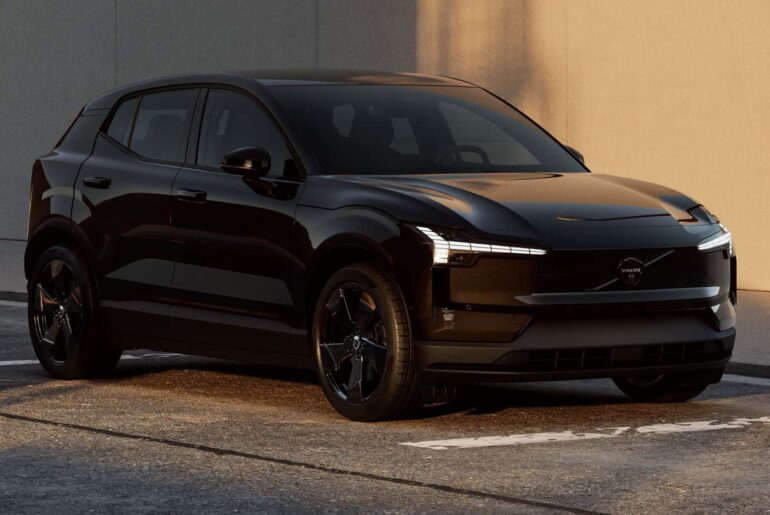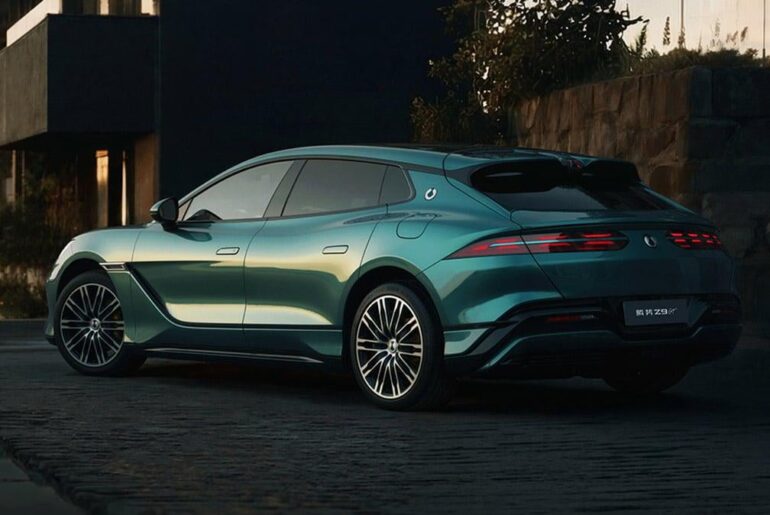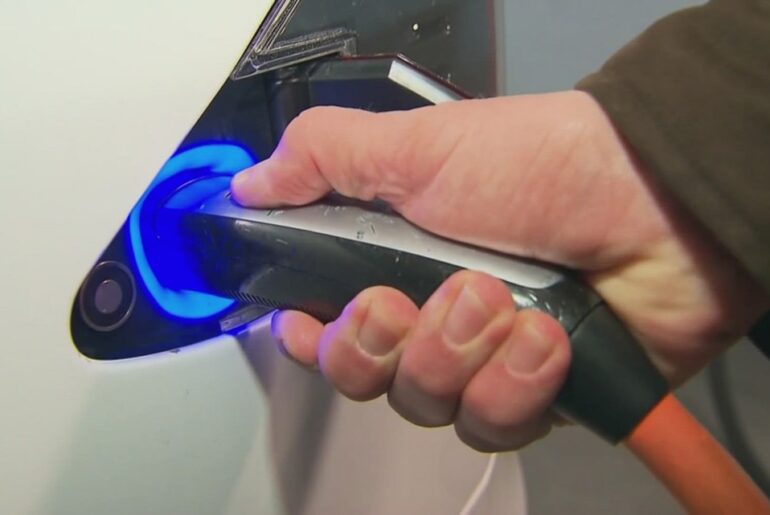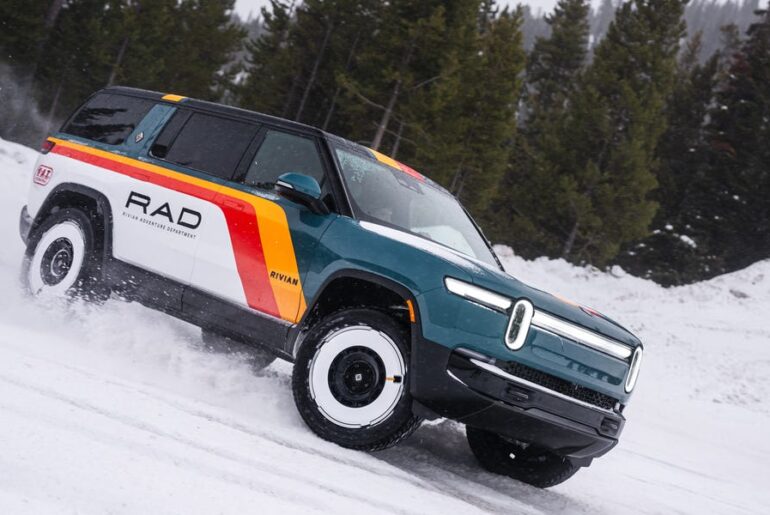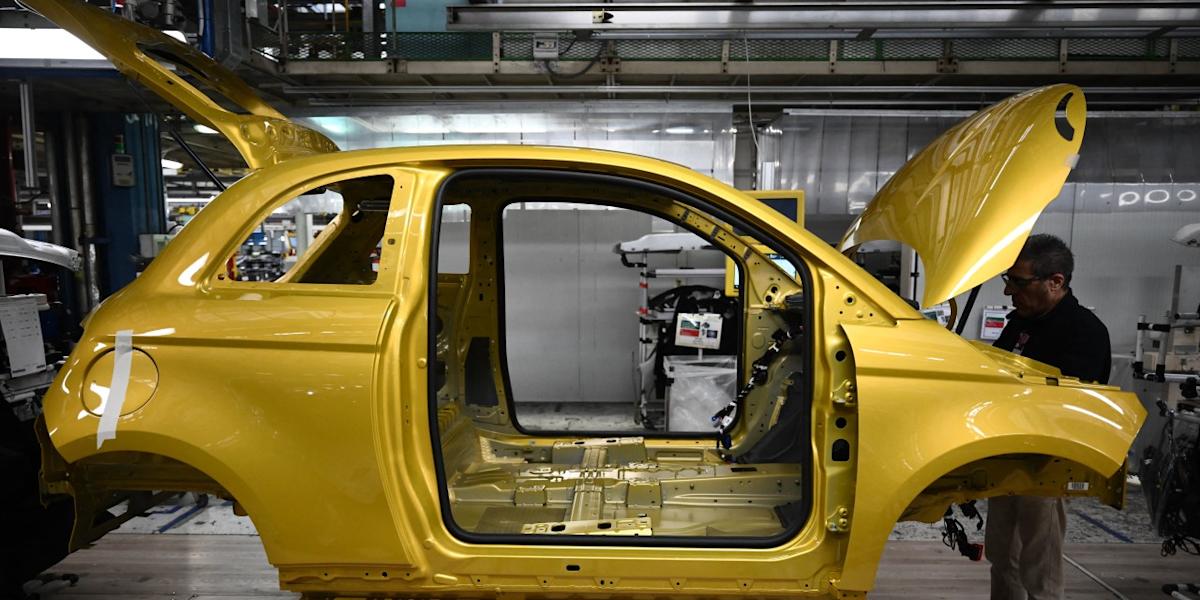
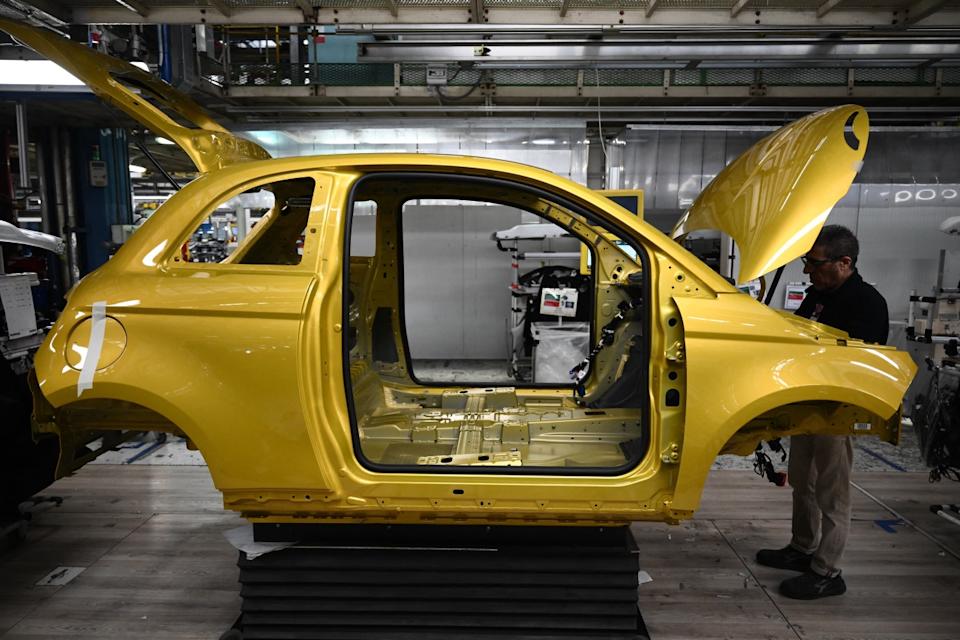
 Stellantis and other big automakers are pumping the brakes on their electric-vehicle business. – marco bertorello/Agence France-Presse/Getty Images
Stellantis said the relaunch of popular products such as its gas-guzzling eight-cylinder “Hemis” would power it back to profitability this year, after a retreat from electric vehicles.
The automaker on Thursday reported an annual net loss of 22.3 billion euros, equivalent to $26.34 billion, reflecting the huge charges it flagged earlier this month as it rows back major investments in EVs.
Stellantis and other major automakers are pumping the brakes on their EV business and investing in hybrids and old-school combustion engines again. Consumers have been reluctant to buy EVs because of high sticker prices, worries about range and the removal of tax credits.
The financial blow “reflects the cost of overestimating the pace of the energy transition,” Stellantis Chief Executive Antonio Filosa said.
The company is now resetting its strategy to offer customers greater flexibility across electric, hybrid and internal-combustion models, Filosa said.
Last year, Stellantis launched 10 new products, including historic nameplates that had been retired in the hasty shift to EVs, such as the Jeep Cherokee and “Hemi V8” version of the Ram 1500 pickup truck.
Stellantis on Thursday touted early signs of progress. While the company reported a 2% fall in annual revenue to €153.51 billion, it said sales and orders had picked up in the second half of the year thanks to the expanding lineup.
It said its adjusted operating loss came to €842 million, swinging from a profit of €8.65 billion in 2024.
For 2026, Stellantis said it aims for a mid-single-digit percent rise in revenue and a swing back to a slightly positive adjusted operating margin.
“In 2026 our focus will be on continuing to close the execution gaps of the past, adding further momentum to our return to profitable growth,” Filosa said.
Stellantis announced charges totaling some $26 billion earlier this month, relating to canceled vehicle platforms and products—including the Ram 1500 EV and Jeep Wrangler 4xe—and the sale of a stake in a Canadian battery plant among other items.
The company also said it would issue bonds and pause shareholder payouts to shore up its balance sheet.
The news dragged shares in the group to their lowest since it was formed by the 2021 merger of France’s Peugeot maker PSA Group and Italian-American Fiat Chrysler Automobiles.
The impairment mirrored similar reversals among Stellantis’s peers as the industry scales back a once-ambitious push to phase out fossil-fuel-powered vehicles through investment in EVs. President Trump’s administration has cut subsidies for EVs and funding for charging infrastructure, and quashed emissions rules that favored electric models.
Combined with impairments booked by General Motors and Ford Motor, charges related to a dialing-down of EV investment have climbed to more than $50 billion in recent months.
After the stinging EV-related charges, the question facing Stellantis now concerns the speed of its turnaround.
“It seems almost impossible for Stellantis results to deteriorate further,” Citi analyst Harald Hendrikse wrote in a note to clients.
Despite the “obvious low point” in profit, however, he cautioned that “recovery will take time.”
Write to Joshua Kirby at joshua.kirby@wsj.com and Stephen Wilmot at stephen.wilmot@wsj.com