The Santa Cruz City Council is working to introduce new e-bike regulations to address a lack of oversight regarding rider speed and road safety. The city hopes to have 30% of its population commuting by bike by 2035 and plans to incorporate e-bikes into this vision, but wants safety measures in place first.One proposed initiative is a school permit pilot program that would require students to complete a safety course to park their bikes on campus. The city’s principal transportation planner, Claire Gallogly, said, “It’s going to involve in-person education for our middle school students, as well as on-bike training, in order to get a parking permit sticker to be able to ride an e-bike and park on campus.” Mission Hill and Branciforte Middle School are included in the pilot.Other potential actions include new safety signage along multi-use paths, an ordinance setting a minimum riding age of 10 for class-1-and-2 e-bikes, and a vote supporting a bill that would allow the city to set speed limits on bike lanes and sidewalks. Gallogly said, “We’re also expanding the educational programming that we’re doing at our high schools, really, with an e-bike focus.”Some e-bike riders in Santa Cruz support the idea. Bodie Harrison, a Pro One Wheel rider, said, “If it’s just a permitting program for young adults and kids to ride their bikes around, like I’m all for it, I would do it.” Tyler James, another pro, said, “This is definitely the future. So I’m all for that. And I think it will actually sell more e-bikes and get more kids on bikes going to school rather than having the parents take them.”Class one and two e-bikes are legal to ride on city streets and have a top speed of under 30 miles per hour. Anything exceeding that speed is illegal on public roads. James provided an example of a legal e-bike, saying, “It’s just a fun toy to mess around on. It’s built after a 1970s mini bike, so all of our dads probably had one of these with a huge motor in the middle. But now, we got good batteries, so it’s all hidden and it’s a really sleek design.”The city of Capitola is also advocating for state age restrictions, but will not propose a pilot permit program. Young riders are central to these regulations because they do not receive proper road training until they seek a driver’s license. Gallogly said, “When we have youth who are starting to ride e-bikes, they haven’t been exposed to that. So we’re trying to normalize that and level the playing field there so that when kids are on the road, they know what to do.”
SANTA CRUZ, Calif. —
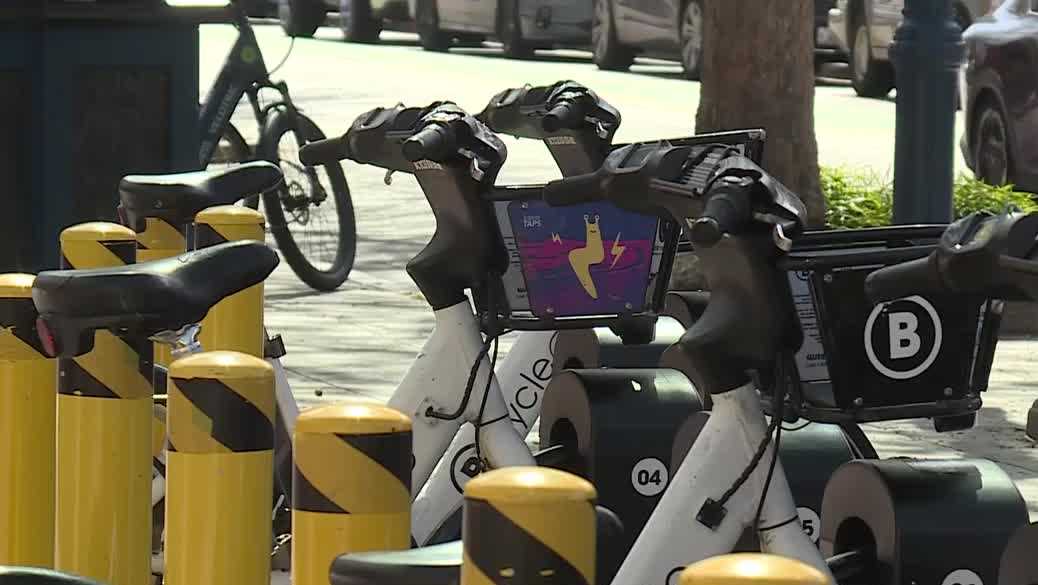
The Santa Cruz City Council is working to introduce new e-bike regulations to address a lack of oversight regarding rider speed and road safety. The city hopes to have 30% of its population commuting by bike by 2035 and plans to incorporate e-bikes into this vision, but wants safety measures in place first.
One proposed initiative is a school permit pilot program that would require students to complete a safety course to park their bikes on campus.
The city’s principal transportation planner, Claire Gallogly, said, “It’s going to involve in-person education for our middle school students, as well as on-bike training, in order to get a parking permit sticker to be able to ride an e-bike and park on campus.”
Mission Hill and Branciforte Middle School are included in the pilot.
Other potential actions include new safety signage along multi-use paths, an ordinance setting a minimum riding age of 10 for class-1-and-2 e-bikes, and a vote supporting a bill that would allow the city to set speed limits on bike lanes and sidewalks.
Gallogly said, “We’re also expanding the educational programming that we’re doing at our high schools, really, with an e-bike focus.”
Some e-bike riders in Santa Cruz support the idea.
Bodie Harrison, a Pro One Wheel rider, said, “If it’s just a permitting program for young adults and kids to ride their bikes around, like I’m all for it, I would do it.”
Tyler James, another pro, said, “This is definitely the future. So I’m all for that. And I think it will actually sell more e-bikes and get more kids on bikes going to school rather than having the parents take them.”
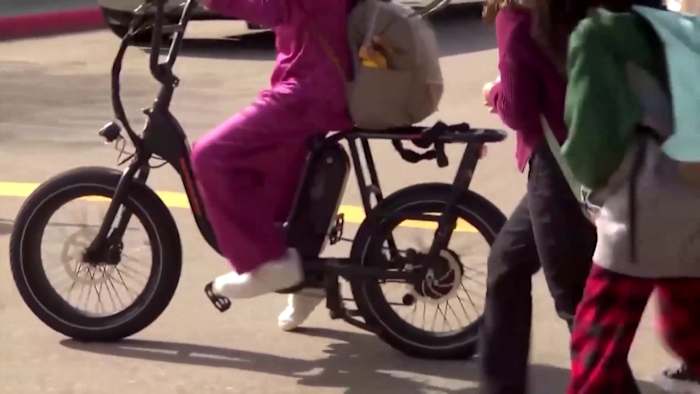
Class one and two e-bikes are legal to ride on city streets and have a top speed of under 30 miles per hour. Anything exceeding that speed is illegal on public roads.
James provided an example of a legal e-bike, saying, “It’s just a fun toy to mess around on. It’s built after a 1970s mini bike, so all of our dads probably had one of these with a huge motor in the middle. But now, we got good batteries, so it’s all hidden and it’s a really sleek design.”
The city of Capitola is also advocating for state age restrictions, but will not propose a pilot permit program. Young riders are central to these regulations because they do not receive proper road training until they seek a driver’s license.
Gallogly said, “When we have youth who are starting to ride e-bikes, they haven’t been exposed to that. So we’re trying to normalize that and level the playing field there so that when kids are on the road, they know what to do.”