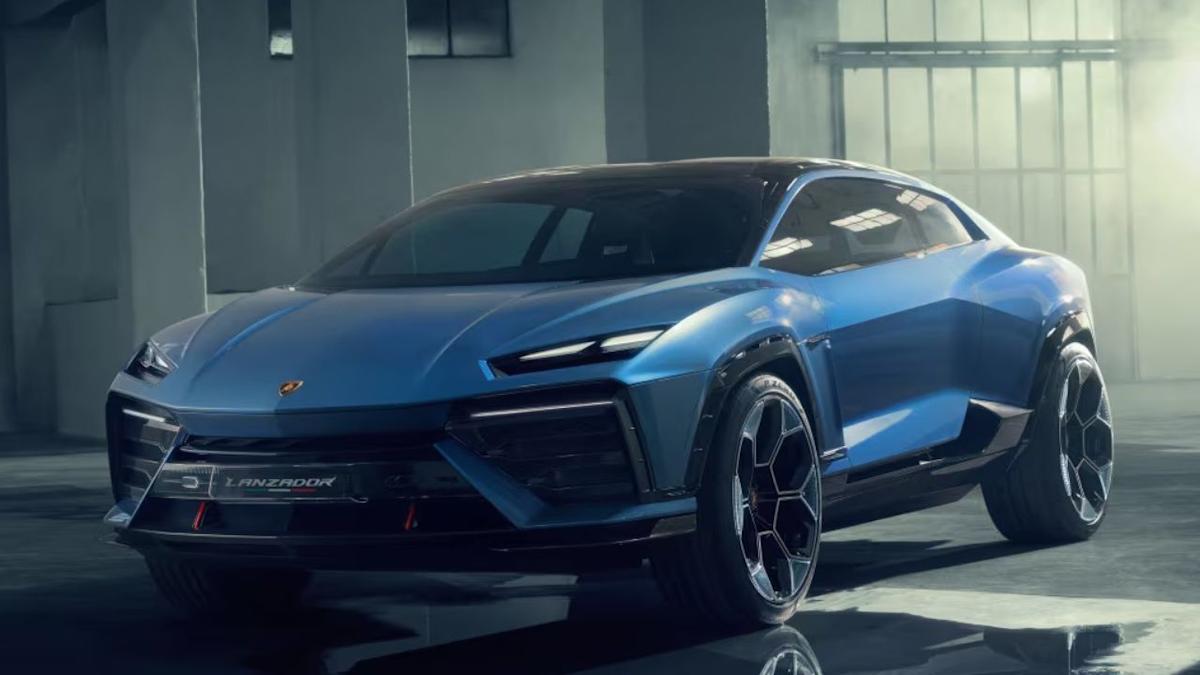
In today’s automotive industry, the momentum behind electric vehicles is not moving at the same pace across every segment. Family-focused battery crossovers and luxury sedans continue to grow in popularity, but the situation looks very different among buyers who expect drama, spectacle, and raw emotional impact from their cars. This is the world of ultra-high-performance vehicles, where emotion often matters more than pure logic, and it is exactly here that a notable shift has taken place.
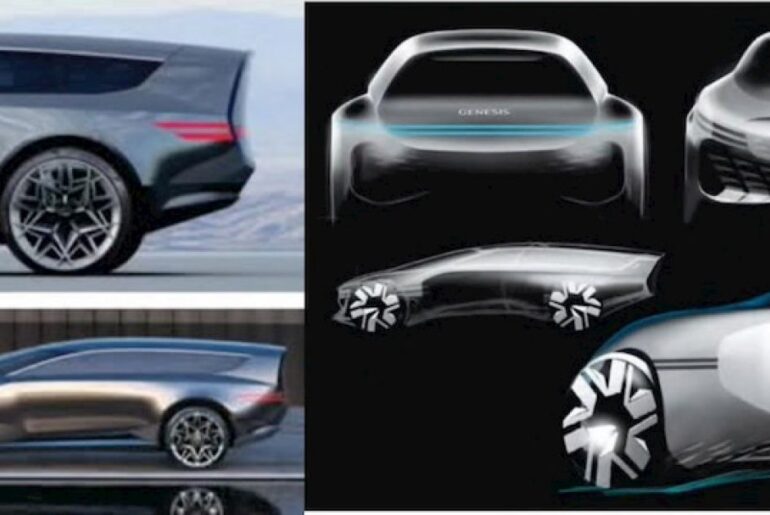
Italian supercar manufacturer Lamborghini has officially stepped away from plans for a fully electric version of the Lanzador. The concept, first unveiled in 2023, represented a bold vision for the brand’s future. Designed as a high-riding coupe with supercar proportions, the Lanzador was expected to arrive around 2029 and was intended to mark a new chapter for the storied Italian automaker.
At the time, the concept signaled a confident step toward an electric future. Today, however, the decision highlights just how difficult it can be to reshape the identity of a brand whose reputation has long been built on the sound, feel, and mechanical theater of high-performance internal combustion engines.
Why Lamborghini’s EV Strategy Changed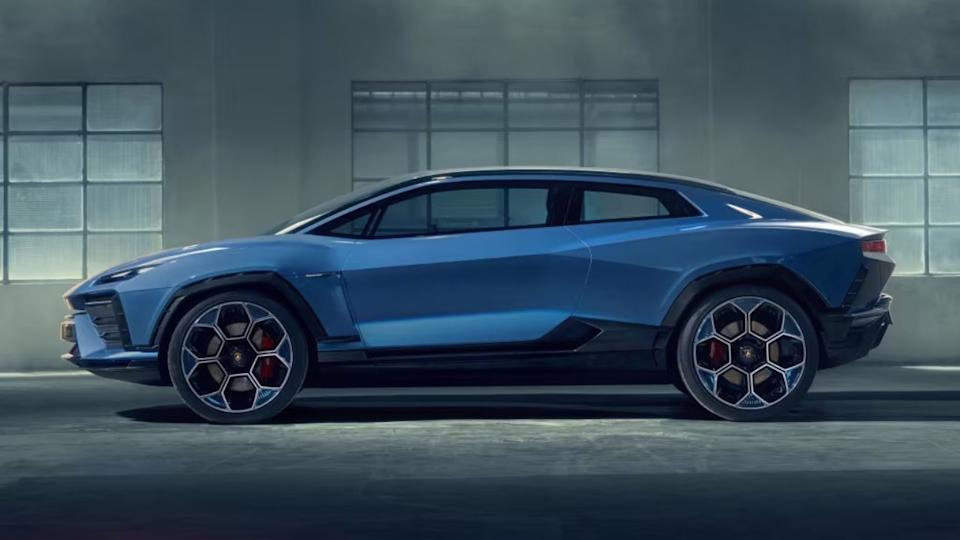
Photo Courtesy: Autorepublika.
According to CEO Stephan Winkelmann, customer interest in a fully electric Lamborghini remains extremely limited. In his view, the adoption curve among the brand’s traditional buyers is close to nonexistent. That reality has forced the company to reassess how quickly it should move toward full electrification.
Lamborghini customers are not simply shopping for acceleration figures or advanced technology. They are buying an emotional experience. The soundtrack of a high-revving engine, the vibrations transmitted through the chassis, and the direct mechanical connection between driver and machine all play a central role in the appeal. Even though electric vehicles can deliver astonishing straight-line performance, the near silence of electric propulsion does not create the same sensory experience that has defined the brand for decades.
This challenge is not unique to Lamborghini. Across the ultra-luxury and exotic performance segment, automakers are discovering that EV adoption among enthusiasts is progressing more slowly than originally predicted. Brands whose identities rely heavily on sound, character, and mechanical drama face a more complicated transition than mainstream manufacturers focused on efficiency or practicality.
The Risk Of Electrifying Too Fast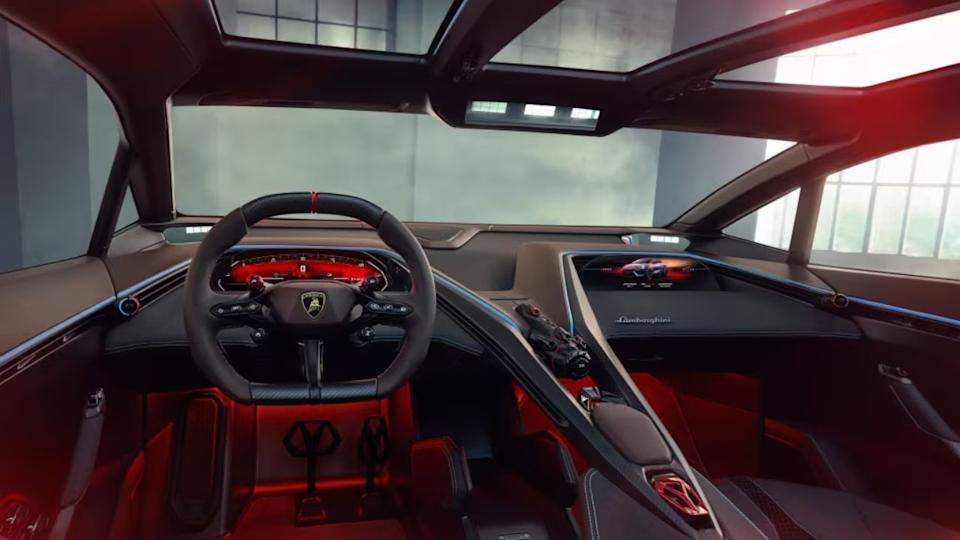
Photo Courtesy: Autorepublika.
Winkelmann has also warned that aggressively pursuing electrification without clear customer demand could become an expensive mistake. Investing heavily in technology that buyers do not actually want, he suggested, could easily turn into a costly experiment with little return.
For a company like Lamborghini, which carefully balances innovation with heritage, that risk appears too high. The brand has always positioned itself at the intersection of performance engineering and emotional appeal, and abandoning one half of that equation could weaken what makes the company unique in the first place.
Lanzador Lives On As A Plug-In Hybrid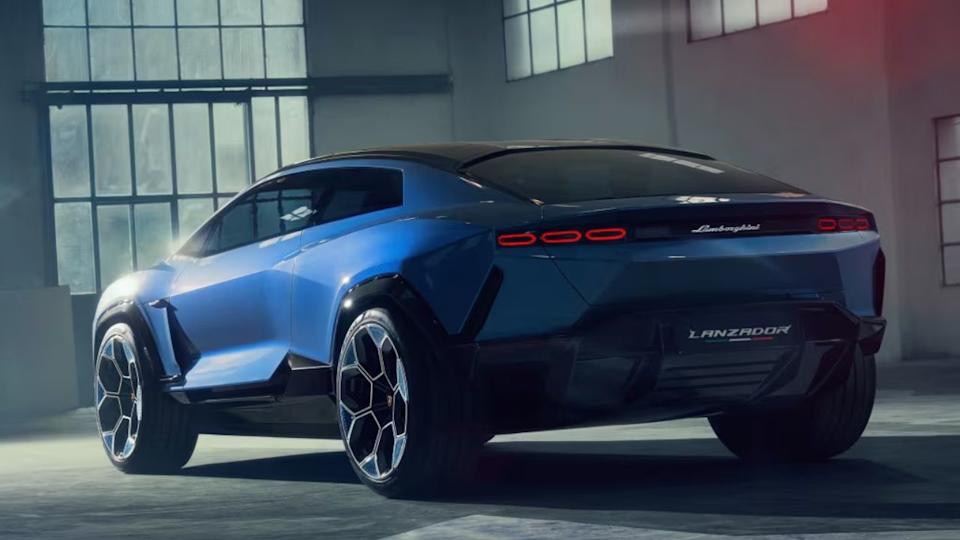
Photo Courtesy: Autorepublika.
Importantly, the Lanzador project has not been canceled entirely. Instead, it has evolved. Rather than launching as a fully electric model, the first generation will now arrive as a plug-in hybrid, allowing the car to retain a combustion engine while adding electric assistance.
This direction aligns with Lamborghini’s broader strategy of keeping gasoline-powered engines in its lineup for as long as possible while gradually introducing electrification in ways that enhance performance without compromising character. Hybrid systems can deliver additional torque and efficiency while still preserving the sound and engagement that many buyers expect.
In practical terms, the shift reflects a growing realization across the performance car sector: electrification does not always need to mean full electrification. For some brands, hybridization represents a transitional step that allows innovation without severing ties to the emotional core of the driving experience.
A Bridge Between Two Automotive Eras
Instead of becoming a symbol of a radical break from the past, the Lanzador now represents a compromise and a bridge between two eras. The global auto industry is moving toward electrification, but the pace and form of that transition differ widely depending on brand identity and customer expectations.
Lamborghini’s decision sends a clear message. Evolution is coming, but not at the cost of the emotional intensity that turned the company into a global icon. By choosing a plug-in hybrid approach, the brand aims to maintain its unmistakable character while adapting to changing regulations and technologies, proving that even in a rapidly transforming industry, tradition and innovation can still coexist.
This article originally appeared on Autorepublika.com and has been republished with permission by Guessing Headlights. AI-assisted translation was used, followed by human editing and review.
Read More
12 Pickup Trucks That Are Totally Worth the Money
SUVs That Will Last at Least 15 Years (No Problem!)