Europe electric scooter market set to hit USD 127.33B by 2036, driven by e-mobility growth and emission regulations.
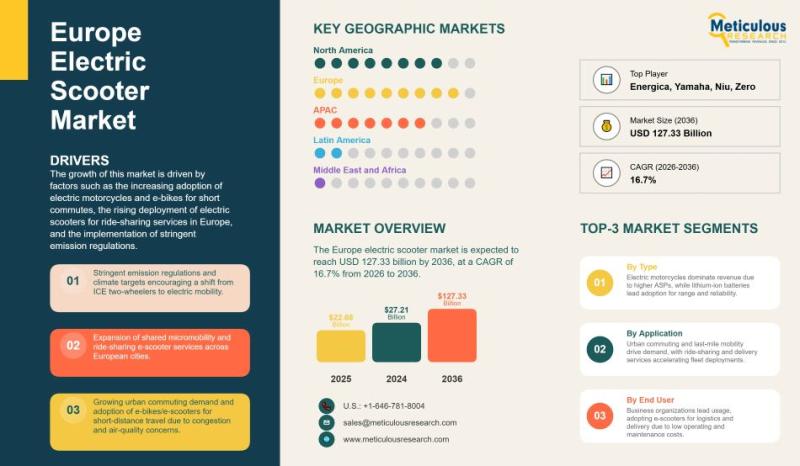
The Europe electric scooter market was valued at USD 22.68 billion in 2025 and is projected to experience substantial growth over the next decade. The market is expected to increase to USD 27.21 billion in 2026 and further expand to USD 127.33 billion by 2036, registering a compound annual growth rate (CAGR) of 16.7% from 2026 to 2036. In terms of volume, the market is forecast to grow from 10.69 million units in 2026 to 45.31 million units by 2036, reflecting a CAGR of 15.5%. This strong expansion highlights the accelerating adoption of electric two-wheelers across Europe as governments, businesses, and consumers move toward cleaner and more efficient mobility solutions.
Download Sample Report Here: https://www.meticulousresearch.com/download-sample-report/cp_id=5239
Market Definition and Scope
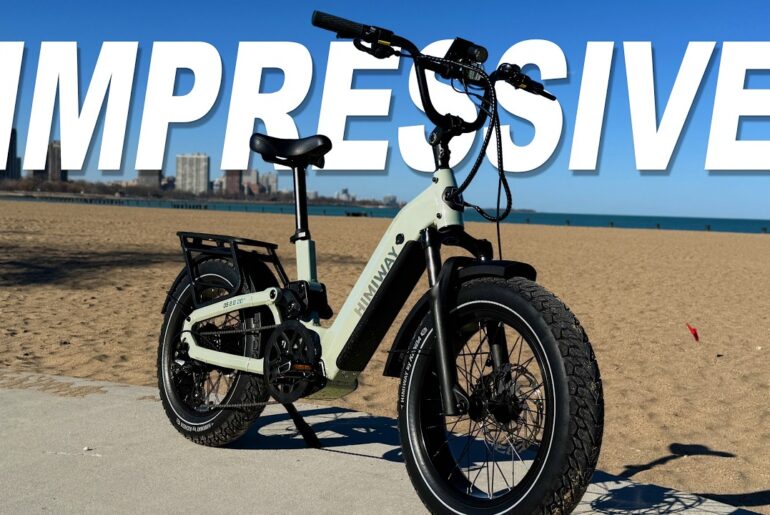
The Europe electric scooter market includes a broad spectrum of electric two-wheeled vehicles used for personal mobility and shared transportation. These vehicles range from lightweight e-kick scooters and e-bikes designed for short urban commutes and last-mile connectivity to electric mopeds suitable for medium-range travel and electric motorcycles capable of longer-distance commuting and recreational riding. Together, these categories address diverse transportation needs across urban and suburban environments.
Key Growth Drivers
One of the primary drivers of market growth is Europe’s commitment to climate neutrality and emission reduction. Stringent environmental regulations and low-emission zones across major cities are accelerating the transition away from internal combustion engine vehicles. At the same time, expanding cycling lanes and micromobility infrastructure are improving the practicality of electric two-wheelers. Advancements in battery technology, including extended driving range and faster charging capabilities, are further strengthening consumer confidence and reducing total cost of ownership.
Expansion of Shared Micromobility
Shared micromobility services have played a significant role in increasing awareness and adoption of electric scooters in Europe. Since their introduction in European cities in 2018, shared e-scooter fleets have expanded rapidly. Over time, municipalities have introduced structured permit systems, fleet regulations, and parking requirements, contributing to a more stable and sustainable operating environment. Although some cities have imposed restrictions on shared services, private ownership of compliant electric scooters continues to grow steadily, reflecting long-term demand for personal electric mobility.
Regulatory Landscape Across Europe
The regulatory framework for electric scooters in Europe continues to evolve. Individual countries have implemented specific requirements related to helmets, insurance, registration, and safety standards. Broader European-level directives concerning vehicle insurance and product safety also influence market operations. While regulatory differences exist among countries, gradual harmonization and clearer compliance standards are supporting long-term market growth and consumer protection.
Browse in Depth: https://www.meticulousresearch.com/product/europe-electric-scooter-market-5239
Vehicle Type Insights
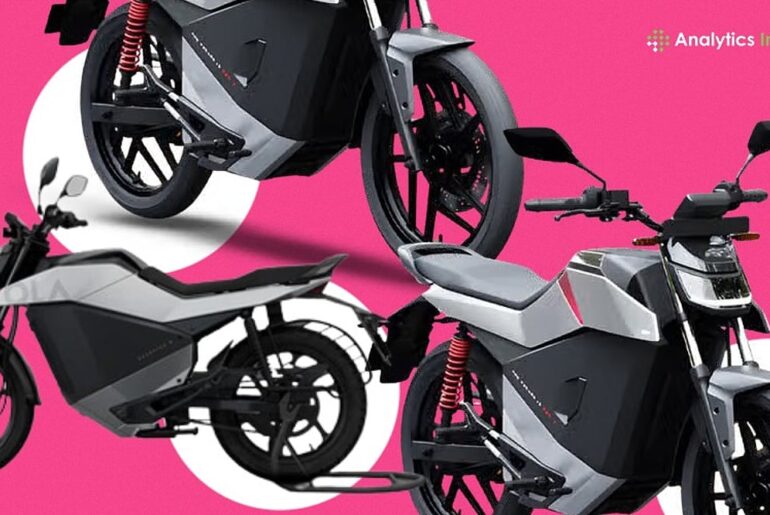
Electric motorcycles are expected to account for the largest share of market revenue in 2026. Their higher average selling prices compared to e-kick scooters and electric mopeds significantly contribute to overall revenue generation. Additionally, the electric motorcycle segment is projected to register the fastest CAGR during the forecast period. Increasing environmental awareness, supportive government policies, rising fuel prices, and stricter emission norms are encouraging consumers to shift toward high-performance electric motorcycles capable of highway travel and long-distance commuting.
Power Output Trends
The less than 3.6 kW power output segment is expected to hold the largest market share in 2026. This segment primarily includes personal e-scooters and shared mobility units designed for short-distance urban travel. However, the 20 kW to 100 kW segment is forecast to grow at the fastest CAGR from 2026 to 2036. This higher-power category includes electric motorcycles that compete directly with conventional mid-to-large displacement motorcycles, offering strong acceleration and enhanced performance capabilities.
Battery Technology Developments
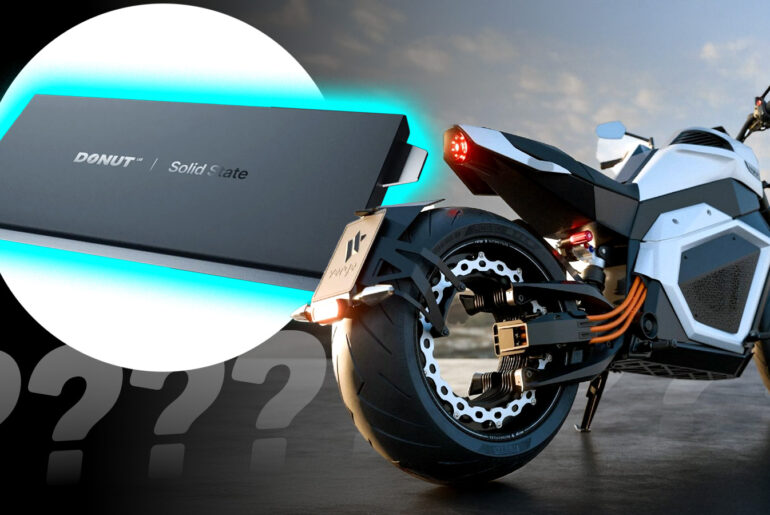
Lithium-ion batteries are projected to dominate the market in 2026 due to their established advantages in energy density, safety, durability, and cost efficiency. Their well-developed supply chain and advanced battery management systems make them the preferred choice across vehicle types. Meanwhile, lithium-ion polymer batteries are expected to record the fastest growth rate during the forecast period, supported by their ability to deliver high power output and support rapid charging, particularly in performance-oriented models.
Motor Type and Charging Insights
Hub motors are anticipated to account for the largest market share in 2026. Their compact design, cost-effectiveness, and low maintenance requirements make them widely suitable for electric scooters and motorcycles. Mid-drive motors also contribute to the market, particularly in performance-focused vehicles. In terms of charging type, connector-based charging remains the dominant method, while wireless charging technologies are gradually emerging as a future-oriented solution.
End User Analysis
Business organizations are expected to represent the largest end-user segment in 2026. Electric scooters and mopeds are increasingly utilized for logistics, courier services, and last-mile delivery operations. Their lower operating costs, reduced noise levels, and ability to access restricted urban areas make them attractive for commercial applications. Micromobility service providers also form a significant and expanding segment, while individual consumers continue to increase personal purchases as affordability and performance improve.
Country-Level Market Dynamics
The Netherlands, Germany, France, and Belgium are among the most mature markets in Europe, supported by strong cycling infrastructure and high environmental awareness. Southern European countries such as Italy and Spain demonstrate strong demand for electric mopeds and scooters due to established two-wheeler usage patterns. Nordic countries exhibit high per-capita adoption rates for e-bikes, driven by supportive policies and favorable commuting conditions. Central and Eastern European countries are emerging as the fastest-growing regional cluster, with Hungary expected to register the highest growth rate during the forecast period due to expanding electric mobility initiatives and supportive government measures.
Buy the Complete Report with an Impressive Discount: https://www.meticulousresearch.com/view-pricing/552
Overall Market Outlook
The Europe electric scooter market represents a rapidly evolving component of the region’s broader electric vehicle transformation. Driven by regulatory support, infrastructure expansion, technological advancements, and growing environmental consciousness, the market is positioned for sustained double-digit growth through 2036. Although challenges such as high upfront costs, battery lifespan concerns, and varying national regulations remain, the long-term shift toward electrified two-wheelers is firmly established, creating significant opportunities across personal, commercial, and shared mobility segments.
Frequently Asked Questions
What is the current market size of the Europe electric scooter market, and what growth rate is projected through 2036?
What are the primary factors driving the growth of the Europe electric scooter market during the forecast period?
How are stringent emission regulations and climate neutrality targets influencing electric two-wheeler adoption in Europe?
What impact has the expansion of shared micromobility services had on overall market demand?
Which vehicle type segment is expected to hold the largest market share in 2026, and why?
Why is the electric motorcycles segment projected to register the fastest CAGR during the forecast period?
Which power output category dominates the market in 2026, and which segment is expected to grow the fastest?
How does battery technology influence product performance, cost, and consumer adoption in the European market?
Why does the lithium-ion battery segment maintain market leadership, and what is driving the growth of lithium-ion polymer batteries?
Which motor type is most widely adopted in Europe’s electric scooter market, and what factors contribute to its dominance?
Related Reports:
European Electric Car Market: https://www.meticulousresearch.com/product/european-electric-car-market-5213
Europe Electric Vehicle Market: https://www.meticulousresearch.com/product/europe-electric-vehicle-market-5227
About Us:
We are a trusted research partner for leading businesses worldwide, empowering Fortune 500 organizations and emerging enterprises with actionable market intelligence tailored to drive revenue transformation and strategic growth. Our insights reveal forward-looking revenue opportunities, providing our clients with a competitive edge through a diverse suite of research solutions-syndicated reports, custom research, and direct analyst engagement.
Each year, we conduct over 300 syndicated studies and manage 60+ consulting engagements across eight key industry sectors and 20+ geographic markets. With a focus on solving the complex challenges facing global business leaders, our research enables informed decision-making that propels sustainable growth and operational excellence. We are dedicated to delivering high-impact solutions that transform business performance and fuel innovation in the competitive global marketplace.
Contact Us:
Meticulous Market Research Pvt. Ltd.
1267 Willis St, Ste 200 Redding,
California, 96001, U.S.
Email- sales@meticulousresearch.com
USA: +1-646-781-8004
Europe: +44-203-868-8738
APAC: +91 744-7780008
Visit Our Website: https://www.meticulousresearch.com/
For Latest Update Follow Us:
This release was published on openPR.