February 26, 2026
By Nehal Malik
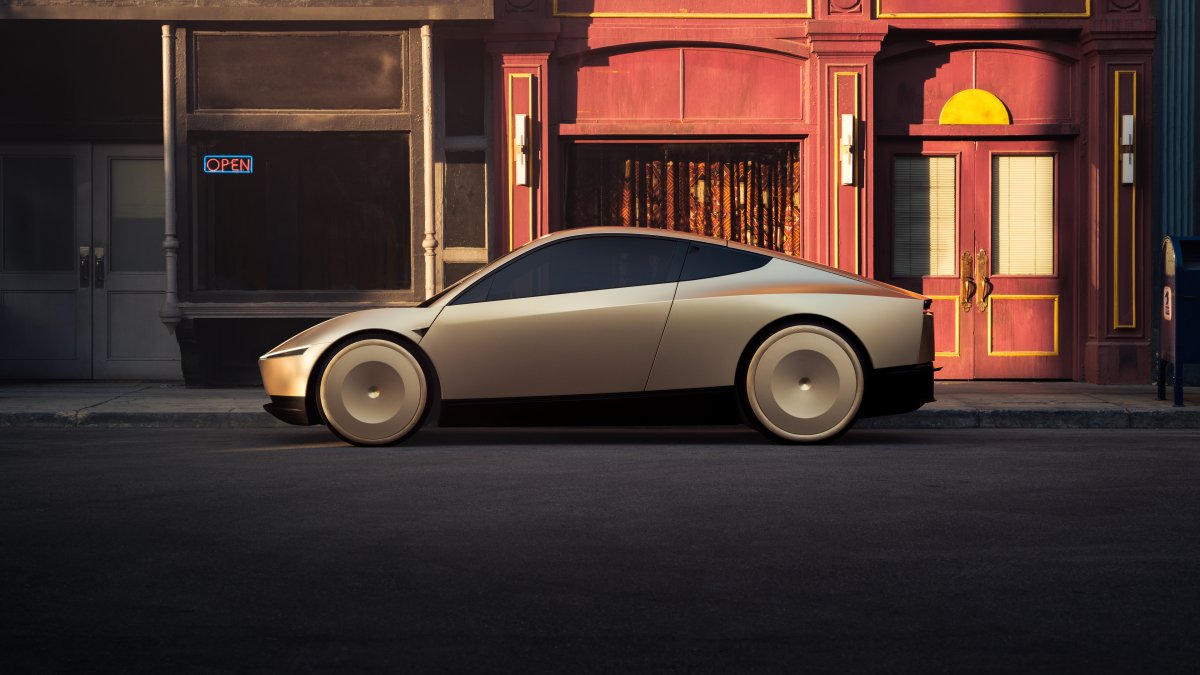
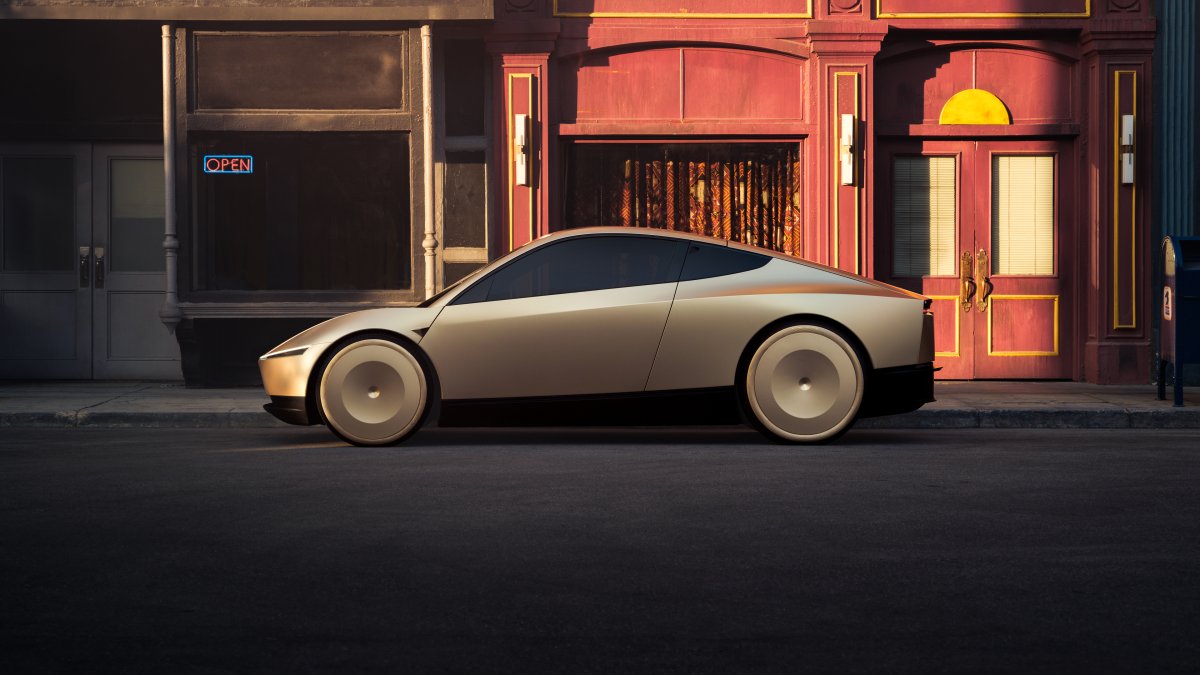
Tesla is navigating a major leadership transition just as its most futuristic project enters the home stretch. Victor Nechita, the Vehicle Program Manager for the Cybercab, announced last week that he is leaving the company after nearly six years to start a new chapter on the East Coast.
His departure comes at a critical moment for the program. Tesla recently celebrated the first production Cybercab rolling off the line at Gigafactory Texas, and the company is currently working through a tight schedule to begin volume production this April.
Nechita’s Journey and Contributions
Nechita’s time at Tesla was a classic “climb the ladder” story. He started as an intern on the Model 3 production line back in 2017 and eventually rose to lead the development of the Cybercab, Tesla’s first purpose-built autonomous vehicle.
In a farewell message on LinkedIn, Nechita reflected on the experience of bringing the two-seat robotaxi to life. “Leading the team through the development of Cybercab has been a humbling experience, watching so many dedicated individuals develop a product that has pushed the boundaries of efficiency, safety, and affordability,” Nechita wrote. He added a “heartfelt thank you to the team for the opportunity to learn from and work alongside such a talented, creative, and supportive group of people.”
State of the Cybercab Program
The Cybercab is designed to be the backbone of Tesla’s Robotaxi network. Unlike the Model 3 or Model Y, this vehicle is built specifically for autonomy, with the goal of having no steering wheel or pedals in its final production form. It is also supposed to ditch traditional plugs in favor of wireless induction charging, a feature that recently cleared a major regulatory hurdle with the FCC.
Tesla has been putting the vehicle through extensive real-world testing in cities like Austin and even in harsh winter conditions in Buffalo. With mass production slated to begin in April, the program is currently in the high-stakes phase of validating final production units. Losing a program manager right as the factory ramps up is never ideal, but Nechita’s exit suggests the heavy lifting of the development phase may be largely complete.
Leadership Turnover at Tesla
Nechita is the latest in a string of high-profile departures at the automaker. Tesla is currently facing significant leadership turnover, including the recent exit of Raj Jegannathan, who led North American sales for a short period, after 13 years with the company. This follows the July 2025 departure of long-time sales leader Troy Jones.
This exodus of veteran executives comes at a time when Tesla is shifting its primary focus away from traditional car sales and toward AI and robotics. While the Cybercab represents the future of that pivot, the constant volatility in management has raised questions about how smoothly the company can execute such a massive transition.
The Cybercab is arguably Tesla’s most important product since the Model 3, the company’s first mass-market vehicle. If Tesla hits its April production targets, Nechita’s legacy will be a vehicle that finally brings the dream of an affordable, driverless taxi to the masses.
Ordering a New Tesla?
Use our referral code and get 3 months free of FSD or $1,000 off your new Tesla.
February 26, 2026
By Karan Singh
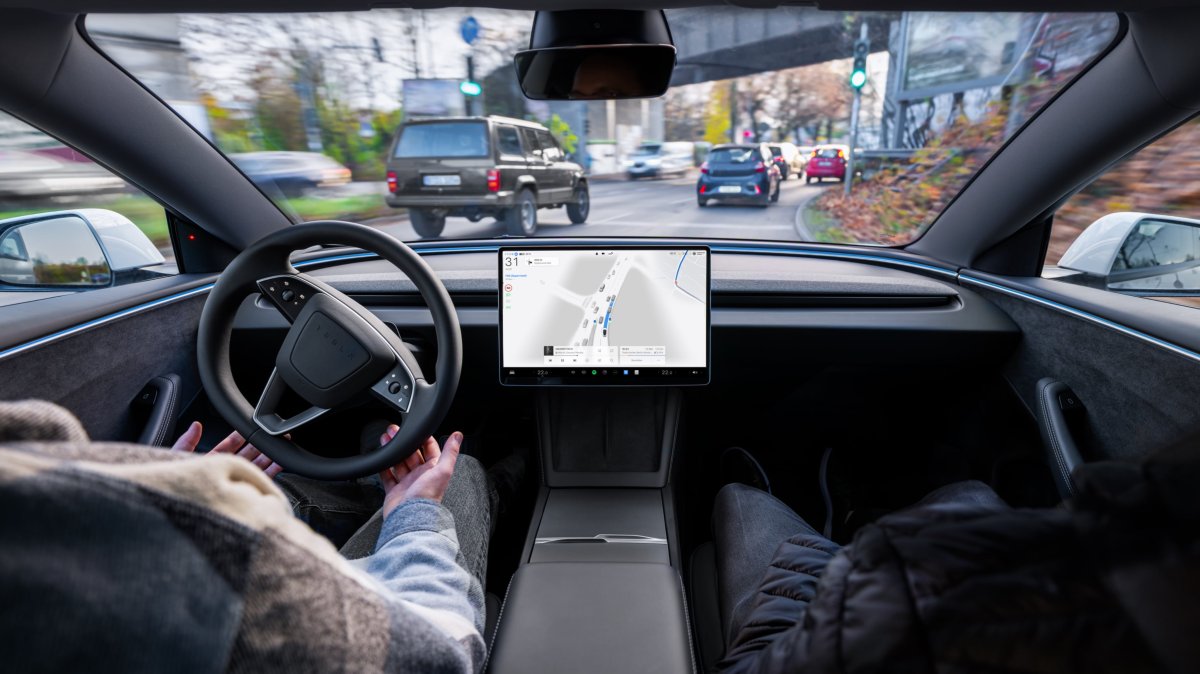
Tesla’s push to bring Full Self-Driving (Supervised) to Europe is continuing to gain momentum. After securing testing rights in other parts of the country, Tesla has officially applied to expand its FSD testing program to the city of Jönköping, Sweden.
As Tesla prepares for future European regulatory approvals, real-world validation on European roads is more crucial than ever. Let’s take a look at what this next step means for rollout.
The Jönköping Application
The news was first reported by the local newspaper, Jönköpings-Posten, which noted that Tesla had contacted the municipality to request permission to begin FSD tests on its city streets.
Tesla’s Head of Public Policy for Northern Europe, Sofia Bennerstål, confirmed that Tesla has submitted an application and is going ahead with further testing, but also noted that Tesla’s testing so far in the region has been satisfactory.
This implies that the data that Tesla gathered to date from testing in cities around Jönköping has been extremely valuable, and that the next step is to tackle the roads there.
A local Jönköping resident took to X to explain exactly why Tesla might be targeting this specific city:
This type of highly specialized, local testing is similar to the testing that Tesla undertook to conquer Australia’s infamous hook turn in Melbourne, which is a challenge even for real human drivers to perform correctly.
I was raised in this city and been driving there for many years, I believe Tesla chose this specific location for a reason, Jönköping has a very unique traffic intersection for buses and cars something that is extremely rare and difficult to find anywhere else in Sweden. pic.twitter.com/Dku99tFSDL
— Mr J (@CryptoSnJ) February 25, 2026 How Testing Works
If the application is approved by local authorities, Tesla’s dedicated FSD testing employees will be the ones conducting the road testing, not customers. This involves a fleet of Tesla-owned and operated vehicles with a safety driver behind the wheel, similar to other regions.
What’s Next?
Sweden is rapidly becoming a critical testing ground for Tesla’s FSD ambitions in Europe, with approval to test FSD coming from many municipalities in the Nordic country.
By securing all these municipal approvals, Tesla can gather the essential localized data it needs to train on highly specific European driving conditions that greatly vary from those found in North America or the Asia-Pacific markets. Gathering this data through structured pilot programs is the ultimate prerequisite for passing rigorous safety and regulatory standards before FSD can be unleashed to the broader European public.
February 26, 2026
By Nehal Malik
Tesla is doubling down on its energy dominance in one of its most successful global markets. The company has officially secured a new distribution agreement in Australia with Supply Partners Group, a move that will make its popular home battery systems much more accessible to local installers and homeowners alike.
The partnership, announced by Supply Partners, marks a significant milestone for the Australian solar industry. Under the new arrangement, Supply Partners expects inventory to land in its warehouses by late February, with official sales starting in mid-March 2026. Lliam Ricketts, Co-Founder and Director of Innovation at Supply Partners Group, noted the prestige of the deal, stating, “Tesla sets a high bar, and we’ve worked hard to earn the opportunity to represent a brand that customers actively ask for.”
What is Powerwall?
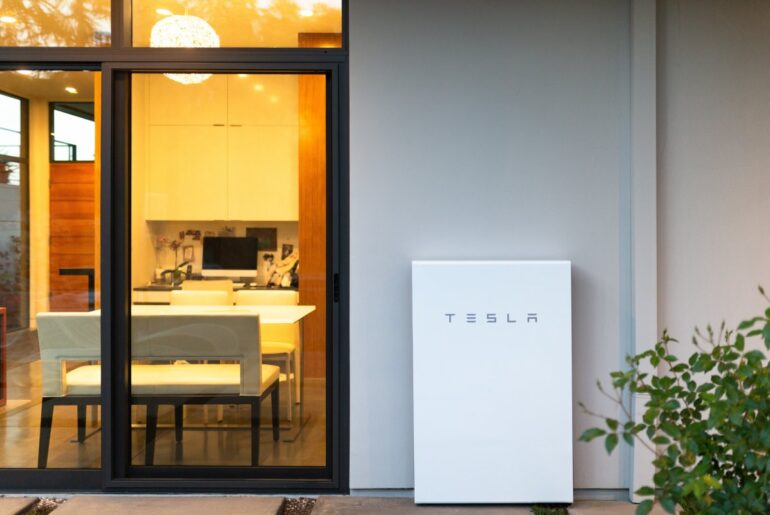
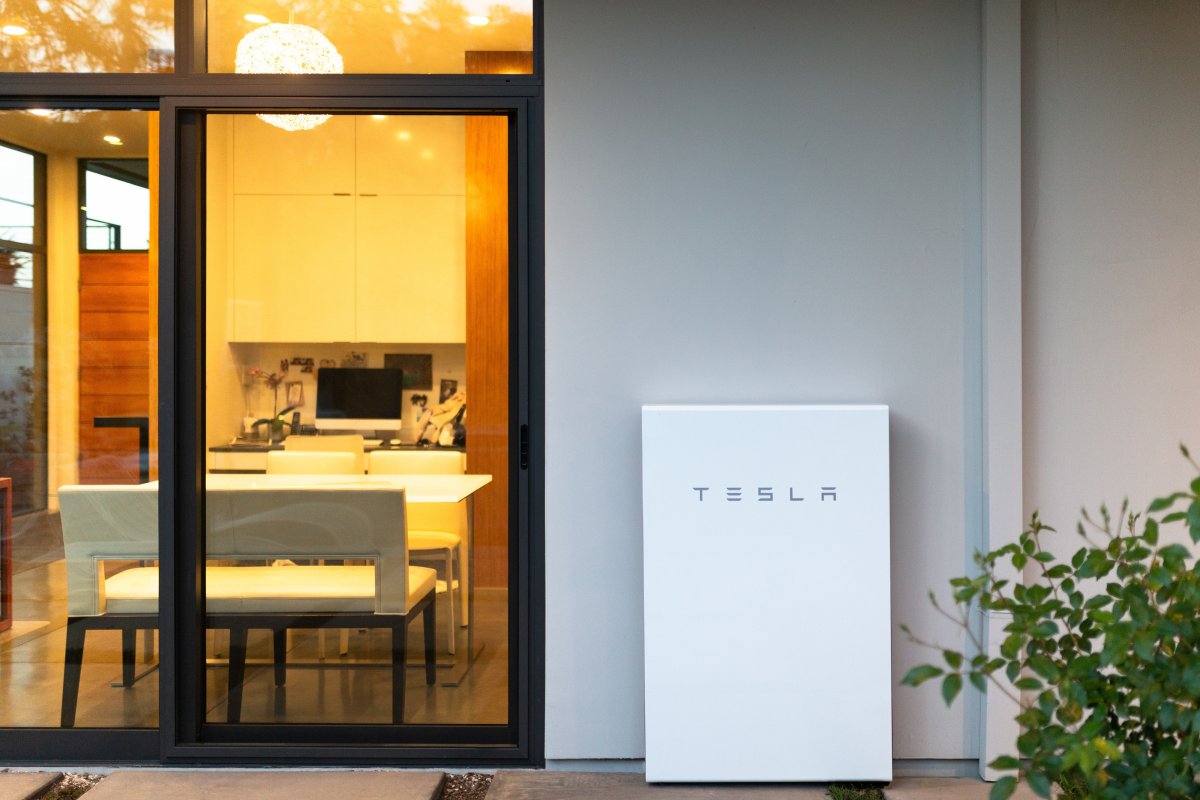
For those who aren’t familiar with the tech, the Powerwall is an integrated battery system that stores solar energy for backup protection. It basically acts as a giant “power bank” for your house, ensuring that even if the grid goes down, your lights, appliances, and Wi-Fi stay on.
The current flagship model, Powerwall 3, maintains the same 13.5 kWh energy capacity as the previous generation, but it brings some massive internal upgrades. Most notably, it offers a significant jump in power delivery, providing 11.5 kW of continuous power. It also features a built-in solar inverter capable of handling up to six solar inputs, which makes the installation process much cleaner and more efficient for new solar setups. While Australia currently focuses on these standard units, Tesla also recently launched Powerwall 3P, a three-phase variant specifically designed for European electrical grids.
A Bright Spot for Tesla Energy
While Tesla’s automotive division often grabs the headlines, Tesla Energy has been a massive bright spot for the company’s bottom line. The division has been posting record sales quarter after quarter, with Australia emerging as one of its largest and most consistent markets alongside the U.S.
The timing for this new distribution deal is ideal, as the Australian market is seeing a new growth phase driven by sharper pricing and consumer rebates. “Powerwall is already a category-defining product, and what’s ahead makes it even more compelling,” Ricketts added. By partnering with a national distributor like Supply Partners, Tesla is ensuring that its hardware is backed by a reliable logistics network and in-country technical support.
As the world shifts toward renewable energy, seeing Tesla expand its footprint in Australia proves that the future of the home isn’t just about what’s in the driveway, but what’s hanging on the garage wall. With official availability through Supply Partners kicking off in just a few weeks, we expect to see a lot more of these sleek white boxes appearing in Australian neighborhoods.