February 26, 2026
By Nehal Malik
Tesla is doubling down on its energy dominance in one of its most successful global markets. The company has officially secured a new distribution agreement in Australia with Supply Partners Group, a move that will make its popular home battery systems much more accessible to local installers and homeowners alike.
The partnership, announced by Supply Partners, marks a significant milestone for the Australian solar industry. Under the new arrangement, Supply Partners expects inventory to land in its warehouses by late February, with official sales starting in mid-March 2026. Lliam Ricketts, Co-Founder and Director of Innovation at Supply Partners Group, noted the prestige of the deal, stating, “Tesla sets a high bar, and we’ve worked hard to earn the opportunity to represent a brand that customers actively ask for.”
What is Powerwall?
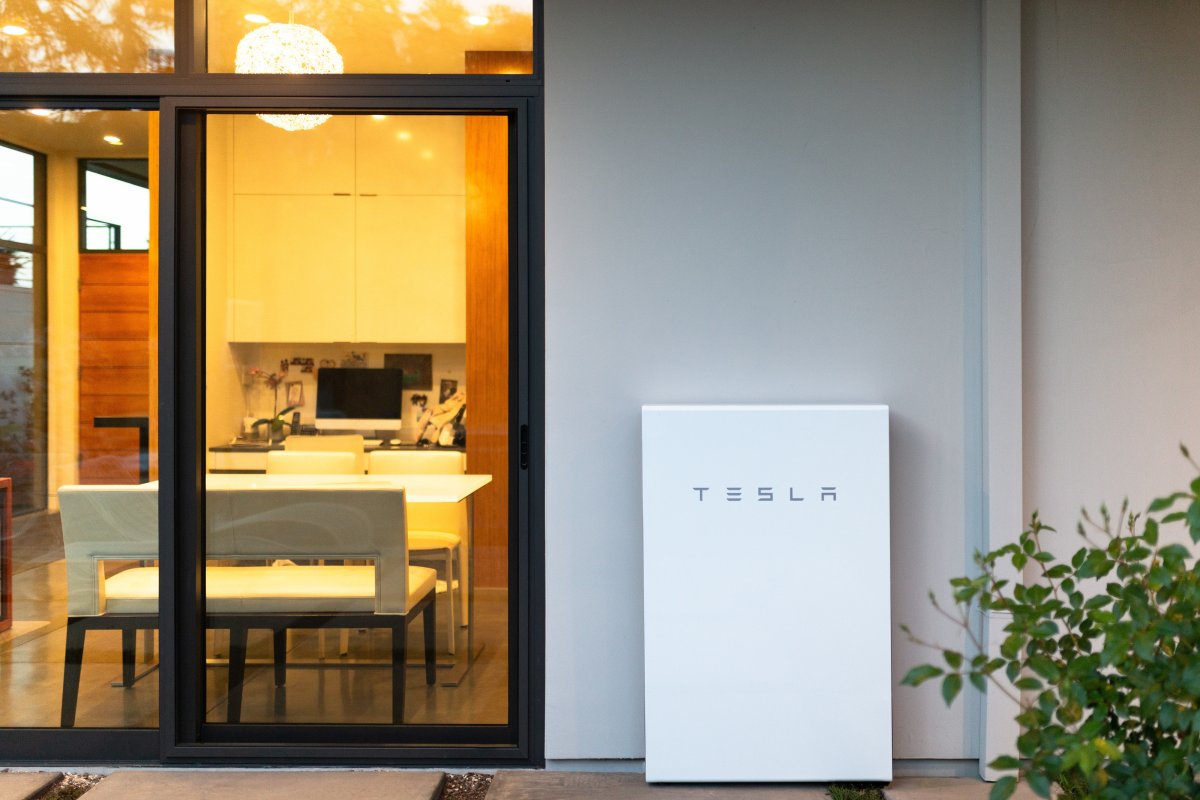
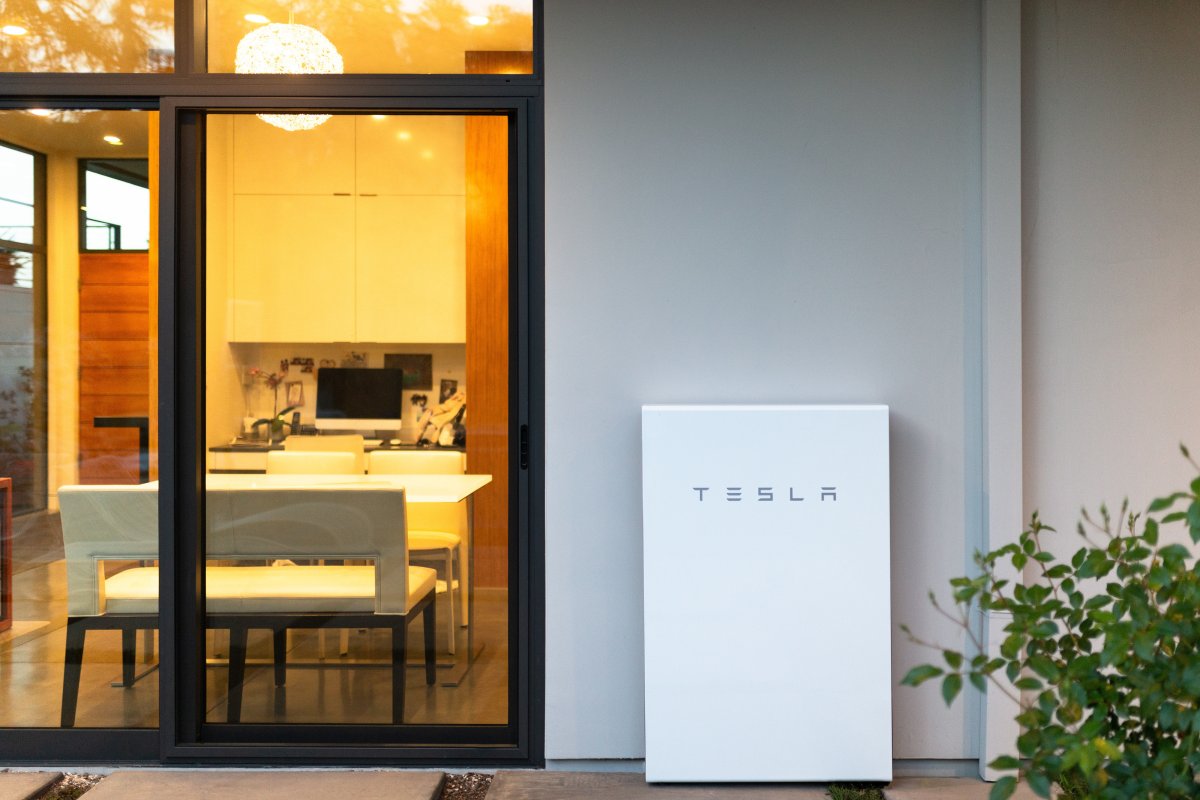
For those who aren’t familiar with the tech, the Powerwall is an integrated battery system that stores solar energy for backup protection. It basically acts as a giant “power bank” for your house, ensuring that even if the grid goes down, your lights, appliances, and Wi-Fi stay on.
The current flagship model, Powerwall 3, maintains the same 13.5 kWh energy capacity as the previous generation, but it brings some massive internal upgrades. Most notably, it offers a significant jump in power delivery, providing 11.5 kW of continuous power. It also features a built-in solar inverter capable of handling up to six solar inputs, which makes the installation process much cleaner and more efficient for new solar setups. While Australia currently focuses on these standard units, Tesla also recently launched Powerwall 3P, a three-phase variant specifically designed for European electrical grids.
A Bright Spot for Tesla Energy
While Tesla’s automotive division often grabs the headlines, Tesla Energy has been a massive bright spot for the company’s bottom line. The division has been posting record sales quarter after quarter, with Australia emerging as one of its largest and most consistent markets alongside the U.S.
The timing for this new distribution deal is ideal, as the Australian market is seeing a new growth phase driven by sharper pricing and consumer rebates. “Powerwall is already a category-defining product, and what’s ahead makes it even more compelling,” Ricketts added. By partnering with a national distributor like Supply Partners, Tesla is ensuring that its hardware is backed by a reliable logistics network and in-country technical support.
As the world shifts toward renewable energy, seeing Tesla expand its footprint in Australia proves that the future of the home isn’t just about what’s in the driveway, but what’s hanging on the garage wall. With official availability through Supply Partners kicking off in just a few weeks, we expect to see a lot more of these sleek white boxes appearing in Australian neighborhoods.
Ordering a New Tesla?
Use our referral code and get 3 months free of FSD or $1,000 off your new Tesla.
February 26, 2026
By Karan Singh
For years, Canadian Tesla lessees have had to face a harsh reality: at the end of your term, you must hand the car back, no matter what. Back in November 2024, Tesla changed that for the United States, enabling lease buyouts for its entire lineup in its home market.
Thanks to a small update in the terms on Tesla’s Canadian support website, it seems that the situation for Canadians is finally changing, and offering a new path for customers to actually purchase their vehicles when their lease expires.
Tesla hasn’t formally announced the change, but the updated language is a clear change from Canada’s historically strict leasing policies.
The End of the Blanket Ban
Previously, Tesla Canada’s lease terms were incredibly restrictive. Unless you leased a Model S or Model X prior to April 15, 2022, you were out of luck.
More importantly, leases for Tesla’s two most popular vehicles explicitly stated that they were not eligible for lease buyout regardless of the delivery date of the vehicle. Tesla also strictly prohibited third-party dealerships, as well as lease-transfer buyouts. Back then, the reasoning was largely tied to Tesla’s ambitions to reclaim leased vehicles for its future Robotaxi fleet. With the Cybercab about to begin volume production, this is growing more and more unlikely.
The strict exclusionary language on Tesla’s website on lease offerings has now changed. Instead of a full-on blanket ban, the revised support page now advises customers to review their lease agreement for purchase eligibility and states: “Contact us at the end of your lease to see what options are available to you.”
Importantly for many customers, the outright ban on third-party dealership buyouts has also been removed.
Case-by-Case Reality
This, however, does not mean that a buyout is guaranteed. According to Canadian Tesla owners, buyouts are actively happening, but they are being handled on a case-by-case basis. Because of this, customers interested in a lease buyout must reach out to Tesla, either at their local service center or through the Tesla App, to request a buyout.
Several users have noted that they have successfully conducted lease buyouts, while several others have reported that some vehicles are not eligible for lease buyouts due to contract terms or vehicle condition. The decision seems to depend on Tesla’s internal used vehicle inventory and the exact leasing policy that was signed.
Buyers who have conducted a lease buyout noted that there is a $350 buyout fee – exactly the same as in the United States.
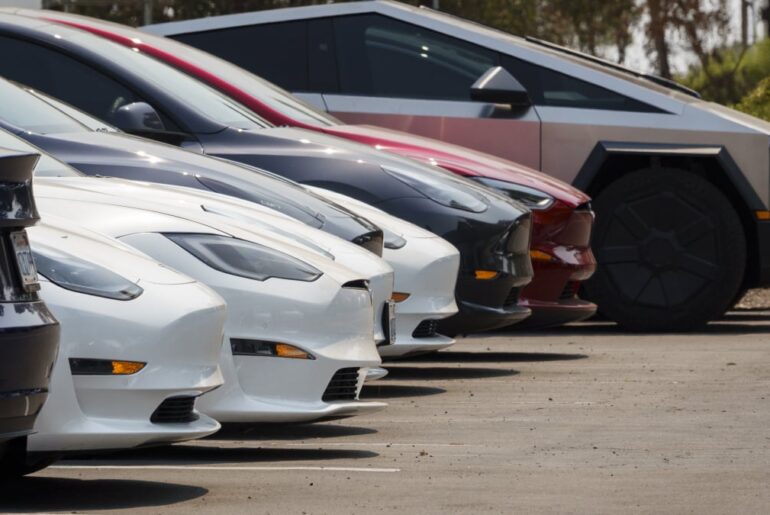
While Canadian lessees don’t have the exact blanket guarantee that is currently available in the United States, it looks like going forward, lease buyouts may become the norm for the Model 3, Model Y, and Cybertruck in Canada as well.
February 26, 2026
By Karan Singh
Tesla’s legal team is officially going on the offensive to secure the naming rights for its upcoming autonomous Robotaxi, the Cybercab. According to new filings with the US Patent and Trademark Office (USPTO), Tesla has initiated legal proceedings against French beverage wholesaler Unibev, accusing it of fraudulently squatting on the Cybercab trademark.
While the dispute highlights Tesla’s administrative slip-up in announcing the Cybercab naming without first acquiring the trademark, the company is now pulling no punches to reclaim the name ahead of the vehicle’s volume production and launch.
The Unibev Trademark Squatter
The news of the USPTO appeal, uncovered by Electrek, centers around Unibev’s principal, Jean-Louis Lentali.
When filing for the Cybercab trademark, Unibev reportedly told USPTO that no other entity was using the “cyber,” “cab,” or “cyber cab” monikers for similar goods. Tesla’s legal team is arguing that this statement was blatantly false.
Tesla points out that it had already publicly revealed the Cybercab name in 2024, but unfortunately failed to file its own trademark paperwork in time, allowing Unibev to swoop in and claim the name.
In a five-count opposition motion, Tesla explicitly accused Unibev of fraud and extortion. Tesla’s legal team argued that Unibev has absolutely no history of manufacturing or selling vehicles. Tesla also noted that Lentali actively follows Elon Musk and other Tesla executives on social media, making it impossible for him to be ignorant of Tesla’s massive, highly publicized plans for the Cybercab.
A History of Targeting Tesla
To strengthen its case that Unibev is acting in bad faith, Tesla’s lawyers pointed to the French wholesaler’s extensive history of targeting its intellectual property with trademarks.
According to the report, Unibev’s trademark squatting isn’t limited to just the Cybercab. The company also claimed the trademark for “Teslaquila”, which forced Tesla to pivot and sell its infamous liquor under the name “Tesla Tequila” instead. Unibev has also proactively filed for other blatant Tesla-adjacent trademarks, including “Cyberquad” and “Cybertaxi.”
Tesla argues that Unibev has no intention of ever using these names for legitimate products and is instead squatting on them solely to extort massive licensing payouts from Tesla.
Racing Against the Production Clock
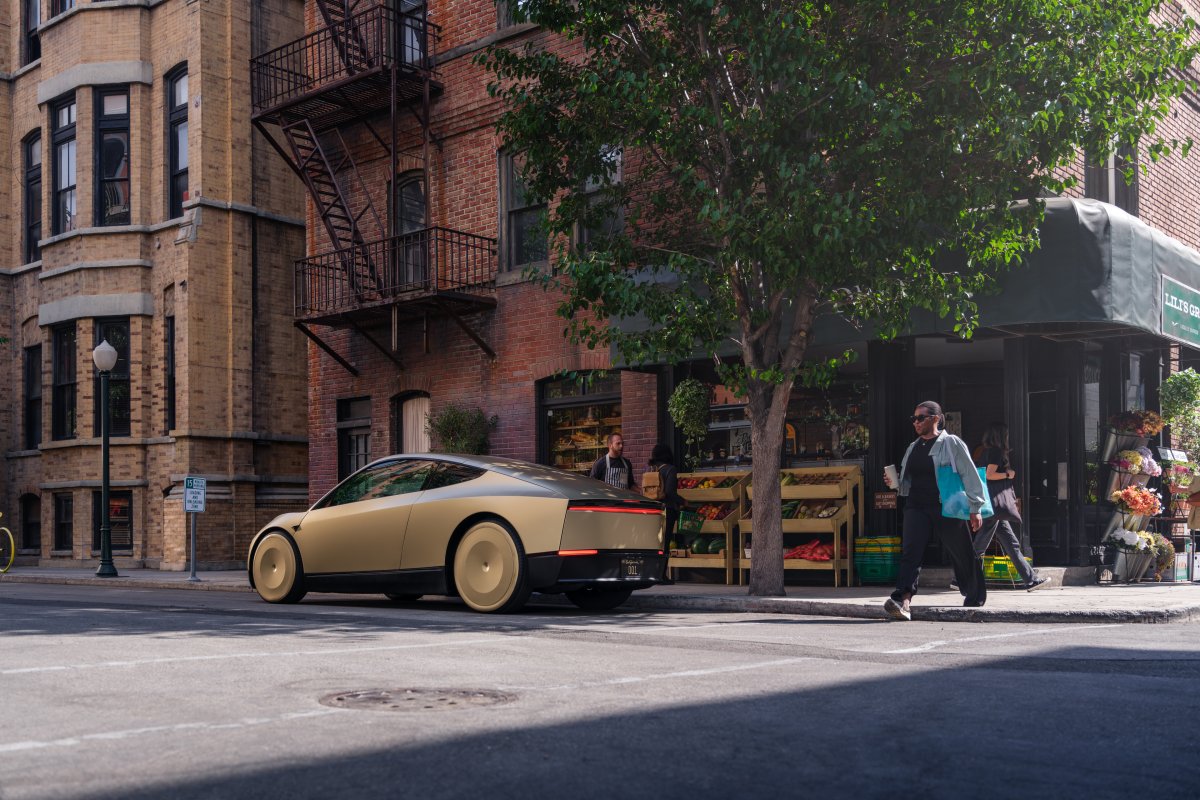
Tesla has every reason to aggressively clear this legal hurdle as quickly as possible. With the first production-intent Cybercab having already rolled off the production line, the faster, the better.
With volume production intended to begin as soon as April, the Cybercab is supposed to become the foundation of Tesla’s ambitions as an autonomy, AI, and robotics-first company, rather than just an automaker. Having the actual name of the product being held hostage by a French beverage company is simply not an option.
We expect the USPTO to rule heavily in Tesla’s favor given Unibev’s documented history of bad-faith filings, but we will keep a close eye on the docket as the appeal progresses.