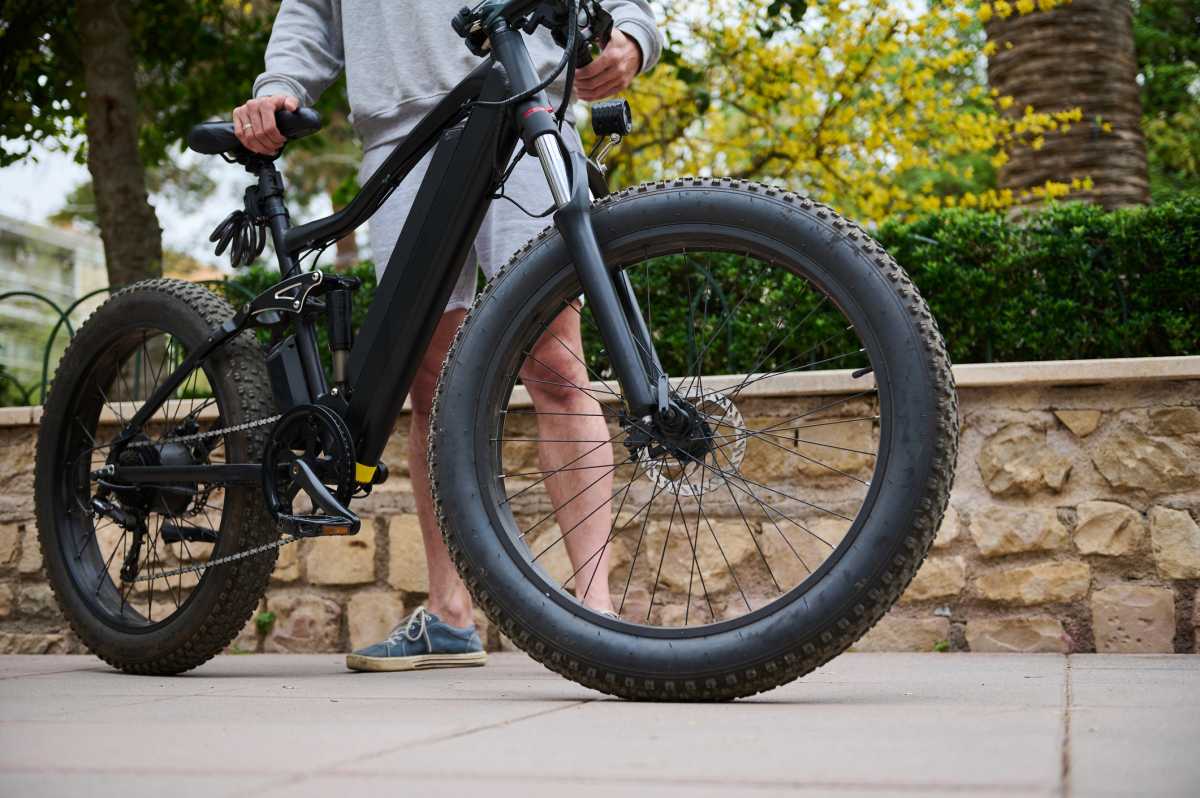
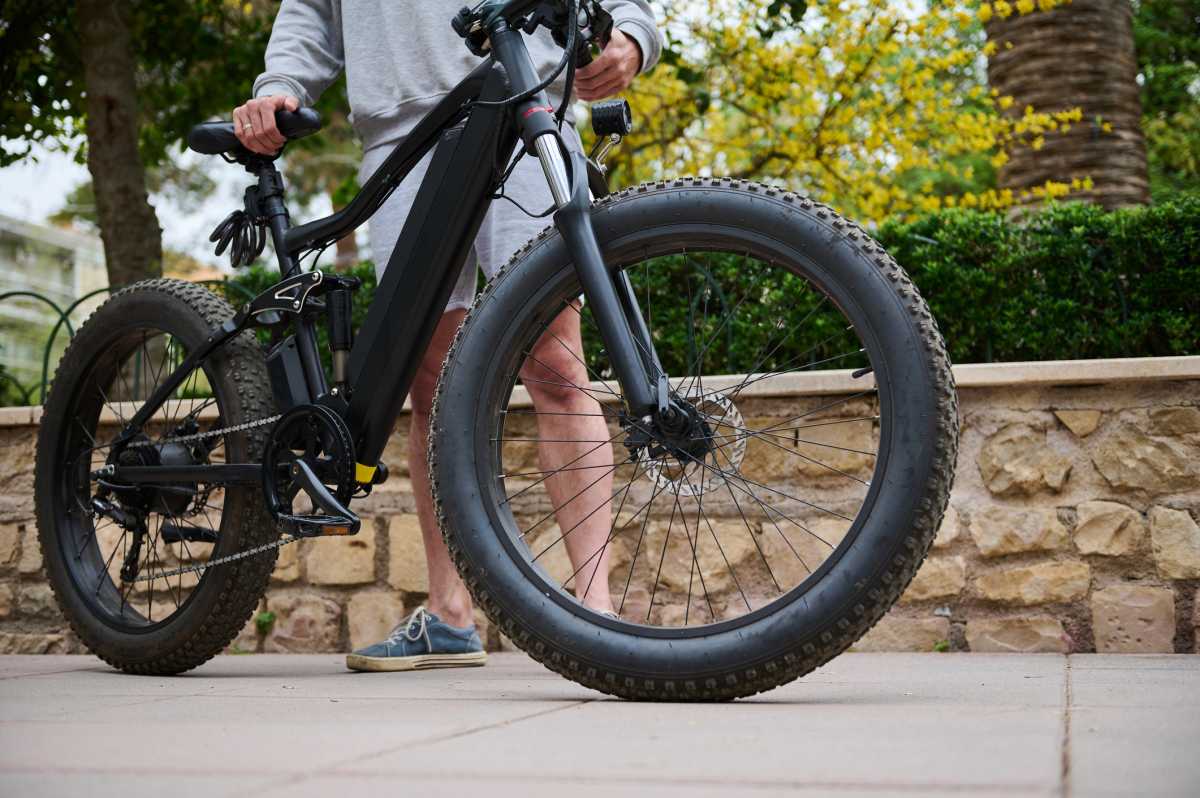
E-bikes and e-scooters have an increasing presence in Suffolk County, but so have injuries associated with their use.
Photo: Getty Images.
Suffolk County has enacted a comprehensive set of new regulations governing electric-assist bicycles (e-bikes), electric scooters, and motorized scooters (e-scooters), concluding several years of debate over safety, enforcement challenges, and the rapid growth of electric mobility devices on local roads and walkways.
The Suffolk County Legislature unanimously approved two companion local laws on Dec. 16, and County Executive Ed Romaine signed the measures on Dec. 30. The laws took effect immediately upon filing with the New York Secretary of State.
According to legislative findings, the measures were adopted in response to a rise in accidents, complaints, and reports of reckless riding, particularly among younger operators and involving high-speed devices operating in areas shared with motor vehicles and pedestrians.
Growing concerns led to legislative action
Between 2023 and 2024, county lawmakers and law enforcement officials recorded an increase in incidents involving e-bikes and scooters traveling at unsafe speeds, weaving through traffic, riding without helmets, and using sidewalks and pedestrian areas not meant for motorized vehicles. Legislators also cited the growing availability of more powerful electric devices capable of reaching speeds similar to those of motor vehicles.
County officials noted persistent confusion regarding where such devices may legally operate under New York State Vehicle and Traffic Law, which classifies and regulates e-bikes and electric scooters but does not provide a registration framework for many models. That lack of clarity, lawmakers said, has complicated enforcement efforts at the local level.
Those concerns led to the introduction of Introductory Resolutions 1835-2025 and 1836-2025, which were later adopted as local laws establishing a unified, countywide regulatory framework for electric scooters, electric-assist bicycles, and motorized scooters.
Key restrictions are now in effect
Under the new county laws, electric-assist bicycles, electric scooters, and motorized scooters are prohibited from operating on sidewalks anywhere in Suffolk County. The devices may not be used on county or local roads with posted speed limits exceeding 30 miles per hour unless a municipality has adopted more restrictive rules.
Children aged 15 and younger are prohibited from operating these devices on public property or roadways.
The legislation further establishes standards of conduct intended to curb dangerous riding practices. Operators are prohibited from reckless operation, including weaving through traffic, performing trick riding in areas with active traffic or pedestrians, and failing to comply with lawful orders issued by police officers. Operating these devices while impaired by alcohol or drugs is also prohibited on public roads and in parking lots open to motor vehicle traffic, consistent with state impaired-operation laws.
Helmet requirements and enforcement
County laws require helmets for all operators and passengers of electric-assist bicycles and motorized scooters, regardless of age. Helmets must meet applicable New York State safety standards. Electric scooter operators are subject to helmet requirements consistent with state law, while the county provisions impose broader local requirements where permitted.
Penalties for violations increase based on repeat offenses. A first violation may result in fines of up to $500 and impoundment of the device. A second violation within five years is considered an unclassified misdemeanor and carries increased fines and mandatory impoundment. Third or subsequent violations within a five-year period may result in fines of up to $5,000 and a potential jail sentence of up to one year.
Law enforcement officers are authorized to seize devices used unlawfully, including those operated by underage riders. Parents or legal guardians of minors found in violation may be held financially responsible for fines and restitution related to damage to county property.
Retailer disclosure requirements
The laws also impose new obligations on retailers. Sellers of electric scooters and electric-assist bicycles must prominently display written notices outlining county restrictions at the points of sale and provide purchasers with written copies of those rules. Violations of the disclosure requirements are subject to civil penalties.
Fire Island amendments under consideration
Although the regulations apply countywide, lawmakers are considering separate legislation to address transportation needs on Fire Island, where pedestrian walkways serve as the primary infrastructure in many communities.
The proposed measure would permit limited e-bike use during the offseason, from the Tuesday following Columbus Day weekend through April 30, while maintaining a prohibition during the peak summer season. Under the proposal, e-bike operation would be limited to daytime hours, restricted to riders aged 15 and older, prohibited from carrying passengers, and required to have functioning headlights and taillights.
The proposal remains under legislative consideration and has not been adopted.
State preemption provisions
Both county laws include provisions that would automatically nullify them if state or federal legislation is enacted with identical or substantially similar requirements, or if higher-level laws authorize broader use of these devices through a licensing or registration framework.
For now, Suffolk County’s action places it among the most restrictive local jurisdictions in New York in regulating electric mobility devices, as officials seek to balance evolving transportation trends with public safety concerns.