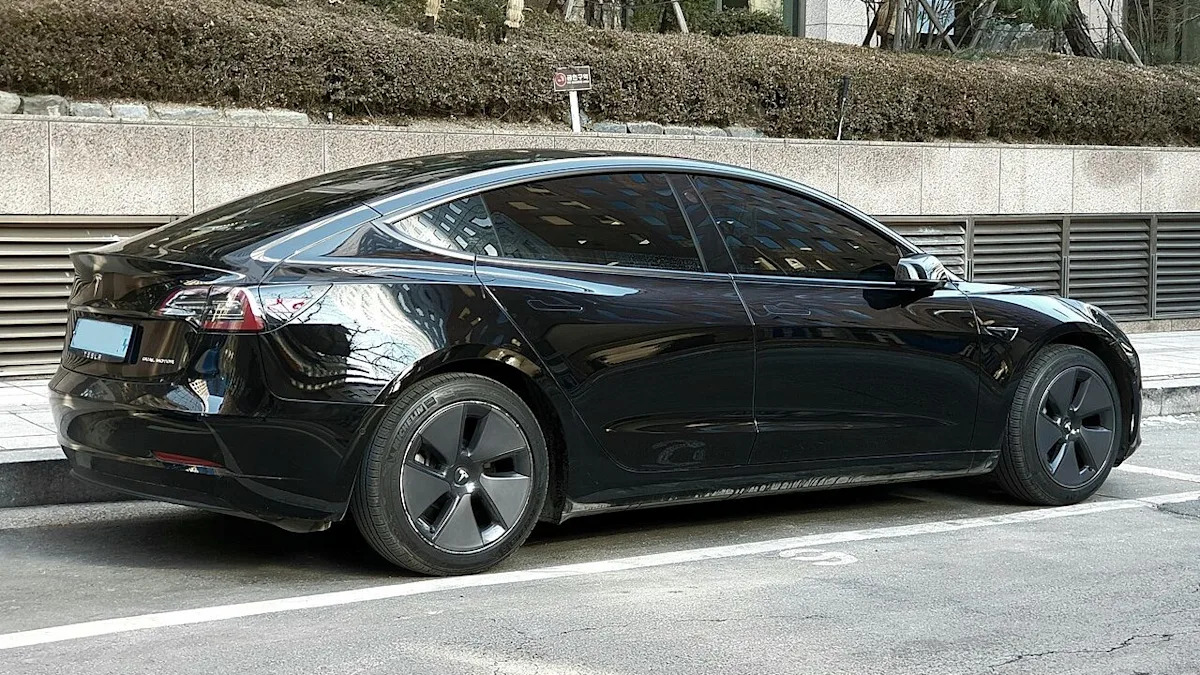
A quiet residential street in rural England turned into a dramatic scene when a parked electric vehicle suddenly burst into flames, leaving its owner stunned and raising new questions about the risks tied to previously damaged EVs.
The incident involved a Tesla owned by Rich Farrant, a 56-year-old resident of Compton Dando in Somerset. According to the owner, the car erupted while parked at the side of the road outside his home in November, producing a loud blast that could be heard from inside the house.
The nature of the blast mirrors our previous report about a Mercedes GLS SUV that suddenly exploded on a parking area, just minutes after the owner exited the car for a dentist appointment.
Farrant said the explosion came without warning.
He had been sitting indoors when he heard what he described as a strange hissing sound coming from outside. Moments later, the noise escalated into what he called an “almighty explosion.” Alarmed, he rushed outside and found his car engulfed in flames.
“I ran out and my dream car was just burning,” he recalled. “It had only been sitting there parked.”
A Dream Car Up in Flames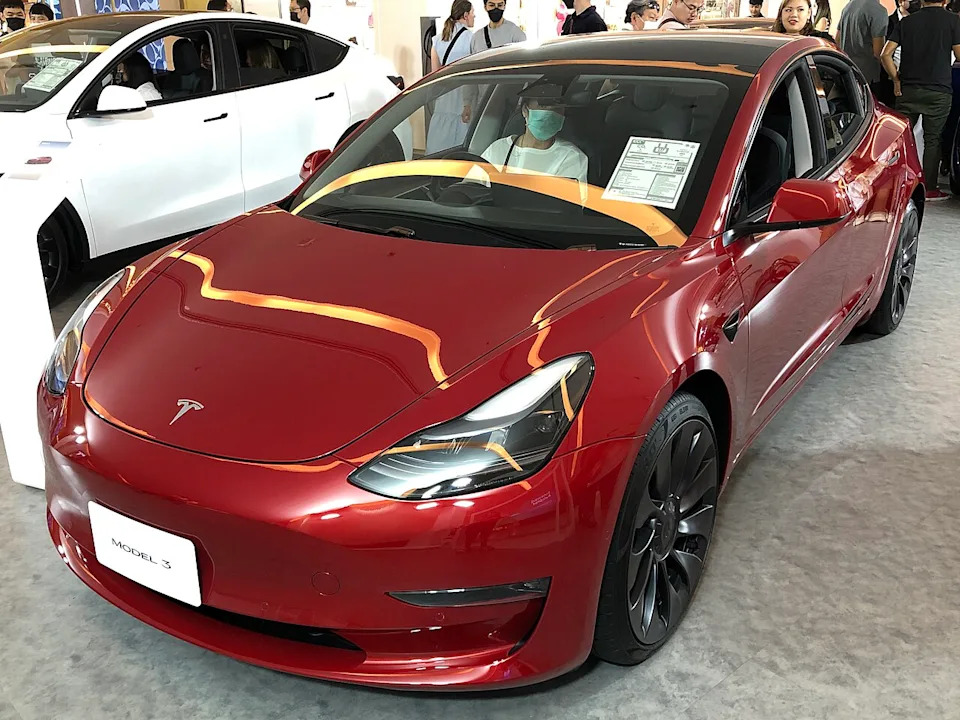
Image Credit: Chanokchon – Own work, CC BY-SA 4.0, Wikimedia.
The “dream car” was a Tesla Model 3 Performance, a high-performance version of the company’s popular electric sedan. Farrant had purchased the car only a month earlier for about £12,000, which converts to roughly $15,000.
The price reflected the fact that it had been acquired through Copart, a global online automobile auction platform that frequently sells insurance write offs and accident damaged vehicles.
Before the fire, Farrant said he had already experienced issues charging the car. The problems appeared sporadic but concerning. Still, nothing suggested the situation would escalate into a full-blown fire.
When the blast occurred on November 17, flames quickly spread from the parked sedan. Fortunately, no one was nearby at the moment of the explosion. Farrant believes the outcome could have been far worse if pedestrians had been passing by.
“If someone had been walking past the car when it happened, it could have been horrific,” he said.
A neighbor rushed over with a fire extinguisher and managed to suppress much of the blaze before emergency services arrived. Fire crews later inspected the scene to ensure the fire was fully contained and posed no additional risk.
The vehicle was ultimately declared a total loss.
A Troubled History and an Unanswered Question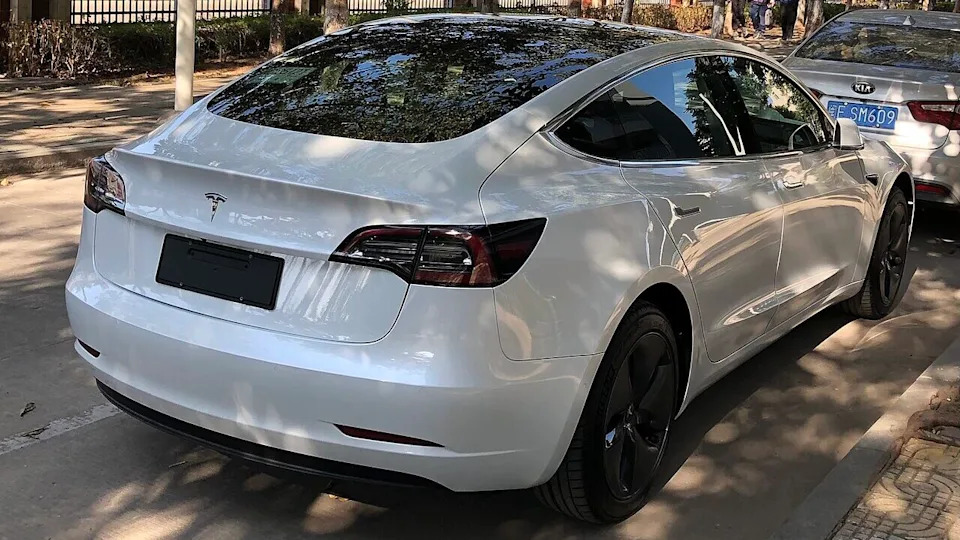
Image Credit: James Young – CC BY-SA 2.0, Wikimedia.
One important detail would soon emerge about the car’s history. The Model 3 had previously been involved in an accident before being resold at auction.
Cars sold through salvage auctions often undergo repairs before returning to the road, but experts note that improperly repaired battery systems or structural damage can create serious safety risks, particularly with electric vehicles whose lithium-ion battery packs can ignite if compromised.
Tesla said it was unable to determine the exact cause of the fire. In correspondence with Farrant, the company explained that the vehicle had not been inspected at a Tesla facility before the incident and that its technical teams were therefore unable to investigate the damage directly.
Because of those circumstances, Tesla also declined to offer compensation or goodwill support related to software features on a replacement vehicle.
After losing the car in the fire, Farrant purchased another Tesla through Copart for about £9,000 (approximately $12,200). However, he says the replacement lacked the software options he had enjoyed on the original car, including Enhanced Autopilot and Full Self Driving capabilities.
He asked Tesla if those features could be transferred to the new vehicle at no cost, but the company declined the request. Tesla said the previous car had been purchased through a third party and that it could not verify the condition or cause of the fire.
A Warning for the Used EV Market
Farrant’s experience spotlights a growing issue in the used EV market. As electric vehicles age and enter salvage auctions, more buyers are purchasing them at steep discounts. While the lower price can be attractive, shoppers should keep in mind that EV battery systems are complex and expensive to repair properly.
When those systems have been damaged in a crash or modified outside manufacturer standards, the risk profile can change dramatically.
In Farrant’s case, the experience was as disappointing as it was shocking. His dream car ended up going out in flames on a quiet neighborhood street, and no one knows or can tell him exactly why. The lesson, however, is becoming clearer as more electric vehicles cycle through the secondhand market.
Sources: SWNS
Read More