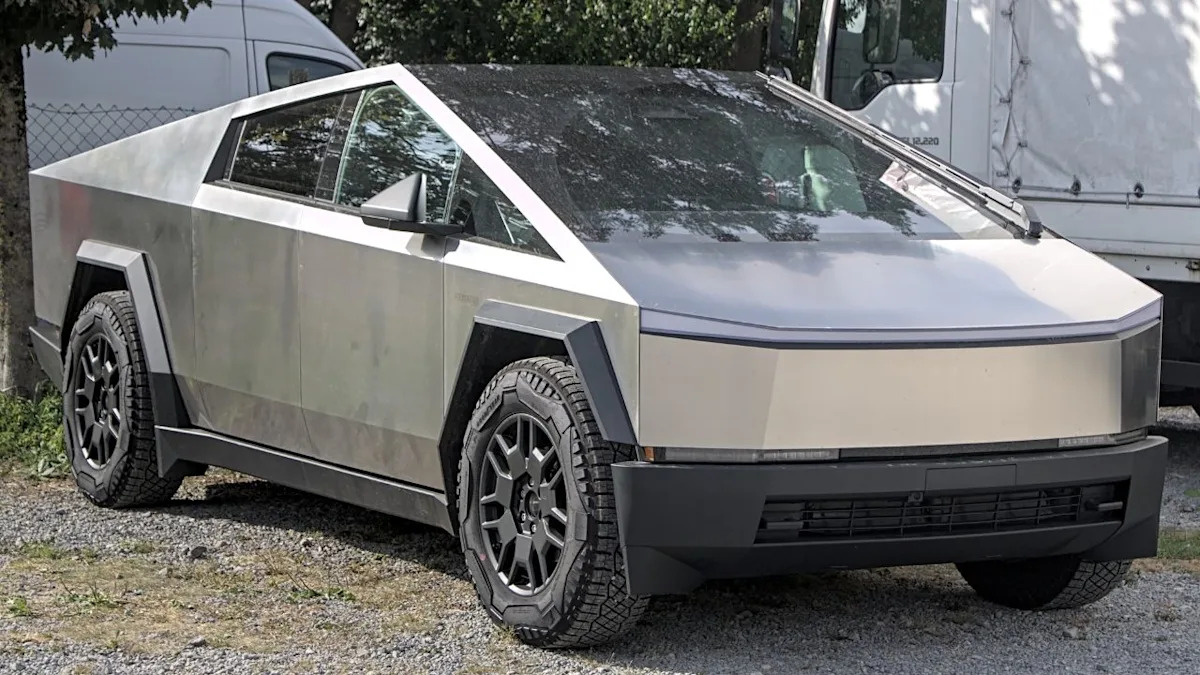
A new lawsuit in Texas is adding to mounting legal pressure on Tesla, involving the Cybertruck’s driver-assistance technology. Filed by the owner who is seeking more than $1 million in damages, the case centers on a crash that allegedly occurred while the vehicle was operating on Autopilot.
The lawsuit claims the system failed to prevent a collision with a concrete barrier, raising fresh questions about how Tesla deploys its semi-autonomous features. The dispute comes as Tesla continues to face scrutiny over safety, design decisions, and past incidents involving its vehicles. While the company has long defended its technology as driver-assist rather than fully autonomous, critics argue that branding and messaging may lead to overreliance by drivers.
Autopilot at the Center of the Dispute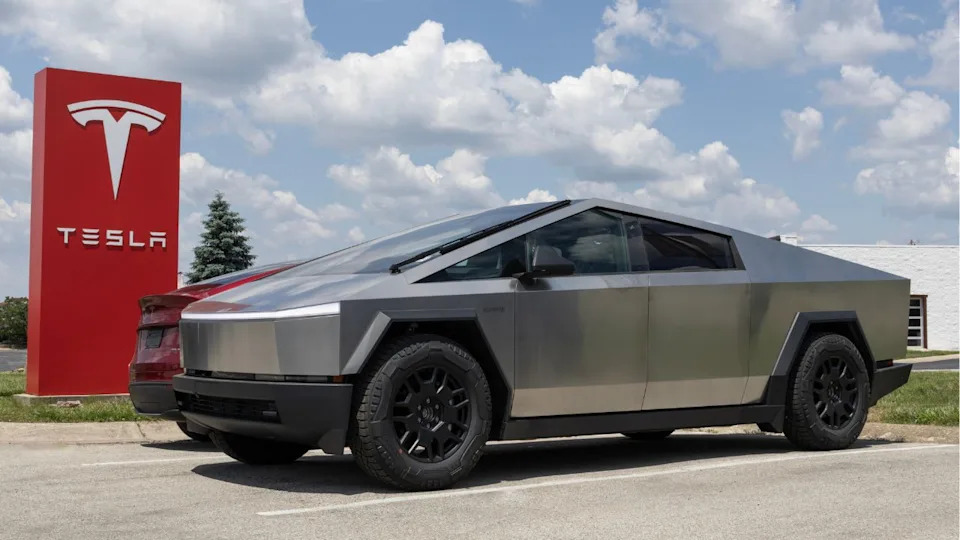
Image Credit: Jonathan Weiss/Shutterstock.
The Texas case stems from an August 2025 crash involving a Cybertruck equipped with Tesla’s optional Full Self-Driving suite but reportedly operating on standard Autopilot at the time of the incident. According to the complaint, the vehicle was on a Y-shaped overpass on the 69 Eastex Freeway. It should have followed the curve to the right, but instead went straight ahead into the concrete barrier, almost going over to the freeway below
The plaintiff alleges that Tesla’s marketing created a misleading impression of the system’s capabilities, contributing to unsafe reliance on the technology. The lawsuit points to advertising and public statements suggesting a higher level of autonomy than what Autopilot actually delivers.
Autopilot is designed to assist with steering, braking, and acceleration but requires constant driver supervision. Despite that limitation, the system has been linked to multiple legal cases over the years. In one recent federal ruling, Tesla was found partially liable for a fatal crash involving Autopilot and ordered to pay substantial damages, underscoring the legal risks tied to the technology.
The Texas lawsuit echoes similar claims, arguing that gaps between marketing and real-world performance can have serious consequences. Tesla has not publicly responded to the latest filing.
Broader Pattern of Cybertruck Safety Concerns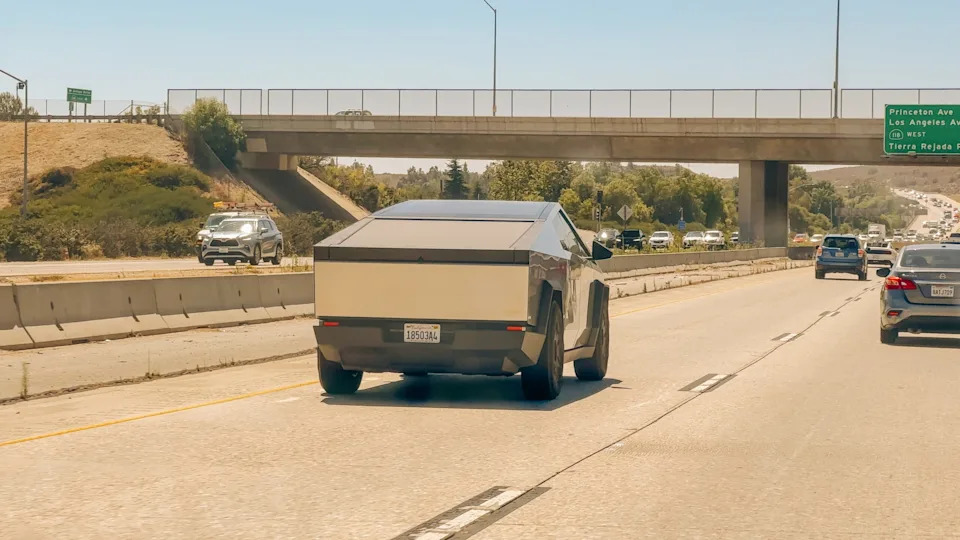
Image Credit: HannaTor / Shutterstock.
The lawsuit arrives amid a series of incidents involving the Cybertruck, a model that has drawn both attention and criticism since its launch in late 2023.
Separate legal actions have focused on the vehicle’s design, particularly in high-impact crashes involving fire. In one widely reported case, the family of a Texas driver filed a wrongful death lawsuit alleging that a crash led to a fire so intense the victim could not escape. The complaint claims the vehicle’s design, including power-dependent door systems made evacuation difficult after impact.
Other lawsuits have raised similar concerns about electronic door mechanisms and reinforced materials that may complicate rescue efforts. These cases remain contested, and Tesla has consistently maintained that its vehicles meet safety standards. Still, the pattern of litigation has intensified scrutiny of the Cybertruck’s engineering choices, particularly as more vehicles reach customers.
Legal and Regulatory Pressure Intensifies
Image Credit: Chizhevskaya Ekaterina / Shutterstock.
The growing number of lawsuits reflects broader challenges facing Tesla as it expands advanced driver-assistance features across its lineup. Legal claims tied to Autopilot, vehicle design, and safety disclosures are increasingly shaping how regulators and courts evaluate the company’s technology.
In the United States, multiple cases involving Tesla’s driver-assistance systems are ongoing, with some focusing on allegations of deceptive advertising and others on specific crash outcomes. The Cybertruck lawsuit adds to that landscape, highlighting how newer models are becoming part of the same legal debate.
At the same time, safety experts continue to question whether current systems are being used as intended. While Tesla emphasizes that drivers must remain engaged, lawsuits frequently argue that real-world behavior does not align with that expectation, especially when marketing suggests a more advanced level of automation.
The Texas case could hinge on whether the court views Tesla’s messaging as materially misleading and whether the system performed as a reasonable consumer would expect. Outcomes in such cases may influence not only Tesla’s legal exposure but also how driver-assistance technologies are marketed industry-wide.
Read More