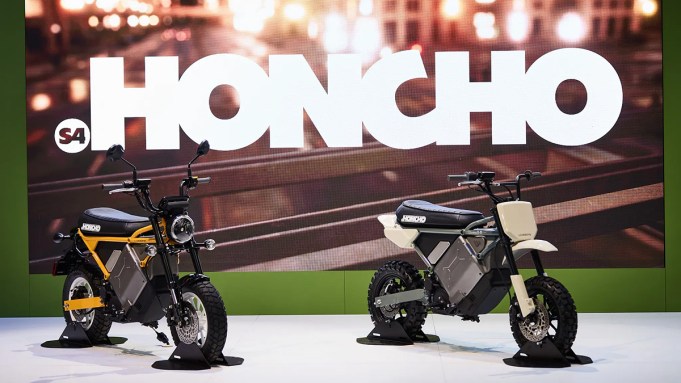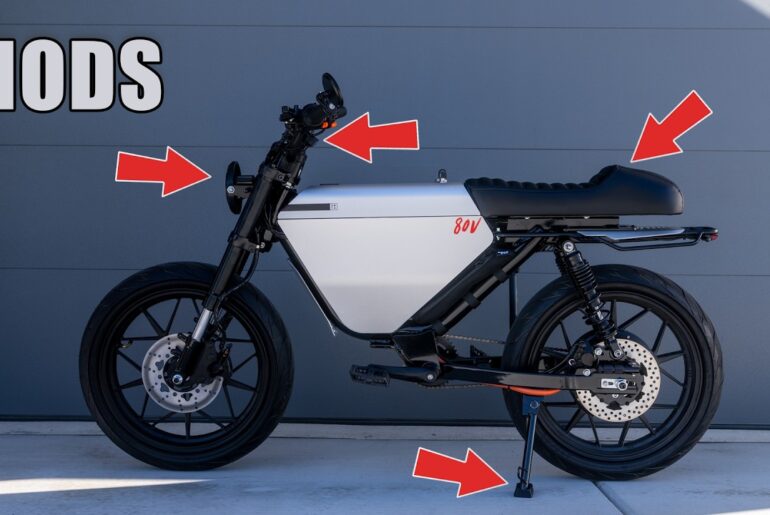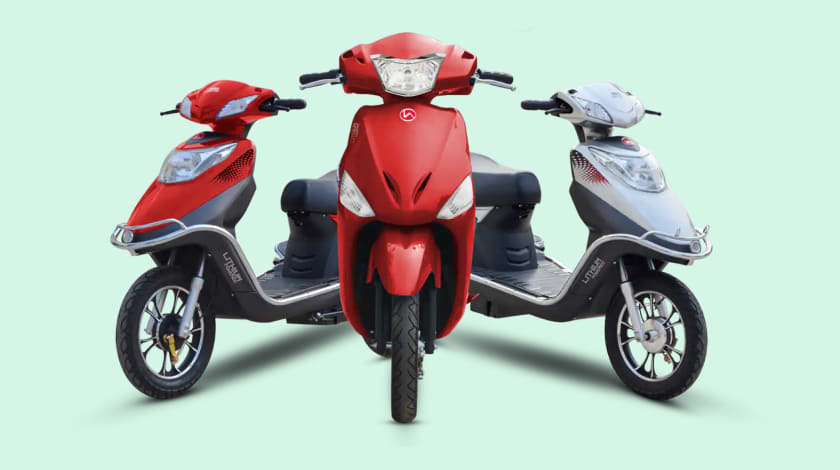
Clean energy priorities, stricter urban emission rules, and rising commuter preference for affordable, efficient transport are pushing electric two-wheeler adoption globally, backed by battery improvements, government incentives, and rapidly expanding charging networks. According to IMARC Group’s latest data, the global electric two-wheeler market size was valued at USD 44.5 Billion in 2025. Looking forward, IMARC Group estimates the market to reach USD 114.3 Billion by 2034, exhibiting a CAGR of 11.0% from 2026-2034. Asia Pacific currently dominates the market, holding a market share of over 97.3% in 2024.
Electric scooters, mopeds, and motorcycles are moving beyond niche status to become mainstream options for urban commuters, delivery fleets, and recreational riders alike. What’s driving this shift isn’t just environmental awareness—though that certainly plays a role—but a combination of practical factors including lower running costs, improved performance specs, and governments worldwide putting real money and policy behind electrification targets. Markets from India to Europe are seeing rapid uptake, with manufacturers racing to introduce models that balance range, affordability, and features consumers actually want.
Access the Latest 2026 Market Data & Forecasts
Electric Two-Wheeler Market Growth Drivers:
Government Incentives Reducing Purchase Barriers National and regional subsidies are making electric two-wheelers more accessible to everyday buyers. India’s PM E-Drive scheme launched in September 2024 with a budget of Rs 10,900 crore aims to support 2.48 million electric two-wheelers alongside three-wheelers and e-buses through direct purchase incentives. The program offers Rs 5,000 per kWh for vehicles registered in FY 2024-25 reducing to Rs 2,500 per kWh the following year capped at specific amounts per vehicle or fifteen percent of ex-factory price. Urban Congestion Creating Demand for Nimble Transport Cities worldwide are grappling with traffic that keeps getting worse and electric two-wheelers offer a practical way out. The International Transport Forum estimates congestion costs urban economies roughly one percent of GDP on average hitting productivity and quality of life. Electric scooters and motorcycles can weave through gridlock access narrow lanes and park in tight spaces that cars simply can’t manage. This agility translates to shorter commute times and less frustration for riders. Battery Technology Improvements Extending Range and Lifespan Advances in lithium-ion battery chemistry and manufacturing are directly addressing range anxiety while bringing down costs. Energy density keeps climbing allowing manufacturers to pack more capacity into the same space or reduce weight for better handling. Charging speeds have improved significantly with some models now supporting quick charging that adds meaningful range in under an hour. Thermal management systems prevent overheating and degradation extending battery lifespan to match or exceed typical vehicle ownership periods. Electric Two-Wheeler Market Trends: Commercial Fleets Driving Volume Growth E-commerce and food delivery companies are converting their fleets to electric at scale creating predictable high-volume demand for manufacturers. These commercial operators value uptime over everything else and electric two-wheelers deliver with lower fuel costs minimal maintenance requirements and routes that fit within available range. Fleet adoption also accelerates infrastructure development since operators need reliable charging or battery swapping networks to keep vehicles on the road. Low-Emission Zones Accelerating Urban Adoption Cities are implementing stricter air quality regulations that favor or mandate electric vehicles in central areas forcing traditional two-wheeler owners to switch or face penalties. By mid-2025 several major cities had tightened enforcement compared to just a couple years earlier with Delhi’s Stage-IV rules imposing significant fines on older scooters and Amsterdam’s upcoming ring-road ban substantially boosting electric’s share of new registrations. Domestic Manufacturing Expansion in Key Markets Countries are pushing to build local electric vehicle manufacturing capabilities rather than relying entirely on imports creating jobs and securing supply chains. India’s Production-Linked Incentive program encourages domestic battery production while Indonesia imposed import duties on EV cells to stimulate local assembly. The EU’s Green Deal includes tax credits that favor domestically-produced components. This shift means manufacturers are establishing regional production hubs closer to end markets reducing logistics costs and improving responsiveness to local preferences.
Recent News and Developments in Electric Two-Wheeler Market
February 2025: Ola Electric entered the electric motorcycle segment with the Roadster X series launch featuring five variants. Deliveries started mid-March with battery options from 2.5kWh to 9.1kWh all backed by a three-year/50,000 km warranty. January 2025: Greaves Electric Mobility Limited launched the Ampere Magnus Neo an enhanced electric scooter variant. Building on the Magnus EX it offers improved styling with five dual-tone colors a top speed of 65 kmph 12-inch alloy wheels for durability and a five-year/75,000 km battery warranty.
Note: If you require specific details, data, or insights that are not currently included in the scope of this report, we are happy to accommodate your request. As part of our customization service, we will gather and provide the additional information you need, tailored to your specific requirements. Please let us know your exact needs, and we will ensure the report is updated accordingly to meet your expectations.