Hybrid layouts vary, but the power path decides how an engine and motor share work.Plug-in hybrids add a larger battery and charging, yet still depend on their underlying layout.Nissan e-Power drives like an EV because the gasoline engine only makes electricity, not traction.
Hybrid is one of those words that gets tossed around as if it were a single technology. In reality, “hybrid” in automotive terms means there’s an internal combustion engine and at least one electric motor working together to get things moving, along with a battery that can vary in size.
The real question is how they’re connected, because that determines whether the engine drives the wheels, when the motor steps in, and why some hybrids behave like quiet EVs in the city while others behave more like a regular vehicle that simply consumes less fuel.
In the following, we’ll briefly cover each type of “hybrid” powertrain and share the make and model of recent vehicles that use each type.
2026 Nissan Qashqai e-Power First Drive: A Glimpse at the Rogue’s Electrified Future
Series hybrid (engine does not drive the wheels)
In a true series hybrid, the wheels are driven only by an electric motor. The gasoline or diesel (internal combustion) engine’s job is to generate electricity (either to feed the electric motor directly or top up a small battery). It’s an EV driving experience, just with a generator onboard.
Examples:
Nissan Qashqai e-Power (Rogue e-power coming to Canada late this year)First-generation Chevrolet Volt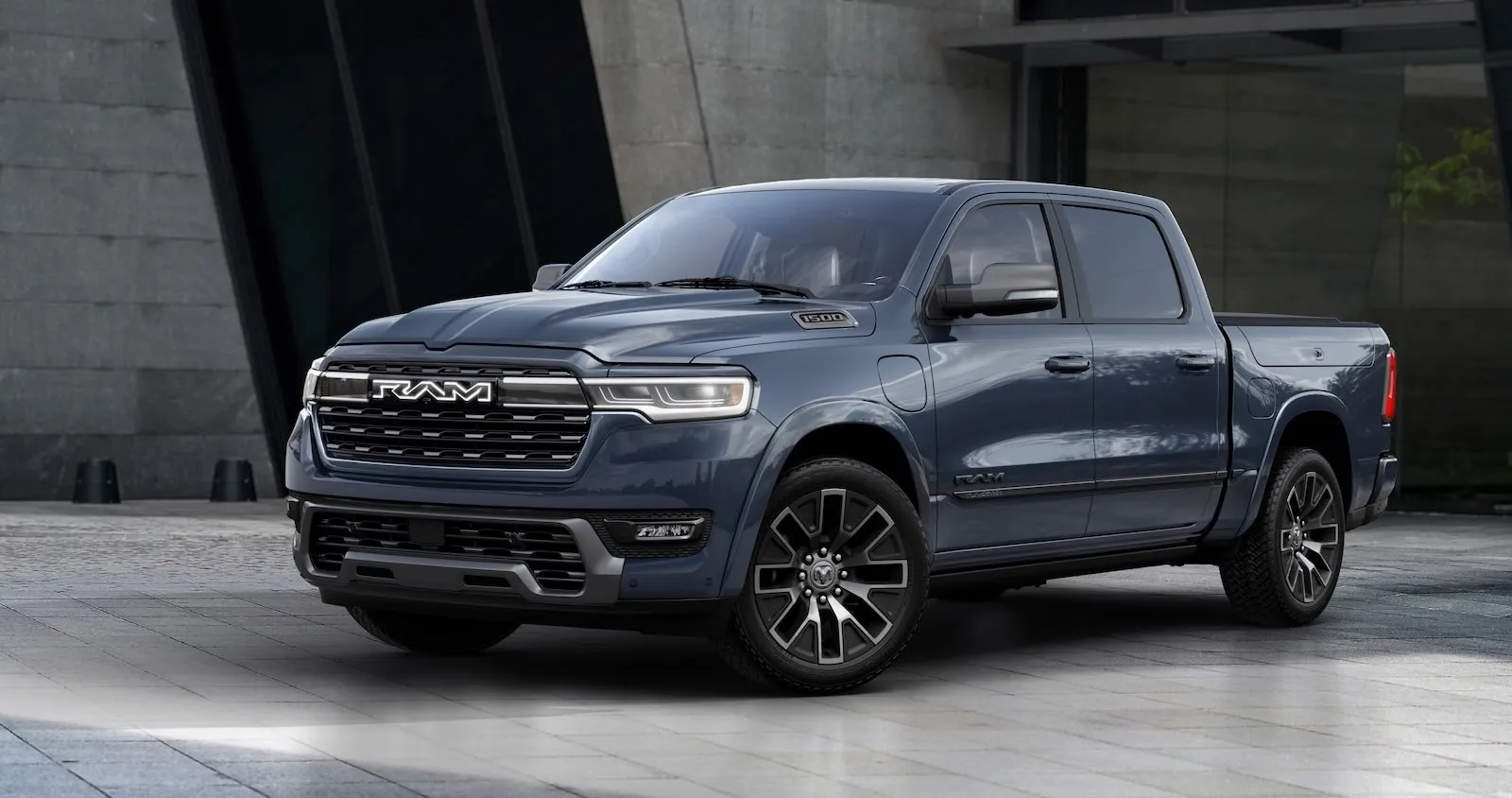 2025 Ram 1500 Ramcharger TungstenRange-extended EV
A range-extended EV isn’t exactly a hybrid. It is basically an electric vehicle first: the electric motor drives the wheels, and the engine acts solely as a generator to extend range once the battery is low (or to maintain it). All are plug-in capable. Full-EV range varies widely, depending on battery size, which can range from 20 kWh to five times that. This technology is currently trending as EVs and PHEVs face sustained headwinds.
Examples:
First-generation BMW i3Ram 1500 Ramcharger (range-extended electric pickup)
First Drive: 2026 Toyota RAV4 Hybrid Woodland: My Mom’s Apple Crumble Recipe
Parallel hybrid (engine and motor can drive the wheels)
A parallel hybrid is the more traditional “two sources, one driveline” idea. The engine and motor can each send torque to the wheels, often through a conventional automatic transmission, either separately or together. Think of it as teamwork through the same set of gears. Some models rely on an independent, typically rear-mounted electric motor along with a transmission-integrated motor for AWD capabilities.
Examples:
Hyundai Santa Fe HybridToyota RAV4Second-generation Chevrolet Volt (under specific load conditions, the Volt can mechanically couple the gasoline engine to the drivetrain)
2026 Kia Sportage PHEV Review: Updated, but Will It Be Enough?
Plug-in hybrid (PHEV)
A plug-in hybrid is defined by its slightly or much larger battery than a typical hybrid and by the fact that it can be charged like a full-EV. Many PHEVs are parallel-style; some use power-split systems; a few behave like range extenders. The payoff is generally meaningful electric-only commuting, then hybrid operation for longer trips.
Examples:
Toyota RAV4 Plug-in HybridMitsubishi Outlander PHEV
Was Predictable: Honda Sells Only 247 Prelude Coupes in Canada and U.S. Combined in First Month
Here are a few specific “hybrid” systems that merit your attention:
Honda: Two-motor hybrid
Honda’s two-motor setup (often described as e:HEV) uses one motor primarily as a generator and another as the drive motor. In most everyday driving, the wheels are driven by the electric motor, with the engine generating electricity. At steady highway speeds, a clutch can connect the engine to the wheels for efficiency, however there isn’t a traditional transmission to be found. That’s why it can behave like a series and like a parallel circuit depending on conditions.
Examples:
Honda PreludeHonda CR-V Hybrid
Nissan e-Power: Hybrid technology evolved
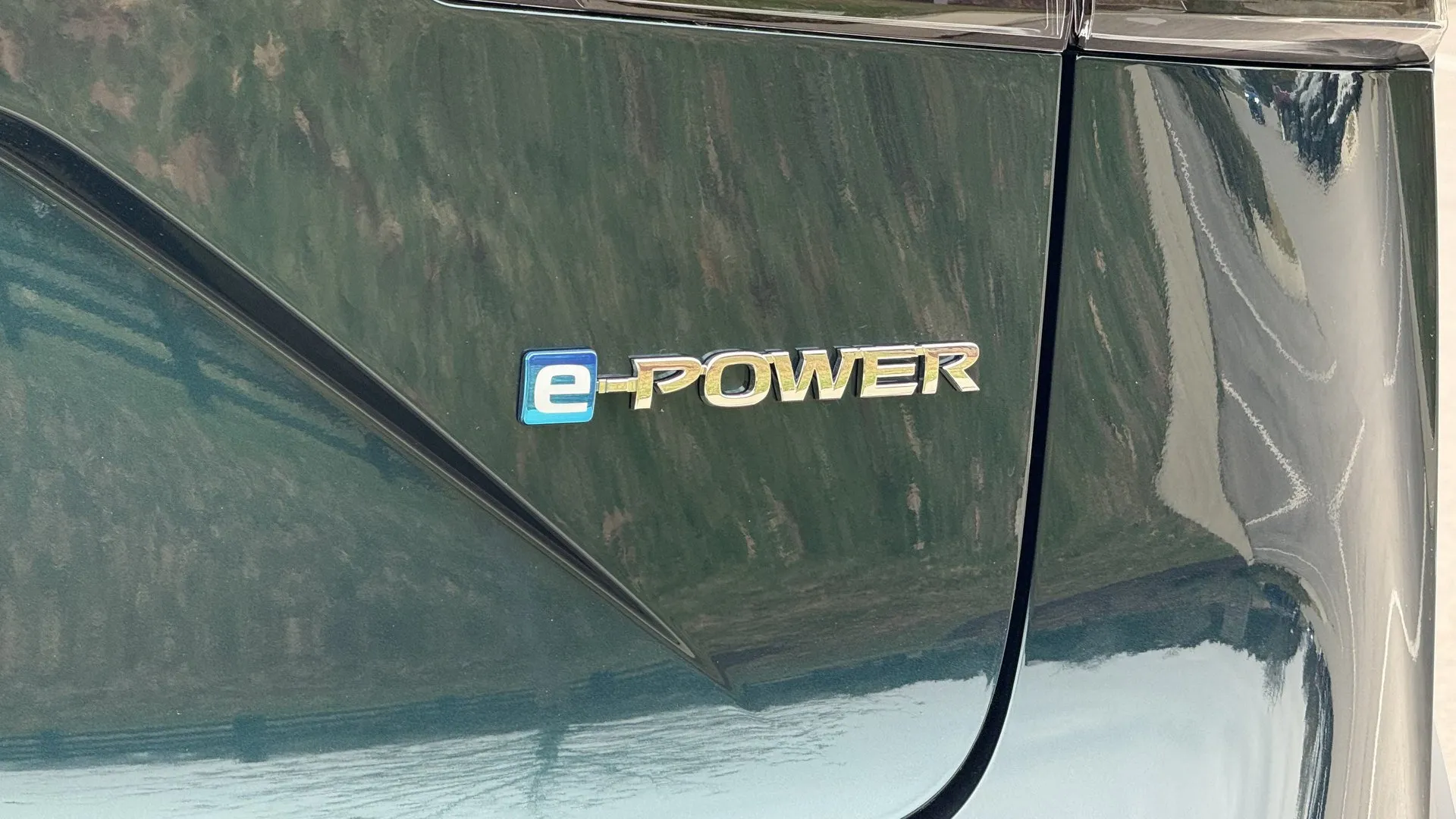
Nissan’s e-Power is the cleanest, most literal interpretation of a series hybrid in modern passenger cars. The key point is that the gasoline engine never powers the drive wheels directly. Instead, it spins a generator to create electricity, and the electric motor does all the propulsion.
That design choice is why e-Power hybrids deliver an EV’s instant, torquey response. There’s no traditional gearbox hunting for the right ratio, and the engine can run in its preferred efficiency zone more often, because it’s not mechanically tied to road speed.
The catch is also simple: without a plug, you’re still converting gasoline into electricity, then electricity into motion, so efficiency depends heavily on how smartly the system manages engine run time, battery buffering, and regeneration. Nissan has been iterating quickly, and it’s also lining up e-Power for more mainstream North American products (like the next Rogue hybrid promised for late 2026).
Tesla Sales in Canada Dropped 63.5% in 2025
Wrap-up
If electrification fails to catch on and take over, as the market indicates, hybrids will more than likely make up the majority of new car sales by the end of the decade. In most cases, it’ll be a win-win for consumers as they’ll get more efficiency and power.
Parallel hybrids are the old-school tag team, made mainstream by the first Toyota Prius in the late 1990s, and they’ll be around a while longer. Series hybrids and range-extended EVs are the near future with or without plugging in.