
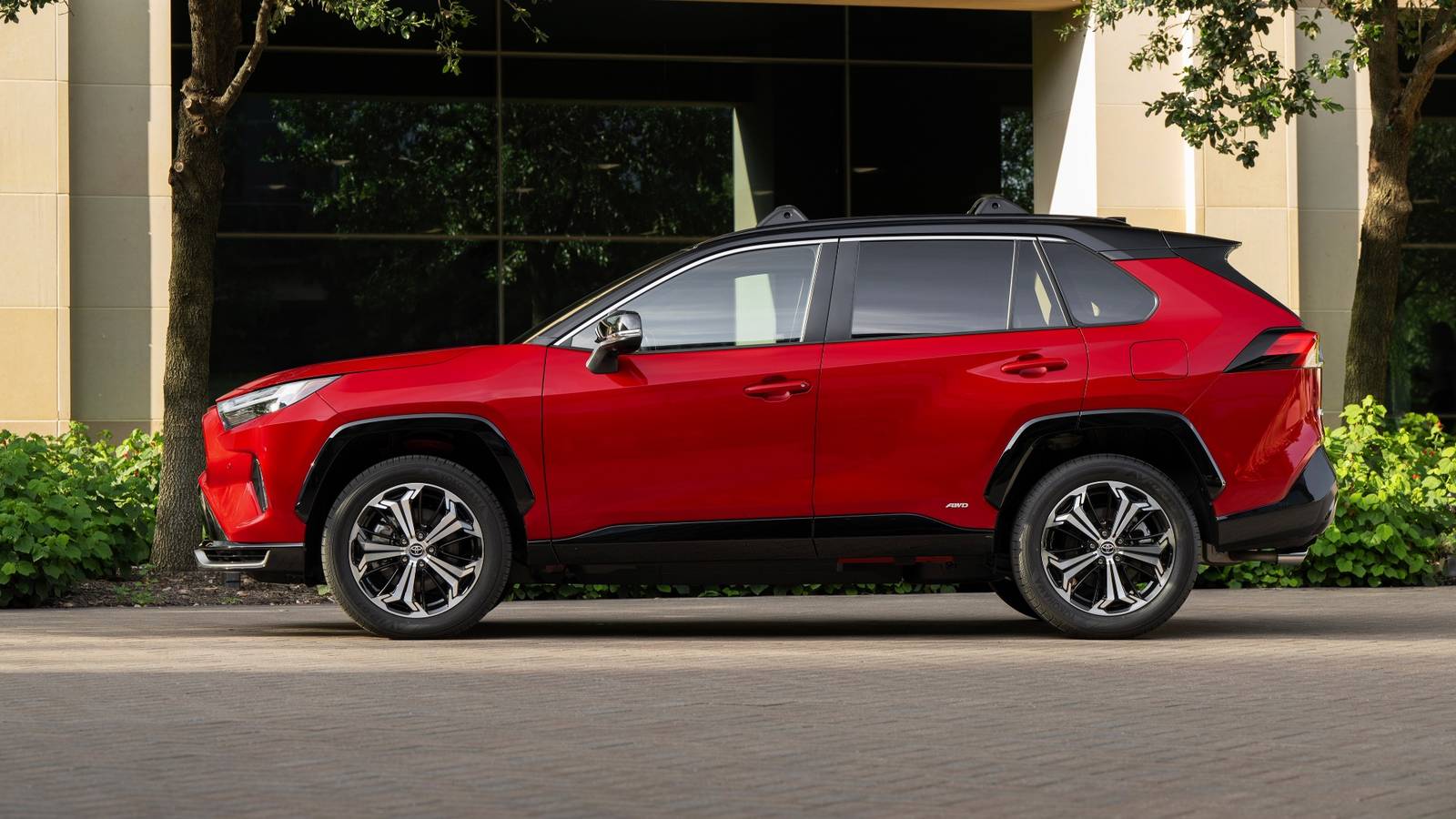
Toyota’s RAV4 plug-in hybrid offers one awesome feature in Japan that you won’t find in the US. No, it’s not the steering wheel on the wrong side, it’s a power supply instead of just power storage. The RAV4 PHEV, which is definitely not the Prime anymore, will offer vehicle-to-home power. Letting you run a typical Japanese home for nearly a full week, if necessary.

Base Trim Engine
2.5L Inline 4 Hybrid
Base Trim Transmission
CVT
Base Trim Drivetrain
Front-Wheel Drive
Base Trim Horsepower
183 HP @6000 RPM
Base Trim Torque
163 lb.-ft. @ 3600 RPM
Segment
Compact SUV
Japan Model Gets Something The US Doesn’t
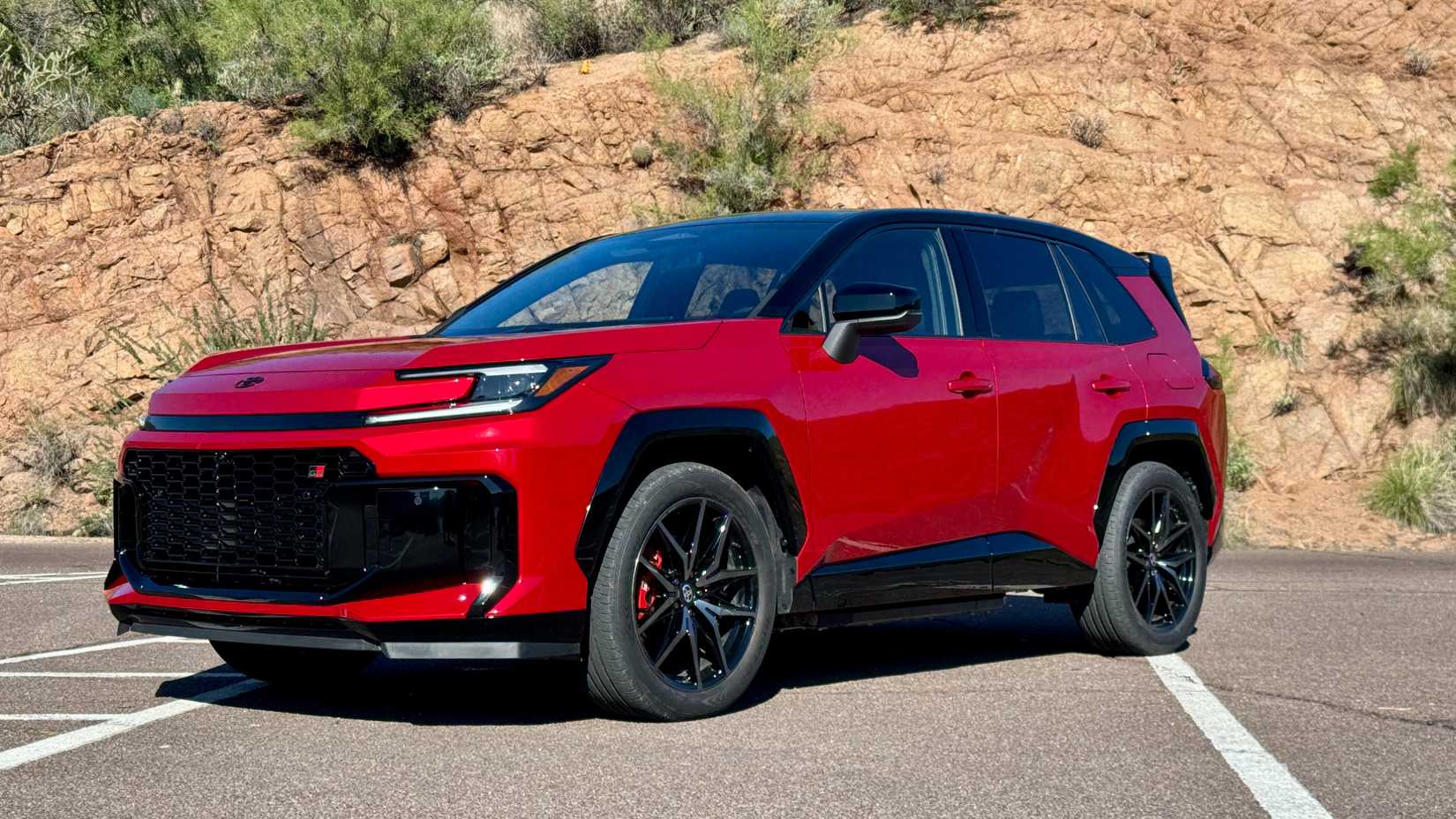
2026 Toyota RAV4 PHEV GR Sport front 3/4 angle in redJared Rosenholtz/CarBuzz/Valnet
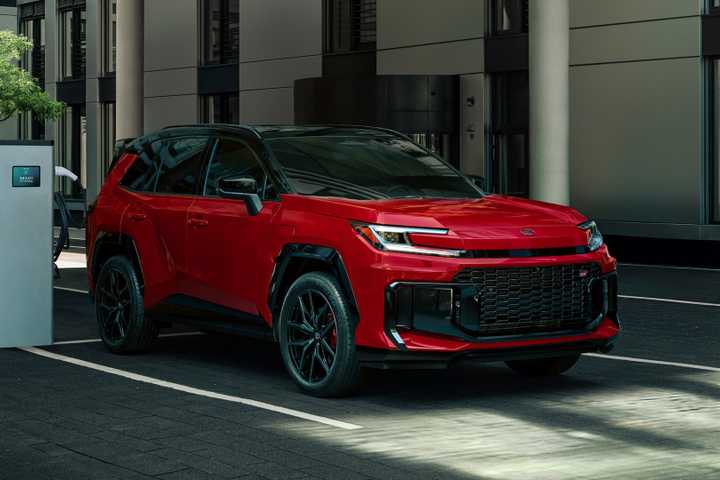
The RAV4 plug-in has just launched in Japan. While the US-spec model gets three basic versions (SE/XSE, Woodland, and GR Sport), the PHEV is offered in just two. One is simply called Z, which is roughly the SE/XSE equivalent, and GR Sport. Woodland models, called Adventure, are hybrid only.
Related
2026 Toyota RAV4 Pricing: Both More Expensive And More Affordable
Prices of the most hotly anticipated Toyota SUV are finally here.
Maybe to make up for that lack of variety, only the Japanese market gets the ability to use the big battery to power things outside of the vehicle. Vehicle to load, or vehicle to home (V2L/V2X) lets you use the car’s charge port to power home-sized loads from the 22.7 kWh battery pack that drives the vehicle in PHEV mode.
Toyota says that it can deliver up to 1,500 watts at the Japan-standard 100 volts. With the battery and a full tank of fuel, it can power what Toyota describes as a typical Japanese home for about 6.5 days. A priority mode boosts that to seven. If you’re an electrician or electrical engineer and wondering about that math, yes, it works out to just a 400W load. Japanese homes evidently use much less electricity than American homes.
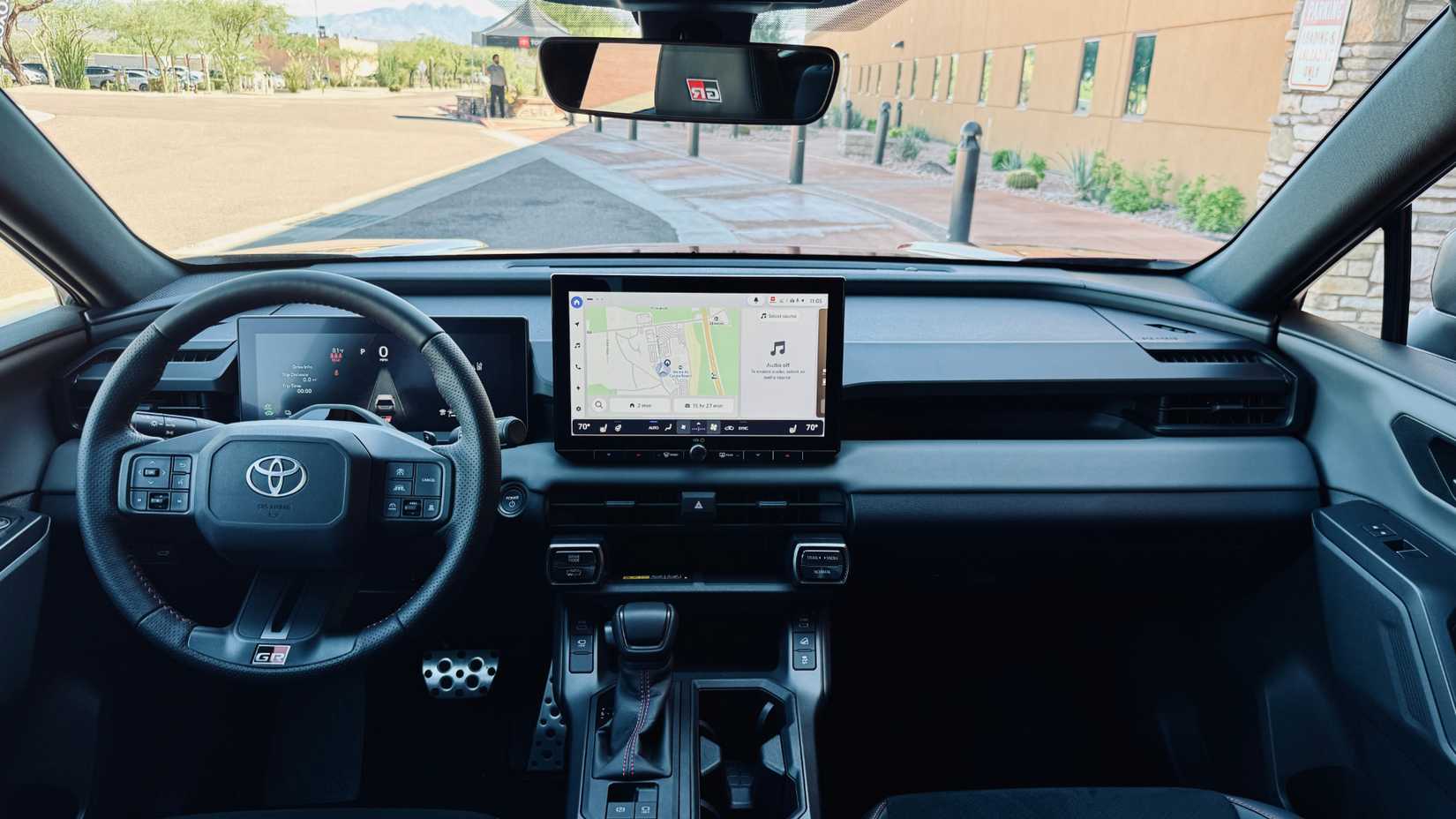
2026 Toyota RAV4 PHEV GR Sport interior view of the front cabinJared Rosenholtz/CarBuzz/Valnet
It’s not a massive figure, at least not if you’re looking at V2L-capable EVs from US automakers. Ford says the F-150 Lightning and its 131 kWh Extended Range battery can power a house for just three days. How does that work? Ford thinks you’ll use 30 kWh per day while Toyota puts it at 9.6. The ability to use power like this is also great for camping. Run site lighting, a plug-in cooler, or run a remote office without needing the gas engine.
Highlander Will Get V2L First In Us
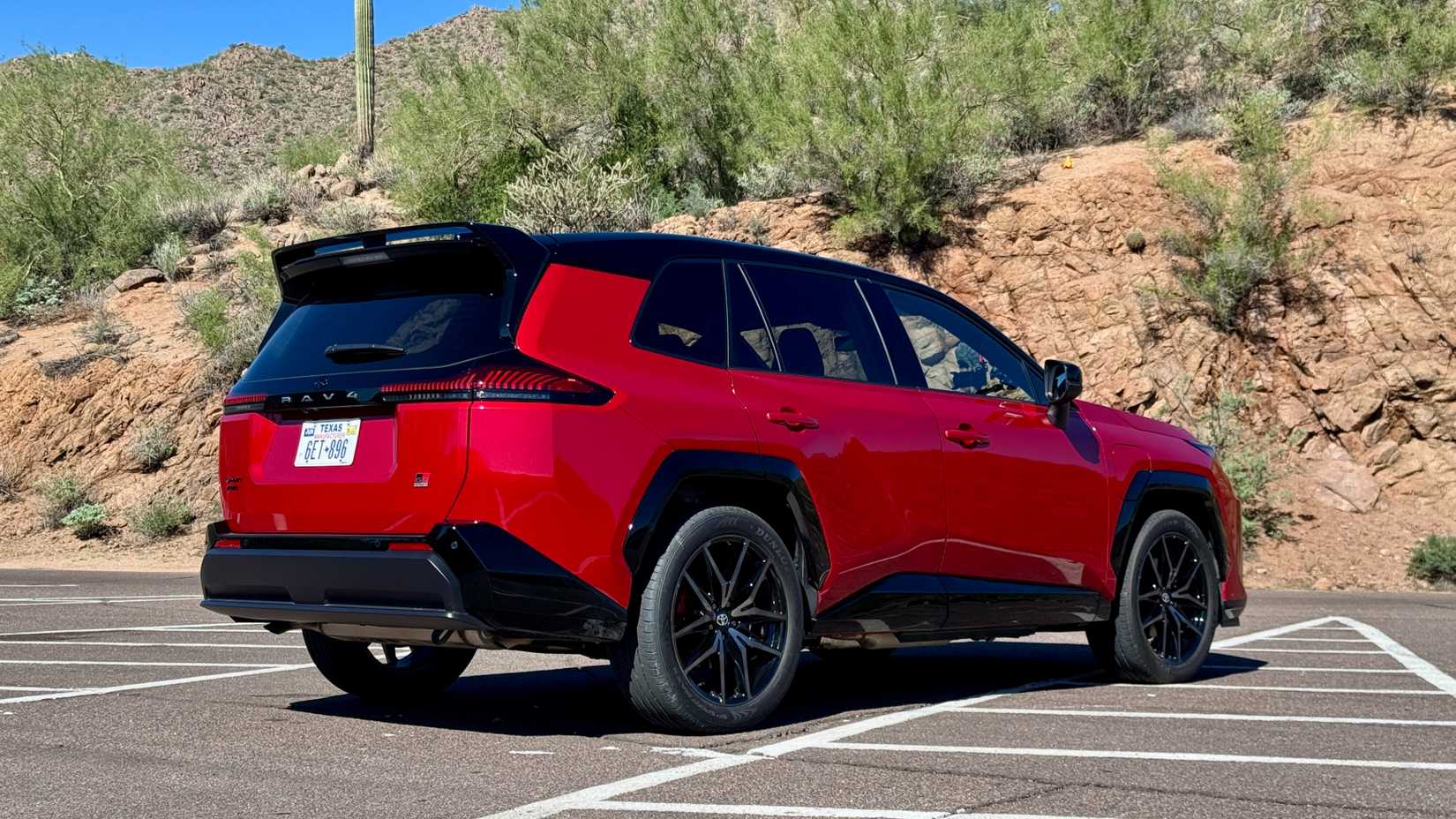
2026 Toyota RAV4 PHEV GR Sport rear 3/4 angle in redJared Rosenholtz/CarBuzz/Valnet
For now, the US-bound Toyota RAV4 PHEV will not get the V2L power system. Or at least it hasn’t been mentioned in any of Toyota’s materials about the vehicle. We’ve reached out to confirm, but don’t expect it. At least not for a while.
There are some practical reasons for that. If Ford and GM think an average US home uses around 30 kWh per day, that would run Toyota’s battery and tank flat in just over 2 days. That’s not the kind of utility the brand would want to advertise, even if away-from-home use still has large potential.
Related
America’s New RAV4 Plug-In Hybrid Is Better Than Everyone Else’s
America gets the hottest available version of Toyota’s best-selling SUV.
Toyota has also said that the upcoming electric Highlander will offer V2L. Not only that, Toyota said that the new model with its 95.8-kWh battery pack will be the first Toyota sold in the US to offer it. It’s not on sale yet, though, and Toyota hasn’t given details. If the RAV4 PHEV does get the feature, it will have to be next year. Sales of the Highlander aren’t expected to start until the end of 2026.