Electric vehicles are now firmly part of the motoring mainstream. Deadlines and policy headlines may shift, but one thing is clear: EV technology has matured quickly, and the driving experience continues to impress. Having spent time behind the wheel of dozens of electric cars, it’s easy to see why so many drivers are making the switch.
As with any new technology, questions are natural. How does EV ownership work for long motorway journeys? What if you’re away from home? What happens if you can’t charge at home? And, perhaps most importantly, is it actually cheaper?
The good news is that charging — and running — an EV is no longer a mystery. With clearer pricing, smarter tariffs and better tools to plan journeys, it’s easier than ever to understand the real costs and decide what works best for your lifestyle.
EV prices are coming down and value is going up
When electric cars first arrived in showrooms, they often carried a noticeable price premium. That gap has narrowed dramatically in recent years. A wave of well-equipped, competitively priced models — including a growing number from new manufacturers — has reshaped the market.
Today, some electric cars now match or even undercut their petrol and hybrid equivalents, while offering lower running costs and fewer maintenance requirements. As competition increases, buyers benefit from more choice and better value across the board.
Day-to-day running costs: where EVs really shine
Fuel costs are where many drivers first notice the difference. Anyone who’s filled up at a motorway service station knows that convenience often comes at a premium — and EV charging is no different.
Public rapid charging is designed for speed and convenience, and prices reflect that. Charging costs and speeds can vary depending on the provider, location and time of day. However, planning tools now make it much easier to manage this.
Apps such as Electroverse by Octopus Energy allow drivers to check real-time charger availability, speeds and prices along their route. With access to more than 1.3 million public charging points across the UK and Europe via a single app or card, it takes much of the guesswork out of charging away from home.
Making sense of EV charging costs
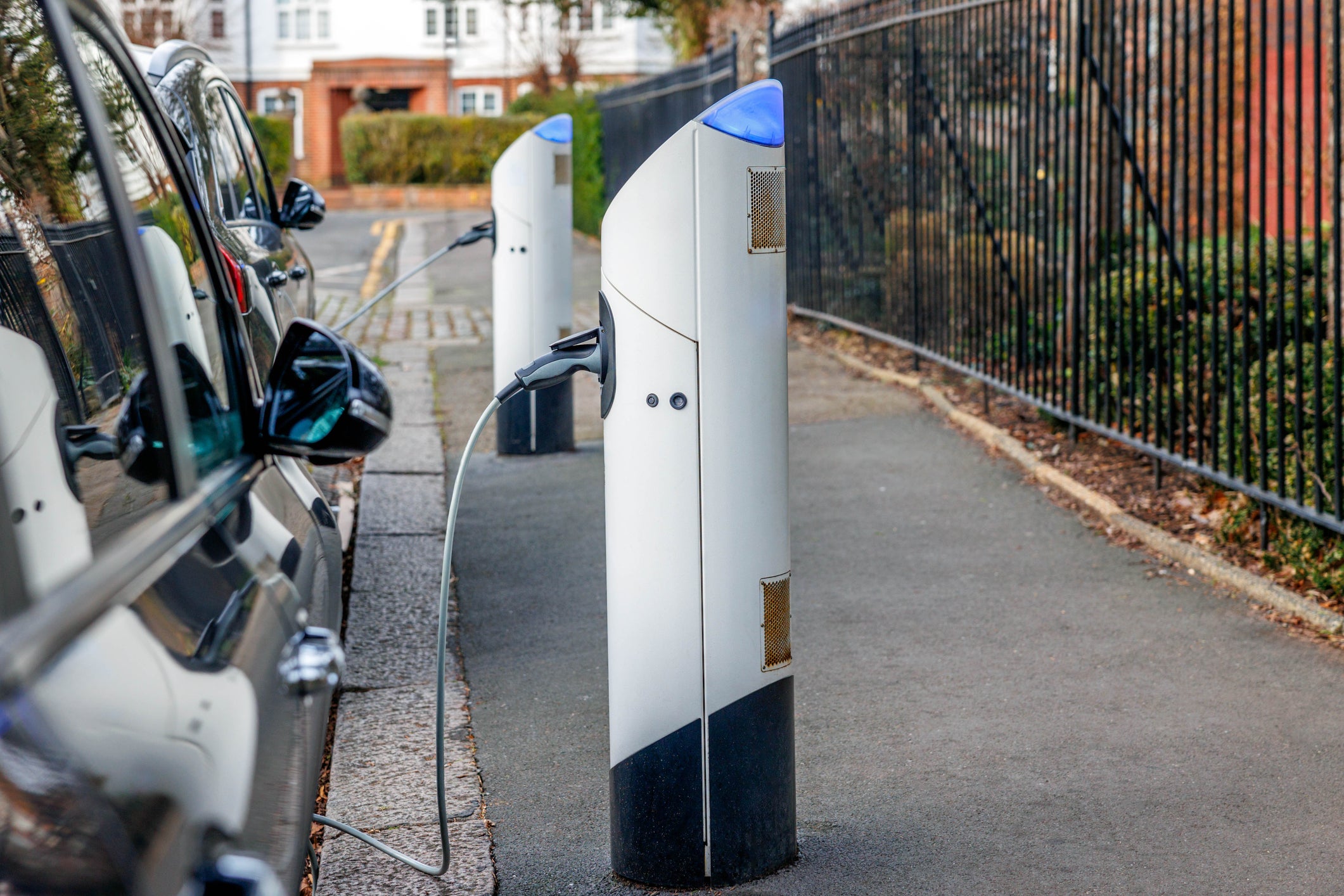 Take the hassle out of public charging with Octopus Energy’s Electroverse system, which pinpoints the best charging spots (Getty Images)
Petrol pricing is familiar and visible — cost per litre is displayed clearly at the pump. EV charging works slightly differently, with electricity priced per kilowatt hour (kWh).
Efficiency in petrol cars is measured in miles per gallon (mpg), while EVs display miles per kWh or kWh per 100km. In simple terms, the higher the miles per kWh, the more efficiently the car uses energy.
To make things easier, energy providers like Octopus Energy offer EV-focused tariffs designed to clearly show when electricity is cheapest, helping drivers charge at the most cost-effective times without needing to constantly monitor prices.
Home charging versus public charging
 Home charging can cost as little as 7.5p per kWh depending on your off-peak tariff (Getty Images)
Charging costs vary most depending on where you plug in. Public charging — particularly at motorway service stations — typically costs more, with prices often ranging between 60p and 89p per kWh, depending on the provider and charging speed. This reflects the convenience of rapid charging on long journeys.
Charging at home, by contrast, is significantly cheaper. With the right tariff, costs can drop to as little as 7.5p per kWh when charging off-peak. Even on a standard home electricity tariff, home charging remains far more economical than public rapid charging.
Octopus Energy’s Intelligent Octopus Go tariff automatically schedules charging for off-peak times, usually overnight or early morning. Charging happens in the background, so there’s no need to stay up late or wake early — just plug in and let the system do the work. Off-peak charging also helps balance demand on the national grid, making it a win for both drivers and energy infrastructure.
Is an EV right for every driver?
Electric cars suit most driving patterns exceptionally well, but like any vehicle, they’re not a universal solution. Drivers covering very high motorway mileages every month may find public charging costs add up more quickly, making alternatives such as plug-in hybrids worth considering.
That said, around 70 per cent of UK car journeys are under 20 miles, which plays directly to an EV’s strengths. For these drivers, charging at home combined with occasional public top-ups offers a cost-effective and convenient solution.
Octopus Energy customers using Electroverse also benefit from competitive home charging rates alongside an 8% discount on public charging, helping keep costs predictable even when charging away from home.
Choosing what works for you
Lifestyle has never been more important when choosing a car. For drivers who can charge at home, cover average annual mileage and want lower running costs, an EV can be a smart and future-ready choice. For those with specialist needs — such as frequent towing or constant long-distance driving — other powertrains may still make sense.
As with any major purchase, the key is preparation. Look at your daily driving habits, compare models carefully and understand your charging options before making the switch.
With clearer costs, better infrastructure and smarter energy tariffs, EV ownership in 2026 is less about compromise and more about choosing flexibility.
Explore Octopus EV Chargers or verify our claims on the Octopus Energy website.