Photo Credit: Getty Images
Members of the trucking industry have accused California of giving Tesla preferential treatment, granting it an unfair market advantage that could also hinder state efforts to improve air quality.
What’s happening?
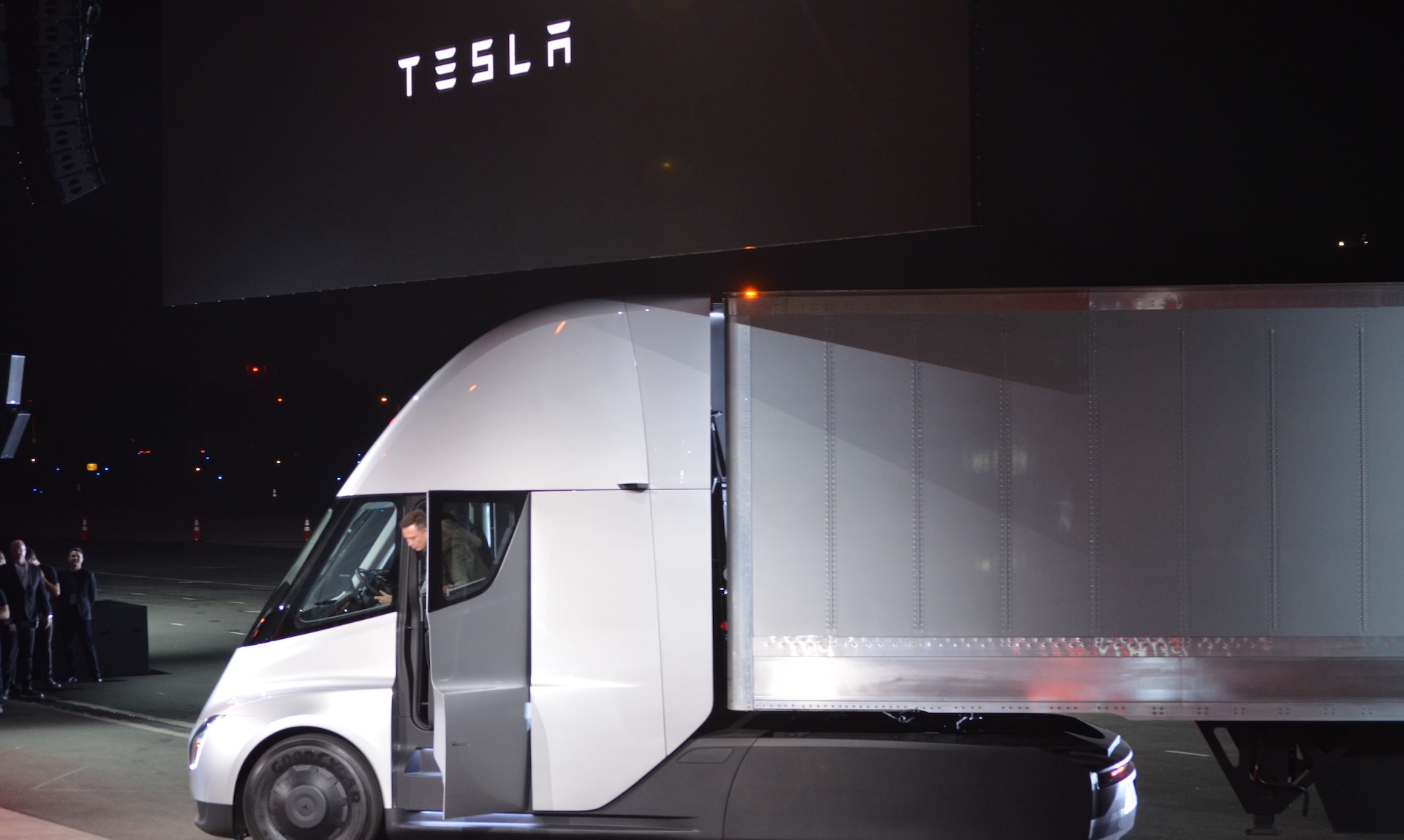
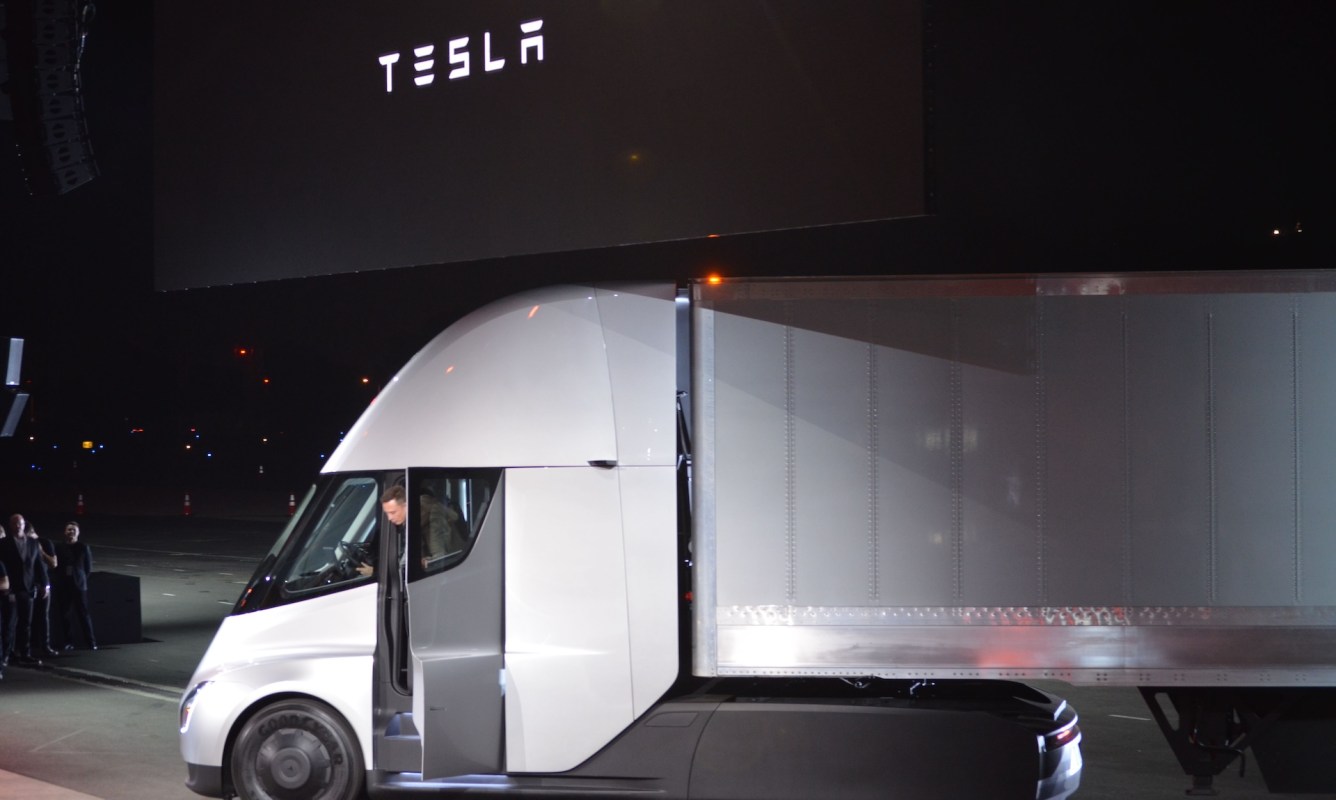
A state decision to earmark around $165 million in vouchers to support Tesla’s all-electric semi is receiving backlash, according to the Los Angeles Times. Critics say the California Air Resources Board (CARB) and its nonprofit partner CALSTART gave Tesla an unfair advantage for an electric semi that has faced production delays and failed to meet certification standards.
“I still haven’t seen any proof that Tesla has been able to satisfy the requirements,” said a senior official at another EV manufacturer. “That is really concerning to me, because these are rules that I have to follow. So, how are they getting around this? And how has CARB not caught this?”
Why is this important?
Not long ago, the blanket of smog over major California cities like Los Angeles was so thick that it disrupted daily life, and some commuters wore gas masks.
Fortunately, the Golden State’s efforts to curb air pollution are paying off, and electrification has been a big part of its success. Already, Californians are increasingly choosing EVs for personal transportation. Electrifying commercial fleets could provide additional public health benefits, as semis produce disproportionately high emissions compared to their numbers on the road.
To that end, veteran truck drivers have raved about the Tesla Semi, which boasts a range of 500 miles and runs entirely on electricity rather than diesel, making it quieter, cleaner, and more cost-effective to power. However, availability is still limited, and production is just ramping up this year — assuming that CEO Elon Musk’s promises don’t fall flat yet again.
As it stands, smaller EV manufacturers are losing out on funding at a critical time, hindering operations as customers continue to wait for Tesla to actually deliver.
“If this doesn’t get corrected, our whole industry will just go down the toilet,” said Peter Tawil, director of sales and marketing at RIZON, a commercial electric truck brand, per the Times.
What’s being done about this?
For years, state officials limited electric vehicle manufacturers to 100-voucher batches until they delivered their products. This ended because it “had the unintended consequence of limiting zero-emission vehicle choices for fleets,” a CARB spokesperson told the LA Times.
However, this change has allowed large manufacturers like Tesla to monopolize the program. Now, increased awareness about gaps in oversight and accountability has ignited calls for reforms to how incentives are doled out. You can contact your state representatives to advocate for policies that promote a competitive market.
Get TCD’s free newsletters for easy tips to save more, waste less, and make smarter choices — and earn up to $5,000 toward clean upgrades in TCD’s exclusive Rewards Club.