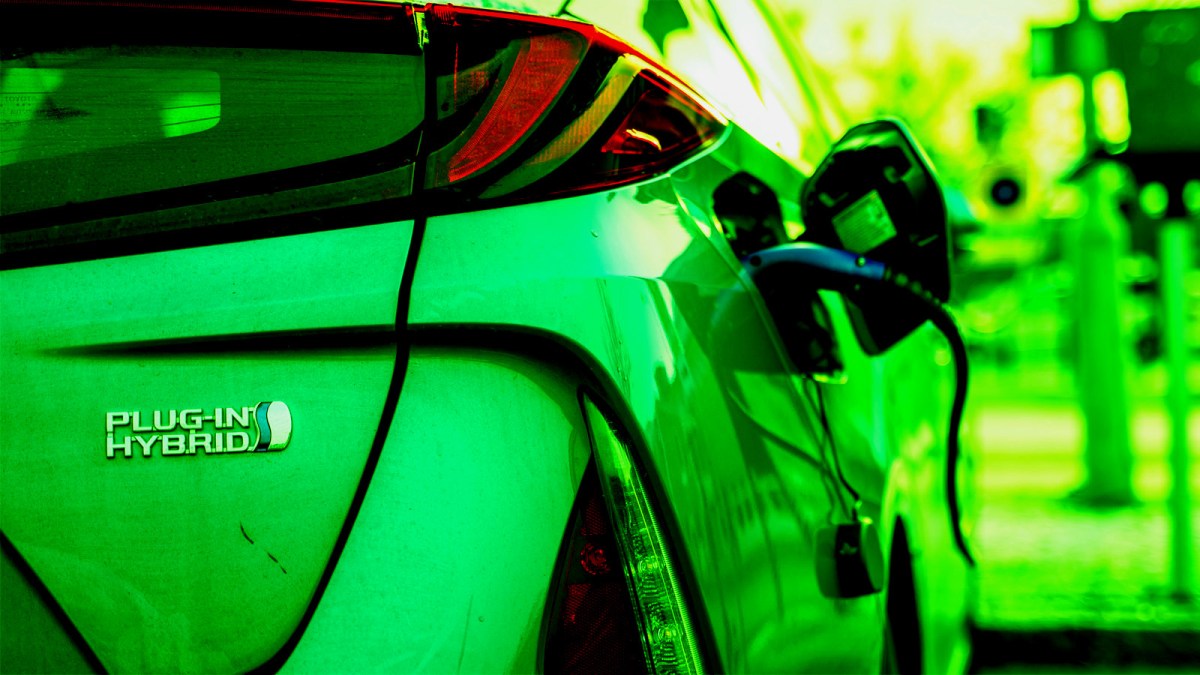
A study of almost a million plug-in hybrid electric cars (PHEVs) found that they consume three times as much fuel as manufacturers claim. If the study is accurate, it makes PHEVs much less economical than consumers are being led to believe by automakers.
German research organization, the Fraunhofer Institute, conducted the study, which experts have called “the most comprehensive study of its kind to date.” Not only did it find that PHEVs use significantly more fuel than advertised, but they also use more gas in electric power mode than previously claimed.
The Fraunhofer Institute used data from the European Environment Agency’s (EEA) On-Board Fuel Consumption Monitoring (OBFCM) tool to assess the consumption levels of over one million registered PHEVs in Europe in order to arrive at these conclusions.
What the study discovered about PHEV fuel-consumption
They discovered that the average real-world fuel consumption of PHEVs in Europe from 2021 to 2023 was 5.9 liters per 100 kilometers, which is about 300 percent higher than the official estimates manufacturers had previously claimed.
According to the OBFCM data, PHEVs use electric mode approximately 40% of the time. However, actual fuel usage in electric mode is “significantly higher” than claimed, averaging about 2.8 liters per 100 kilometers.
The Fraunhofer Institute researchers discovered that the primary cause of the higher-than-reported fuel consumption was the PHEVs’ dual operation, which alternates between an electric engine and a combustion engine. Manufacturers had, up until now, asserted that the cars consumed little to no fuel when operating in electric mode.
The study showed that drivers use the gas-powered engine in discharge or charge depleting mode (when the battery is running low) far more often than previous claims suggested. PHEVs consumed more gasoline than tests would expect, even when they operated on batteries.
The average fuel consumption in discharge mode was 2.98 liters per 100 kilometers, over twice as much as the claimed 1.57 liters per 100 kilometers, indicating that the engine is starting more frequently than anticipated.
Luxury PHEV brands use significantly more fuel, but are the owners of the vehicles to blame?
The study also found that budget-focused PHEV brands charge more often than luxury brands. In fact, PHEV owners almost never charged some luxury brands.
Three brands in particular top the list of the least-charged vehicles: Porsche, Ferrari, and Bentley. This is somewhat striking as one would assume that owners that can afford those vehicles would be more financially capable of installing a charger at home.
“Despite this latest report finding that they consume 300 percent more fuel than their manufacturers claim, they are being misleadingly marketed as cars that will help save people money while also cutting emissions,” Colin Walker, Head of transport at the Energy and Climate Intelligence Unit, told DailyMail.com. “This chimes with our own analysis showing that hybrids actually cost more to own and run than a regular petrol car.”
The Fraunhofer Institute is now urging EU regulators to change how they calculate PHEV emissions, claiming they need to “urgently adjust” the CO2 limits their car manufacturers must meet.
“Manufacturers have been given the green light to earn more of the credits they need to hit their zero emission vehicle sales targets through the sale of hybrids that produce emissions that are little better than a regular petrol car,” he said.