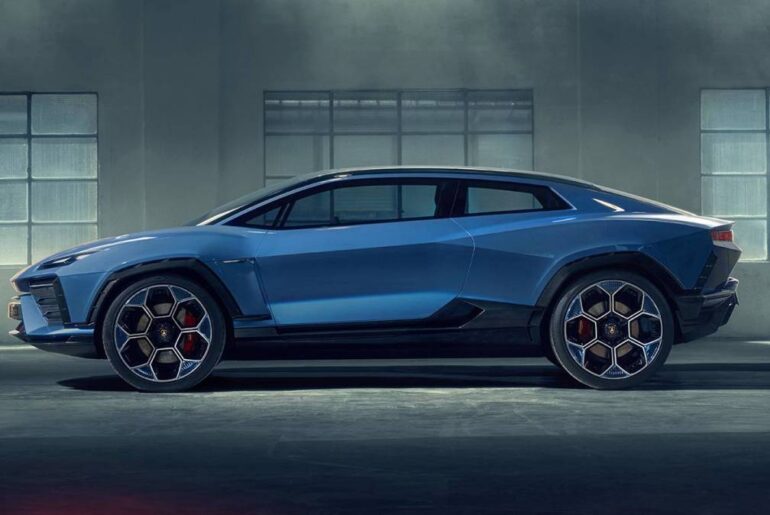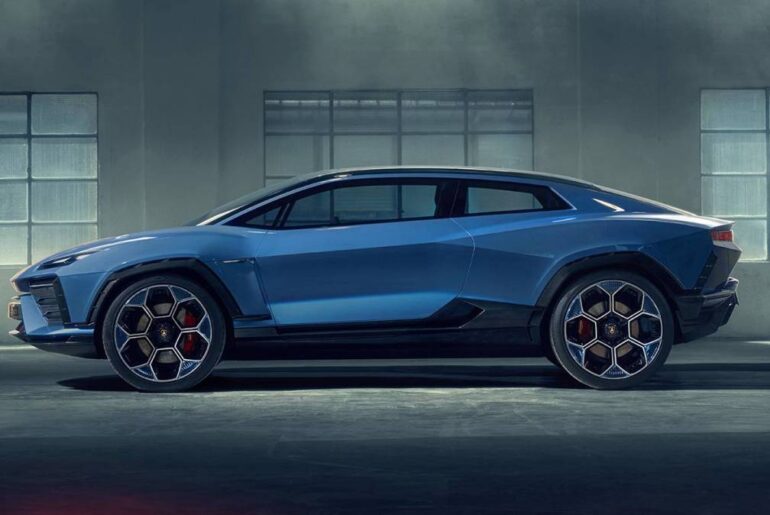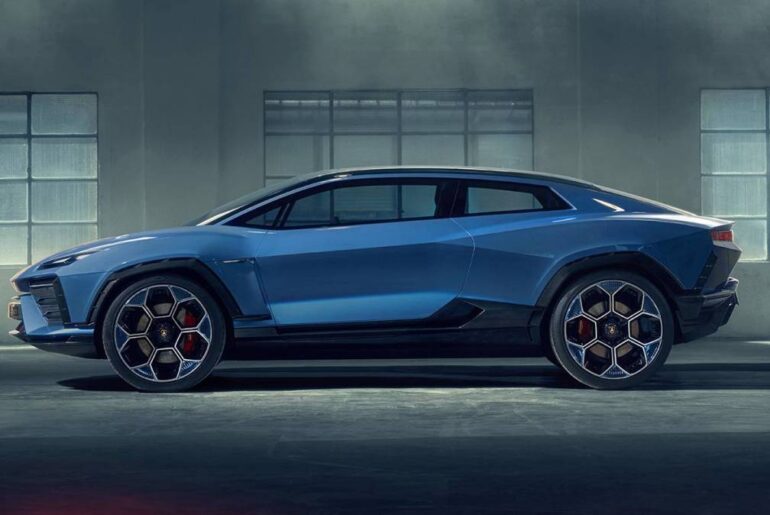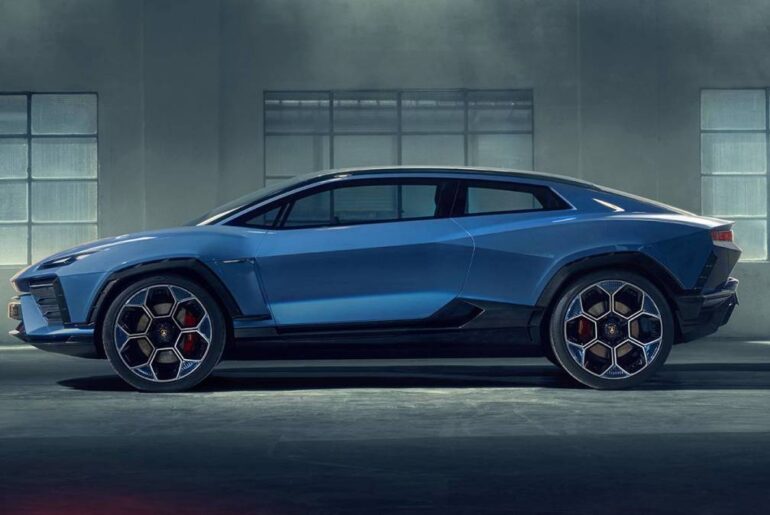
The Italian supercar manufacturer Lamborghini has abandoned plans to make all-electric vehicles, and will instead focus on making plug-in hybrid cars, after a drop-off in demand for EVs among its wealthy clientele who strongly prefer the roar of combustion engines.
The electric dream has hit a massive speed bump in Sant’Agata Bolognese. Lamborghini is officially pulling the plug on its highly anticipated Lanzador EV project.
This reversal sends a shockwave through the global luxury automotive sector. As governments push for zero-emission futures, the ultra-wealthy are signaling a hard limit on battery-powered hypercars. For East Africa’s growing class of high-net-worth individuals, this shift toward hybrid technology aligns perfectly with regional infrastructure realities, ensuring that the legendary raging bull will continue to roar on the streets of Nairobi.
The Cost of Silence in a Supercar
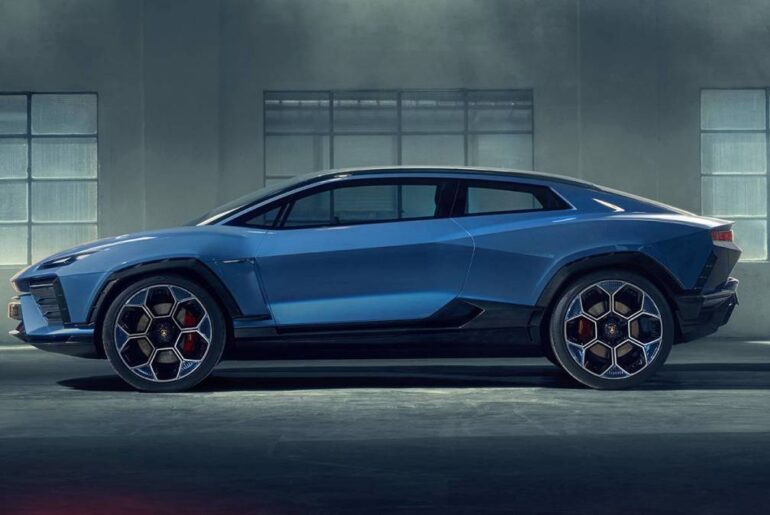
Lamborghini unveiled its first all-electric concept car, the Lanzador, in 2023 with grand ambitions. However, the market has spoken. Chief Executive Stephan Winkelmann recently admitted that developing pure EVs risked becoming an “expensive hobby.” The acceptance curve for battery-powered cars among their traditional customer base is flatlining, moving precariously close to zero.
The core issue is not speed or design, but visceral emotion. Sports car purists have failed to find a specific emotional connection with silent electric drivetrains. They miss the deafening, ground-shaking noise of a V10 or V12 internal combustion engine (ICE). Investing heavily in full-EV development when buyers are actively resisting it would be financially irresponsible toward shareholders and employees.
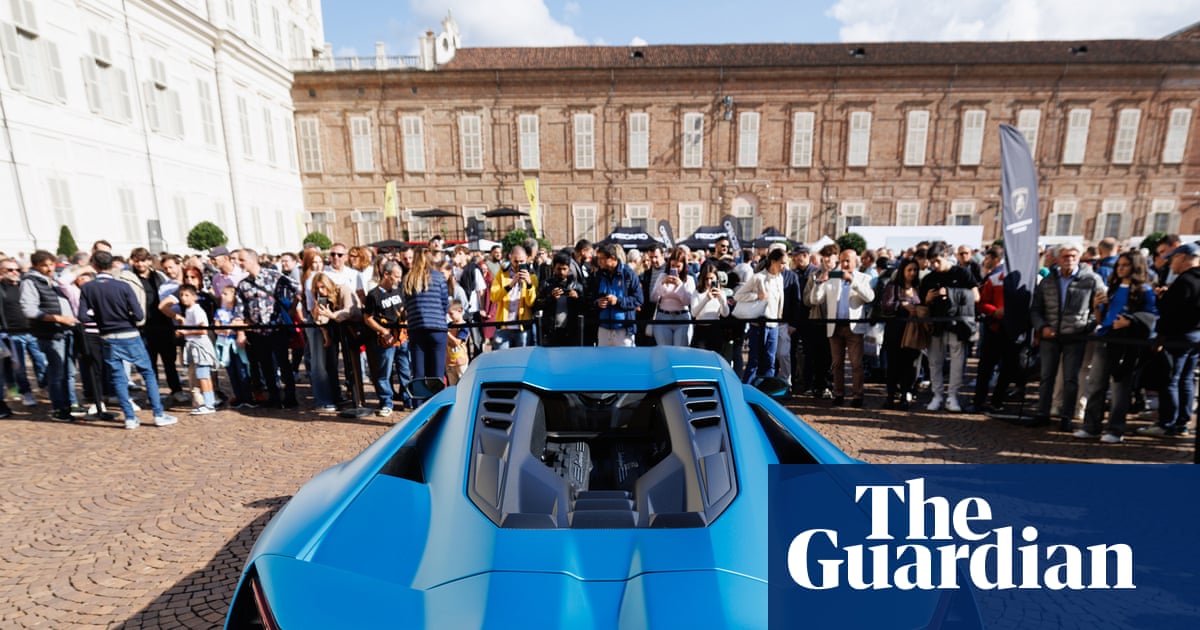
Instead, Lamborghini will pivot entirely to plug-in hybrids. By 2030, the brand’s entire lineup will consist of hybrid models, blending electric efficiency with the acoustic drama of traditional fuel combustion. The transition is already proving lucrative, with the automaker delivering a record 10,747 cars worldwide in 2025.
The Hybrid Compromise
This hybrid strategy is paying immediate dividends. The brand’s recent financial results were heavily buoyed by the global enthusiasm for their mixed-power models. The current hybrid lineup is robust and prohibitively expensive, yet wildly popular.
Revuelto: The flagship hybrid supercar, costing upwards of £450,000 (approx. KES 76.5m before local taxes).
Urus Plug-in: The hybrid iteration of their best-selling SUV, starting at about £210,000 (approx. KES 35.7m).
Temerario: Introduced last year, this hybrid model commands a price of over £260,000 (approx. KES 44.2m).
Europe remains the company’s largest market, but the Africa and Asia-Pacific regions are seeing steady growth. In Kenya, where charging infrastructure for pure EVs remains concentrated in urban hubs like Nairobi and Mombasa, hybrid supercars present the perfect compromise. Wealthy local buyers can navigate city traffic on electric power and rely on the combustion engine for long-distance cruising to rural estates or coastal retreats.
Market Realities and Future Outlook
Lamborghini’s pivot highlights a broader hesitation within the ultra-luxury segment. While mass-market automakers are forcing the EV transition, legacy supercar brands are realizing that their products are emotional purchases, not practical utility vehicles. The sensory experience is half the product.
The company will continue to build combustion engine vehicles for “as long as possible,” according to Winkelmann. This delay in full electrification gives emerging markets like East Africa critical time to build out reliable, high-speed charging networks. Until then, the wealthy will continue to buy the noise, the drama, and the hybrid compromise.
The electric revolution may be inevitable, but the most exclusive corners of the automotive world are proving that they will not go quietly into the night.