Photo Credit: Getty Images
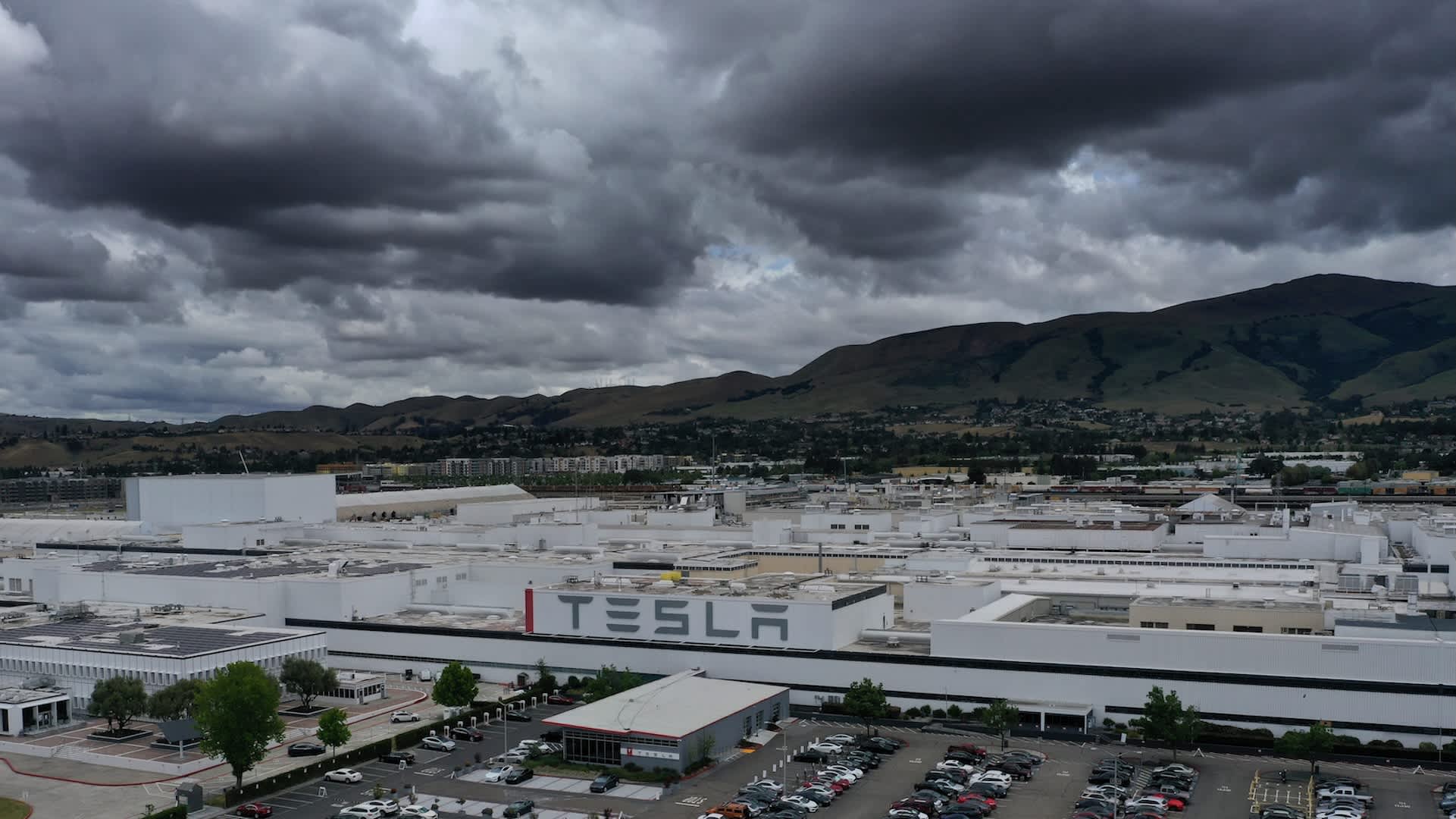
Officials in South Texas have raised concerns after discovering that Tesla has been discharging treated wastewater from its lithium refinery into a local drainage ditch without notifying the district that maintains it.
What’s happening?
According to KRIS 6 News, Tesla holds a state-issued permit allowing it to discharge up to 231,000 gallons of treated wastewater per day into an unnamed ditch that eventually flows into Petronila Creek.
But drainage district officials said they were never notified that a pipeline had been installed across their easement. When workers encountered the discharge, they were alarmed by what they saw.
“It was very dark and murky,” drainage district consultant Steve Ray said. “I would say it was actually black. We’re used to seeing good running water, and so we didn’t know exactly what it was.”
The lithium refinery, which began operations in December 2024, produces battery-grade lithium for electric vehicle batteries.
While Tesla’s permit from the Texas Commission on Environmental Quality allows wastewater discharge, it specifically notes that it does not grant the right to use private or public property for conveyance.
Why is this concerning?
Petronila Creek flows into Baffin Bay, a sensitive coastal ecosystem that supports tourism and local livelihoods.
If large volumes of water — even treated water — were to overwhelm the ditch or carry unexpected pollutants downstream, it could threaten water quality and wildlife.
Beyond environmental questions, this situation may raise concerns for customers. Tesla has previously faced scrutiny over product reliability and transparency.
For example, a class action lawsuit alleged that electronically actuated door handles on certain 2014-16 Model S vehicles “routinely fail,” leaving some owners unable to enter their cars without climbing through another door.
Meanwhile, Tesla sales in the United Kingdom dropped more than 57% year over year in January as competitors gained ground.
While the company has helped accelerate the shift to electric vehicles, public trust plays a key role in continued growth.
What’s being done about Tesla’s wastewater discharge?
Drainage district officials said Tesla has been responsive since concerns were raised, and both parties are scheduled to meet to coordinate next steps.
For residents, staying informed about local water management meetings and environmental oversight can help ensure transparency.
For drivers considering an electric vehicle, it’s worth remembering that the broader EV market includes many options beyond one brand.
As the drainage district works to clarify what’s flowing through its ditches, officials say their focus is simple: protecting the community and the waterways that support it.
Get TCD’s free newsletters for easy tips to save more, waste less, and make smarter choices — and earn up to $5,000 toward clean upgrades in TCD’s exclusive Rewards Club.