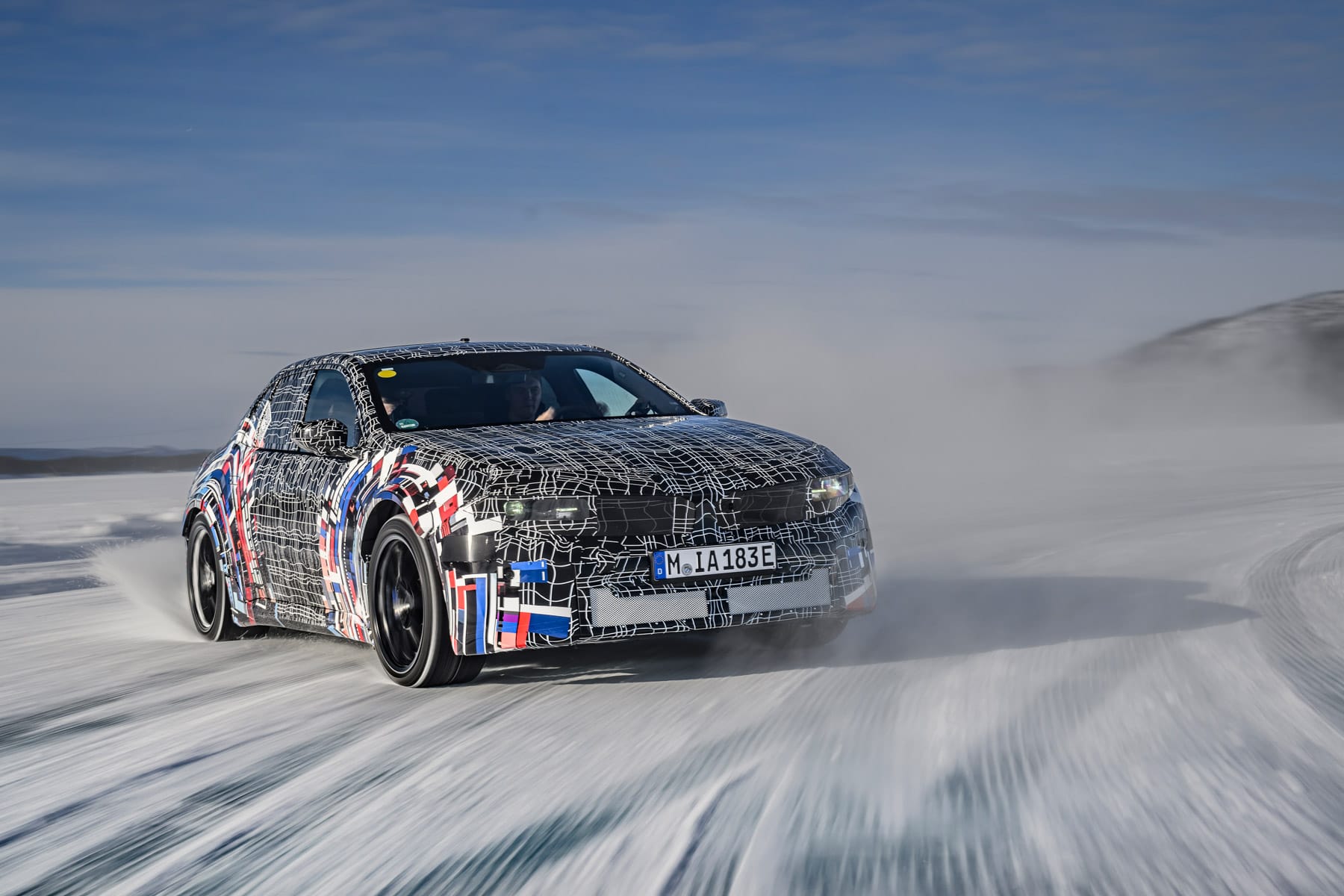
Most road users are familiar with the artificial driving sounds of electric cars. Battery-electric vehicles do not move through traffic in complete silence; instead, they emit a distinctive hum. The Acoustic Vehicle Alerting System (AVAS) has been mandatory since 2019 and must operate at speeds below 20 km/h to warn pedestrians and cyclists. At higher speeds, tyre and road noise are deemed sufficient.
Beyond this safety function, some manufacturers have created additional sound profiles to give sporty electric models a more emotional character. Until now, these soundscapes have generally been played only inside the cabin. Increasingly, however, carmakers are also projecting artificial engine sounds to the outside via additional loudspeakers.
This area has so far lacked specific regulation. The United Nations Economic Commission for Europe (UNECE) is currently discussing amendments to vehicle noise rules. According to a report by the German newspaper TAZ, artificial driving sounds for electric cars could soon receive formal approval beyond safety requirements. A final decision is still pending but expected shortly.
“At least critics seem to have secured a minor negotiating success,” the German newspaper TAZ reports. “If a vehicle is equipped with an External Sound Emission System (ESES), the driver must activate the sounds manually via a switch. This is intended to prevent unnecessary noise from being emitted unintentionally while driving.”
taz.de (in German)