 Photo Courtesy: Autorepublika.
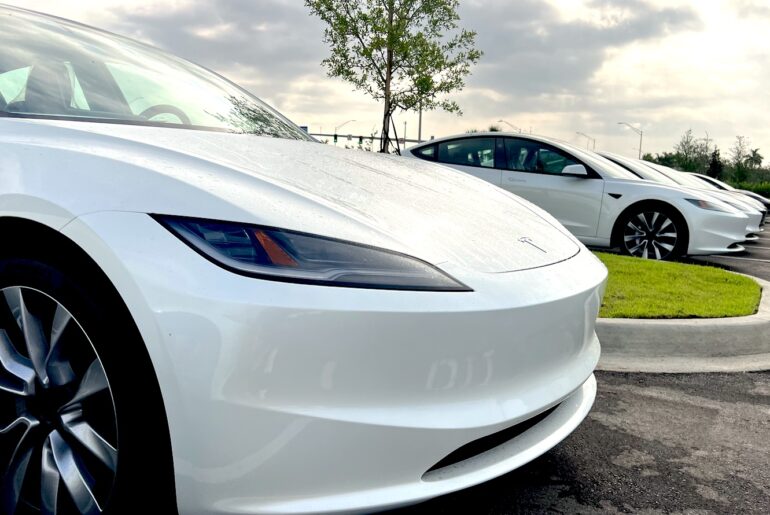
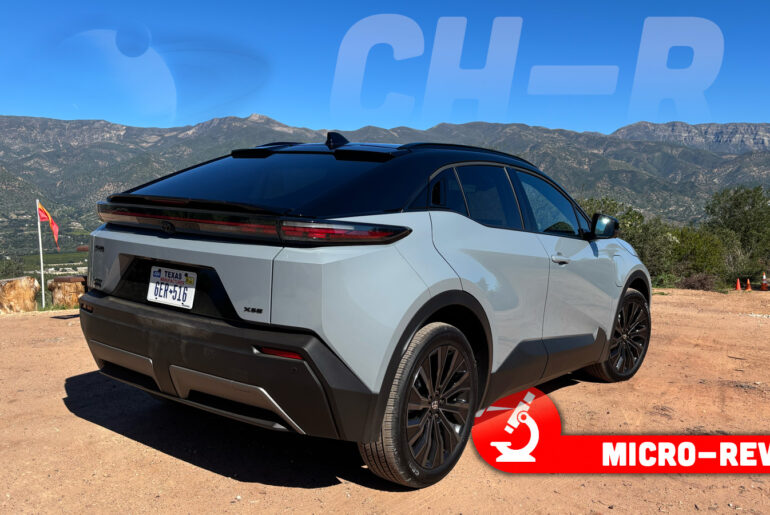
For months, European automakers have warned about a looming wave of electric vehicles from Chinese brands entering the continent. But the latest numbers from France tell a more restrained story. Chinese brands have expanded their visibility across Europe, yet their progress in the French market remains limited so far.
Brands such as BYD, MG, Xpeng, and Leapmotor are now common fixtures at auto shows and in European media coverage. That presence led many observers in Paris and Brussels to expect significant pressure on compact and family vehicle segments. The European Union responded by imposing additional anti-subsidy duties on battery electric vehicles imported from China, on top of the existing 10% import duty, with the added rate varying by automaker. France then added its own pricing pressure by tightening eligibility for purchase support based on environmental scoring.
 Photo Courtesy: Byd.
France tied bonus eligibility for new battery electric passenger cars to a minimum environmental score starting in 2024, which has excluded many China-built models. Also note that France ended the traditional purchase bonus for passenger cars for orders placed from July 1, 2025, replacing it with a different support mechanism. Chinese vehicles are not banned, but they have lost a major lever that could have allowed them to undercut rivals on price.
That policy shift matters because incentives are a major driver of consumer behavior in France. Without subsidy eligibility, many Chinese models have a harder time competing against French and European alternatives that can be purchased with government support.
The data shows 18,515 registrations of electric vehicles from Chinese brands in France in 2025. That is an increase from 16,135 in 2024, but it is far from the market domination scenario many predicted.
BYD is currently the most visible Chinese brand in France. In 2025, it registered 7,423 battery electric vehicles. Even so, that volume remains modest compared with top local performers. The Renault 5 E-Tech posted 37,997 registrations and was the country’s best-selling electric vehicle.
Another detail stands out in BYD’s mix. Its growth in France appears to lean more heavily on plug-in hybrids than on fully electric models. The Seal U DM-i plug-in hybrid SUV has been a major contributor, while BYD’s battery electric lineup has delivered weaker results by comparison.
Photo Courtesy: BYD.
One of the most talked about models was the Dolphin Surf, promoted in France at under about $22,000. It was widely framed as a potential market disruptor. However, about 47% of its registrations in France were dealer registrations, a pattern often associated with tactical registrations and later resale as nearly new vehicles.
That pattern suggests retail demand from private buyers was not as strong as the headline pricing might imply. It also highlights a key point about market entry. Awareness and attention do not always translate into sustained consumer pull.
MG, a former British nameplate now owned by China’s SAIC, sold 13,533 vehicles in France in 2025, up 27% versus 2024, after 2024 sales fell 26% versus 2023.
The MG4 is the clearest example. After reaching around 20,000 sales in 2023, it dropped to 2,523 units in 2025 after steep declines in 2024 and 2025. The article attributes that decline to stronger competition from European manufacturers and to subsidy rules that increasingly favor vehicles produced closer to France.
Photo Courtesy: Stellantis.
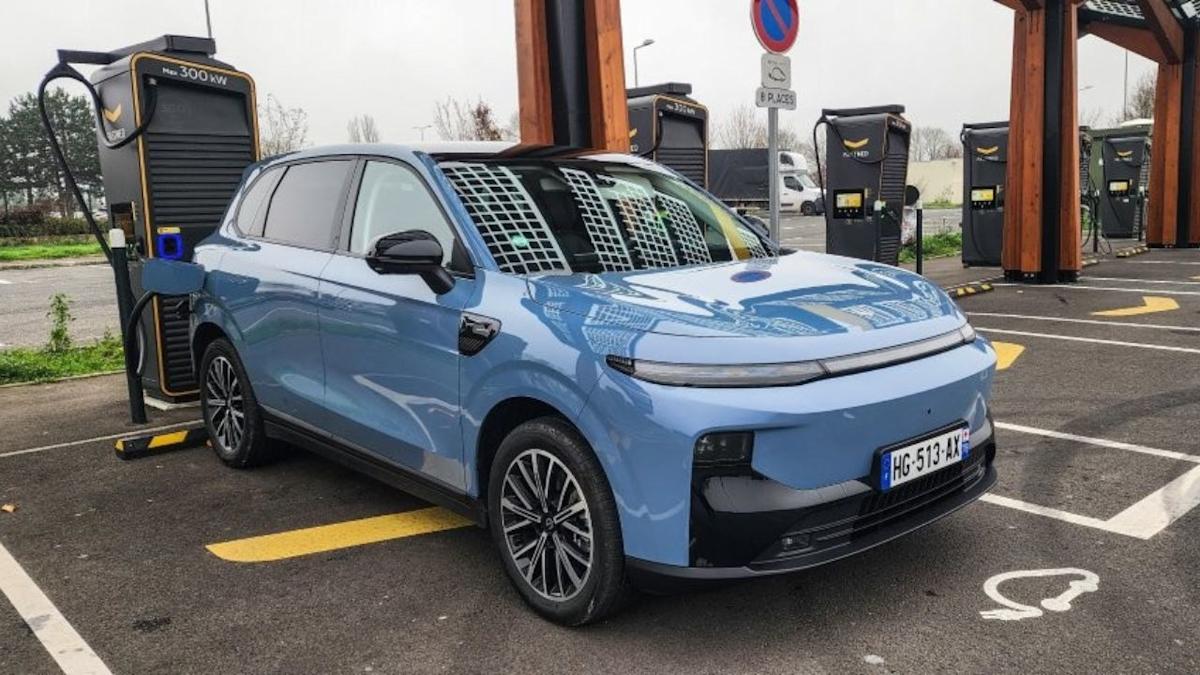
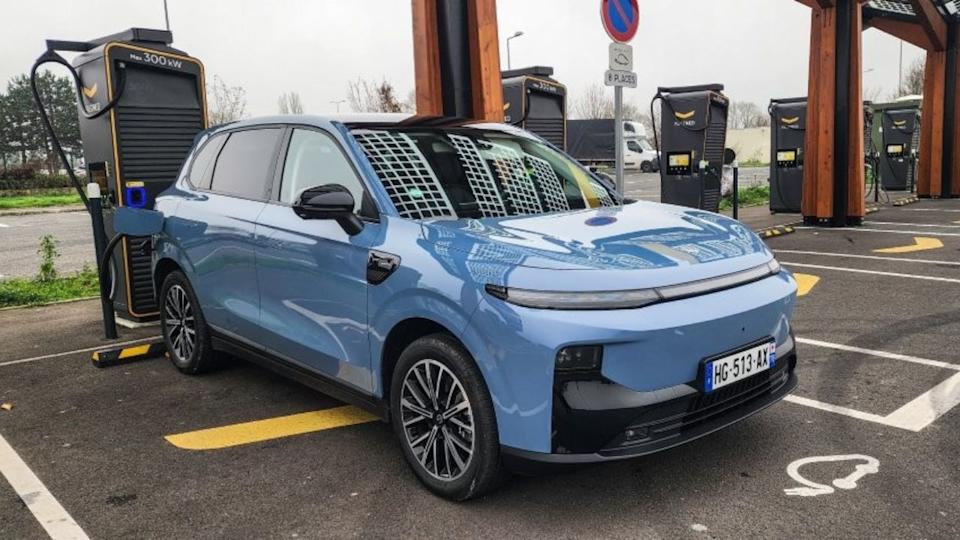
Some Chinese brands are finding traction. Leapmotor, supported by Stellantis, recorded strong growth and registered 3,561 vehicles in 2025, largely driven by the small T03 city car. Stellantis’ distribution footprint is a major advantage here because it gives buyers a familiar retail and service network.
Xpeng is also building a niche audience. Its G6 SUV posted a solid result and indicates there is demand for technology-forward alternatives to established German and French offerings.
The slower expansion of Chinese electric vehicles in France appears tied to several overlapping factors.
Subsidies are structured to support European production.
Many buyers still gravitate toward familiar domestic brands such as Renault, Peugeot, and Citroën.
Resale value uncertainty makes shoppers cautious with newer brands.
Service coverage and parts availability remain critical in purchase decisions.
In short, state policy and consumer caution are working together to limit rapid disruption.
Photo Courtesy: BYD.
This picture could change if Chinese automakers shift production into Europe. BYD and others have signaled plans to open European factories, which could help them avoid tariffs, meet French incentive requirements, and increase consumer confidence.
That possibility creates a new challenge for French policymakers. How do you protect domestic industry if a vehicle from a Chinese brand is assembled in Europe, with local workers and suppliers?
For French buyers, the current situation means there is no full-scale price war reshaping the market overnight. But competition is still influencing pricing and expanding choice, especially through plug-in hybrids that serve as a transition option for drivers not ready to go fully electric. Over the next five years, if Chinese brands localize production and qualify for incentives, the competitive pressure in France could intensify quickly.
This article originally appeared on Autorepublika.com and has been republished with permission by Guessing Headlights. AI-assisted translation was used, followed by human editing and review.
Read More