EV battery safety debated in Armenia
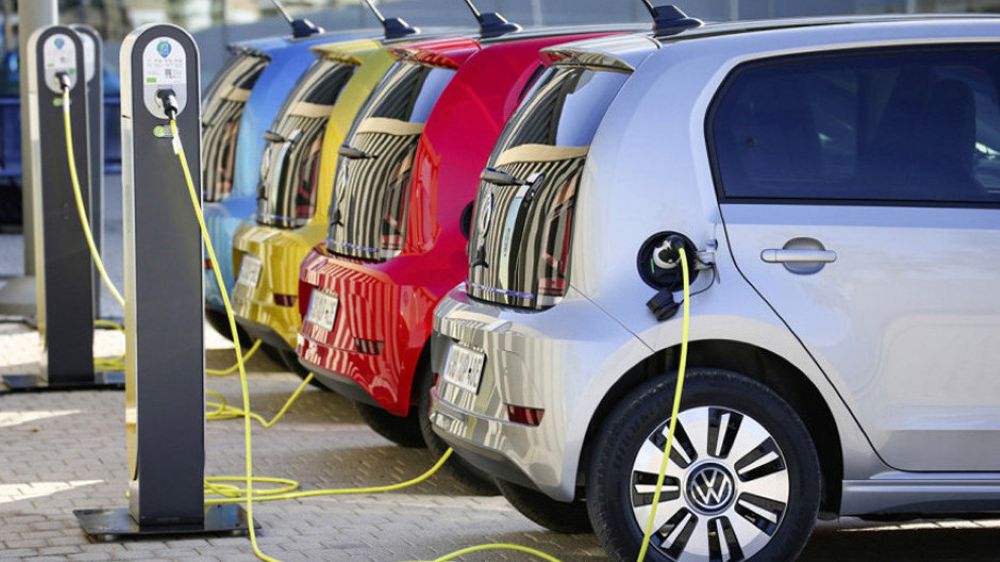
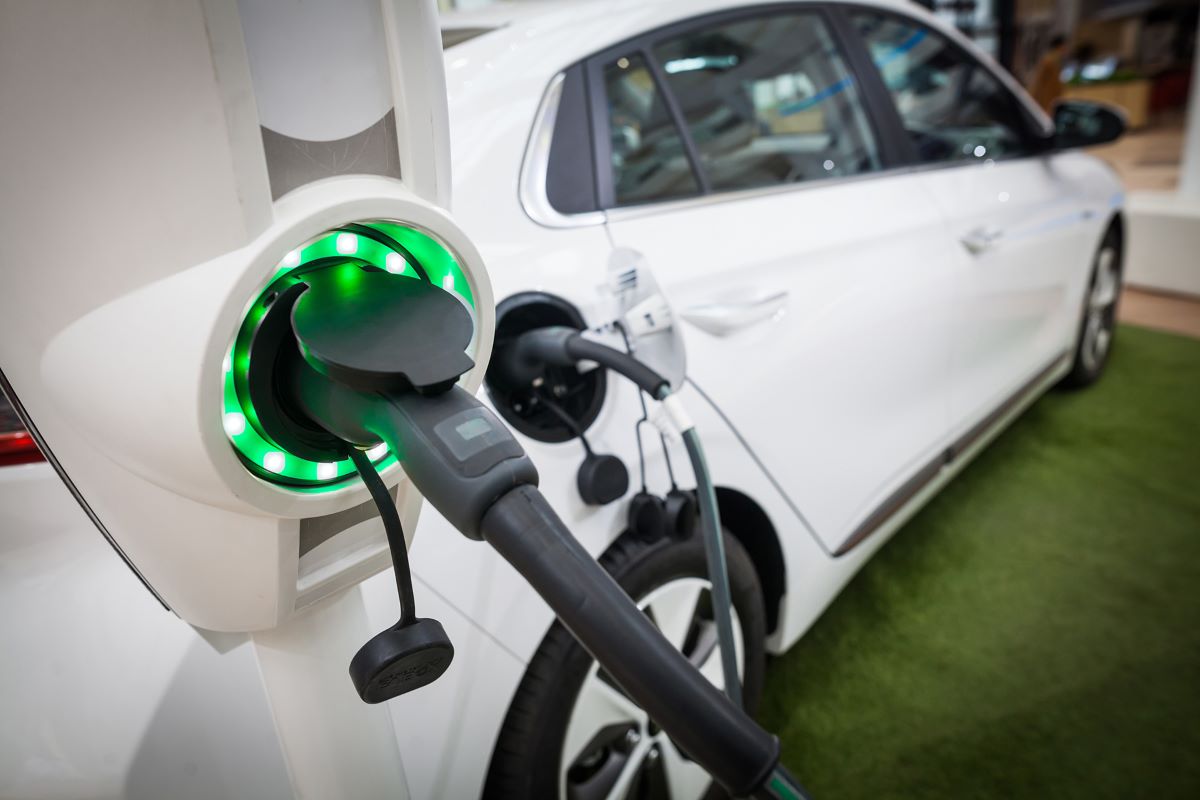
Electric vehicles have become extremely popular in Armenia. People often describe them as “green cars” because electric motors produce almost no emissions. However, the trend also has a downside. Electric vehicle batteries have a limited lifespan and typically last between eight and 12 years. As a result, the country will soon face the challenge of disposing of thousands of tonnes of toxic and highly flammable batteries.
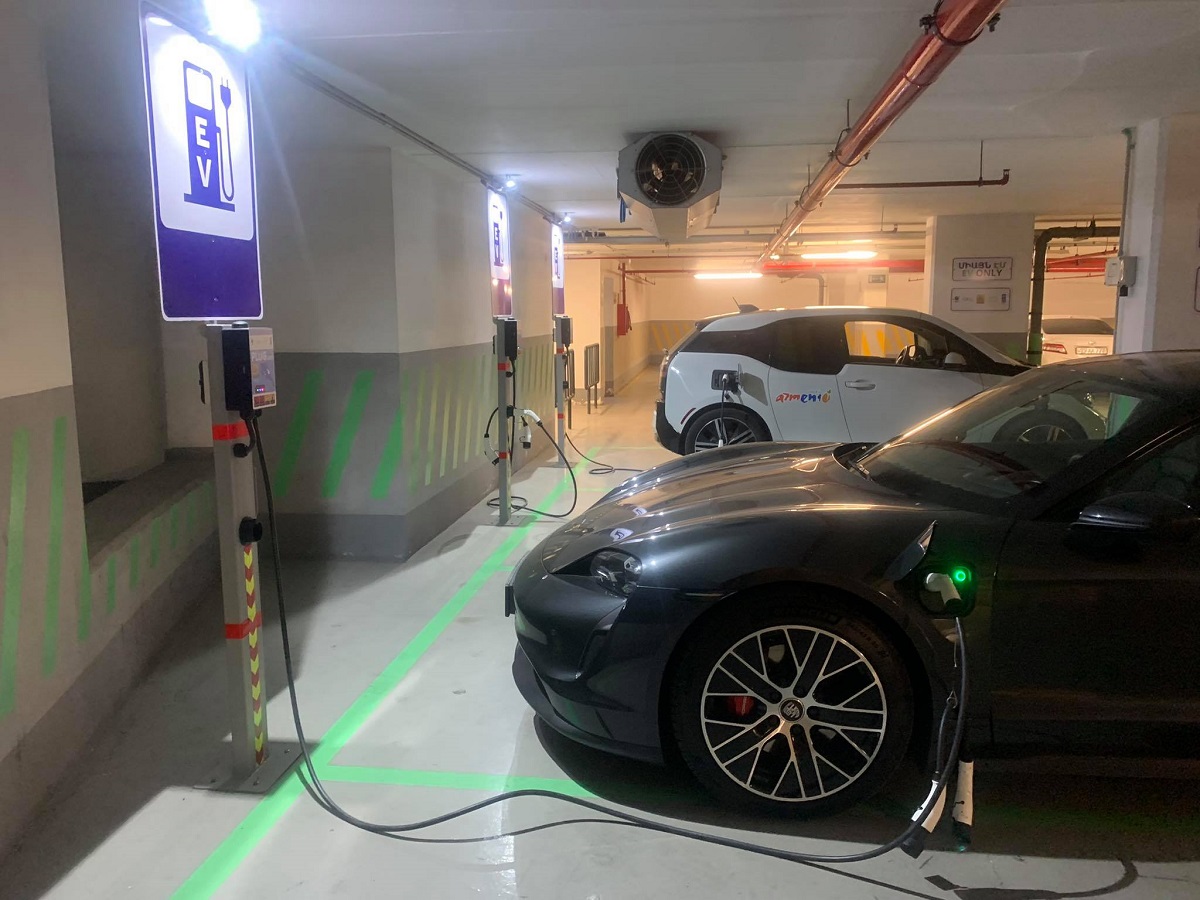
The Ministry of Internal Affairs reported that Armenia had more than 22,650 electric vehicles in August 2025. Various estimates suggest that the figure had reached nearly 30,000 by early 2026.
The government still maintains a quota that allows duty-free imports of environmentally friendly transport. Authorities also exempt these vehicles from value-added tax during import and sales transactions. Because of these incentives, buyers pay about 30% less for electric vehicles. The number of EVs in the country will therefore continue to grow. This trend has already raised questions about how Armenia will dispose of and recycle their batteries in the future.
An electric vehicle seller on the risks
Businessman Azat Enokyan imports electric vehicles. He says he explains both the advantages and the long-term risks to potential buyers.
“Environmental issues concern me deeply. I am a biologist by profession. I have long studied the composition of electric vehicle batteries and their impact on the environment.”
In his view, “environmentally friendly cars” could create problems in the future if countries fail to dispose of them properly.
“Electric vehicle batteries are quite large. But we should remember that they are not single-use waste. I think we need to inform people that in the future they can serve as solar energy storage units and household batteries,” Azat explains.
He says batteries will eventually require final recycling after their second life ends. Researchers and innovators in many countries now focus closely on this issue.
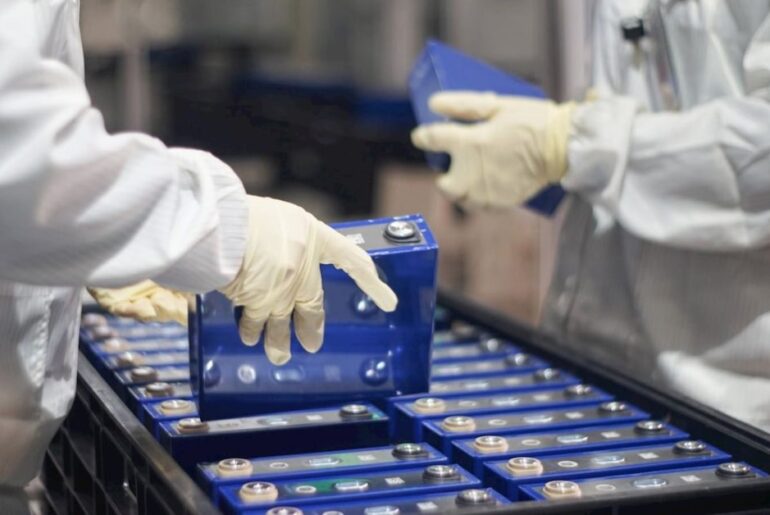
“Electric vehicles mainly use lithium-ion batteries. They contain heavy metals. These metals can harm ecosystems, especially water and soil. The liquid inside the battery is no less dangerous. It is a toxic substance that damages the lungs and affects breathing,” Azat warns.
He says most buyers do not worry much about the issue. However, he still prefers to explain the risks. Many customers respond that solutions will exist by the time the problem becomes urgent.
“Waste recycling may indeed develop further. However, serious consequences could emerge in countries such as Armenia, where waste management and recycling systems remain underdeveloped. These batteries can even become explosive. A damaged lithium-ion battery can explode and start a fire. Imagine the problems if they end up in landfills without proper control,” the electric vehicle seller says.
According to Azat, the state must first assess the “current and expected scale of this environmental burden” before it can design an effective risk-management programme.
“I believe that if the state encourages the use of environmentally friendly vehicles, it has also considered answers to these questions.”
Waste recycling to come under state control
The Ministry of Environment told JAMnews in a written response that work in this area has already begun. Officials say they are finalising a draft initiative proposed by the ministry. The document will introduce specific rules and requirements for handling used lithium-ion batteries from electric vehicles.
“The ministry is also studying and collecting data on technological solutions for recycling and deactivation used in international practice,” officials said.
Experts at the ministry believe that the growth of electronic waste in the energy and transport sectors requires parallel efforts to promote its use as a secondary resource. They say such an approach could significantly support the development of a circular economy.
The Ministry of Environment therefore says it recognises future risks and has already taken steps to address them.
Officials have also reviewed and assessed the potential harm caused by lithium-ion batteries that have reached the end of their service life.
The ministry shared one of its ongoing projects with the editorial team. The initiative aims to create a comprehensive management system for electronic waste generated by solar power plants and electric vehicle batteries.
The system will collect data on this electronic waste. Authorities plan to use the information to assess environmental and socio-economic risks linked to e-waste. The data will also help lawmakers close gaps in waste-management legislation and generate revenue through reuse and recycling.
Ministry officials say these and other initiatives aim to create favourable conditions for electronic waste recycling in the country. They also seek to involve stakeholders from both the public and private sectors. Authorities describe the current stage as a period of capacity building, and say its success will largely depend on the level of investment.
EV battery safety debated in Armenia