For some drivers considering an electrified vehicle, plug-in hybrids (PHEVs) represent the best of both worlds—the ability to make several daily commutes without burning any fuel (under ideal conditions) and the freedom to go on long trips without worrying about battery range or charging stations.
Of course, there are drawbacks. PHEV systems can be complex, and there are two separate power sources to maintain. Various studies on reliability, such as those published by JD Power, have also shown that PHEVs experience more problems than all other types of vehicles (gasoline-only, standard hybrids and full EVs).
Read also Photo: Dominic Boucher
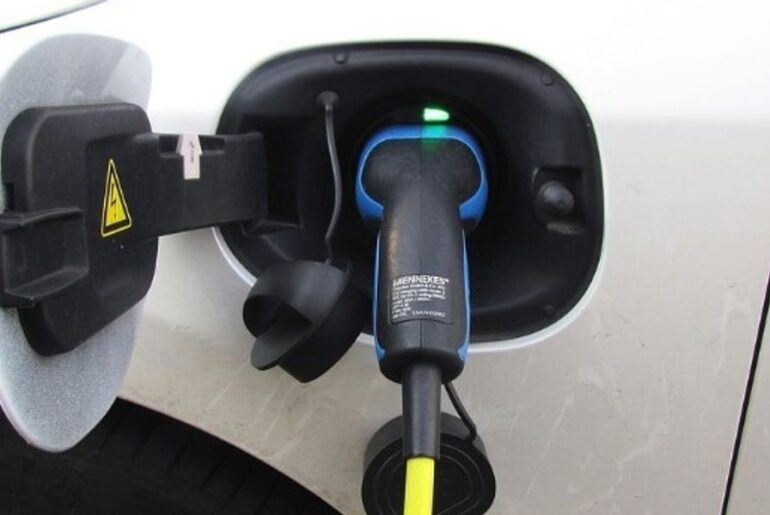
Moreover, research has highlighted another dark side: PHEVs actually burn far more fuel than automakers and government agencies claim. The largest study ever conducted on this issue has just been released and confirms what we already know: their drivers simply don’t plug them in often enough.
A team from Germany’s Fraunhofer Institute recently analyzed on-board data from 981,035 vehicles across Europe, covering a wide range of models, driving conditions and usage. They found that PHEVs on average burn three times more fuel than they should. They even use more than expected in all-electric mode.
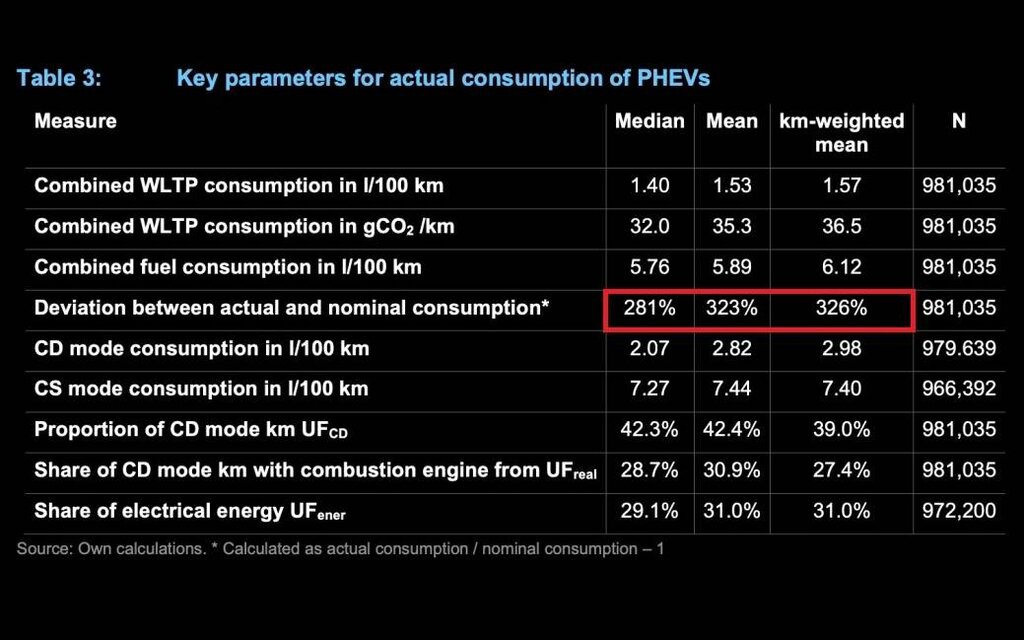
As the table above shows, the vehicles in the study had an official average fuel consumption of 1.57 L/100 km according to the WLTP standard used in Europe, but in reality, they consumed 6.12 L/100 km. This represents an increase of 326%.
In electric or CD (charge depleting) mode, these same vehicles surprisingly consumed an average of 2.98 L/100km, almost double the normal amount, meaning that their combustion engine kicked in more frequently than expected.
Generally speaking, people who own PHEVs from mass-market brands (Toyota, Ford, Seat, Mitsubishi, Kia, etc.) are the ones who most frequently plug in their vehicles, while owners of luxury models plug in much less often, or almost never in the case of Porsche. That’s certainly not because they can’t afford to install a charging station at home.
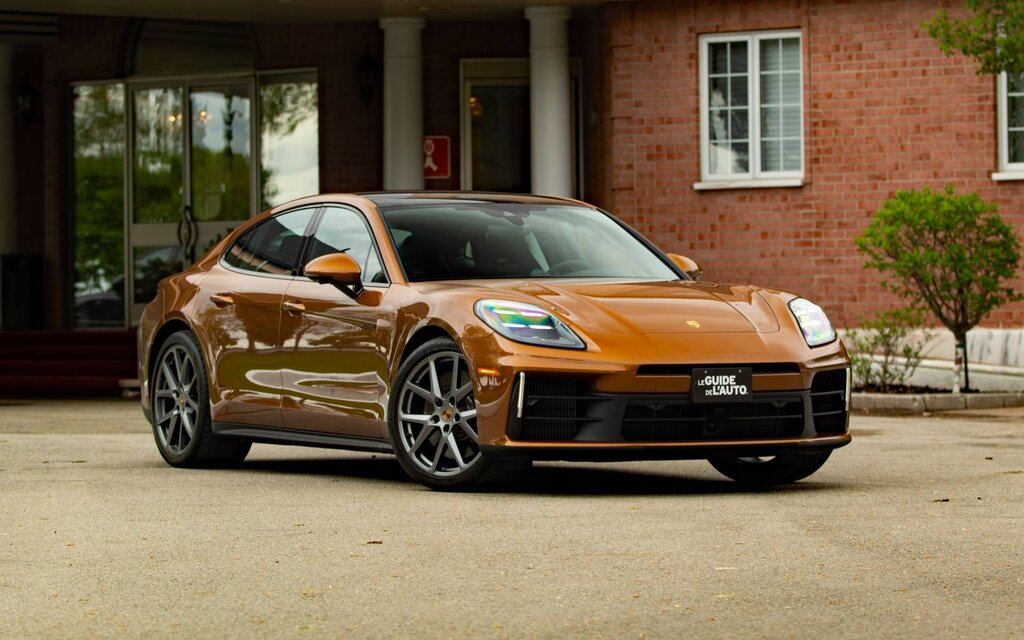 Photo: Dominic Boucher
The European Union is working to make changes to its fuel consumption ratings for PHEVs to reflect the so-called “utility factor,” but this is obviously easier said than done. It also faces a powerful lobby from automakers, which receive credits for these models and want to continue selling gasoline engines for as long as possible.
Back in December, the EU walked back its 2035 ban on new gasoline and diesel cars. Under proposals decried by environmental groups, automakers will now have to cut exhaust emissions from new vehicles by 90 percent from 2021 levels with the remainder “compensated” in various ways.