A market that defies the continental downturn
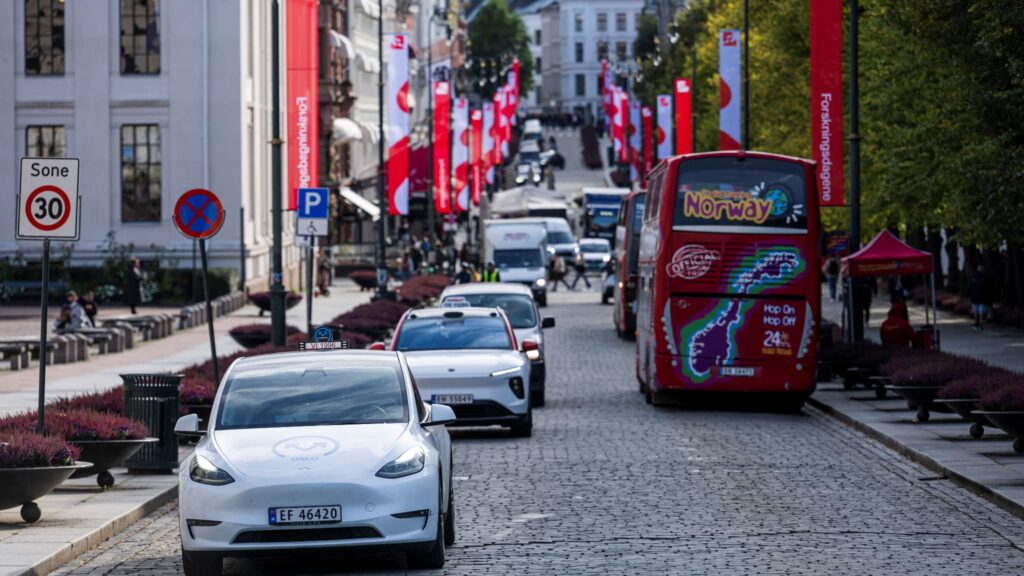
In a month when many European buyers turned away from the brand, Norway delivered a dramatic surge for Tesla. The company sold about 2,600 vehicles in May, a jump of 213% year over year that restored its status as the country’s top-selling carmaker. That burst translated into 18.2% of all new-car registrations, a remarkable slice in an already EV-heavy market. Over the first five months of 2025, battery-electric models accounted for an unparalleled 92.7% of new registrations, including an extraordinary 93.9% in May, according to the industry body OFV.
By contrast, the broader European picture has been far less rosy for Tesla. In April, the company’s share in the EU reportedly slid to 1.1%, with registrations halved compared to the same period last year. Analysts cite a mix of brand fatigue, intensifying competition, and the polarizing profile of Elon Musk. Yet Norway’s response suggests that practical value and mature EV ecosystems can outweigh these headwinds.
Why Norway is different
Norway’s EV story is not an overnight phenomenon; it is the product of steady, systemic policy combined with consumer pragmatism and strong infrastructure. Buyers weigh total cost of ownership more than image, and the structure of fees and benefits continues to tilt in favor of electric cars. The country’s public and private charging networks are dense, reliable, and woven into daily life.
As one industry voice put it, there is “no shame associated with owning a Tesla in Norway,” underscoring how practical norms can blunt broader reputational concerns. The effect is a market where consumers prioritize value, reliability, and charging convenience above all.
Strong EV incentives and a mature charging network
High fuel and toll costs that favor electric driving
A tech-forward buyer base attuned to total cost of ownership
Clear policy signals that reduce buyer uncertainty
Pricing, incentives, and a refreshed lineup
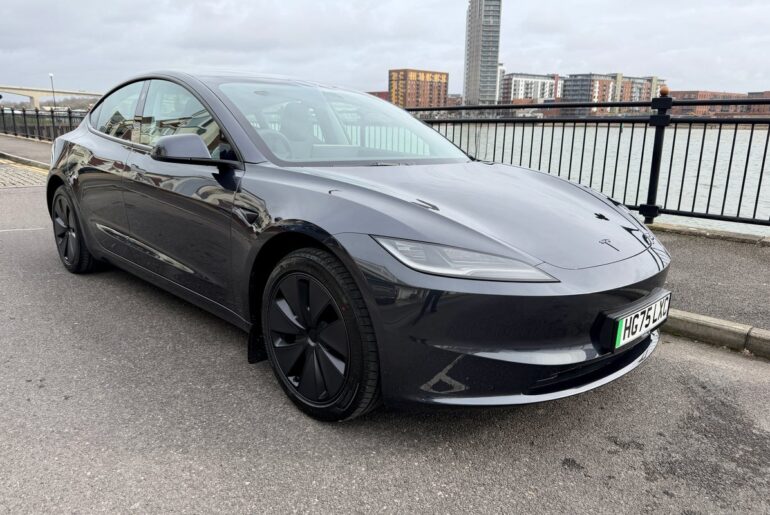
The latest spike was catalyzed by a refreshed Model Y and eye-catching financing. Tesla’s Long Range AWD configuration has been promoted with zero-interest credit, a rare lever in a high-rate environment. That offer significantly lowers monthly payments, sharpening the car’s value against rivals from Volkswagen, BYD, and Hyundai. The Model Y has been Norway’s best-seller for three straight months, reinforcing its halo across the broader lineup.
Price discipline remains a central weapon. Norwegian car buyers are famously price-sensitive, even at higher income levels. “In the end, it’s the price Norwegian motorists care about most,” observed one analyst, capturing the relentless arithmetic behind showroom decisions. With incentives still meaningful and financing sweetened, the math increasingly favors Tesla.
Perception, politics, and pragmatism
Elsewhere in Europe, brand sentiment has been bruised by the persona of Musk and a product range some critics deem aging. In Norway, those concerns haven’t vanished, but they are more easily offset by hard-nosed calculations about running costs and resale value. Some media have profiled owners who chose to switch brands, but the aggregate data say more buyers are returning to Tesla than leaving it.
Norway’s policy landscape also provides clarity. The country has enshrined a goal to sell only zero-emission new cars from this year, turning long-term climate ambition into near-term action. That target, backed by consistent regulation, helps buyers leap past uncertainty and commit to fully electric options. Pragmatism beats polarization when the savings are concrete and the infrastructure simply works.
What the surge means for the broader EV race
Tesla’s May performance highlights a crucial lesson for automakers battling EV volatility in Europe: affordability, infrastructure, and policy certainty trump personality-driven news cycles. When financing and total cost of ownership align, buyers flock to the most rational choice. Norway’s market maturity compresses the adoption curve, revealing future conditions other countries will eventually face.
For competitors, the message is equally stark. Refresh cycles, localized incentives, and transparent pricing strategies can quickly change momentum in a saturated segment. Companies that deliver compelling monthly payments, robust software support, and worry-free charging access will find their own paths to double-digit share.
Watchpoints for the months ahead
One month does not make a year, and Norway’s broader market grew more than Tesla’s year to date. The brand remains second overall behind Volkswagen with a 12.9% market share, suggesting room for gains but also stiff competition. Watch how long zero-interest offers persist, whether supply keeps pace with demand, and how rivals tune pricing to close the gap.
If Norway is the crystal ball, the next phase of Europe’s EV transition hinges on practical, wallet-first propositions. Keep the math favorable, the software updated, and the charging smooth, and perceptions tend to follow. In a landscape of mixed signals, Norway shows that when policy and product line up, the market can still move with startling speed.