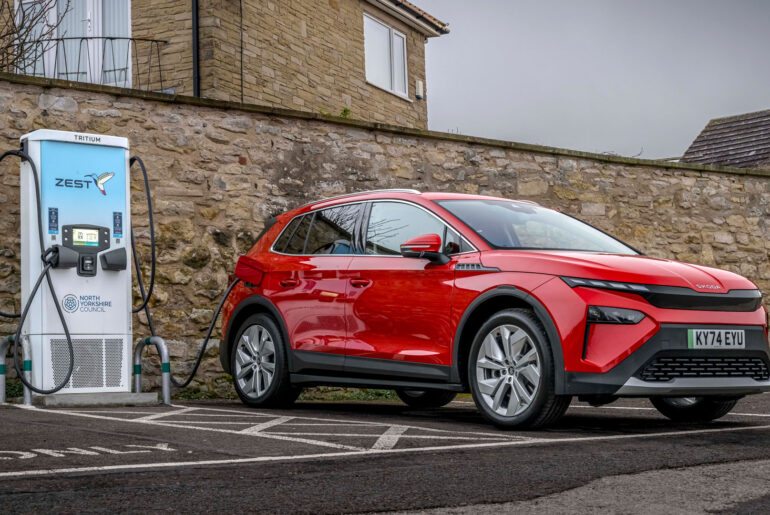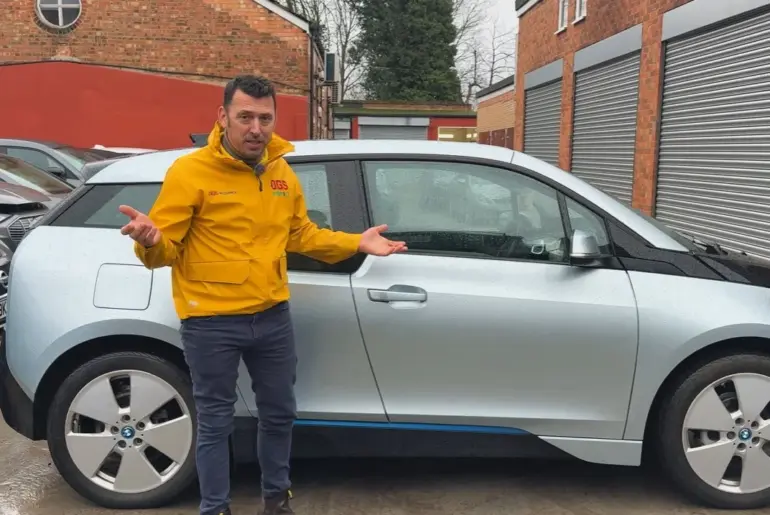
The UK’s largest real-world EV battery study shows the average electric car in the UK still has more than 95% of its original battery capacity. Here’s what that means for your wallet, your risk – and how to shop smarter.
Fears about failing batteries have long affected the used electric car market. But a new study from UK EV battery diagnostics specialist Generational suggests most drivers have far less to worry about than they might think.
All batteries – whether in cars or other electronics, such as mobile phones and laptops – degrade over time. With regular use and regular charging they lose capacity, and in the case of an EV, that means there have always been concerns about older, high-mileage models losing a lot of their quoted range.
However, the 2025 Battery Performance Index analysed more than 8,000 electric cars and vans across 36 brands, providing the most comprehensive picture of battery health in the UK to date. The headline finding: the average battery State of Health (SoH) was 95.15% of original capacity.
“EV batteries are performing far better than many consumers and industry stakeholders have been led to believe,” said Oliver Phillpott, CEO of Generational. “Battery transparency is now the main factor defining risk in the used market.”
Here’s what the study reveals – and what it means for you as a buyer.
Remember, you can buy a brand new or used car right here on Carwow. And you can sell your car, too. We’re here to help you through every step of your car-changing journey.
Batteries are ageing better than expected
The study looked at vehicles ranging from brand-new to 12 years old, with mileages from zero to over 160,000 miles. Here are some key findings:
Overall average SoH: 95.15%
4-5-year-old EVs: Median 93.53%
8-9-year-old EVs: Median 85%
High-mileage EVs (100,000+ miles): Often 88-95% SoH
OEM warranty thresholds (typically 70% SoH over 8 years/100,000 miles) were rarely approached
Good news for anyone looking at a used electric car in the UK: most vehicles still keep most of their battery range. If you’re thinking about a model under five years old, you probably won’t notice any significant drop in range. Even many eight-year-old cars are still performing well above the levels that might affect their warranty.
There’s a catch: the gap widens with age
While averages are reassuring, the study shows a growing spread between the best- and worst-performing batteries as vehicles age. Here’s what the study found.
4-5-year-old vehicles
Bottom 25%: 91.64% SoH
Median: 93.53%
Top 25%: 96.49%
8-12-year-old vehicles
Bottom 25%: 82%
Median: 85.04%
Top 25%: 90%
This means that two cars that look the same and are the same age can perform very differently. Just like checking a car’s service history or MOT, verifying the battery is now an essential step before buying an electric car.

Mileage matters less than you think
Surprisingly, mileage isn’t always the best way to judge an EV’s battery health. For example:
Some younger, high-mileage fleet cars actually outperformed older, low-mileage vehicles.
A three-year-old EV with 90,000 miles could have a healthier battery than a six-year-old with only 30,000 miles, depending on how it was used and charged.
So don’t automatically rule out high-mileage EVs. Instead, ask for a battery health certificate or diagnostic report to see the car’s real condition. This will help you know you’re paying a fair price for the car.
Should you still worry about battery replacement costs?
Battery replacement is expensive, but the study shows most vehicles perform comfortably above warranty thresholds, even near the end of their eight-year warranty.
If you’re buying a three- to five-year-old electric car, catastrophic battery failure is rare. The bigger risk? Buying without knowing the battery’s true condition.
Tips for buying a used electric car
Here are five things to keep in mind when looking at an electric car:
Get a battery health certificate or diagnostic report from a reputable source.
Don’t judge by mileage alone – higher mileage doesn’t mean lower battery capacity.
Compare verified battery performance across similar models.
Check the warranty and whether it can be transferred to you.
Think about real-world range – make sure it fits your daily driving needs.
“You need to trust that this expensive component will meet your needs,” said Philip Nothard, chair of the Vehicle Remarketing Association. “Transparency gives you confidence as a buyer.”
What does this mean for you?
This study sends a reassuring message: used EV batteries are holding up far better than most people think.
But averages don’t tell the whole story. As EVs age, the gap between the strongest and weakest batteries grows, and it’s not as simple as sticking to lower mileage models. Battery health checks can be a great way to understand the true value of the car you’re buying.
Car change? Carwow!
Looking for a new set of wheels? With Carwow you can sell your car quickly and for a fair price – as well as find great offers on your next one. Whether you’re looking to buy a car brand new, are after something used or you want to explore car leasing options, Carwow is your one stop shop for new car deals.
Click here to follow us on WhatsApp, where you can keep up-to-date with all the latest news, reviews, advice guides and videos.