
February 20, 2026
By Karan Singh
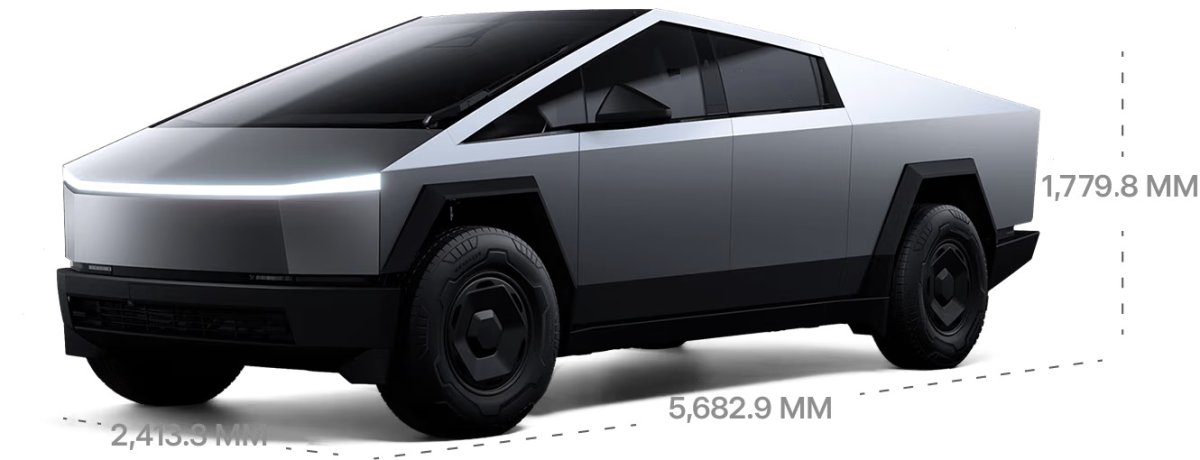
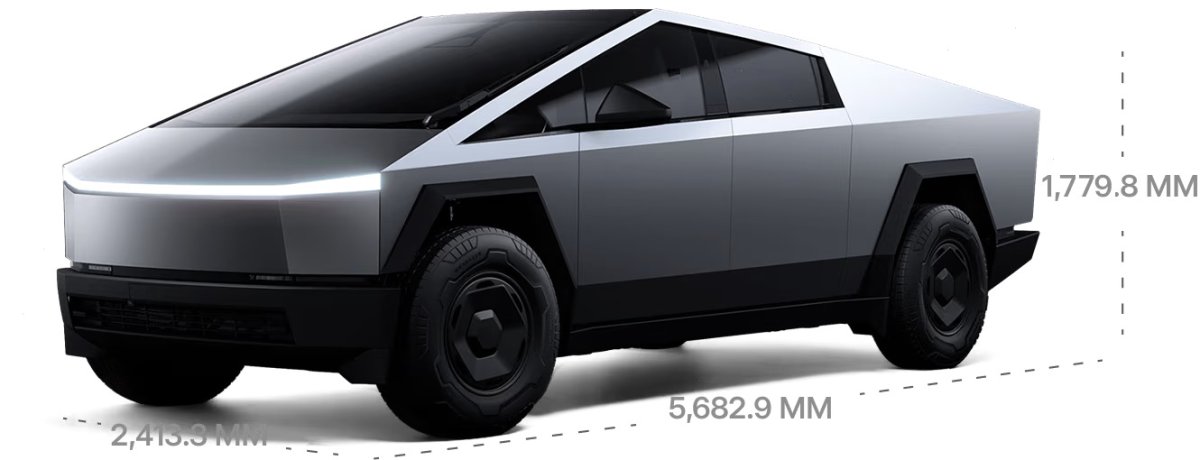
The sub-$60,000 Cybertruck is officially a reality in the US, and it is a monumental upgrade over the short-lived, poorly received Rear-Wheel Drive Cybertruck Long Range.
By aggressively trimming premium features while maintaining the hardcore utility that makes the Cybertruck unique, Tesla has successfully created what is essentially the ultimate “Contractor Edition” EV work truck. If you are looking for a vehicle to tackle a job site rather than a luxury cruiser, this is the entry-level Cybertruck you’ve been waiting for.
To accommodate this launch, Tesla has officially restructured and renamed the Cybertruck lineup. We’ll dig into the new Dual Motor AWD, how it shakes up the roster, and how it compares to the newly labeled Premium AWD and flagship Cyberbeast.
In short, Tesla listened to exactly what customers wanted, and it turned out perfectly.
Pricing, Powertrain & Performance
Priced at just $59,990, the new base model strips away the premium price tag but keeps the powertrain specs that actually matter. It utilizes the same mechanical front and rear differentials as the Premium AWD, delivering an EPA-estimated 325 miles of range and a brisk 4.1-second 0-60 mph time.
Feature
Dual Motor AWD
Premium AWD
Cyberbeast
Starting Price
$59,990
$79,990
$99,990
Powertrain
Dual-Motor AWD
Dual-Motor AWD
Tri-Motor AWD
Differentials
Mechanical front & rear locking
Mechanical front & rear locking
Mechanical front & virtual rear locking
Torque Vectoring
—
—
Rear torque vectoring
Range (est.)
325 miles
325 miles
320 miles
Supercharge (15 min)
Up to 132 miles
Up to 137 miles
Up to 135 miles
Acceleration (0-60)
4.1 seconds
4.1 seconds
2.6 seconds
Interestingly, it does charge slightly slower than the Premium AWD, suggesting that Tesla has made some changes under the frunk to cut costs, but not to a noticeable degree.
The Sweet Spot: Utility
When Tesla launched the old $60,990 Cybertruck RWD, it was heavily criticized for lacking basic truck functionality – most notably the powered tonneau cover and bed outlets. What use is a massive 123kWh battery pack if you can’t power the jobsite with it? This new trim fixes exactly those issues to present a fantastic work truck.
You get the powered tonneau cover, the powered frunk, and the same massive 6’ x 4’ composite bed. Most importantly for contractors, it retains full Powershare capability with dedicated 120V and 240V outlets in the bed to run heavy-duty power tools. Steer-by-wire and four-wheel-steering also remain standard, making getting around a breeze.
To hit the price point, Tesla did swap out the expensive adaptive air suspension for a highly capable coil spring setup with adaptive dampening. You lose out on ride height adjustment, and payload and towing capacity take a slight, but reasonable hit.
Feature
Dual Motor AWD
Premium AWD
Cyberbeast
Towing Capacity
7,500 lbs
11,000 lbs
11,000 lbs
Payload Capacity
2,006 lbs (w/ 18″ wheel)
2,500 lbs (w/ Cyber wheel)
2,271 lbs (w/ Cyber wheel)
Suspension
Coil spring with adaptive damping
Adaptive air suspension
Adaptive air suspension
Adjustable Ride Height
—
Included
Included
Bed Cover
Motorized tonneau cover
Motorized tonneau cover
Motorized tonneau cover
L-Tracks in Bed
—
Included
Included
Bed Outlets
2x 120V, 1x 240V
2x 120V, 1x 240V
2x 120V, 1x 240V
Chargeport Outlets
2x 120V (w/ adapter)
2x 120V (w/ adapter)
2x 120V (w/ adapter)
Tesla has also cut out the L-Track in the bed, along with the lower gear locker (sub-bed) to help save on costs. The tie-down points are still accessible, and D-Rings can still be installed to ensure functionality to strap things down securely.
What You Give Up: Interior Tech & Audio
The cabin is where the $20,000 price difference between the base and Premium trims becomes obvious. The new Dual Motor AWD features an easy-to-clean tactical grey textile interior – the same one we saw with the Cybertruck Long range – rather than vegan leather, making it easy to clean and durable.
However, you do lose several luxury touches. The 15-speaker audio system is downgraded to a simpler, 7-speaker setup. Furthermore, the rear passengers lose out entirely on heated seats and the 9.4-inch rear entertainment display. Tesla also notes it has simplified the front console, including removing the ambient lighting.
Feature
Dual Motor AWD
Premium AWD
Cyberbeast
Interior Material
Tactical grey textile
Premium (Grey/White)
Premium (Grey/White)
Heated Seats
First-row only
First- and second-row
First- and second-row
Ventilated Seats
—
First-row
First-row
Center Console
Standard console
Premium console
Premium console
Front Display
18.5″ display
18.5″ display
18.5″ display
Rear Display
—
9.4″ display
9.4″ display
Audio System
7 speakers
15 speakers with ANC
15 speakers with ANC
Cabin Outlets
—
2x 120V
2x 120V
Ambient Lighting
—
Wrap-around lighting
Wrap-around lighting
One of the noticeable interior losses is the removal of the 2-cabin 120V outlets. All power offloading is now in the bed. If you did need additional outlets, you can either split the 240V or use the Powershare Outlet Adapter.
Redeeming the RWD Flop
When we compare this to the now-discontinued Cybertruck RWD, this new Dual Motor AWD is an absolute showstopper. It transforms the base Cybertruck from a stripped-down commuter into a genuine, highly capable utility vehicle that makes zero compromises on job-site functionality.
For anyone who actually intends to use their truck as a truck, this is undeniably the best-priced EV truck on the market now.
Subscribe to our newsletter to stay up to date on the latest Tesla news, upcoming features and software updates.
February 19, 2026
By Nehal Malik
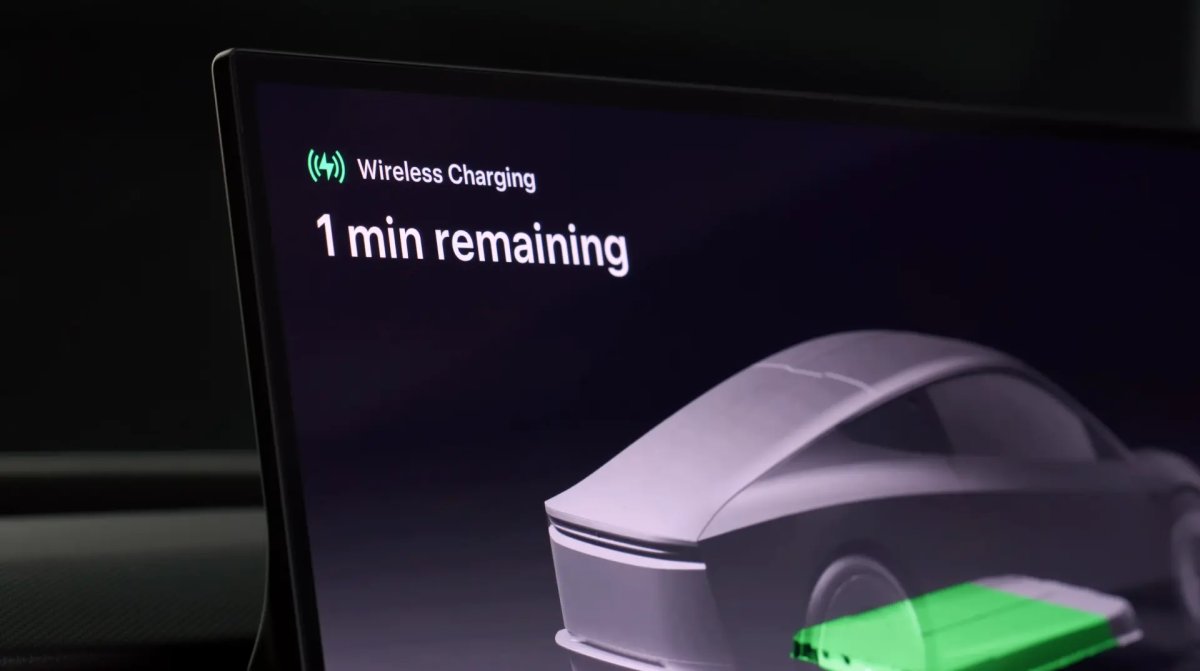
Tesla is one step closer to making its futuristic vision of the Cybercab a reality. The Federal Communications Commission (FCC) has officially granted Tesla a waiver to use Ultra-Wideband (UWB) radio technology for the Cybercab’s planned wireless charging system.
This is a big deal because, under normal rules, this specific type of radio technology is supposed to be handheld and can’t be permanently installed on outdoor equipment. Since Tesla’s wireless charging pads will be fixed to the ground and will likely sit outside in driveways or charging hubs, they needed a special “yes” from the government to move forward.
How Wireless Charging Actually Works
Tesla’s ultimate goal with the Cybercab is a fully hands-off, wireless fleet, which would involve eliminating the NACS charging port and relying entirely on inductive charging — much like how you might charge your smartphone on a wireless charger. However, for wireless charging to be efficient, the car has to be perfectly aligned over the ground pad.
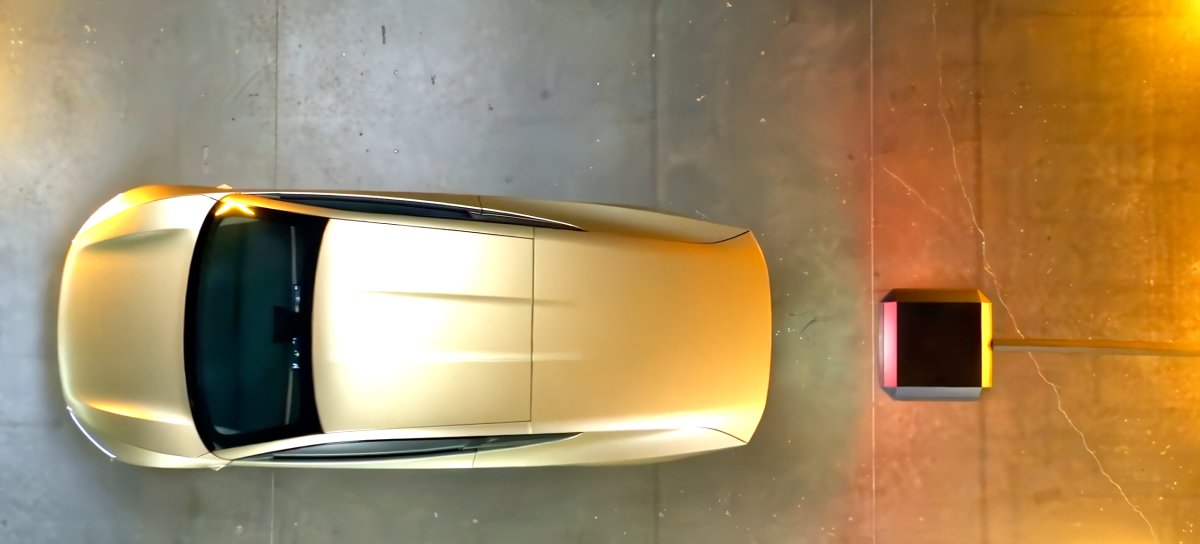
That’s where the UWB tech comes in. According to the FCC filing, the vehicle first uses Bluetooth to “find” the charging pad. As the Cybercab gets closer, the UWB transceivers kick in to track the vehicle’s position with extreme precision. Once the car is perfectly centered, the wireless power transfer begins. Tesla has filed numerous patents for beam-steering technology to focus power on the vehicle’s receiver.
Tesla was able to convince the FCC to allow this because the signal is very low power and only turns on briefly while the car is parking. Once the car is sitting on the pad, the metal body of the vehicle actually blocks the signal, so it won’t interfere with other devices nearby.
Tesla’s First True Robotaxi
The timing of this approval couldn’t be better. It comes just days after Tesla celebrated rolling the very first production Cybercab off the line at Gigafactory Texas. This two-seat, all-electric autonomous vehicle has been positioned as the centerpiece of Tesla’s Robotaxi network.
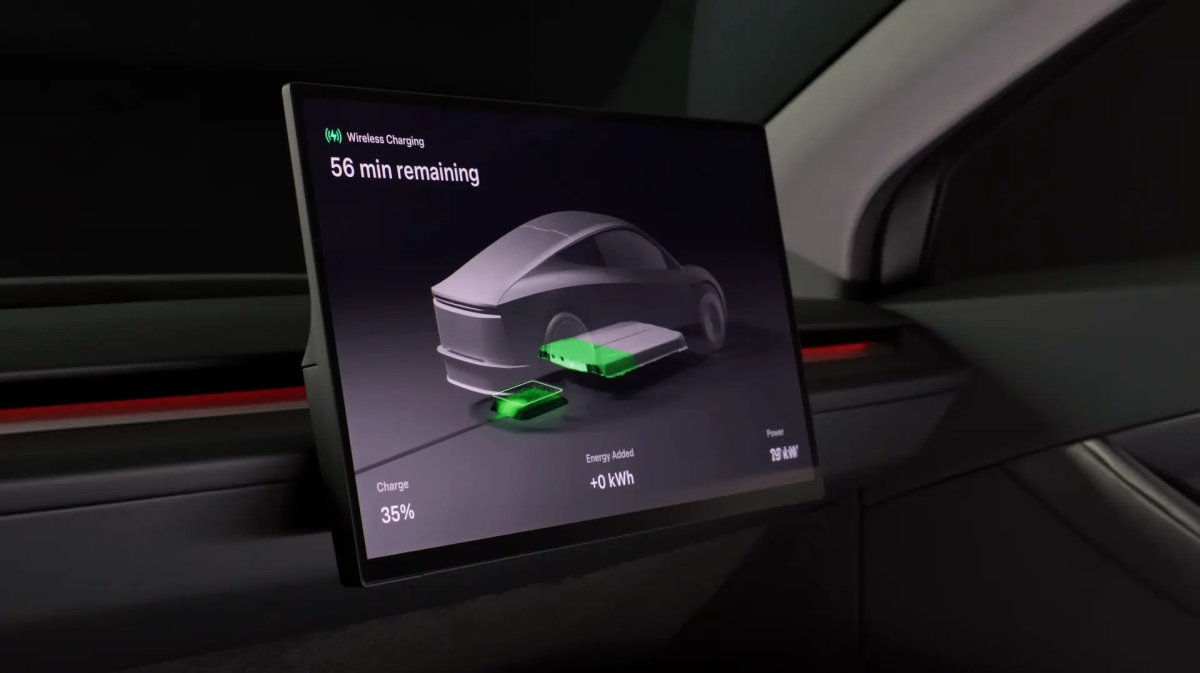
The idea is simple: a fleet of cars that can drive, clean, and now charge themselves without a single human hand involved. To make that happen, Tesla has also confirmed that the Cybercab will ship without a steering wheel, pedals, or even side mirrors. It’s a “vision-only” machine that will rely on the Full Self-Driving system to handle everything.
What’s Next for the Cybercab?
Now that the first unit has hit the floor at Giga Texas, Tesla is expected to start a slow manufacturing ramp-up. While the company has been testing prototypes in cities like Austin and even in harsh winter conditions in Buffalo, volume production isn’t slated to truly kick off until April.
Tesla maintains that the Cybercab will ultimately feature inductive wireless charging. However, recent sightings of validation units have revealed the presence of a traditional charge port. Located behind a small, manual drop-down door in the corner of the rear bumper, there’s a NACS port that test Cybercab builds currently use to top up.
If Tesla can stay on schedule, we’re only about two months away from seeing these steering-wheel-less taxis start to populate the Tesla Robotaxi fleet. It’s an ambitious leap, but clearing this regulatory hurdle with the FCC shows that Tesla is working on both the hardware and the infrastructure in parallel.
February 19, 2026
By Karan Singh
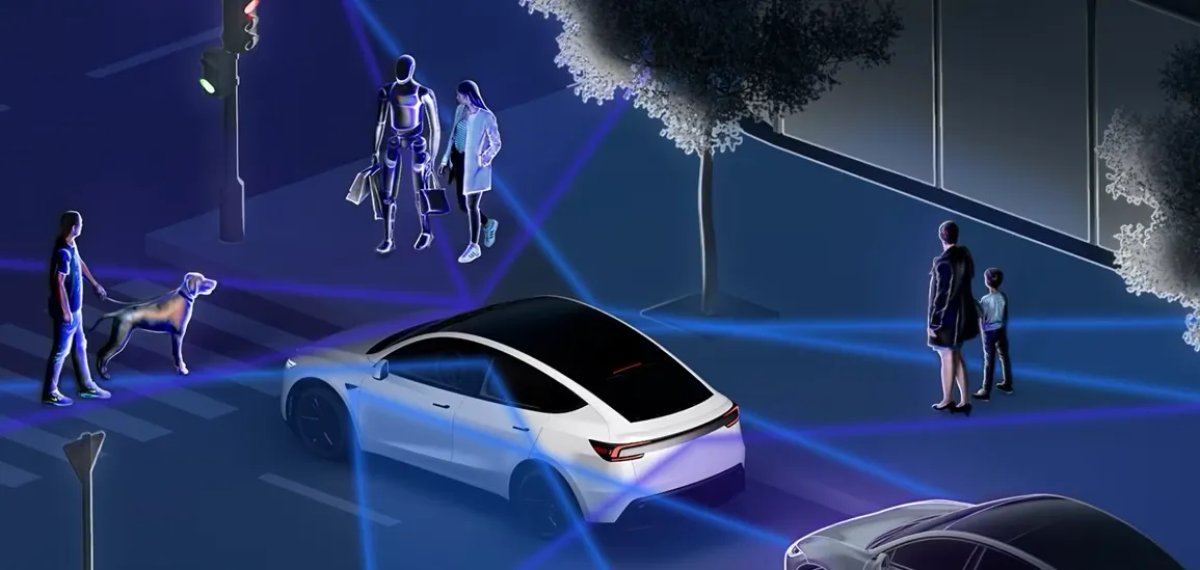
As Tesla pushes closer toward achieving unsupervised autonomy, it recently released its newly updated Vehicle Safety Report. Encompassing the latest 12 months of collision data across all North American road classes, the numbers reveal something that won’t surprise those who use FSD every day.
There’s a widening safety gap between human drivers and artificial intelligence, and it’s growing faster than ever.
NEWS: Tesla has released new FSD (Supervised) safety data.
Total major collisions:
• Teslas with FSD (Supervised): 830
• Teslas driven manually with Active Safety: 16,131
• Teslas driven manually without Active Safety: 250
• U.S. average: 4,989,713
Miles per major… pic.twitter.com/KnId83gXXb
— Sawyer Merritt (@SawyerMerritt) February 18, 2026
Alongside the new safety metrics, Tesla also confirmed a staggering new milestone. The global fleet has now officially surpassed 8.2 billion cumulative miles driven on FSD. To put that in perspective, Voyager 2 has gone approximately 13.2 billion miles from Earth, and Mars is only a paltry 220 million miles away.
The Safety Breakdown
To provide an objective look at vehicle safety, Tesla’s report tracks major collisions – which are strictly defined as impacts severe enough to deploy airbags, seatbelt pyro restraints, or set off the high voltage battery pack pyro fuse.
Tesla then breaks this data down into distinct categories to compare how FSD stacks up against human drivers and the overall national average.
Miles Driven Per Major Collision:
Teslas with FSD (Supervised): 1 crash every 5,300,676 miles
Teslas driven manually (With Active Safety): 1 crash every 2,175,763 miles
Teslas driven manually (Without Active Safety): 1 crash every 855,132 miles
U.S. Average: 1 crash every 660,164 miles
Data doesn’t lie: Teslas operating with FSD engaged (and an attentive driver) experience significantly fewer collisions than those driven manually. In fact, a Tesla on FSD goes over eight times further between major accidents than the average vehicle in the US.
Even when humans take the wheel, Tesla’s underlying safety technology continues to protect them. Manual driving with Tesla’s standard active safety features, like Automatic Emergency Braking and Lane Departure Avoidance, still results in a crash rate that’s three times better than the national average.
Teslas in the “Without Active Safety” category are from pre-2014 – those without any active safety systems.
These numbers are up over last year in the FSD category, when Tesla reported 1 crash every 5.1 million miles for a vehicle using FSD. The numbers are down for Tesla vehicles being driven manually. Last year, Tesla reported 1 crash every 2.3 million miles with active safety features and 1 crash every 927k miles for Teslas without active safety features. However, some natural variance is expected.
Data Scope
One of the most frequent criticisms of Tesla’s safety features and autonomy data is that it relies on small sample sizes. However, the sheer volume of telemetry that Tesla used for this 12-month report is practically unrivalled in the automotive industry.
Total Miles Logged (Latest 12 Months):
Teslas with FSD (Supervised): 4.39 billion miles
Teslas driven manually (With Active Safety): 35.09 billion miles
Teslas driven manually (Without Active Safety): 213.78 million miles
U.S. drivers overall: 3.29 trillion miles
From those billions of miles, Tesla recorded just 830 major collisions while FSD was engaged, compared to over 16,131 major collisions from manually driven Teslas. Non-Tesla vehicles had a staggering 5 million recorded incidents, on average, across the broader US.
Crucially, this data isn’t cherry-picked from the sunny highways of California or Texas. It encompasses all road classes in North America, including complex city streets, rural roads, and unmarked intersections. Plus, if FSD was active at any point within five seconds prior to an impact, Tesla counts it as an FSD collision.
8.2 Billion Miles and Counting
These impressive safety metrics arrived alongside a massive milestone. Tesla officially confirmed that owners have now driven over 8.2 billion miles on FSD (Supervised).
This number is more than just a bragging right. It is the essential training data that Tesla uses to further refine FSD – edge cases, weather data, unpredictable human behavior – fed back into the neural networks to train them.
Elon Musk previously estimated that roughly 10 billion miles of training data is the estimated threshold required to achieve true, unsupervised autonomy. Given the accelerating rate of accrued miles, Tesla is on track to exceed that number very soon.