 EDITOR’S PICK
Why Nudge Policies Failed
19 Feb 2026 | Synopsis
 As critiques of behavioral “nudges” grow to address climate change, experts suggest shifting toward structural reforms, direct regulation, and incentive-based policies. These include taxes, subsidies, and mandates that reshape environments rather than subtly steer choices. Others advocate for “Nudge Plus,” which combines behavioral insights with deliberation, transparency, and citizen engagement, aiming for more durable, democratic behavior change.
General Motors CEO Issues Warning About Cheap Chinese EVs Entering The North American Market
19 Feb 2026 | Synopsis
 General Motors CEO Mary Barra warns that a wave of low‑cost Chinese EVs entering North America could destabilize the market. Canada’s decision to allow up to 49,000 Chinese‑built EVs annually at reduced tariffs signals what she calls a slippery slope, putting pressure on Detroit automakers already struggling with EV demand and pricing. Barra argues the influx could trigger a race to the bottom that threatens U.S. industry competitiveness.
EV Owner Satisfaction Climbs to New High Amid Sales Slump, JD Power Finds
19 Feb 2026 | Synopsis
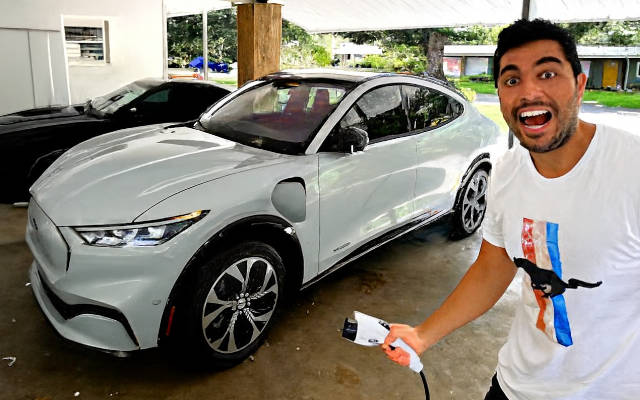 EV owner satisfaction hits its highest level since 2021, even as EV sales soften. J.D. Power finds 96% of new BEV owners would choose another EV, driven by better reliability, improved charging access, and stronger overall performance. Tesla Model 3 ranks highest overall, while the Ford Mustang Mach‑E leads mass‑market EVs after a major rebound.
Studies Reveal Surprising Cost Differences Operating An EV Versus A Gas Car
18 Feb 2026 | Synopsis
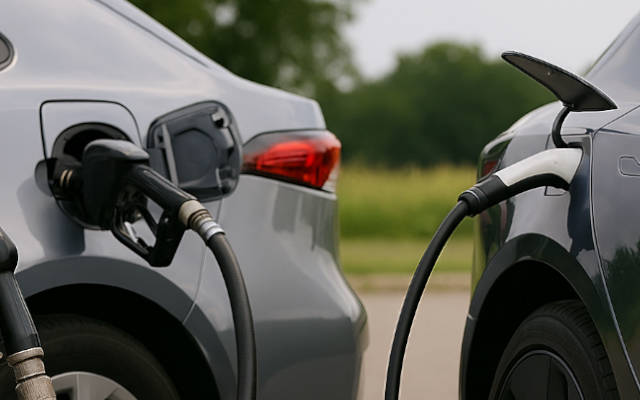 A Southern Alliance for Clean Energy report finds EVs cost less than half as much to fuel and maintain compared to gas cars. Driving 1,100 miles costs ~$56 in electricity vs. ~$132 in gas. EVs avoid oil changes and complex parts, lowering upkeep. Home charging and time-of-use rates boost savings, especially with solar. While upfront costs may be higher, total ownership costs are lower, making EVs a financially and environmentally smart choice.
Ford Europe Updates Its E-Tourneo Courer
17 Feb 2026 | Synopsis
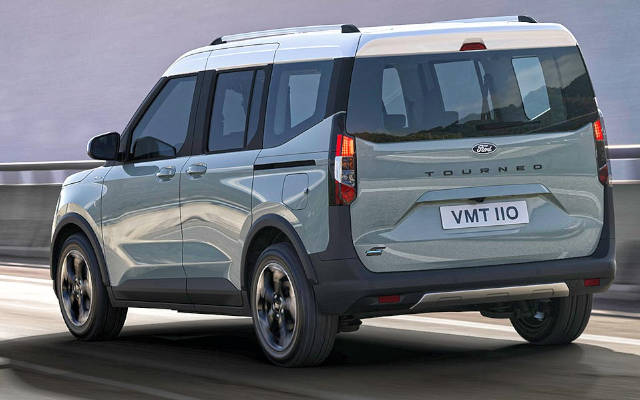 Ford’s updated E‑Tourneo Courier is a compact, five‑seat electric activity vehicle for Europe, now offering up to 320 km WLTP range, faster DC charging, and broad Electroverse access. Sliding doors, flexible storage, and a roomy cabin support family and work use. Standard 5G, Android Auto, Apple CarPlay, and one‑pedal driving simplify daily life, while two‑year service intervals and OTA updates reduce upkeep.
 EVWorld Exclusive
Where and Why Tesla FSD Is Legal
19 Feb 2026 | 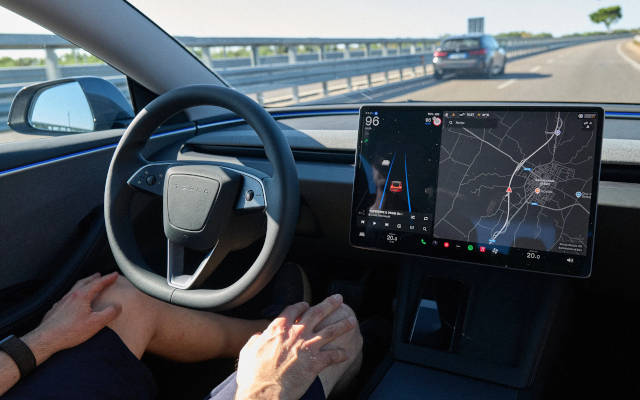 Tesla’s FSD remains legal nationwide because it’s classified as a supervised Level 2 driver‑assistance system, keeping the human responsible. California’s crackdown on “Autopilot” branding forced Tesla to remove the feature but not FSD itself. Outside California and Texas, FSD is still allowed as long as drivers stay engaged and the system isn’t marketed as autonomous.
How Killing the Endangerment Finding Also Quietly Rewires America’s Financial System
19 Feb 2026 |  The U.S. repeal of the climate endangerment finding gives banks, automakers, and fossil‑fuel companies short‑term advantages by removing climate‑risk oversight. But it isolates the U.S. from global regulators who treat climate risk as financial risk, leaving American banks more exposed to long‑term shocks, stranded assets, and systemic instability.
The Quiet Rise and Fall of America’s Most Hated Fuel-Saving Feature
18 Feb 2026 | 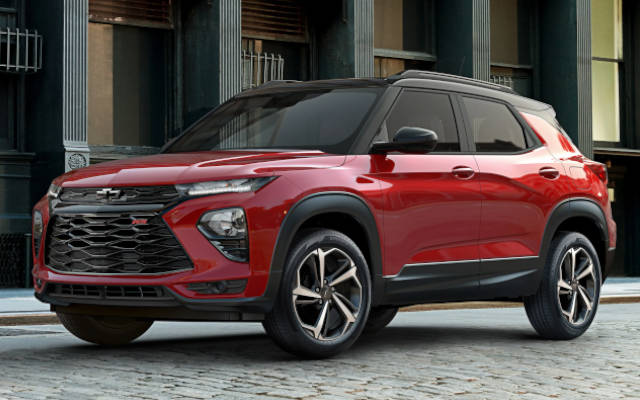 Start-stop systems became one of the most common fuel-saving features in U.S. cars, cutting emissions cheaply and at scale. But drivers disliked the abrupt restarts and lack of explanation, leaving the technology politically vulnerable. When regulators removed key credits, headlines falsely claimed the feature was “banned overseas.” The real lesson: efficiency must be integrated, intuitive, and well‑explained to earn public support.
Rethinking Ocean Currents in an Era of Expanding Offshore Wind
18 Feb 2026 | 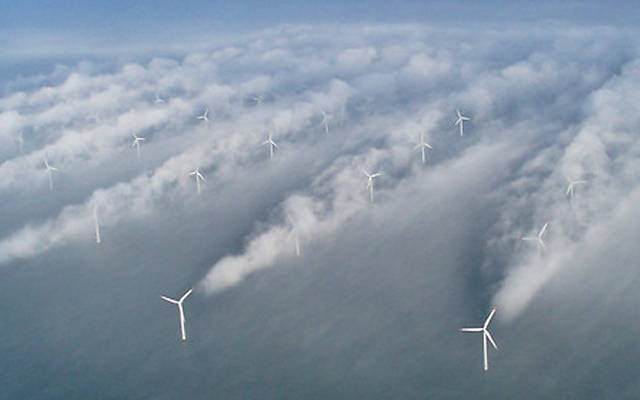 A new modeling study finds that large offshore wind build‑outs will alter North Sea surface currents by slowing flow and reshaping wake patterns. The researchers do not assume harm; instead, they highlight how these changes can be managed through turbine spacing and siting. The work underscores that hydrodynamic shifts are real but navigable, enabling cleaner energy while guiding smarter marine planning.
From Dearborn to Hangzhou: How Ford Came Back to Geely
17 Feb 2026 |  Geely has grown from a small Chinese maker into a global force, owning Volvo, Polestar, Lotus, LEVC, Zeekr, Lynk & Co, and Smart partnerships. Its build quality now rivals global brands, and its EV platforms underpin exports worldwide. Ford, once Volvo’s owner, now explores renewed collaboration with Geely as EV costs rise and European factories sit underused.