This approval allows Tesla to build a countrywide autonomous charging network for Cybercabs.
Tesla has cleared a crucial regulatory hurdle that could pave the way for fully autonomous EV power networks. The U.S. Federal Communications Commission has granted the company a waiver allowing it to use ultra-wideband (UWB) radio technology in a fixed, outdoor wireless charging system. Something normally restricted under existing spectrum rules.
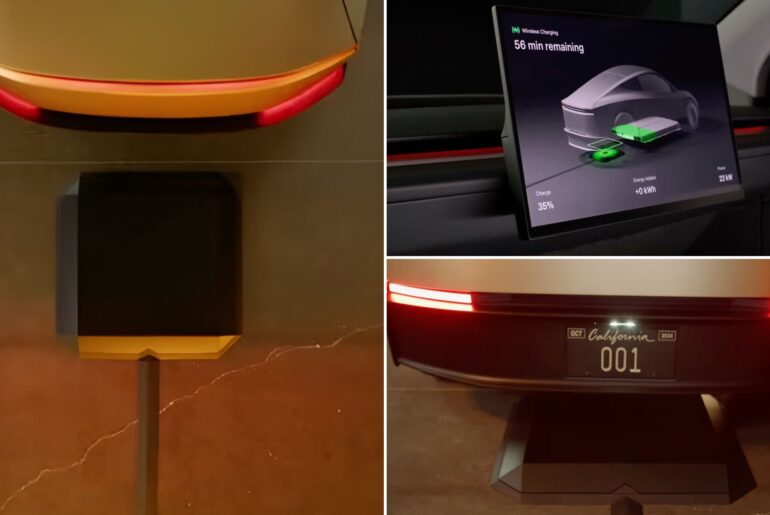
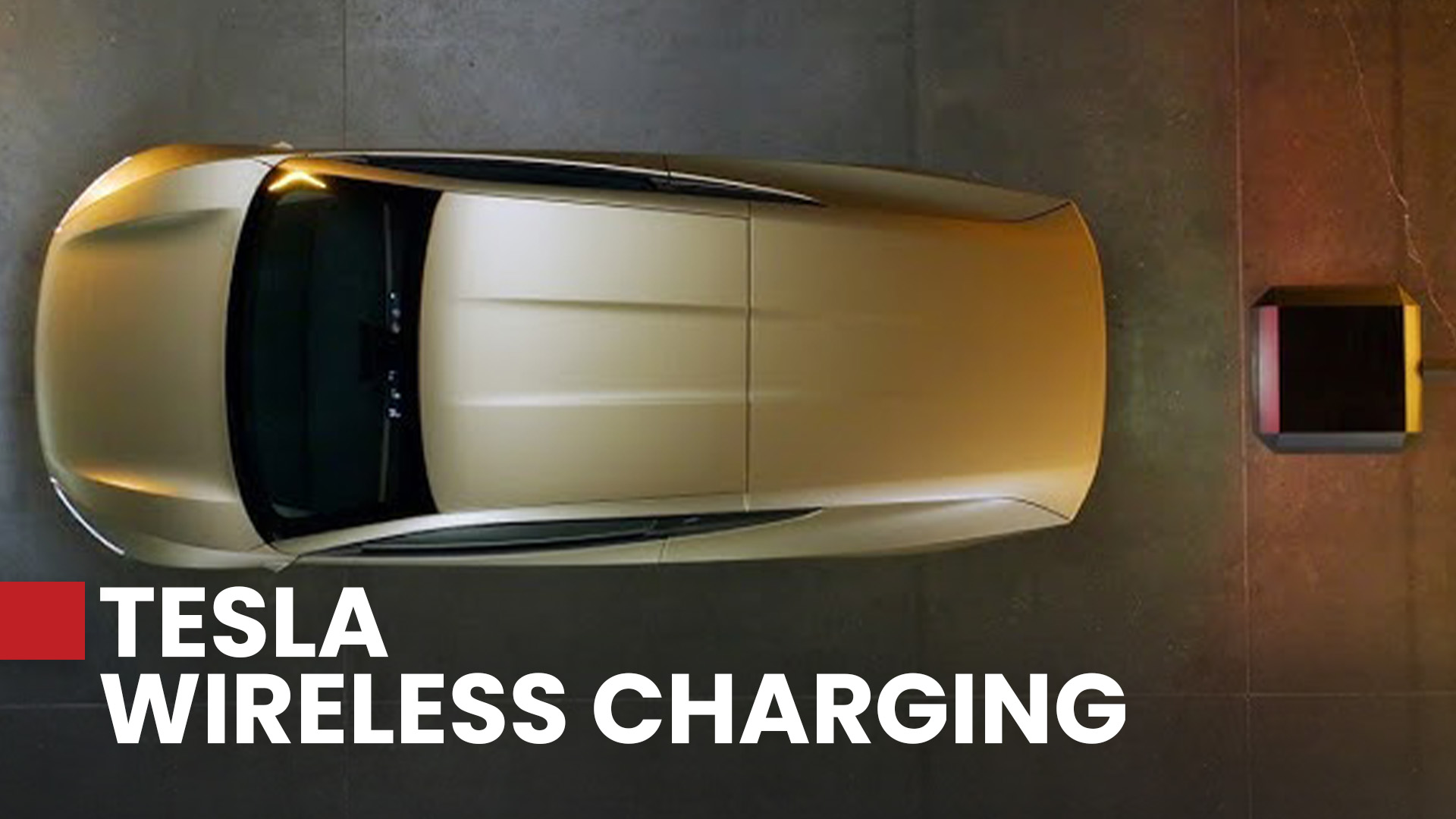
The approval applies specifically to Tesla’s positioning system, which enables precise alignment between a vehicle and a ground-level wireless charging pad. Before UWB activates, the vehicle establishes a Bluetooth connection to identify the charger. As it approaches, ultra-wideband signals briefly engage to guide the car into the optimal position. Once alignment is achieved, the UWB transmission stops and wireless power transfer begins.
The FCC determined that Tesla’s system operates at very low power, over extremely short distances, and only for brief periods during parking, minimizing the risk of interference with other spectrum users. That technical distinction is important because UWB devices are typically restricted to handheld use and barred from fixed outdoor infrastructure.
But the implications extend far beyond convenience in charging. Tesla’s upcoming Cybercab, a purpose-built autonomous robotaxi expected to launch before 2027 at an estimated starting price of $30,000, is designed to operate without a driver.
For a truly autonomous fleet, vehicles must not only navigate independently but also recharge without human assistance. This waiver allows the infrastructure needed for that reality. Cars that can return to base, align themselves, and power up automatically.
It’s a small regulatory decision with an outsized impact. A step toward vehicles that not only drive themselves but also charge themselves