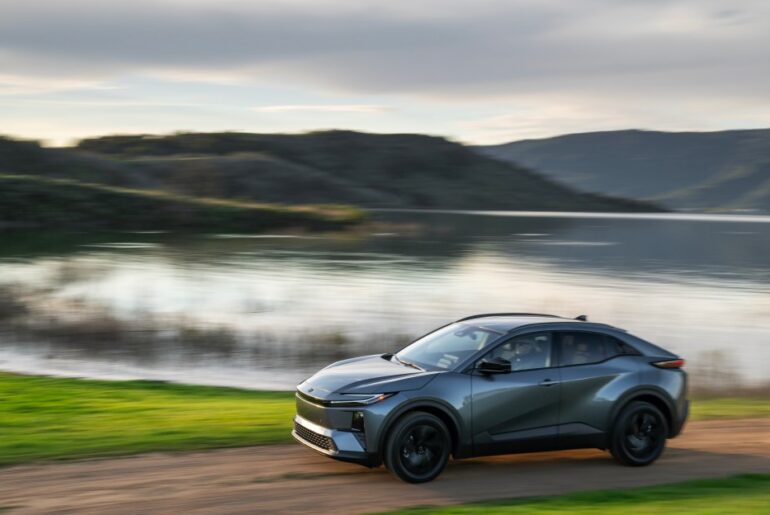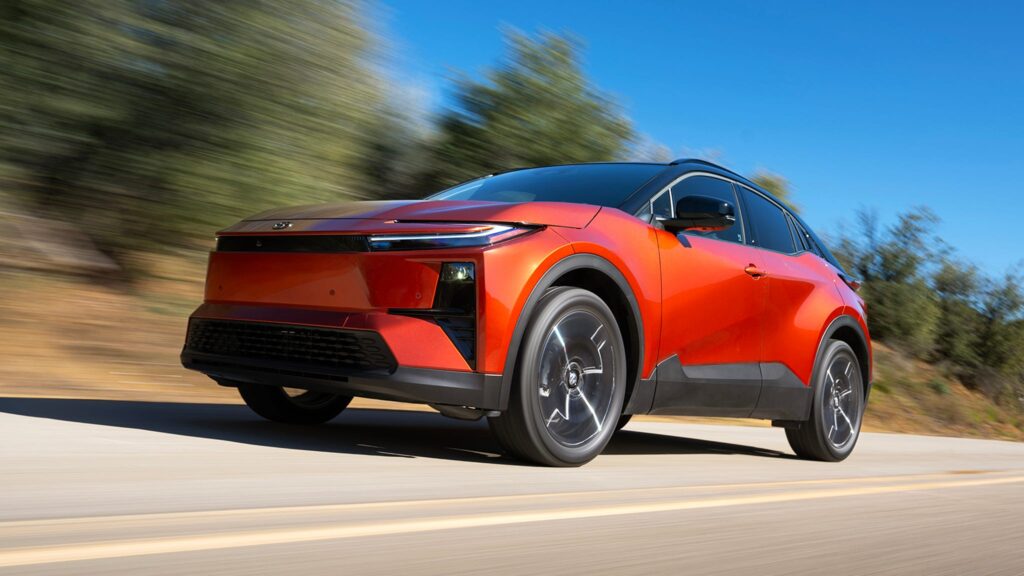
The electric compact SUV segment has quickly become one of the industry’s most fiercely contested arenas, where range, charging performance, and clever packaging carry as much weight as design and driving feel. Onto this field steps the all-new 2026 Toyota C-HR (not to mention the C-HR’s Subaru Uncharted twin), an old, somewhat obscure nameplate reimagined specifically for the battery-electric age.
Rather than chasing outsized range, which Toyota hasn’t been able to crack yet, the C-HR focuses on capability, technology, and everyday usefulness to resonate with urban commuters and EV newcomers. The C-HR’s counterpoint to rivals is simplicity: acceptable range, accessible performance, and the kind of seamless user experience that has long defined Toyotas.
ADVERTISEMENT – CONTINUE READING BELOW
After a full day behind the wheel in dense city traffic, on fast-moving freeways, and along winding back roads, it’s clear the 2026 C-HR isn’t merely an electrified revival. Instead, it feels like the version of the old car we hoped for: a small crossover that successfully blends practicality with a genuinely playful driving character.
 Off Like a Rocket
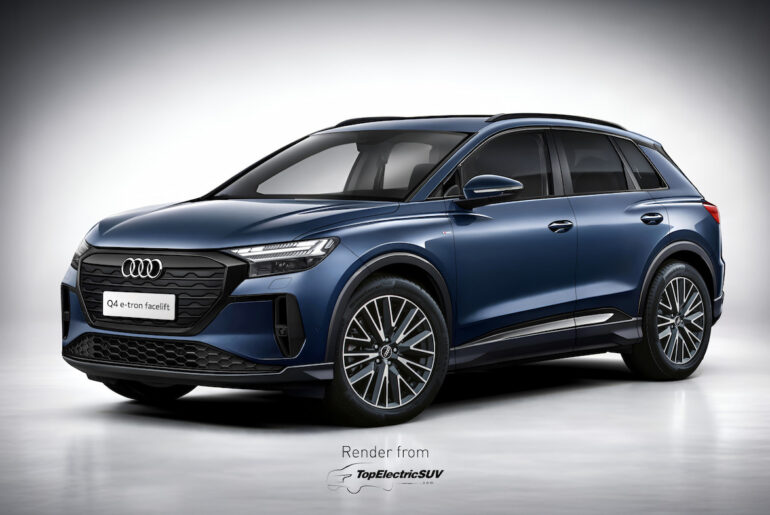
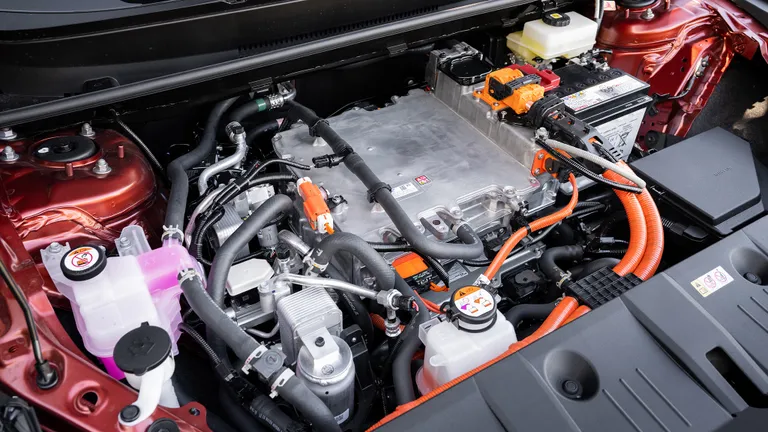
The headline number in the C-HR’s spec sheet is the 338 combined horsepower it produces from its standard dual motors. That’s serious muscle for a small electric SUV, eclipsing the 320-hp all-wheel-drive version of the Kia EV6 and even edging out the higher-end 335-hp Audi Q4 E-Tron. In a segment where many entries prioritize efficiency, Toyota clearly leaned into performance.
ADVERTISEMENT – CONTINUE READING BELOW
Plant your right foot, and the C-HR responds with notable (yet still measured) thrust. Toyota estimates a 0–60-mph time of 4.9 seconds, but that figure feels conservative. Given the slightly less powerful Kia and Audi posted mid-four-second runs in our testing and that Toyota’s similarly powerful but heavier bZ AWD managed a 4.4-second sprint, it stands to reason this smaller, lighter C-HR is quicker.
 Solid Bones
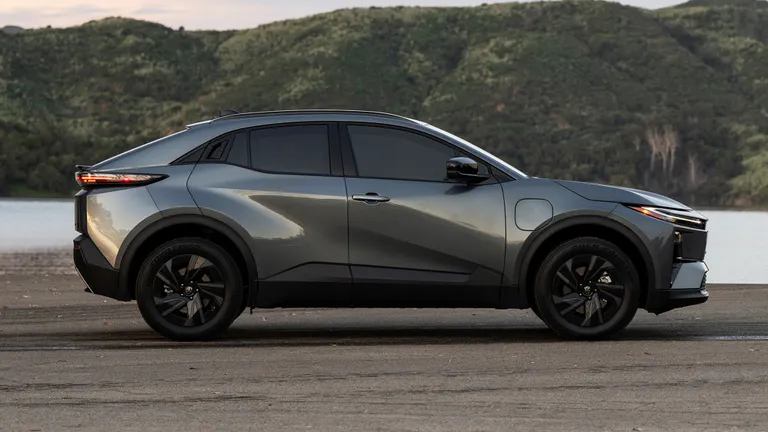
As with the longer, closely related Toyota bZ Woodland, a stickier set of tires would likely unlock more handling capability. As driven, the C-HR’s front end will start to push if you carry too much speed into a corner despite its AWD layout. The culprit isn’t a lack of chassis balance as much as the all-season rubber, which ultimately prioritizes year-round usability over outright grip.
ADVERTISEMENT – CONTINUE READING BELOW
Steering response is quick, although feedback leans toward the numb side. On the upside, braking performance impresses. The C-HR comes fitted with massive 17-inch front and rear rotors, a substantial upgrade over the 12.9-inch front and 12.5-inch rear discs found on the heavier bZ Woodland. The result is confident stopping power that matches the vehicle’s straight-line punch.
Dial back from the limit, and the ride settles into a composed, well-damped rhythm. Like many EVs, the C-HR benefits from a low center of gravity thanks to its underfloor battery pack, giving it a planted, stable feel through sweepers and over broken pavement. Calling it outright sporty may be a stretch, but the underlying hardware suggests there’s potential here, perhaps even for a future GR variant.
ADVERTISEMENT – CONTINUE READING BELOW