February 18, 2026
By Nehal Malik
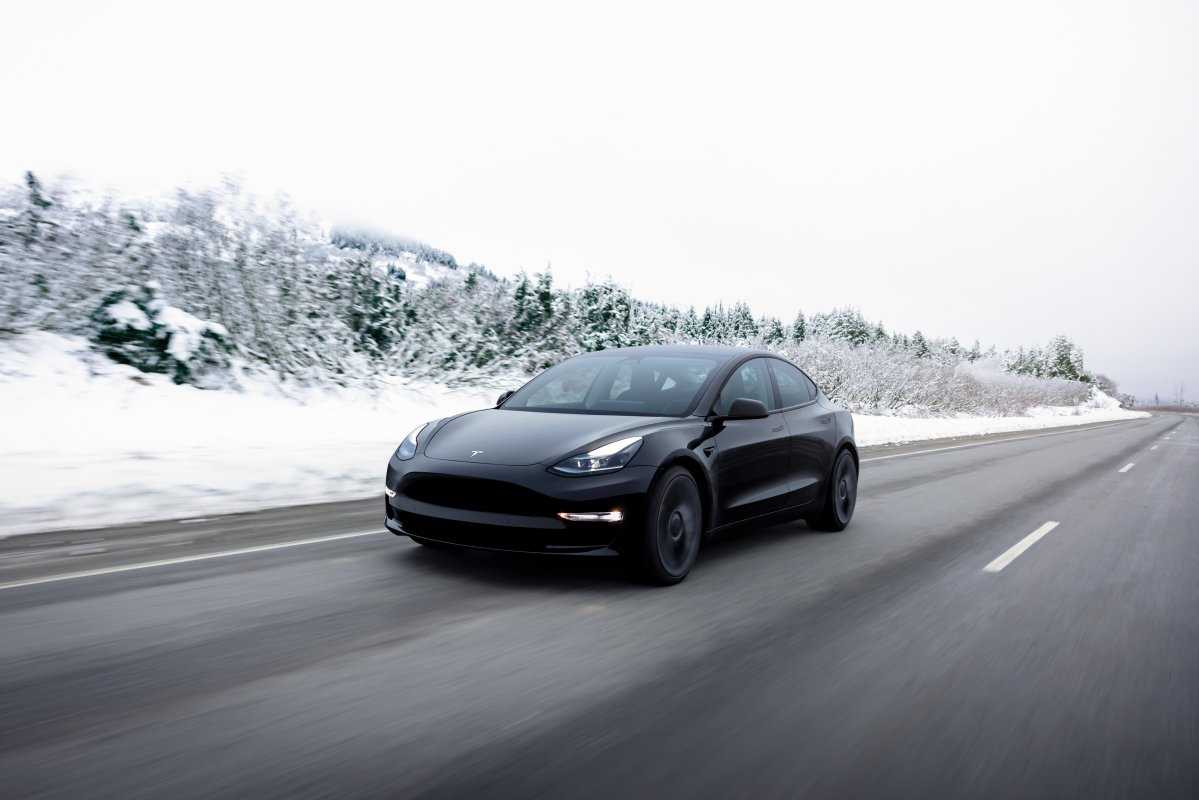
Tesla’s smallest sedan continues to sweep the automotive awards season. The Tesla Model 3 has officially been named the Edmunds Top Rated Electric Car for 2026, beating out stiff competition from legacy automakers like Audi and BMW.
The win highlights just how far the Model 3 has come since its initial debut. According to Edmunds, the sedan earned an impressive rating of 8.1 out of 10, thanks to its starting price of $36,990 and a tested real-world range of 339 miles. Jonathan Elfalan, the director of vehicle testing at Edmunds, was particularly high on the car, stating, “The Model 3 offers just about the perfect combination of everything — speed, range, comfort, space, tech, accessibility and convenience. It’s a no-brainer if you want a sensible EV.”
Refined and Better Than Ever
The 2026 Model 3 is largely a continuation of the massive “Highland” refresh that first hit North American streets in 2024. That update brought a much-needed boost to build quality and ride comfort, which were historically the car’s biggest weak points. Tesla didn’t stop there; they also added ventilated front seats and a secondary 8-inch touchscreen for rear passengers to control their own climate and entertainment.
Perhaps the most significant change for the 2026 model year is a bit of a “back to basics” move. Tesla has officially brought back the physical turn signal stalk on the steering column. When the Highland refresh first launched, many owners were frustrated that the stalks were replaced by buttons on the steering wheel, making roundabouts and quick turns a bit of a headache. Seeing the physical stalk return shows that Tesla is actually listening to its customer base.
Performance and Value
One of the reasons the Model 3 remains the best small affordable EV on the market is its sheer versatility. If you’re looking for value, the new Standard trim is Tesla’s most affordable offering to date, costing thousands less than the Premium (previously Long Range) versions. On the other end of the spectrum, the Performance trim offers a blistering 0-60 mph sprint of just 2.9 seconds, sacrificing a bit of range for supercar-level speed.
It’s worth noting that Tesla is cleaning up across the board lately. While the Model 3 took the crown from Edmunds, its bigger sibling, the Model Y, was recently named the best electric vehicle of 2026 by Consumer Reports. Tesla even broke into the publication’s top 10 list of most reliable automotive brands for the first time last year, proving that the days of “panel gap” memes might finally be behind us.
The 2026 Model 3 isn’t perfect — Edmunds notes the lack of Apple CarPlay (perhaps not for long) and that the reliance on the touchscreen can be distracting — but it remains the benchmark for the industry. As competitors like the Audi A6 Sportback e-tron and BMW i5, which Edmunds also highlighted as honorable mentions, move into the space, Tesla’s efficiency and charging network continue to keep it one step ahead.
Ordering a New Tesla?
Use our referral code and get 3 months free of FSD or $1,000 off your new Tesla.
February 18, 2026
By Nehal Malik
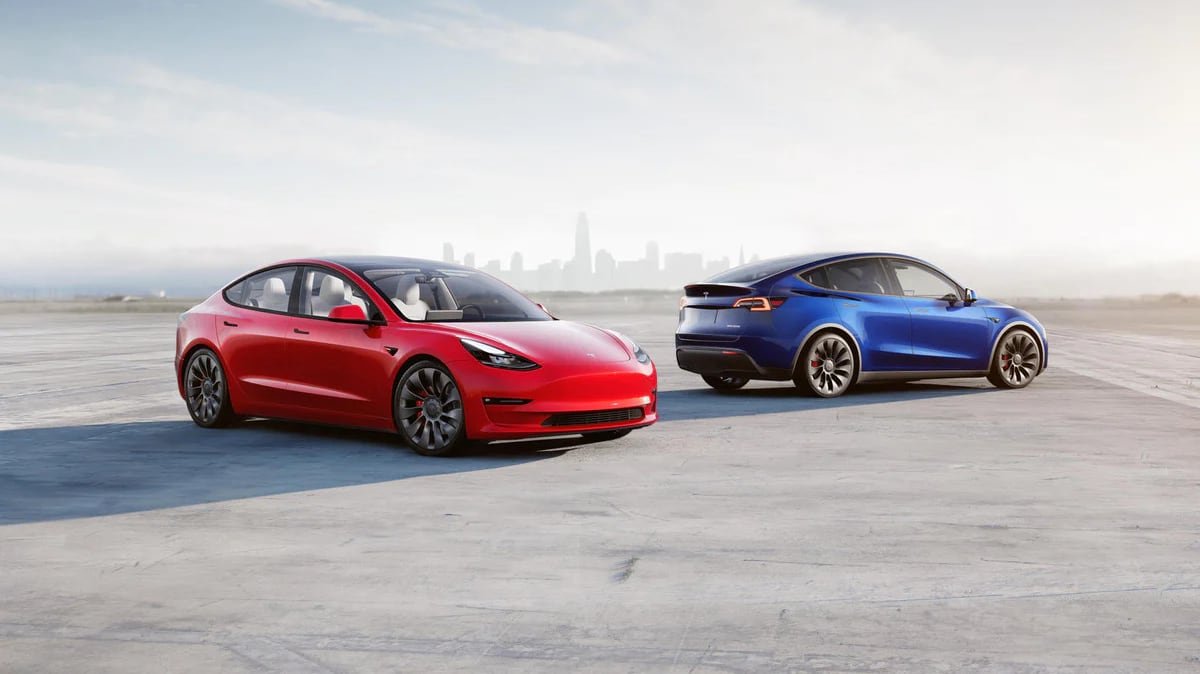
Tesla is officially in the clear to keep selling cars in its biggest market. According to a new Bloomberg report, the company has successfully avoided a potential 30-day sales suspension in California after the state’s Department of Motor Vehicles (DMV) confirmed that the automaker has taken “corrective action” regarding the way it markets its driver-assistance technology.
The controversy centered on allegations that Tesla was exaggerating the capabilities of its systems, specifically with its Autopilot and Full Self-Driving (FSD) branding. California regulators had been prepared to suspend Tesla’s sales license following a judge’s ruling in December, but the state gave the company a window to come into compliance. Late Tuesday, the DMV announced that Tesla has modified its language to clarify that these features are not fully autonomous and require constant supervision.
The End of an Era for Autopilot
To satisfy regulators, Tesla has essentially retired the “Autopilot” name in California. This isn’t entirely a surprise, as Tesla discontinued Autopilot for new vehicle orders in the United States and Canada just last month. New deliveries now only include Traffic Aware Cruise Control (TACC) as the standard offering.
For years, every Tesla came with the Basic Autopilot suite, which included TACC and Autosteer — the feature that keeps the car centered in its lane. Now, if you want those advanced lane-keeping abilities, you have to look toward a paid FSD subscription. The company also retired its iconic Autopilot steering wheel symbol last fall, moving toward a more unified look across its autonomy suite.
Supervised vs. Unsupervised
A big part of the “corrective action” involves how Tesla sells its top-tier software. The company has increasingly shifted to using the term Full Self-Driving (Supervised) to describe its current tech. By adding “Supervised” directly into the name, Tesla is making it much harder for someone to claim they thought the car could drive itself while they took a nap in the back seat.
This branding shift is a bridge to the company’s ultimate goal: a truly unsupervised version of Full Self-Driving. While the current tech still needs a human safety net, Tesla is betting everything on a future where the steering wheel becomes optional. For now, the focus is on keeping the legal peace in California, which is the leading state for EV adoption in the U.S. and a massive piece of Tesla’s revenue puzzle.
It is a bit of a bummer to see the classic Autopilot name go, as it was basically synonymous with the brand for a decade. But if it means the company can keep the lights on and the factory lines moving in Fremont, it’s a trade-off they had to make.
February 17, 2026
By Nehal Malik
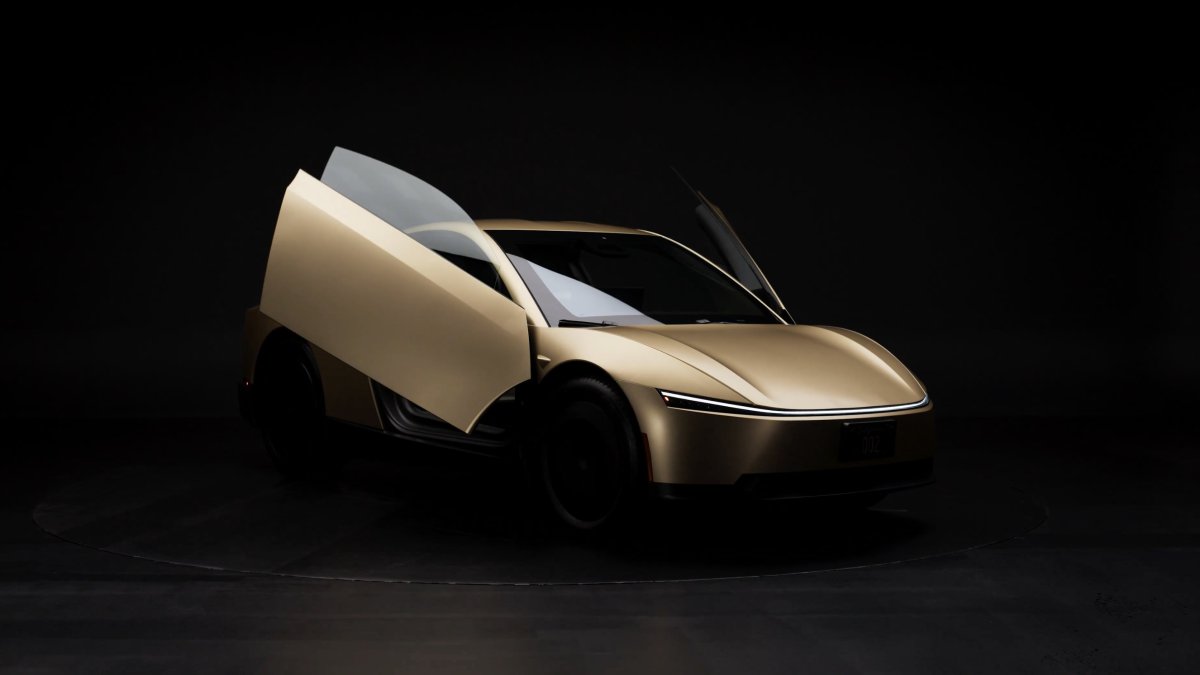
Tesla is officially one step closer to its autonomous future as the first Cybercab has rolled off the production line at Gigafactory Texas. The company shared the milestone on X today, posting a photo of the vehicle at the end of the manufacturing line with the caption: “First Cybercab off the production line at Giga Texas”.
First Cybercab off the production line at Giga Texas pic.twitter.com/kY8vCqtrCA
— Tesla (@Tesla) February 17, 2026
This achievement marks a major transition for the purpose-built robotaxi, moving it from the trial phase into initial production. Tesla is now expected to slowly ramp up manufacturing as it prepares for volume production, which is currently slated to begin in April.
The Backbone of the Robotaxi Network
The Cybercab is Tesla’s highly anticipated two-seat, all-electric vehicle designed specifically to anchor the company’s Robotaxi network, which recently started offering fully unsupervised rides in Austin. Unlike the rest of Tesla’s lineup, this vehicle is built for high-utilization ride-hailing rather than traditional personal ownership.
While owners will eventually be able to add their own Tesla vehicles to the Robotaxi fleet, the Cybercab will act as the core platform for scaling the service quickly. Because it is optimized for autonomy, Tesla engineers have previously noted that the vehicle will have roughly half as many parts as a Model 3, which should help keep costs low and production fast.
Real-World Testing and Validation
Before reaching the production line, the Cybercab has been undergoing extensive real-world validation testing. Prototypes have been spotted driving on public streets in several states, including Texas, California, and New York. Tesla even pushed the vehicle through harsh winter testing in Buffalo and Alaska to ensure its camera-based system can handle snow, ice, and freezing temperatures.
One interesting detail about these test units is that they currently feature traditional driving controls. However, the final version rolling off the production line is expected to ship without a steering wheel, pedals, or even side mirrors. Instead, the vehicle will rely entirely on Tesla’s Vision-based Full Self-Driving system.
Unlike other Tesla vehicles, the Cybercab is equipped with washers for all cameras (excluding the interior cabin camera) to ensure unhindered FSD functionality. The list includes the front bumper camera, repeater and B-pillar cameras, the rear camera, and the front cameras underneath the windshield.
That said, Tesla has kept a “Plan B” on the table. The company has confirmed it is willing to ship the Cybercab with a steering wheel and pedals if required by regulators to get the fleet on the road at scale. For now, the focus remains on the innovative “unboxed” manufacturing process at Giga Texas as April approaches.