Published on Feb. 17, 2026
Got story updates? Submit your updates here. ›
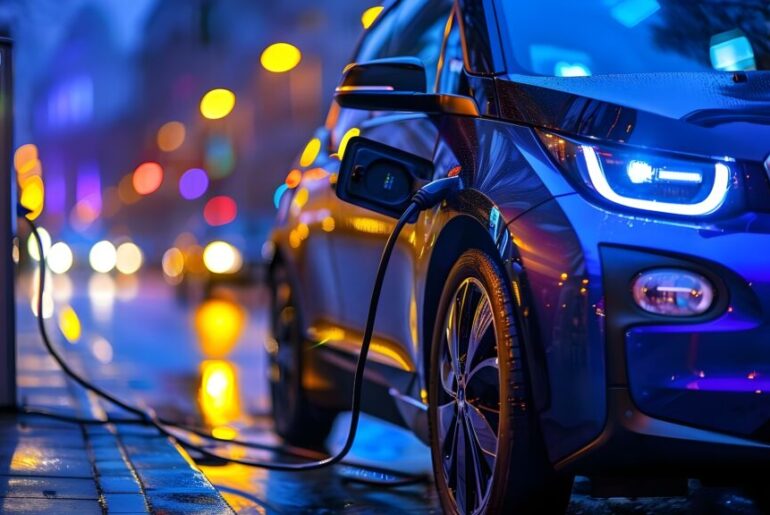
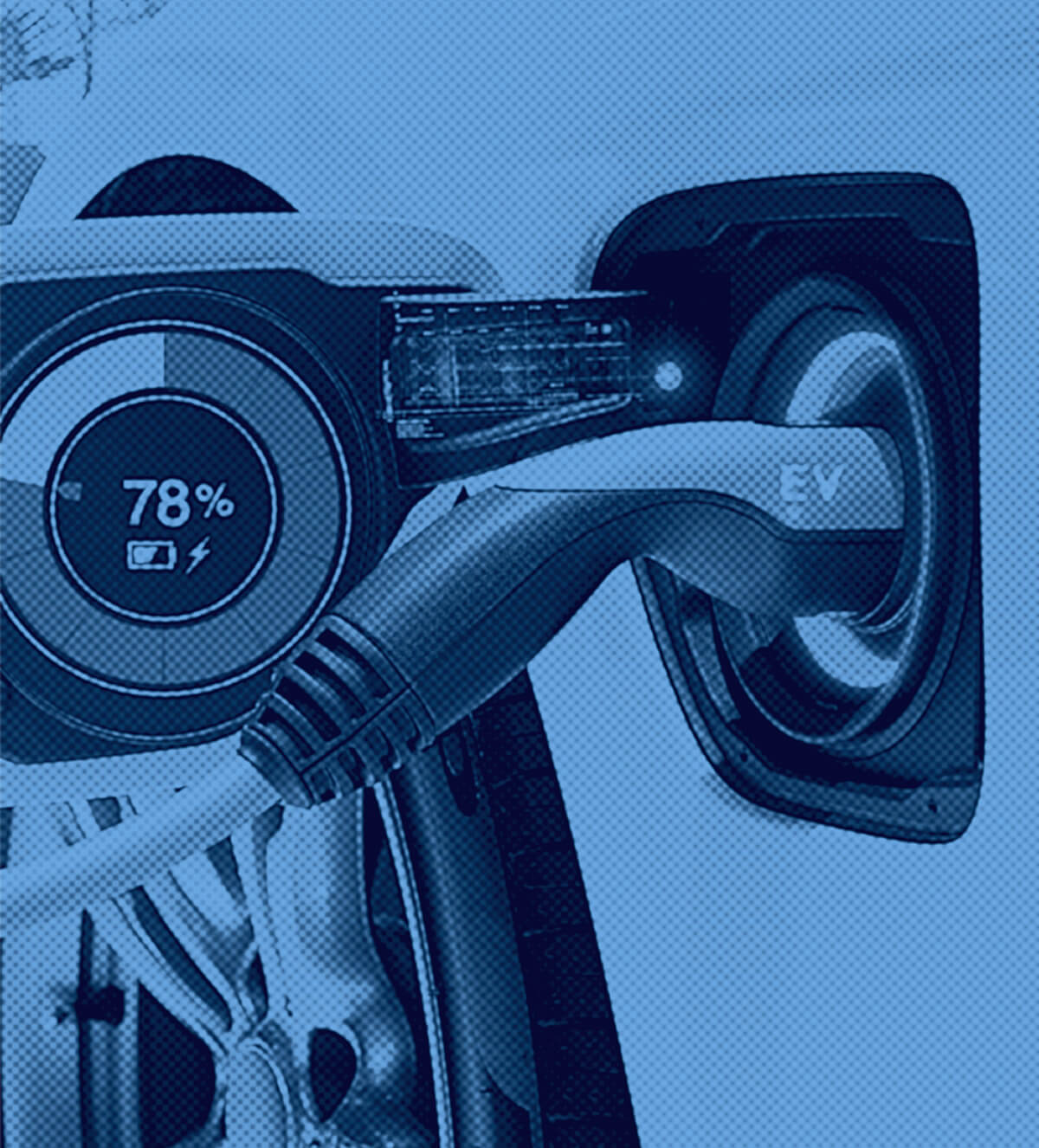
San Francisco now has more publicly accessible electric vehicle (EV) chargers than gasoline pumps, reflecting the city’s shift towards electric transportation. With around 30,000 EVs registered in the city, making up 7% of the total vehicle population, the demand for charging stations has increased dramatically. The city has over 1,700 public Level 2 and fast DC chargers, supported by state and local policies incentivizing EV infrastructure. Meanwhile, the number of gas stations in San Francisco has declined from over 100 to less than 90 in the past 15 years.
Why it matters
The transition from gasoline to electric vehicles is a key part of San Francisco’s efforts to reduce greenhouse gas emissions and improve air quality. As more residents switch to EVs, the availability of reliable charging infrastructure will be crucial to supporting this shift and ensuring equitable access to clean transportation options.
The details
San Francisco’s EV charging network includes about 1,481 publicly accessible Level 2 chargers and 249 fast direct current (DC) chargers, according to state data. There are also nearly 2,000 shared Level 2 chargers in apartment complexes and other private facilities. This charging infrastructure has been enabled by city and state policies, such as San Francisco’s Green Building Code that requires new parking facilities to include EV charging. Meanwhile, the number of gas stations in the city has declined from over 100 to less than 90 in the past 15 years, as real estate pressures have led to the replacement of many stations with other developments.
In 2023, Tesla installed a supercharger station at Potrero Center.Last summer, a set of six fast EVgo DC chargers were connected at Bayview Plaza.
The players
California Energy Commission
The state agency that tracks data on electric vehicle charging infrastructure in California.
San Francisco Department of the Environment
The city agency working to expand EV charger access by incentivizing and facilitating private entities to build and operate chargers.
Zunaira Malik
A San Francisco EV owner who has experienced issues with charger availability and functionality.
Got photos? Submit your photos here. ›
What they’re saying
“I do think coverage has gotten better in last few years and the chargers are being better maintained so they’re less frequently broken; however, it’s still not sufficient.”
— Zunaira Malik, EV owner (Potrero View)
What’s next
The city is seeking to further expand its EV charging network by incentivizing private entities to build and operate more chargers to meet rising demand. However, a $15 million federal grant to add 270 Level 2 and 30 fast DC charging stations was suspended by the previous administration.
The takeaway
San Francisco’s transition from gasoline to electric vehicles is well underway, with the number of public EV chargers now exceeding the number of gas pumps. This shift is supported by state and local policies, but challenges remain in ensuring equitable access to reliable charging infrastructure across the city.