Newly released bidding documents have shed light on how Elon Musk’s Boring Company plans to connect Universal Orlando Resort’s north campus to Universal Epic Universe.
The materials outline staffing, construction timelines, tunnel configuration, and operational details that were not previously public about the planned Loop system.
The Shingle Creek Transit & Utility Community Development District voted Feb. 11 to begin contract negotiations with The Boring Company after ranking it the top bidder for the Universal Orlando transport project. Now, evaluation documents obtained by local news media reveal how the company intends to execute the project, according to Attraction Insight.
The proposal describes a twin-tunnel configuration, with one tunnel in each direction. It also noted that permitting, design, and construction could take roughly a year and a half once approvals are secured. The company indicated it could deploy multiple tunnel boring machines and install temporary support infrastructure, including muck storage pits and stormwater systems, during construction.
Bid documents list eight internal specialists assigned to the project, including tunnel engineers, structural engineers, and tunnel boring machine experts. Six subcontractors would handle fire protection, communications, soil treatment, and concrete work.
The company stated it “has the necessary internally produced tunneling equipment and personnel immediately available to complete this project for the district as quickly as permits and approvals can be obtained.”
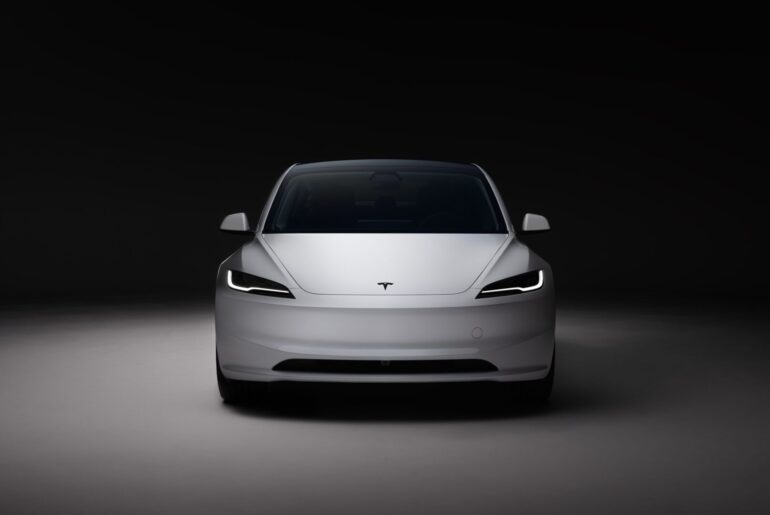
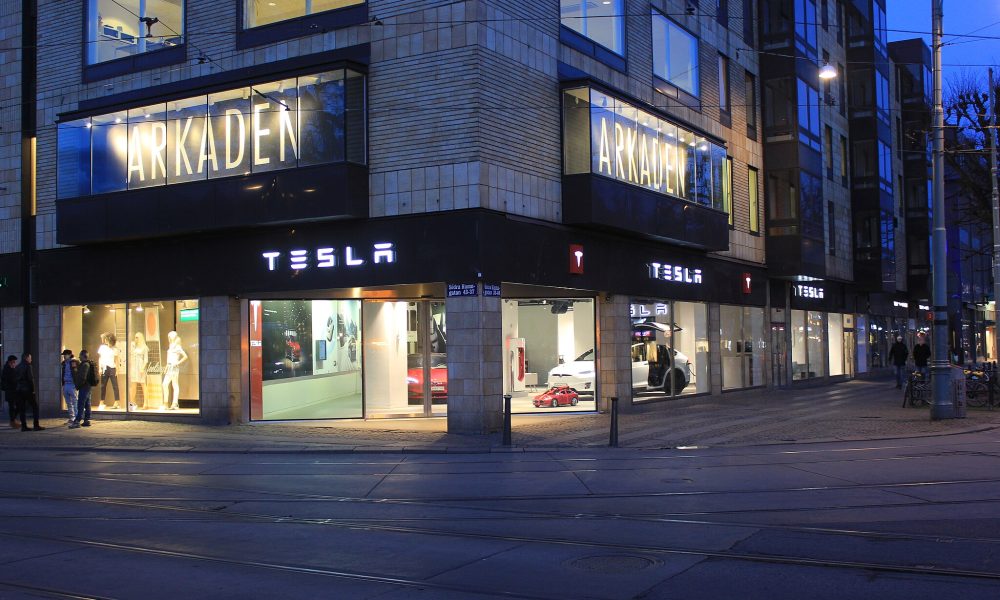
Operationally, the system would mirror the company’s Las Vegas Loop model, using Tesla vehicles to provide point-to-point transport rather than fixed-route buses. The proposal frames the concept as “on-demand, express transportation,” with vehicles dispatched as needed and capacity adjustable in real time.
Stations could be built underground or above ground with ramp access into tunnels. The documents also referenced potential future integration of a configurable Robovan for passengers and cargo, though capacity projections for the Orlando tunnels have not yet been disclosed.
The proposal states that the Loop can integrate “easily into environmentally sensitive areas,” but it does not provide detailed mitigation plans for Central Florida’s high water table and limestone geology, which is susceptible to sinkholes. The company has stated that it intends to hire an Orlando-based geotechnical firm to evaluate soil conditions.