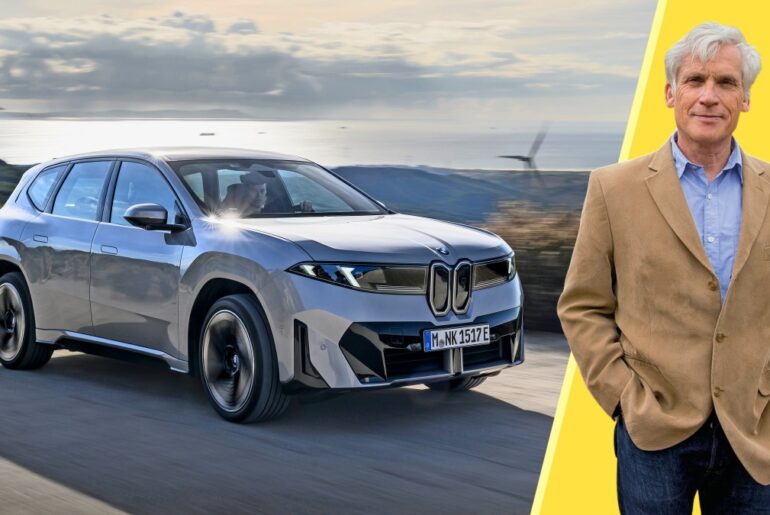
Most efficient electric cars by drag area for highway energy savings
12:22 15-02-2026
Discover the top 7 electric cars with the lowest drag area, including Mercedes-Benz CLA and Tesla Model 3, to optimize energy efficiency and range at high speeds.
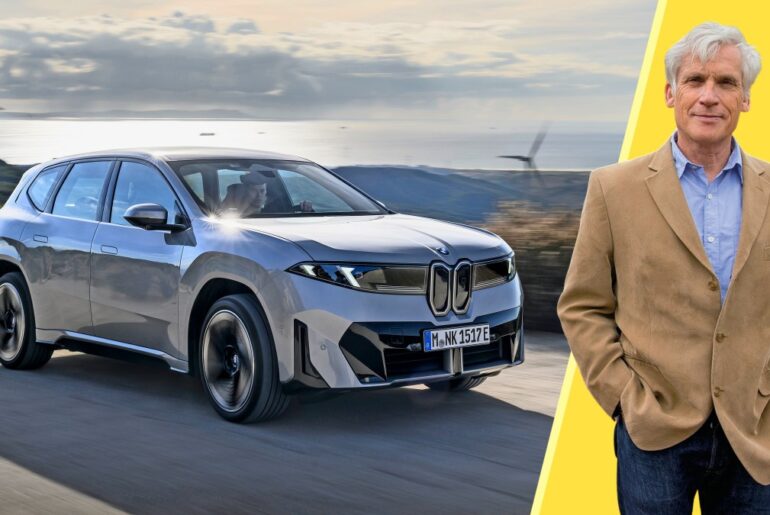
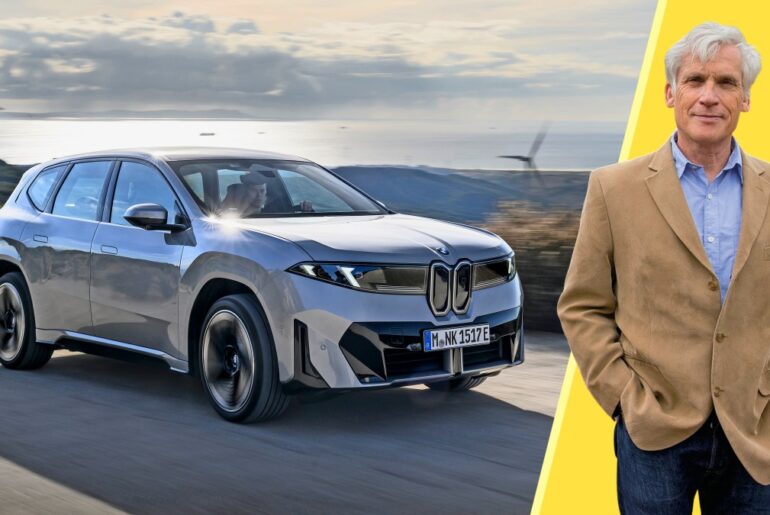
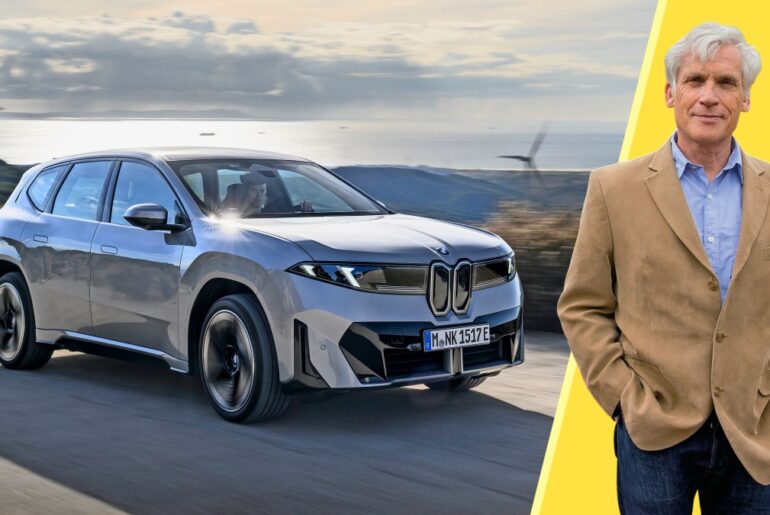
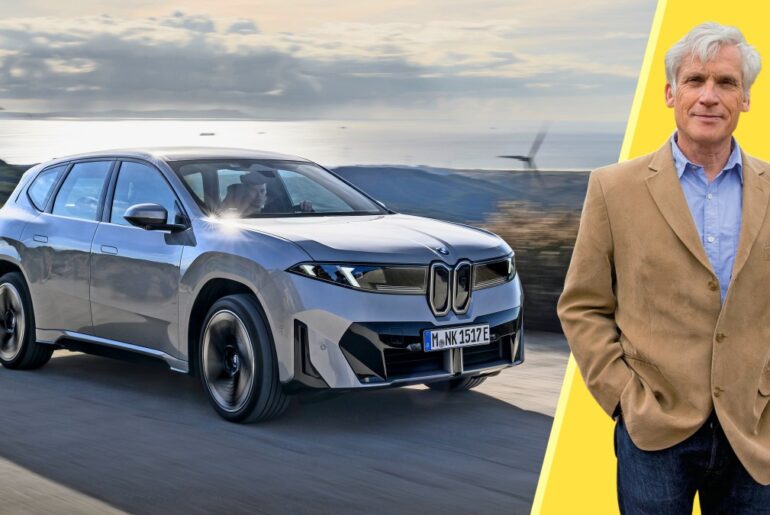
Aerodynamics are especially crucial for electric vehicles at high speeds, as they directly impact energy consumption and range. A key parameter isn’t just the drag coefficient (cW), but also the so-called Drag Area—the product of cW and the frontal area. The lower this value, the less energy is needed on the highway.
Based on an analysis of open data from manufacturers and industry sources, seven electric cars with the lowest Drag Area have made it into Germany’s most efficient models.
In seventh place is the Kia EV4 with a figure of 0.53 sq m. The Porsche Taycan took sixth at 0.52 sq m. The Hyundai Ioniq 6 and Mercedes-Benz EQS share close values around 0.50 sq m. The Xpeng P7+ secured third, while the Tesla Model 3 came in second with a result of 0.49 sq m.
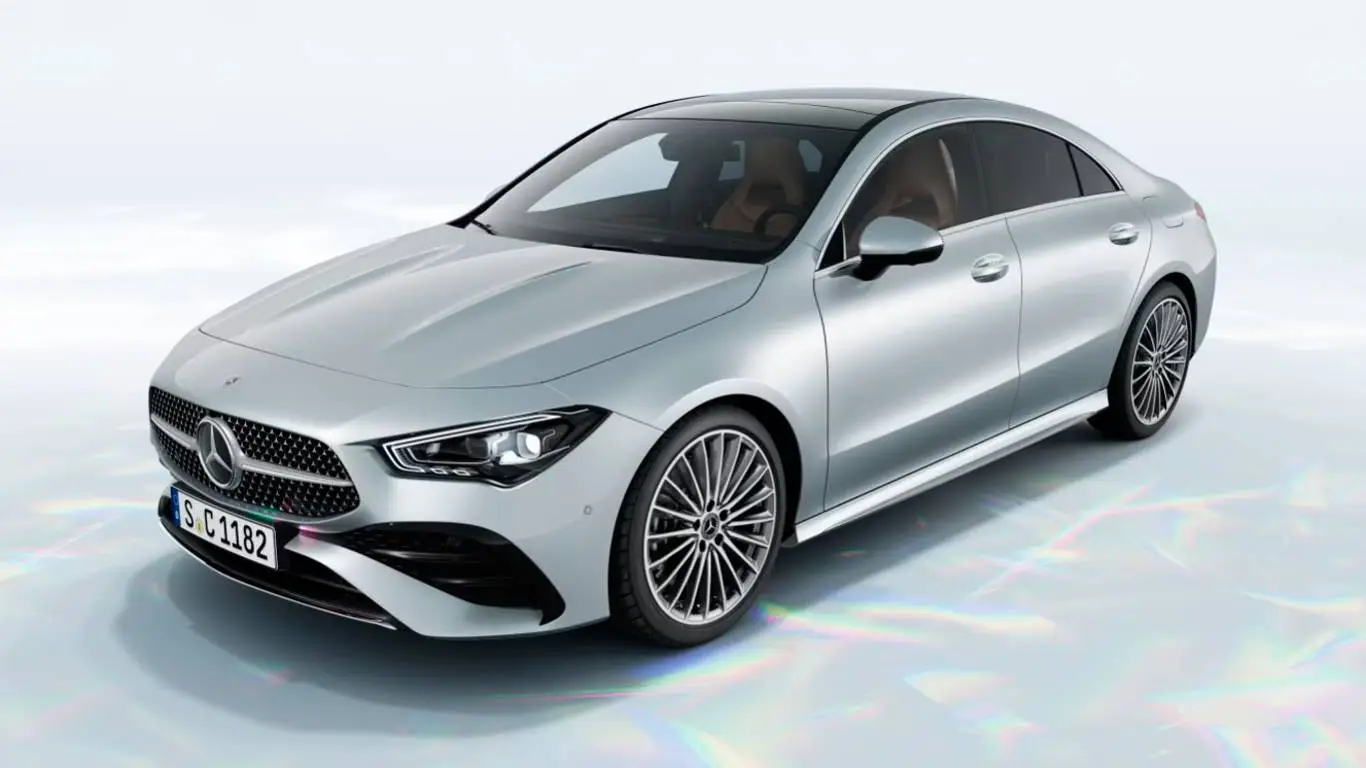
Topping the list is the new electric Mercedes-Benz CLA, boasting a figure of 0.48 sq m. Its low roofline and compact frontal area give it an advantage at speeds around 130 km/h.
Experts point out that such metrics matter when comparing models, but other features also come into play when choosing an electric car. Still, this data helps identify which electric cars for city and highway use can deliver better energy efficiency during high-speed driving.